


Two Polyunsaturated Lipids Demonstrate Senolytic Activity
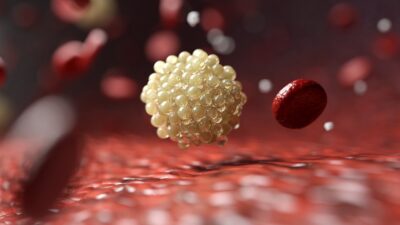
A new study identified two polyunsaturated fatty acids, α-eleostearic acid (α-ESA) and α-ESA methyl ester (α-ESA-me), that showed senolytic activity in cell cultures and a mouse model [1]. An anti-aging strategy
In Vivo Created CAR T Cells Eliminate Tumors in Mice
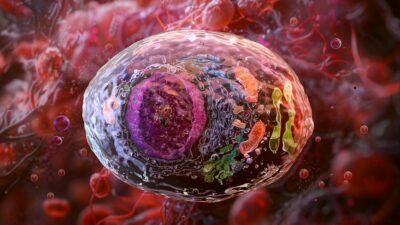
In a new study, an ingenious CRISPR-based tool was used to create CAR T cells in vivo instead of the usual in vitro approach. It showed higher efficacy across three

When Doctors Prescribe Horoscopes: The Trouble With Biological Age Tests
Imagine this pitch: a simple cheek swab or blood spot mailed from home tells you not your birthday but your “true” biological age – the number that supposedly reflects your
Meat Consumption May Benefit APOE4 Carriers
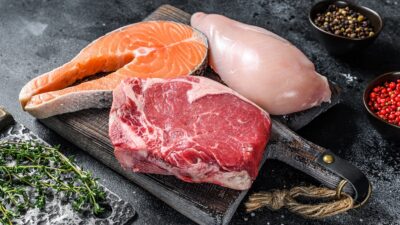
A new study has found a negative association between unprocessed meat consumption and cognitive decline in carriers of the “pro-Alzheimer’s” APOE ε4 allele. This counterintuitive connection might have something to
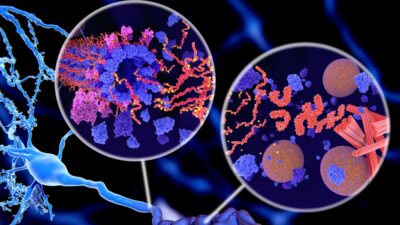
Using mRNA to Fight Tau Aggregation in Alzheimer’s
Researchers publishing in Cell Reports Medicine have described the development of a lipid nanoparticle (LNP) that delivers mRNA to neurons in order to stop the formation of tau aggregates and

Negative Interactions Are Associated With Faster Aging
A new study reported an association between having more problematic people in close networks and increased biological aging [1]. A look into the dark side Social connection has been discussed
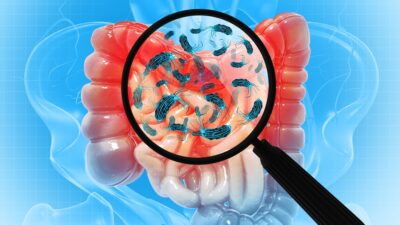
Study Links a Gut Bacterium to Increased Muscle Strength
Scientists have found a positive correlation between the abundance of the bacterium Roseburia inulinivorans in the gut and muscle strength in mice and humans, although the mechanism behind it is
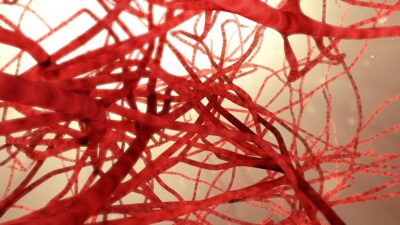
How Zinc Protects Injured Arteries From Accelerated Aging
Researchers publishing in Aging Cell have discovered that the nuclei of the cells that line injured arteries quickly become misshapen and that this leads to accelerated cellular senescence. Delivering zinc
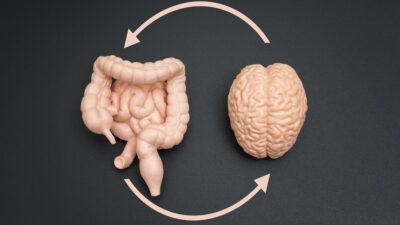
Gut Bacteria Might Affect Cognition via the Vagus Nerve
A new study suggests that microbiome remodeling is a mechanism behind age-related cognitive decline, with one particular bacterial species identified as the likely culprit. In mice, antibiotics seem to reverse
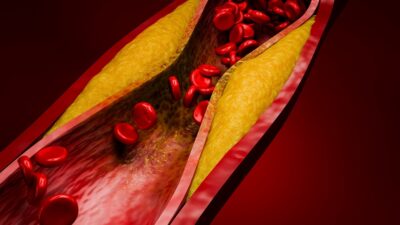
The Many Dangers of 7-Ketocholesterol
A group of researchers, including Matthew O’Connor of Cyclarity Therapeutics, has published a review detailing what effects 7-ketocholesterol (7KC) has in the human body. An oxidized cholesterol 7KC, an oxidized
People With Positive Outlooks Have Better Aging Outcomes
A recent study published in Geriatrics debunks the assumption that an older chronological age results in an inevitable and universal decline in health. The researchers reported that a significant number
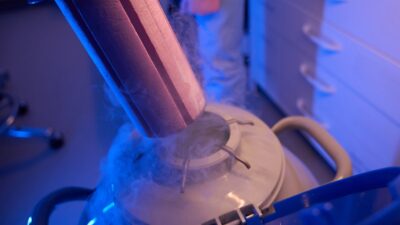
Scientists Successfully Freeze and Rewarm Mouse Brain Slices
In a new study, researchers have vitrified mouse brain slices and then a complete brain with encouraging results: upon rewarming, much of the neuronal function was preserved [1]. The bumpy
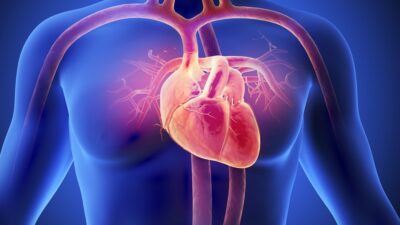
A Review of How the Heart Ages
The European Heart Journal has published a review of what happens to the human heart as it ages, noting the cellular effects of mitochondrial dysfunction and cellular senescence along with
Fat Composition Affects T Cell-Mediated Immunity
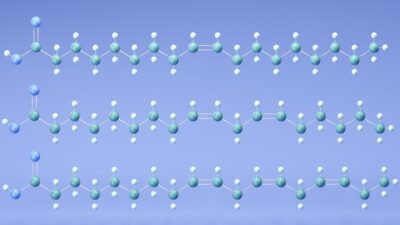
Scientists have found that the ratio between poly- and monounsaturated fatty acids affects the viability of T cells as well as both humoral and anti-tumor immunity [1]. The iron death

How Inflammaging Makes Pneumonia Worse in Mice
Researchers publishing in Aging Cell have discovered how older organisms’ susceptibility to pneumonia is related to inflammatory factors. Short-lived infection fighters Polymorphonuclear leukocytes, more commonly known as neutrophils, are part
Two Polyunsaturated Lipids Demonstrate Senolytic Activity
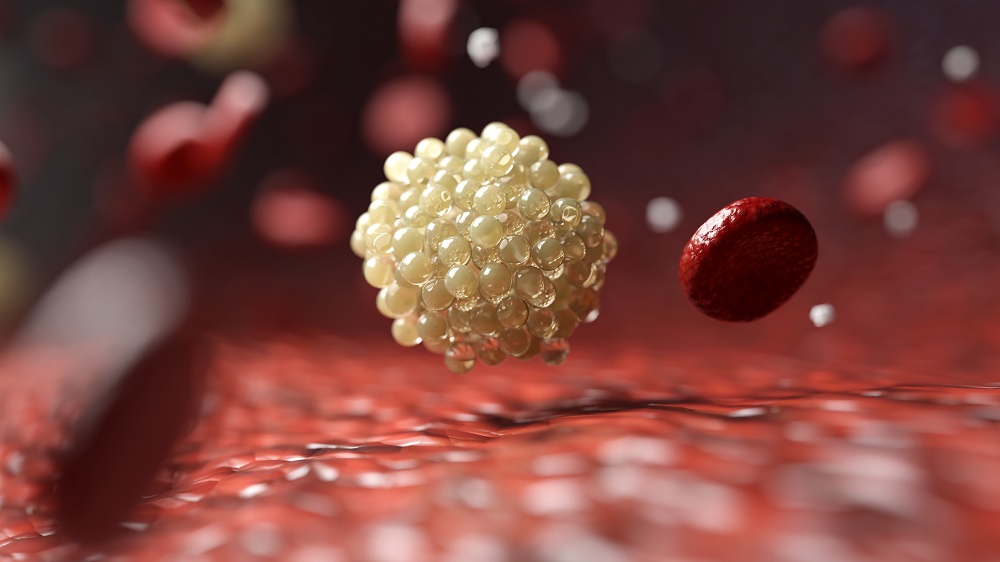
A new study identified two polyunsaturated fatty acids, α-eleostearic acid (α-ESA) and α-ESA methyl ester (α-ESA-me), that showed senolytic activity in cell cultures and a mouse model [1]. An anti-aging strategy Cellular senescence is one of the most critical aging-related processes. Senescent cells, which accumulate with age,
In Vivo Created CAR T Cells Eliminate Tumors in Mice
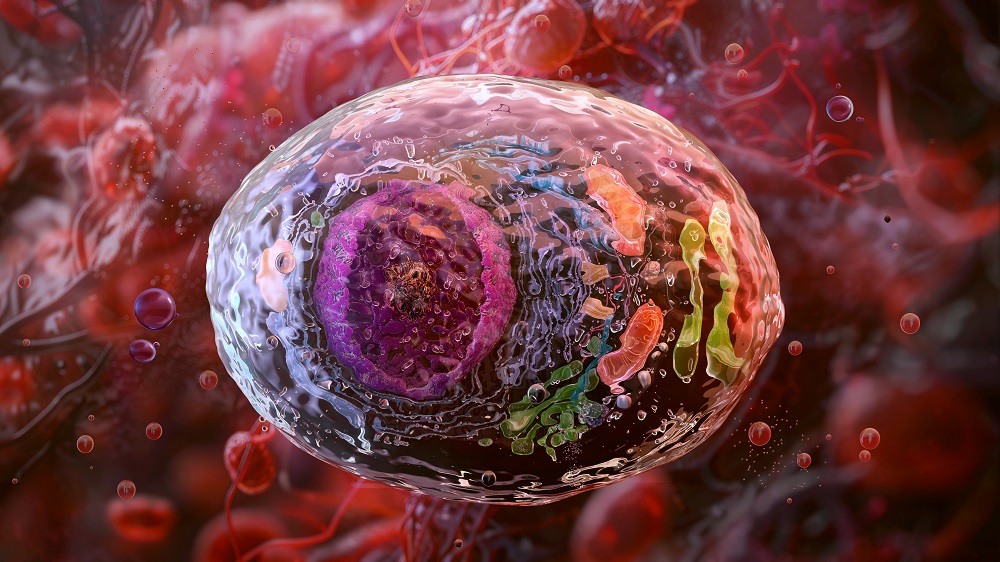
In a new study, an ingenious CRISPR-based tool was used to create CAR T cells in vivo instead of the usual in vitro approach. It showed higher efficacy across three cancer types, including a solid tumor [1]. CAR T therapies: promising but imperfect Ideally, T cells,

When Doctors Prescribe Horoscopes: The Trouble With Biological Age Tests
Imagine this pitch: a simple cheek swab or blood spot mailed from home tells you not your birthday but your “true” biological age – the number that supposedly reflects your real health trajectory. Patients increasingly walk into clinics clutching these reports, convinced they’ve discovered the secret
Meat Consumption May Benefit APOE4 Carriers
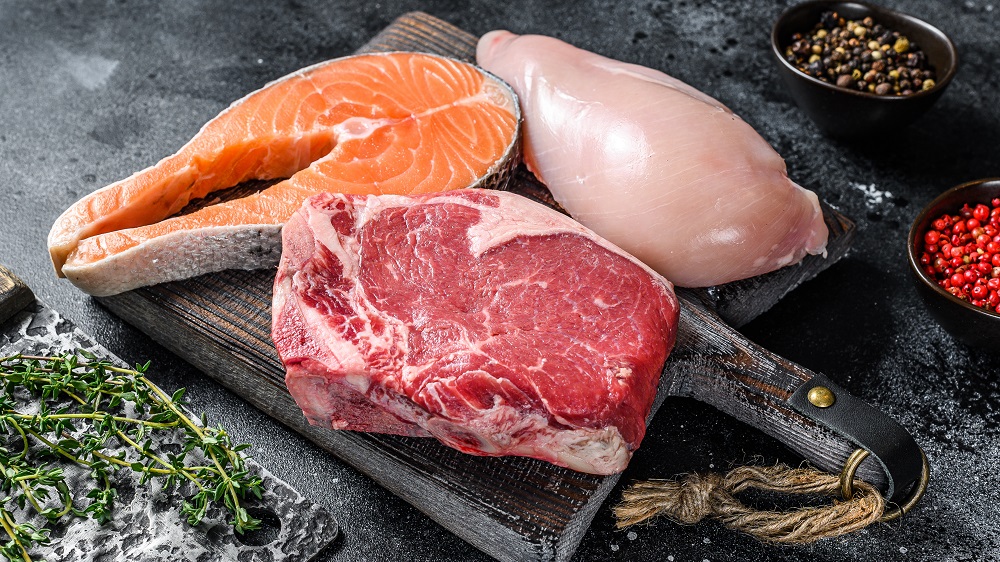
A new study has found a negative association between unprocessed meat consumption and cognitive decline in carriers of the “pro-Alzheimer’s” APOE ε4 allele. This counterintuitive connection might have something to do with human evolution [1]. The meat connection The APOE gene, which produces apolipoprotein E, a
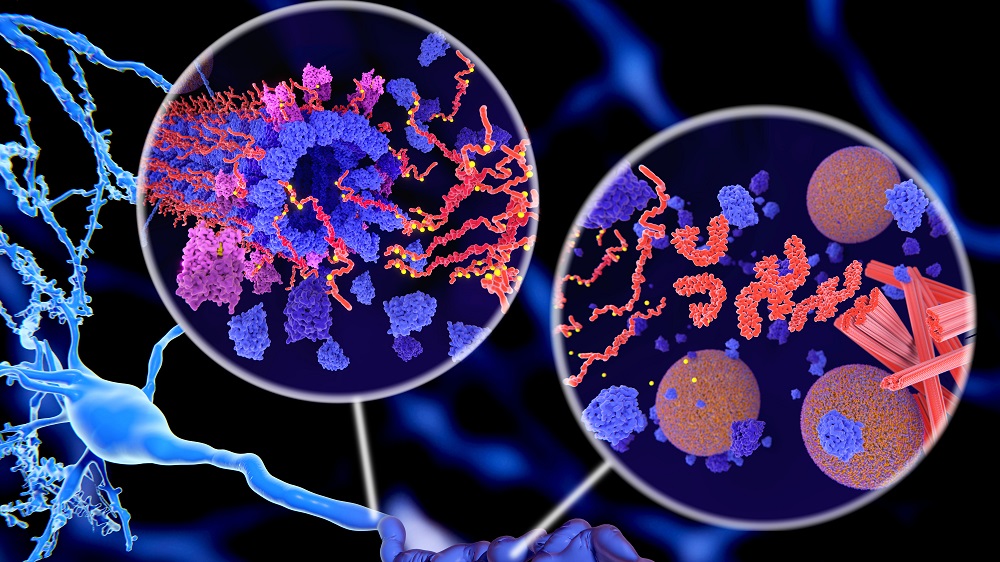
Using mRNA to Fight Tau Aggregation in Alzheimer’s
Researchers publishing in Cell Reports Medicine have described the development of a lipid nanoparticle (LNP) that delivers mRNA to neurons in order to stop the formation of tau aggregates and fight Alzheimer’s disease. Tau and amyloids Amyloid beta deposition between neurons and tau aggregation within neurons

Negative Interactions Are Associated With Faster Aging
A new study reported an association between having more problematic people in close networks and increased biological aging [1]. A look into the dark side Social connection has been discussed as a factor essential for well-being, reduced epigenetic aging, and inflammatory signaling [2, 3]. However, the
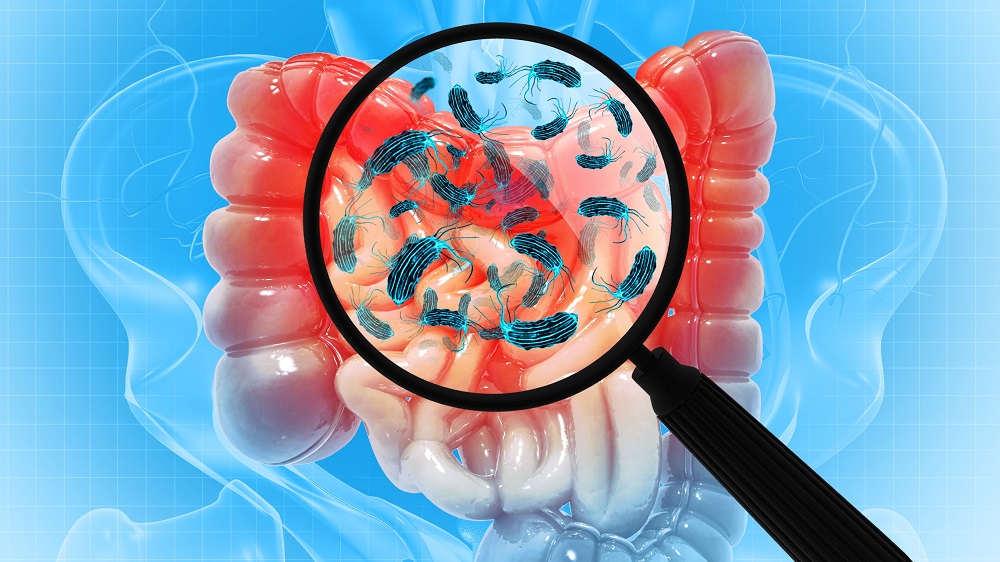
Study Links a Gut Bacterium to Increased Muscle Strength
Scientists have found a positive correlation between the abundance of the bacterium Roseburia inulinivorans in the gut and muscle strength in mice and humans, although the mechanism behind it is still unclear [1]. Can bacteria mimic exercise? As we age, we lose muscle mass and strength.
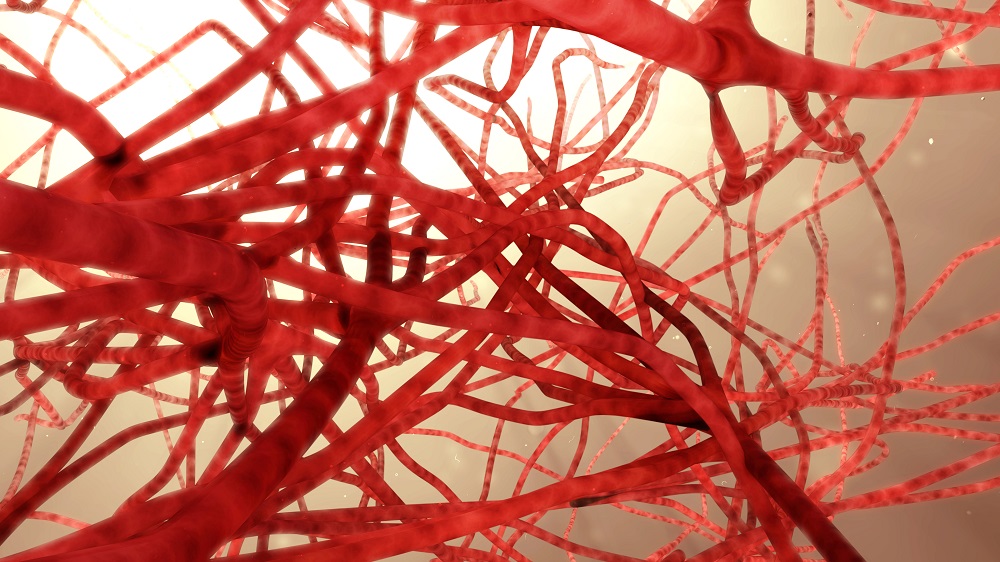
How Zinc Protects Injured Arteries From Accelerated Aging
Researchers publishing in Aging Cell have discovered that the nuclei of the cells that line injured arteries quickly become misshapen and that this leads to accelerated cellular senescence. Delivering zinc to these cells partially alleviates this dysmorphism. Two seemingly unrelated concepts This paper begins with a
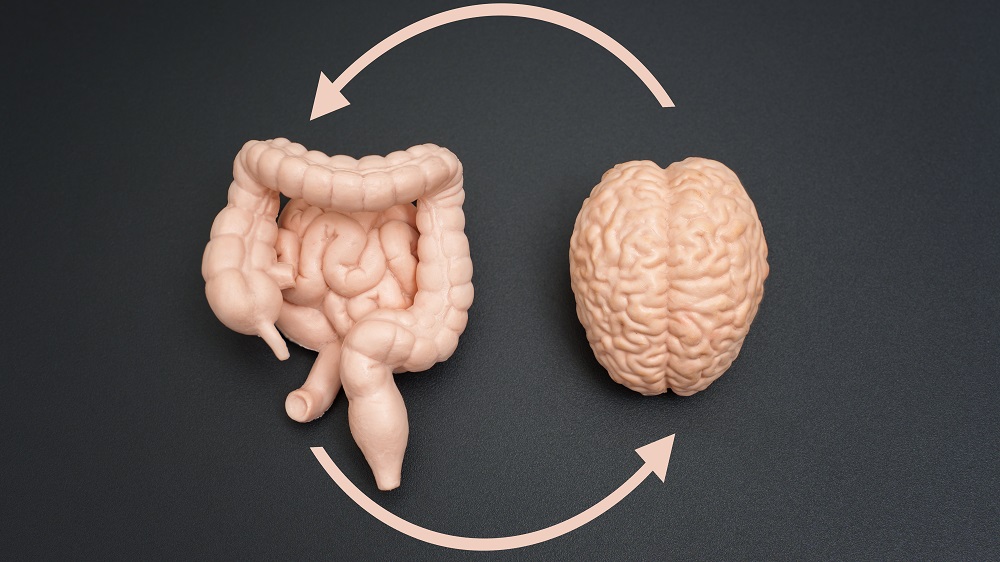
Gut Bacteria Might Affect Cognition via the Vagus Nerve
A new study suggests that microbiome remodeling is a mechanism behind age-related cognitive decline, with one particular bacterial species identified as the likely culprit. In mice, antibiotics seem to reverse this effect [1]. The gut-brain axis and the microbiome Memory decline is a common and debilitating
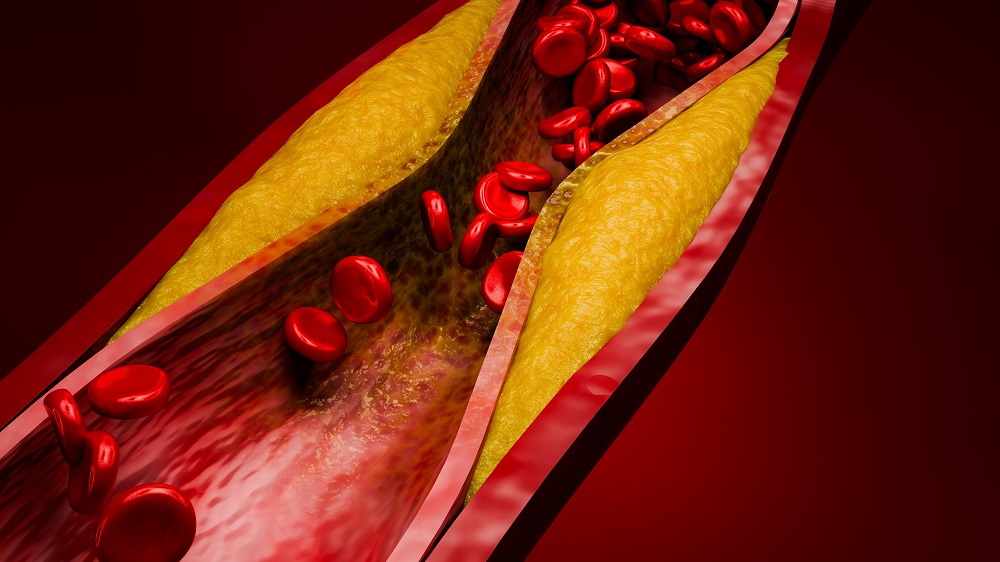
The Many Dangers of 7-Ketocholesterol
A group of researchers, including Matthew O’Connor of Cyclarity Therapeutics, has published a review detailing what effects 7-ketocholesterol (7KC) has in the human body. An oxidized cholesterol 7KC, an oxidized cholesterol (oxysterol) gets its name from being oxidized at the C7 position within the cholesterol molecule

People With Positive Outlooks Have Better Aging Outcomes
A recent study published in Geriatrics debunks the assumption that an older chronological age results in an inevitable and universal decline in health. The researchers reported that a significant number of older adults who participated in the study experienced an improvement in cognitive and/or physical functioning
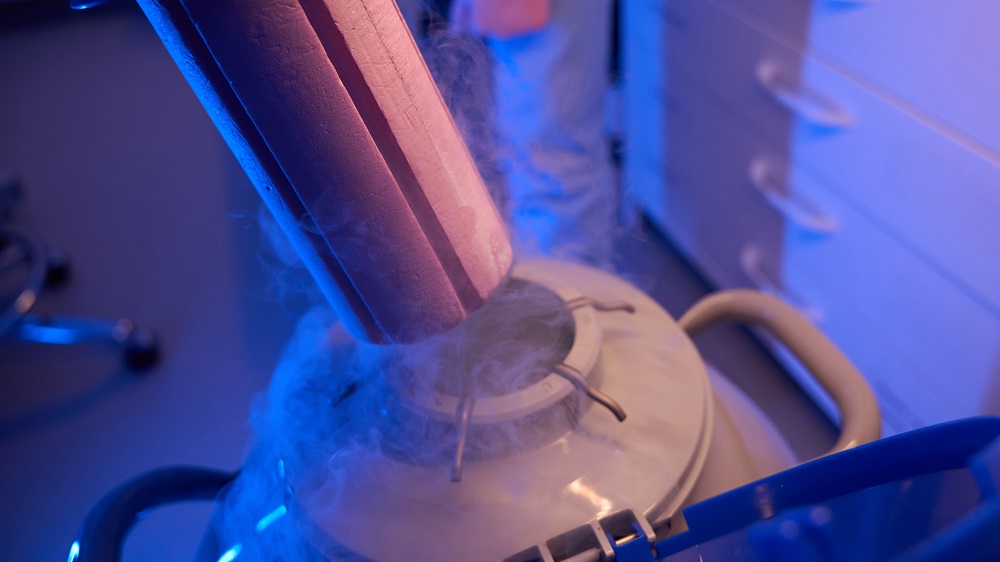
Scientists Successfully Freeze and Rewarm Mouse Brain Slices
In a new study, researchers have vitrified mouse brain slices and then a complete brain with encouraging results: upon rewarming, much of the neuronal function was preserved [1]. The bumpy road to cryopreservation Successful cryopreservation is a coveted prize in medicine, as cryopreserving organs and tissues
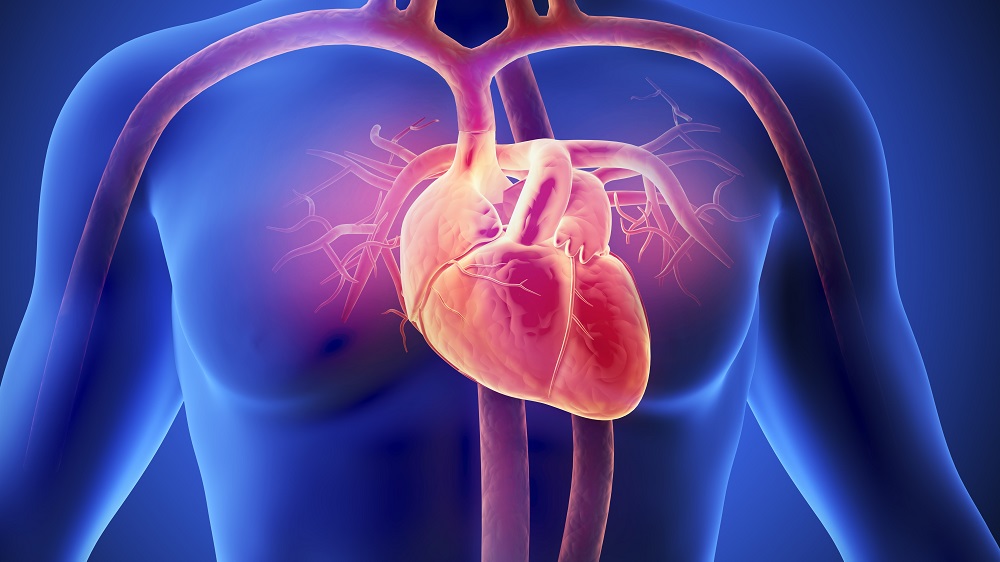
A Review of How the Heart Ages
The European Heart Journal has published a review of what happens to the human heart as it ages, noting the cellular effects of mitochondrial dysfunction and cellular senescence along with more visible changes such as hypertrophy and fibrosis. A constantly working organ The reviewers begin this
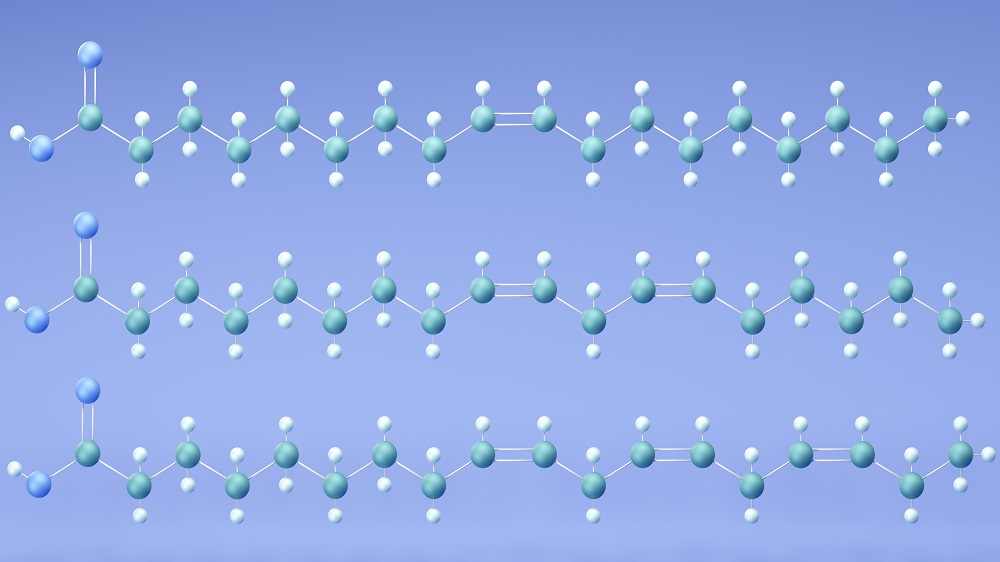
Fat Composition Affects T Cell-Mediated Immunity
Scientists have found that the ratio between poly- and monounsaturated fatty acids affects the viability of T cells as well as both humoral and anti-tumor immunity [1]. The iron death Some fats are broadly recognized as healthy while others are considered unhealthy, but the reality might
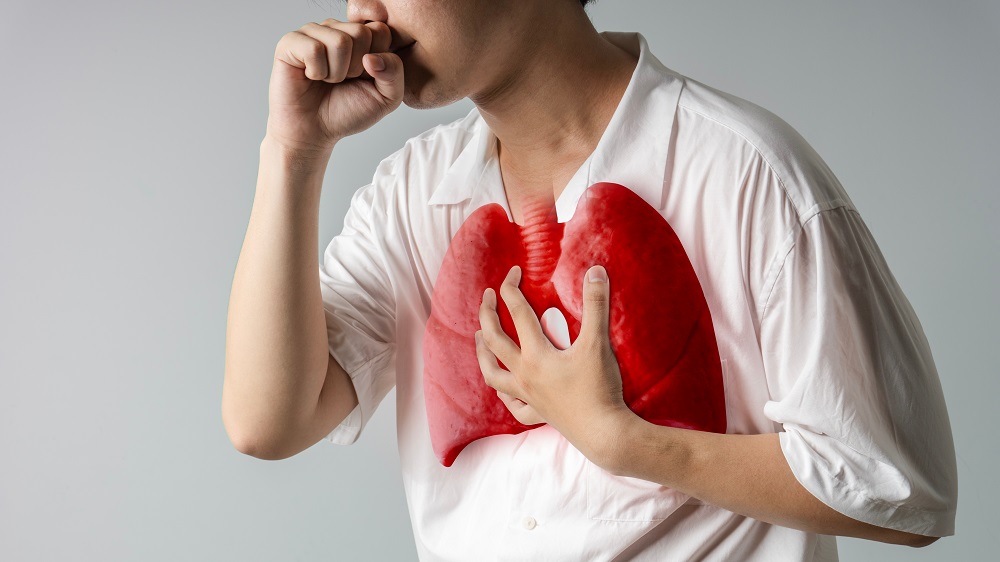
How Inflammaging Makes Pneumonia Worse in Mice
Researchers publishing in Aging Cell have discovered how older organisms’ susceptibility to pneumonia is related to inflammatory factors. Short-lived infection fighters Polymorphonuclear leukocytes, more commonly known as neutrophils, are part of the first line of defense against lung infections. Illnesses cause these immune cells to be