

December 19, 2025
Dr. Maximina Yun, principal investigator at Chinese Institutes for Medical Research in Beijing (CIMR), studies some of the most amazing animals in the world: salamanders, a group of amphibians that includes newts and species such as the universally loved axolotl. On top of being cute, salamanders possess unparalleled regeneration abilities for vertebrates, being able to...

May 28, 2025
A recent study investigated differences in maximum lifespan potential among different mammalian species. The researchers found associations between gene family size expansion, maximum lifespan potential, and relative brain size. They also studied genomic features linked to lifespan evolution [1]. Maximum lifespan potential Maximum lifespan potential can be defined as "the age at death (longevity) of...
September 24, 2024
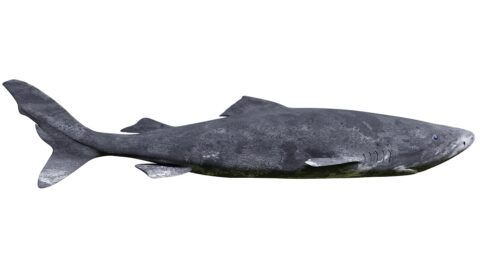
Scientists have compiled the most complete genome ever of the Greenland shark, an exceptionally long-lived species. Living up to 400 years probably has a lot to do with superior DNA repair mechanisms. Methuselahs of the sea Greenland sharks, giant, slow-moving abyss dwellers, hold the title of the longest-lived vertebrate. While estimating a wild species’ maximum...

May 30, 2024
The researchers of a previous controversial paper on the naked mole-rat's impressive longevity have returned, publishing data in GeroScience that bolsters their original findings. A darling of longevity The naked mole-rat, an unusually long-lived rodent species that lives in large colonies, has long been a mystery of gerontology, and investigations into its biology have yielded...

April 01, 2024
The quest for eternal youth, encapsulated in Dr. Malcolm's fictional yet profound declaration that "Life finds a way," mirrors humanity's age-old fascination with longevity. This fascination isn't new; as Nicolas Brendborg's "Jellyfish Age Backwards – Nature's Secrets to Longevity" expounds; it's as ancient as the epic tales of Ponce de Leon's mythical fountain of life...

July 19, 2023
Researchers have analyzed the activity of genes in the livers, kidneys, and brains of over a hundred mammals and found genes that are consistently associated with longevity [1]. The search for longevity-associated genes Between the shortest-living and the longest-living mammal, there is a more than 100-fold difference in lifespan. This natural difference may be key...