
March 17, 2026
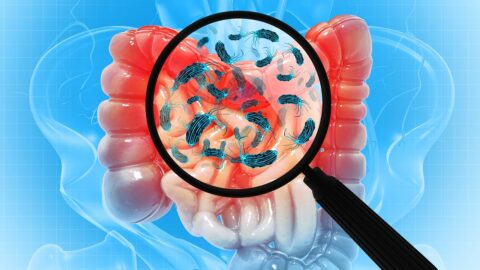
Scientists have found a positive correlation between the abundance of the bacterium Roseburia inulinivorans in the gut and muscle strength in mice and humans, although the mechanism behind it is still unclear [1]. Can bacteria mimic exercise? As we age, we lose muscle mass and strength. This decline is a major driver of frailty, disability,...
March 13, 2026
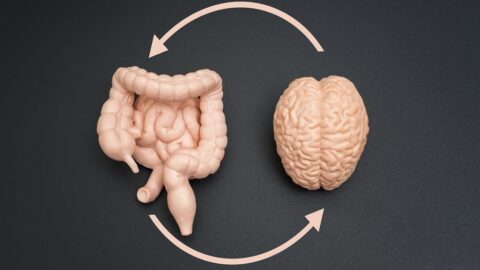
A new study suggests that microbiome remodeling is a mechanism behind age-related cognitive decline, with one particular bacterial species identified as the likely culprit. In mice, antibiotics seem to reverse this effect [1]. The gut-brain axis and the microbiome Memory decline is a common and debilitating feature of aging, but its mechanisms remain poorly understood....
February 11, 2026
Transferring microbiota from young to aged mice helped to restore molecular signaling necessary for proper intestinal function and improved the regenerative capacity of intestinal stem cells [1]. Everyday companions Bacteria, viruses, and other microbes are well-known as agents that cause disease and should be avoided. However, the microbes that make us sick, while more noticeable,...
January 05, 2026
Scientists have found that a single microbial species can blunt the negative effects of a high-fat diet due to the unique mix of lipids it produces [1]. They intend to identify its specific lipids in future work. Good neighbors The billions of gut microbes that we share our bodies with can profoundly influence our health....

August 29, 2025
Scientists have given three types of beer to artificially aged male mice and recorded numerous beneficial effects, including improvements in microbiome diversity and lipid profiles [1]. Can alcohol be healthy? While it is firmly established that excessive alcohol consumption negatively impacts health, debates around moderate consumption are still ongoing. Some researchers suggest that the healthy...
June 11, 2025
In a recent study that included data from humans, mice, and cell culture experiments, researchers demonstrated that gut microbes and their metabolites can profoundly influence the senescence of endothelial cells. They also explored the molecular processes underlying these changes [1]. Senescence in the blood vessels Endothelial cells line the inner surfaces of blood vessels, and...