





Kizoo Provides Seed Funding for Elastrin Therapeutics
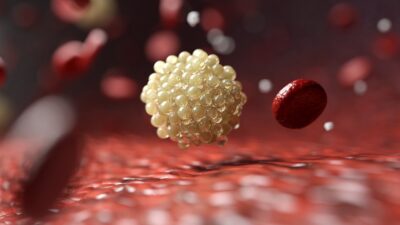
Rejuvenation biotechnology startup founder Kizoo has provided Elastrin, a company that focuses on removing calcification from tissue, with seed funding. The company Elastrin is named for elastin, which comprises the

Bioage Clinical Trial for Unexplained Anemia of Aging
BioAge, in a recent press release, has announced the start of its phase 2a clinical trial in elderly patients with unexplained anemia of aging. BioAge is a California-based company founded

A Summary of NAD+ and Human Aging – Part 1
This is part one of a two-part article where we take a look at NAD+ biology, its history, how it relates to the biology of aging, and the potential for

The Dog Aging Project Is Ready for Takeoff
Almost three years ago, Dr. Matt Kaeberlein, a Professor of Pathology and an Adjunct Professor of both Genome Sciences and Oral Health Sciences at the University of Washington in Seattle,

Rejuvenation Roundup February 2021
As rejuvenation research continues to grow and develop, so do we here at lifespan.io. This month’s Roundup features quite a few interesting studies along with things that we’re doing to

Digital Health Company Bold Lands $7 Million
Thanks to an injection of seed round cash, a new company, Bold, joins the growing pool of organizations that are focused on wellness and disease prevention. The rising interest in

Measuring Age With a Bloodborne Neural Protein
A new study shows that functional deterioration of the nervous system contributes to late-life mortality and identifies a related bloodborne biomarker for all-cause mortality [1]. Neurofilament light chain (NfL) is

ChromaDex $25 Million Sale of Common Stock
ChromaDex has recently announced that it has agreed a securities purchase agreement for the sale of $25 million of its common stock in a private placement. The private placement was

Longevity Pharmacology has Come of Age
A bold feature article published in Drug Discovery Today illustrates the coming of age of longevity pharmacology. Dr. João Pedro de Magalhães, one of the biggest names in longevity research,

SIRT3 Replenishment Reverses Lung Fibrosis in Mice
Scientists have successfully reversed persistent lung fibrosis in mice by overexpressing the SIRT3 protein in lung macrophages [1]. Fibrosis: not knowing when to stop Fibrosis may be the true apex

Humacyte in Deal to Develop Prosthetic Vasculature
Tissue engineering company Humacyte is about to make a special purpose acquisition company (SPAC) deal in order to go public. The company is developing bioengineered Human Acellular Vessels (HAVs), which

Atrophy of the Neuronal Circadian Clock Is a Disease of Aging
Today, researcher Victor Bjoerk talks us through his latest published paper, in which he describes a neurodegenerative disease that affects the circadian clock. A circadian clock disease With aging, the

The NIA Is Funding Clinical Trials Against Aging
The National Institutes of Aging in the United States, a component of the National Institutes of Health, is funding clinical trials for interventions that directly affect the root causes of

Replacing Aging With Jean Hébert
Replacing Aging by Jean Hébert is the latest longevity book published for public consumption. While books such as these seem to be coming out more regularly, readers who have already

Lessons from Longevity Therapeutics 2021 – Part 4
This is the final installment in our coverage of Longevity Therapeutics 2021, a conference that brought together some of the biggest names in longevity research. Read the previous parts here,

Kizoo Provides Seed Funding for Elastrin Therapeutics
Rejuvenation biotechnology startup founder Kizoo has provided Elastrin, a company that focuses on removing calcification from tissue, with seed funding. The company Elastrin is named for elastin, which comprises the fibers affected by this calcification. The company is using a proprietary antibody to deliver a nanoparticle-encased

Bioage Clinical Trial for Unexplained Anemia of Aging
BioAge, in a recent press release, has announced the start of its phase 2a clinical trial in elderly patients with unexplained anemia of aging. BioAge is a California-based company founded in 2015 with a very direct focus on aging. It utilizes a systems biology approach and

A Summary of NAD+ and Human Aging – Part 1
This is part one of a two-part article where we take a look at NAD+ biology, its history, how it relates to the biology of aging, and the potential for therapeutic interventions via the so-called NAD+ precursors. What is NAD+? Nicotinamide adenine dinucleotide (NAD) is a

The Dog Aging Project Is Ready for Takeoff
Almost three years ago, Dr. Matt Kaeberlein, a Professor of Pathology and an Adjunct Professor of both Genome Sciences and Oral Health Sciences at the University of Washington in Seattle, outlined the nascent Dog Aging Project (DAP) for our readers in an extensive interview. Along with

Rejuvenation Roundup February 2021
As rejuvenation research continues to grow and develop, so do we here at lifespan.io. This month’s Roundup features quite a few interesting studies along with things that we’re doing to make these studies more accessible to the public. LEAF News Developing Our Ethics Code of Longevity

Digital Health Company Bold Lands $7 Million
Thanks to an injection of seed round cash, a new company, Bold, joins the growing pool of organizations that are focused on wellness and disease prevention. The rising interest in wellness and healthy aging It’s no secret that the interest in digital health and wellness has

Measuring Age With a Bloodborne Neural Protein
A new study shows that functional deterioration of the nervous system contributes to late-life mortality and identifies a related bloodborne biomarker for all-cause mortality [1]. Neurofilament light chain (NfL) is a structural protein found in nerve cells. The nervous system has been implicated in aging and

ChromaDex $25 Million Sale of Common Stock
ChromaDex has recently announced that it has agreed a securities purchase agreement for the sale of $25 million of its common stock in a private placement. The private placement was led by an international investor, with ChromaDex agreeing to sell 3,846,153 shares of its common stock

Longevity Pharmacology has Come of Age
A bold feature article published in Drug Discovery Today illustrates the coming of age of longevity pharmacology. Dr. João Pedro de Magalhães, one of the biggest names in longevity research, outlined some of the great strides taken in the last two decades, as various discoveries have

SIRT3 Replenishment Reverses Lung Fibrosis in Mice
Scientists have successfully reversed persistent lung fibrosis in mice by overexpressing the SIRT3 protein in lung macrophages [1]. Fibrosis: not knowing when to stop Fibrosis may be the true apex predator of humanity. According to one study, fibrotic diseases that cause organ failure are responsible for

Humacyte in Deal to Develop Prosthetic Vasculature
Tissue engineering company Humacyte is about to make a special purpose acquisition company (SPAC) deal in order to go public. The company is developing bioengineered Human Acellular Vessels (HAVs), which provide prosthetic vasculature to support the repair, reconstruction, and replacement of blood vessels damaged by injury

Atrophy of the Neuronal Circadian Clock Is a Disease of Aging
Today, researcher Victor Bjoerk talks us through his latest published paper, in which he describes a neurodegenerative disease that affects the circadian clock. A circadian clock disease With aging, the brain runs into multiple issues; however, some are more serious than others and cause disease symptoms

The NIA Is Funding Clinical Trials Against Aging
The National Institutes of Aging in the United States, a component of the National Institutes of Health, is funding clinical trials for interventions that directly affect the root causes of age-related diseases. Direct funding for trials against aging Probably the most important and interesting part of

Replacing Aging With Jean Hébert
Replacing Aging by Jean Hébert is the latest longevity book published for public consumption. While books such as these seem to be coming out more regularly, readers who have already tackled David Sinclair’s Lifespan, Nir Barzilai’s Age Later, or Aubrey De Grey’s Ending Aging shouldn’t simply

Lessons from Longevity Therapeutics 2021 – Part 4
This is the final installment in our coverage of Longevity Therapeutics 2021, a conference that brought together some of the biggest names in longevity research. Read the previous parts here, here, and here. Dr. Andrei Gudkov – Chief Scientific Officer, Genome Protection Andrei Gudkov gave a