




The Timing of Meals Matters for Biological Aging
A recent study investigated a connection between the timing of meals and the rate of biological aging. These findings suggest that later timing of the first and last meals is
Building A Global Ecosystem To Advance Research That Will Overcome Age-Related Disease And Extend Healthy Human Lifespan
By joining the Lifespan community, you’ll be part of a growing movement working to advance cutting-edge research, shape public understanding, and build the foundations for lasting impact in the field of longevity science. Whether you’re a scientist, supporter, or simply care about the future of human health, your voice helps move the field forward.
Lifespan Research Institute is focused on strategically driving forward science to extend healthy human lifespan through advocacy, ecosystem building, and direct support of cutting edge research into the root causes of aging.
Age-related diseases such as Alzheimer’s, heart disease, and cancer, cause untold harm, both in terms of personal suffering and socio-economic effects. Like treating the trunk of a tree as opposed to its various branches, it is a much more effective strategy to treat age-related maladies by addressing the process that is at the heart of them all, the aging process itself.
We conduct targeted scientific research with the explicit goal of accelerating the development of therapies that address the root causes of aging.
Our educational programs offer several options for students interested in engaging with our mission of preventing age-related diseases.
Through our investor network, we catalyze private investment in biotechnology companies developing interventions that target the root mechanisms of aging.
We make the ground fertile for the entire field through advocacy initiatives that foster societal change, increasing available public and private funding for aging research.


A recent study investigated a connection between the timing of meals and the rate of biological aging. These findings suggest that later timing of the first and last meals is

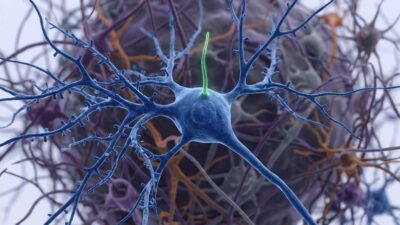
The pro-Alzheimer’s allele APOE4 makes hippocampal neurons in mice smaller and hyperexcitable. This effect, which resembles epilepsy and accelerated aging, can be mitigated by manipulating a neuronal protein [1]. Before

Researchers have discovered a potential treatment for post-operative delirium, which accelerates cognitive decline in older people. A common problem with long-term effects Roughly a quarter of older people suffer from
Advancing scientific understanding and community engagement in aging and longevity.
This study identifies an aberrant localization of the protein LAMP1 on the surface of senescent cells. Cells that presented LAMP1 on the surface showed clear signs of having a senescent/aged phenotype. The team was able to target LAMP1 on the surface of senescent cells to eliminate them.
Lifespan Research Institute is seeking volunteers for blood donations. Your participation will help advance our understanding of the immune system and mitochondrial biology in aging.
Keith Comito presents at the Longevity Biomarker Summit, organized by Rejuve.Ai and hosted at Infinita City, Roatán, on February 6-8, 2026. In this talk, Keith describes emerging technologies capable of developing fast, cheap, and reliable digital biomarkers utilizing voice, face, and gait analysis, based on easy-to-collect audio and video data.
At the A4LI DC Summit Event, Keith Comito moderated the panel “Aging Populations: A Geopolitical Perspective” with Niklas Anzinger, Mac Davis, and Jasmine Smith, exploring how global demographic shifts toward aging populations impact societies, economies, and international cooperation.

[Mountain View, September 17, 2025] — Lifespan Research Institute (LRI) today announced the launch of the Public Longevity Group (PLG), a new initiative focused on bridging the cultural gap between

Mountain View, California — Lifespan Research Institute, a nonprofit leader in longevity science and advocacy, announces the launch of the Lifespan Alliance, a sponsorship initiative uniting mission-driven companies and visionary

Scientists from the Lifespan Research Institute have discovered that a subset of T cells effectively targets senescent cells and improves outcomes in a mouse model of idiopathic pulmonary fibrosis [1].