




A New Resource for Developing Interventions to Treat Aging
Researchers at the Buck Institute for Research on Aging have published the results of a longitudinal and functional study of 700 aging mice [1]. The study took several years to

Rapamycin is Not a Caloric Restriction Mimetic
Although rapamycin reliably extends lifespan in a range of organisms, new research shows that it does not achieve this via the same pathways as caloric restriction [1]. Understanding how the

Causes and Solutions for Gray Hair
By our late 30s, most of us have a growing number of gray hairs. They just show up one day, unannounced, and they continue to hang out, usually unwelcomed. Then,

Cellvie Raises $5 Million for Mitochondrial Therapeutics
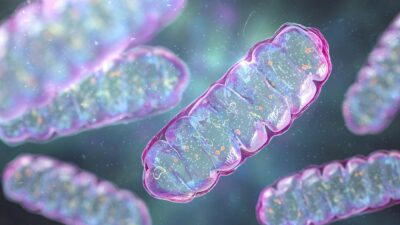
The mitochondria are an important target in aging, as their age-related dysfunction is thought to be a reason we age. These tiny power stations living in our cells do a

Age-related Decline in Cellular Stress Response Alleviated
Scientists have successfully reversed the decline in cellular stress response in drosophila flies [1]. Our cells rely on epigenetic regulation to do their various jobs: while a muscle cell has
Glucosamine May Be a Caloric Restriction Mimetic
Glucosamine is a polysaccharide that naturally occurs in cartilaginous joint tissues and is involved in protein and lipid synthesis. Glucosamine is also present in other tissues, such as skin, nails,

Senolytics Alleviate Age‐Related Cognitive Decline
A new study by a team of researchers, including Dr. Kirkland of Mayo Clinic, shows the effect of whole-body senolytic treatment on the health and function of the brain. This

Partial Reprogramming Rejuvenates Human Cells by 30 Years
Researchers from the Reik lab at the Babraham Institute have used the four Yamanaka reprogramming factors (OSKM) in order to epigenetically rejuvenate cells by 30 years, according to one epigenetic

Investigating the Link Between COVID-19 and Telomeres
New research published in Aging has analyzed the telomeres of patients hospitalized due to COVID-19. As the COVID-19 pandemic has spread rapidly across the globe, many researchers have pivoted their

AI Identifies Senescent Cells and Tests New Drugs
A group of scientists has created a neural network that identifies senescent cells by their morphology and can be used for senolytic drug screening [1]. Image recognition is a showcase

Alpha-Ketoglutarate Delays Age‐Related Fertility Decline
Alpha-ketoglutarate (AKG) is a popular dietary and sports supplement frequently used in the bodybuilding world, but interest in this molecule has more recently reached the aging research field for its

Looking Forward to a Productive 2021 in Aging Research
The world of rejuvenation biotechnology is a rapidly changing and ever developing place. As with any disruptive technology, the challenges are significant and include not only the technical aspects of

A Genetic Pathway for Preventing Hearing Loss
Activation of a genetic pathway controlled by the NRF2 gene reduces age-related hearing loss, according to a new study [1]. In the long run, drugs or treatments that target this

NOVOS Explains Its New Nutraceutical
NOVOS is a nutraceutical company focused on developing science-based nutraceuticals to slow down aging and will offer tests to track people’s aging processes to get a better picture of their
Senescent Cells Recruit Sympathetic Nerves
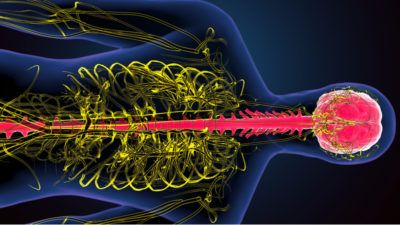
Researchers publishing in Frontiers of Aging Neuroscience Journal have discovered a new way in which senescent cells contribute to aging and chronic disease. The sympathetic nervous system in age-related diseases

A New Resource for Developing Interventions to Treat Aging
Researchers at the Buck Institute for Research on Aging have published the results of a longitudinal and functional study of 700 aging mice [1]. The study took several years to complete, with five of the labs at the Buck collaborating. As part of this detailed study,

Rapamycin is Not a Caloric Restriction Mimetic
Although rapamycin reliably extends lifespan in a range of organisms, new research shows that it does not achieve this via the same pathways as caloric restriction [1]. Understanding how the two processes differ and interact could help researchers eventually piece together the longevity puzzle. Caloric or

Causes and Solutions for Gray Hair
By our late 30s, most of us have a growing number of gray hairs. They just show up one day, unannounced, and they continue to hang out, usually unwelcomed. Then, they multiply, steadily, inexorably. That little party becomes a larger party, and eventually the party takes

Cellvie Raises $5 Million for Mitochondrial Therapeutics
The mitochondria are an important target in aging, as their age-related dysfunction is thought to be a reason we age. These tiny power stations living in our cells do a wonderful job producing energy and keeping us alive, but, as we age, they become increasingly dysfunctional

Age-related Decline in Cellular Stress Response Alleviated
Scientists have successfully reversed the decline in cellular stress response in drosophila flies [1]. Our cells rely on epigenetic regulation to do their various jobs: while a muscle cell has the same genome as a liver cell, the difference in gene expression is what sets them
Glucosamine May Be a Caloric Restriction Mimetic
Glucosamine is a polysaccharide that naturally occurs in cartilaginous joint tissues and is involved in protein and lipid synthesis. Glucosamine is also present in other tissues, such as skin, nails, bones, and ligaments. Synovial fluid contains glucosamine and occupies the space between joints, helping to reduce

Senolytics Alleviate Age‐Related Cognitive Decline
A new study by a team of researchers, including Dr. Kirkland of Mayo Clinic, shows the effect of whole-body senolytic treatment on the health and function of the brain. This follows up on previous Mayo Clinic research led by Dr. James Kirkland. That experiment treated mice

Partial Reprogramming Rejuvenates Human Cells by 30 Years
Researchers from the Reik lab at the Babraham Institute have used the four Yamanaka reprogramming factors (OSKM) in order to epigenetically rejuvenate cells by 30 years, according to one epigenetic clock. Reprogramming just beyond the threshold Previous experiments have shown that while exposing cells to the

Investigating the Link Between COVID-19 and Telomeres
New research published in Aging has analyzed the telomeres of patients hospitalized due to COVID-19. As the COVID-19 pandemic has spread rapidly across the globe, many researchers have pivoted their existing research to help characterize and fight the disease. Longevity researchers have been particularly interested in

AI Identifies Senescent Cells and Tests New Drugs
A group of scientists has created a neural network that identifies senescent cells by their morphology and can be used for senolytic drug screening [1]. Image recognition is a showcase triumph of artificial intelligence. While this problem was considered extremely hard to crack in previous decades,

Alpha-Ketoglutarate Delays Age‐Related Fertility Decline
Alpha-ketoglutarate (AKG) is a popular dietary and sports supplement frequently used in the bodybuilding world, but interest in this molecule has more recently reached the aging research field for its potential to slow down aging. AKG is a naturally occurring endogenous intermediary metabolite, which means that

Looking Forward to a Productive 2021 in Aging Research
The world of rejuvenation biotechnology is a rapidly changing and ever developing place. As with any disruptive technology, the challenges are significant and include not only the technical aspects of developing these technologies but also the hurdles of societal acceptance of the desirability of longer, healthier

A Genetic Pathway for Preventing Hearing Loss
Activation of a genetic pathway controlled by the NRF2 gene reduces age-related hearing loss, according to a new study [1]. In the long run, drugs or treatments that target this pathway could help us keep our hearing sharp as we get older. It’s getting harder and

NOVOS Explains Its New Nutraceutical
NOVOS is a nutraceutical company focused on developing science-based nutraceuticals to slow down aging and will offer tests to track people’s aging processes to get a better picture of their health. The company offers two nutraceutical products, NOVOS Core and NOVOS Boost. Core contains 12 ingredients

Senescent Cells Recruit Sympathetic Nerves
Researchers publishing in Frontiers of Aging Neuroscience Journal have discovered a new way in which senescent cells contribute to aging and chronic disease. The sympathetic nervous system in age-related diseases Our nervous systems are divided into the central nervous system, which consists of the brain and