




A Blood Factor Boosts Neurogenesis and Cognition
By now, the race to discover regenerative factors present in blood has been underway for a number of years, with numerous researchers seeking a “secret sauce” in blood that has

Trimethylamine May be Involved in Vascular Aging
Researchers suggest that trimethylamine, a metabolic byproduct that is created when bacteria in the gut break down foods such as red meat, may be a key player in vascular aging.

Selectivity of the Blood-Brain Barrier Changes with Age
The mechanisms at work in the blood-brain barrier change with age, affecting the selectivity of this vital interface. The blood-brain barrier The blood-brain barrier is a layer of cells in

Frailty and Age-Related Immune Decline Reversed in Mice
Frailty and the decline of the immune system are two typical features of aging, but new research shows that both can be halted and even somewhat reversed using a novel

Repetitions in Our DNA React to Anti-Aging Interventions
A group of scientists from Colorado State University has discovered that repetitive elements (REs) in our DNA increase with aging and react to known longevity-promoting interventions [1]. Are REs genomic

Edwina Rogers – Effective Advocacy for Longevity
We had the opportunity to interview Edwina Rogers, CEO of the Global Healthspan Policy Institute and a professional public health advocate supporting aging research. Edwina has degrees in corporate finance

Parkinson’s Disease Symptoms Reversed in Mice
Researchers have found that blocking the activity of a single gene causes other cell types to become dopamine-producing neurons, a type of neuron that Parkinson’s disease destroys. What is Parkinson’s

Two Proteins Allow LDL Cholesterol into Our Cells
Researchers have found out how LDL cholesterol is able to enter our cells with the help of two proteins that form a doorway into the cell. The findings have ramifications

Rejuvenation Roundup June 2020
This has been a productive month for rejuvenation biotechnology companies, longevity researchers, and us here at lifespan.io. Let’s take a look at what’s happened in June. LEAF News Why I

Pilot Study Results Suggest Epigenetic Age Reversal
Today, we want to highlight a press release from Ponce de Leon Health that talks about the results of a pilot consumer trial that the company has recently concluded. The

New Evidence of Common Genetic Causes in Age-Related Diseases
By using a large UK health databank and advanced methods of statistical analysis, scientists have discovered genetic ties between various age-related diseases and proposed several candidate drugs for upstream intervention.

A Biomarker Based on Senescent Cell Secretions
Researchers have published a new study suggesting that some of the inflammatory signals secreted by senescent cells could be used as a biomarker to measure aging and health. What are
Nanoparticles Deliver Twin Drug Payload for Atherosclerosis
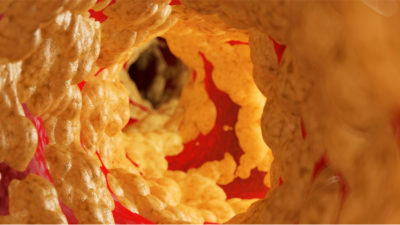
Cyclodextrins have been of particular interest in the context of treating atherosclerosis, so today we want to highlight some interesting research that uses a novel delivery method to combat this

Reversing Atherosclerosis by Resetting Gut Bacteria
A new study has seen researchers alter the balance of harmful bacteria in the gut microbiome to reduce cholesterol and reverse atherosclerosis in mice fed a high-fat Western diet. What

A Strong Link Between Alzheimer’s and Senescence
In a recent study, researchers from the Buck Institute have shown that cellular senescence, one of the hallmarks of aging, is partially responsible for Alzheimer’s disease. Cellular senescence is unusual

A Blood Factor Boosts Neurogenesis and Cognition
By now, the race to discover regenerative factors present in blood has been underway for a number of years, with numerous researchers seeking a “secret sauce” in blood that has the potential to rejuvenate aged tissues and organs. A fork in the road It is clear

Trimethylamine May be Involved in Vascular Aging
Researchers suggest that trimethylamine, a metabolic byproduct that is created when bacteria in the gut break down foods such as red meat, may be a key player in vascular aging. Trimethylamine and vascular aging Some researchers believe that trimethylamine damages our arteries, according to a new

Selectivity of the Blood-Brain Barrier Changes with Age
The mechanisms at work in the blood-brain barrier change with age, affecting the selectivity of this vital interface. The blood-brain barrier The blood-brain barrier is a layer of cells in the blood vessels of the brain that prevents molecules in the blood from crossing into the

Frailty and Age-Related Immune Decline Reversed in Mice
Frailty and the decline of the immune system are two typical features of aging, but new research shows that both can be halted and even somewhat reversed using a novel cell-based therapy. Frailty and immunosenescence Frailty is something that frequently affects older people, and it ultimately

Repetitions in Our DNA React to Anti-Aging Interventions
A group of scientists from Colorado State University has discovered that repetitive elements (REs) in our DNA increase with aging and react to known longevity-promoting interventions [1]. Are REs genomic parasites? At the dawn of genomic research scientists were stunned to learn that as much as

Edwina Rogers – Effective Advocacy for Longevity
We had the opportunity to interview Edwina Rogers, CEO of the Global Healthspan Policy Institute and a professional public health advocate supporting aging research. Edwina has degrees in corporate finance and law. She worked for four U.S. Presidents and two U.S. Senators, helping to shape national

Parkinson’s Disease Symptoms Reversed in Mice
Researchers have found that blocking the activity of a single gene causes other cell types to become dopamine-producing neurons, a type of neuron that Parkinson’s disease destroys. What is Parkinson’s disease? Parkinson’s disease is a progressive, age-related, neurodegenerative disease that mainly affects the motor system and

Two Proteins Allow LDL Cholesterol into Our Cells
Researchers have found out how LDL cholesterol is able to enter our cells with the help of two proteins that form a doorway into the cell. The findings have ramifications for treating heart disease, which is currently the world’s greatest killer. Revealing how LDL gets into

Rejuvenation Roundup June 2020
This has been a productive month for rejuvenation biotechnology companies, longevity researchers, and us here at lifespan.io. Let’s take a look at what’s happened in June. LEAF News Why I Am Still Future Positive on My Birthday: Board member Steve Hill shares his musings on his

Pilot Study Results Suggest Epigenetic Age Reversal
Today, we want to highlight a press release from Ponce de Leon Health that talks about the results of a pilot consumer trial that the company has recently concluded. The company claims that it has been successful in reducing the epigenetic age of participants by an

New Evidence of Common Genetic Causes in Age-Related Diseases
By using a large UK health databank and advanced methods of statistical analysis, scientists have discovered genetic ties between various age-related diseases and proposed several candidate drugs for upstream intervention. Building age-of-onset profiles of diseases The very fact that multitudes of age-related diseases (ARDs) exist alludes

A Biomarker Based on Senescent Cell Secretions
Researchers have published a new study suggesting that some of the inflammatory signals secreted by senescent cells could be used as a biomarker to measure aging and health. What are senescent cells? As you age, increasing numbers of your cells enter into a state known as

Nanoparticles Deliver Twin Drug Payload for Atherosclerosis
Cyclodextrins have been of particular interest in the context of treating atherosclerosis, so today we want to highlight some interesting research that uses a novel delivery method to combat this disease. Nanoparticles improve drug delivery Cyclodextrins describe a group of cyclic oligosaccharides, which have a varied

Reversing Atherosclerosis by Resetting Gut Bacteria
A new study has seen researchers alter the balance of harmful bacteria in the gut microbiome to reduce cholesterol and reverse atherosclerosis in mice fed a high-fat Western diet. What is the gut microbiome? The gut microbiome describes the varied community of bacteria, archaea, eukarya, and

A Strong Link Between Alzheimer’s and Senescence
In a recent study, researchers from the Buck Institute have shown that cellular senescence, one of the hallmarks of aging, is partially responsible for Alzheimer’s disease. Cellular senescence is unusual in the brain. As the researchers explain, the normal method for determining whether or not a