


The Gut Microbiome’s Influence on Skeletal Muscle Mass
Researcher Dr. Michael Lustgarten has recently published a compact and very readable review that focuses on the role of the gut microbiome and its influence on skeletal muscle mass. The
Positive Results of a Human Trial for Skin Aging
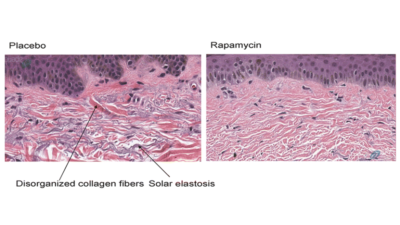
The results of a small human clinical trial focused on skin aging have been published, and they are positive. A topical application of rapamycin, an FDA-approved drug that is used

Irresponsible Marketing Surrounds Telomerase Trials
Recently, Libella Gene Therapeutics has announced that it will be running a patient-paid trial in Colombia with an eye-watering $1 million USD price tag on enrollment. Patient-paid trial likely to

Gut Microbes Promote Neurogenesis and Longevity Hormone
The relationship between health and the microorganisms living in the gut has increasingly reached the spotlight in the last few years, and a new study led by researchers at Nanyang

Disappointing Results for ResTORbio Human Trial
ResTORbio announced on Friday 15th that its current phase 3 drug trial for respiratory tract infections did not achieve its primary goal. The drug showed promise in earlier phases of

Excluding Oct4 from OSKM Yields Positive Results
A recent open-access study published in Cell Stem Cell has shown that excluding Oct4 from the OSKM cocktail reduces epigenetic aberrations and off-target gene activation. Induced pluripotency and Yamanaka factors

Combination Gene Therapy Treats Many Age-Related Diseases
A team of researchers, including renowned geneticist Professor George Church, has published a new paper demonstrating the mitigation of multiple age-related diseases using a multi-target gene therapy. Treating multiple age-related
Tweaking Gut Bacteria to Reduce Cognitive Decline
A new paper explores adjusting the types of bacteria in the gut as a potential way to improve health in older people. The microbiome The gut microbiome is a fascinating

Dr. Greg Fahy Appears on The Damage Report
Dr. Greg Fahy, Chief Scientific Officer of Intervene Immune, has recently appeared on The Damage Report, a news and current events show that is part of The Young Turks (TYT)

A New Healthcare Framework for Aging Populations
A new publication by an international team of scientists has proposed a new healthcare framework to help older people stay healthier for longer by improving the development of therapies that

Ronald Kohanski of the NIA Discusses Potential Therapies
It was a pleasure speaking to Dr. Ronald Kohanski at the 2019 Ending Age-Related Diseases conference. Dr. Kohanski joined the field of aging research in 2005 as a Program Officer

DNA Damage Leads to Epigenetic Alterations
A team of researchers, including Dr. David Sinclair, has recently made a new study available as a preprint prior to peer review and publication in the journal Cell. DNA damage

GenSight Biologics Releases Further Trial Data
GenSight Biologics has recently released data showing the effectiveness of GS010, the company’s gene therapy for Leber Hereditary Optic Neuropathy (LHON), a mitochondrial disease that can lead to blindness. Like

Justin Rebo on BioAge and Biotech
At the Ending Age-Related Diseases 2019 Conference in New York City, we had the opportunity to interview Dr. Justin Rebo from the drug discovery biotech company BioAge. BioAge is developing

Rejuvenation Roundup September 2019
With a new month ahead and an old one behind, it’s again time to review the latest news and progress in the field of rejuvenation biotechnology. There’s a number of

The Gut Microbiome’s Influence on Skeletal Muscle Mass
Researcher Dr. Michael Lustgarten has recently published a compact and very readable review that focuses on the role of the gut microbiome and its influence on skeletal muscle mass. The gut microbiome The microbiome describes a varied community of bacteria, archaea, eukarya, and viruses that inhabit

Positive Results of a Human Trial for Skin Aging
The results of a small human clinical trial focused on skin aging have been published, and they are positive. A topical application of rapamycin, an FDA-approved drug that is used to combat organ rejection during donor transplants and targets the mechanistic target of rapamycin (mTOR) pathway,

Irresponsible Marketing Surrounds Telomerase Trials
Recently, Libella Gene Therapeutics has announced that it will be running a patient-paid trial in Colombia with an eye-watering $1 million USD price tag on enrollment. Patient-paid trial likely to cause backlash The topic of patient-paid trials often stirs up considerable debate among the research community,

Gut Microbes Promote Neurogenesis and Longevity Hormone
The relationship between health and the microorganisms living in the gut has increasingly reached the spotlight in the last few years, and a new study led by researchers at Nanyang Technological University, Singapore (NTU Singapore) sheds more light on the gut microbiome and how it can

Disappointing Results for ResTORbio Human Trial
ResTORbio announced on Friday 15th that its current phase 3 drug trial for respiratory tract infections did not achieve its primary goal. The drug showed promise in earlier phases of testing, but sadly failed to reduce the incidence of respiratory tract infections in patients aged 65

Excluding Oct4 from OSKM Yields Positive Results
A recent open-access study published in Cell Stem Cell has shown that excluding Oct4 from the OSKM cocktail reduces epigenetic aberrations and off-target gene activation. Induced pluripotency and Yamanaka factors Pluripotent stem cells are cells that can become other cell types in the body; during natural

Combination Gene Therapy Treats Many Age-Related Diseases
A team of researchers, including renowned geneticist Professor George Church, has published a new paper demonstrating the mitigation of multiple age-related diseases using a multi-target gene therapy. Treating multiple age-related diseases at once George Church is a very prominent figure in genetics and aging research, and
Tweaking Gut Bacteria to Reduce Cognitive Decline
A new paper explores adjusting the types of bacteria in the gut as a potential way to improve health in older people. The microbiome The gut microbiome is a fascinating and diverse ecosystem filled with a myriad of bacteria, archaea, protists, fungi, and viruses that interact

Dr. Greg Fahy Appears on The Damage Report
Dr. Greg Fahy, Chief Scientific Officer of Intervene Immune, has recently appeared on The Damage Report, a news and current events show that is part of The Young Turks (TYT) network. Hosts John Iadarola and Brooke Thomas talked with Dr. Fahy about the recent positive results

A New Healthcare Framework for Aging Populations
A new publication by an international team of scientists has proposed a new healthcare framework to help older people stay healthier for longer by improving the development of therapies that target age-related diseases. Society is aging, and we need to change healthcare for the better This

Ronald Kohanski of the NIA Discusses Potential Therapies
It was a pleasure speaking to Dr. Ronald Kohanski at the 2019 Ending Age-Related Diseases conference. Dr. Kohanski joined the field of aging research in 2005 as a Program Officer for the Division of Aging Biology at the National Institute on Aging. He moved on to

DNA Damage Leads to Epigenetic Alterations
A team of researchers, including Dr. David Sinclair, has recently made a new study available as a preprint prior to peer review and publication in the journal Cell. DNA damage and the double-strand break Two of the primary hallmarks of aging are genomic instability, which consists

GenSight Biologics Releases Further Trial Data
GenSight Biologics has recently released data showing the effectiveness of GS010, the company’s gene therapy for Leber Hereditary Optic Neuropathy (LHON), a mitochondrial disease that can lead to blindness. Like in previous studies, this therapy had a bilateral effect. Gene Therapy In LHON, the mitochondrial protein

Justin Rebo on BioAge and Biotech
At the Ending Age-Related Diseases 2019 Conference in New York City, we had the opportunity to interview Dr. Justin Rebo from the drug discovery biotech company BioAge. BioAge is developing a drug discovery platform that uses machine learning and artificial intelligence to discover targets that have

Rejuvenation Roundup September 2019
With a new month ahead and an old one behind, it’s again time to review the latest news and progress in the field of rejuvenation biotechnology. There’s a number of past events to look back upon, including Age-Related Diseases 2019, and upcoming ones to look forward