







Glucose and the Gut Microbiome
Somewhat serendipitously, Salk Institute researchers discovered that depleting the microbiomes of mice causes the animals to have lower levels of blood glucose as well as improved insulin sensitivity [1]. Abstract

Samumed in $438 Million Deal to Develop Anti-aging Therapies
Today, we were pleased to hear that Samumed, a San Diego-based biotech company working on regenerative medicine, has just raised $438 million towards developing anti-aging therapies. SAN DIEGO – August

Whatever Future Comes, Life Extension Will Improve It
Right now, as I write this article, I’m sitting in a machine that, about 120 years ago, was laughed at as a pipe dream. The machine is a plane, by

Time Is Precious, So Let’s Enjoy More of It
At times, meeting people feels like going to the theater. Conversations tend to revolve around the same topics and can sound so cliché that they seem scripted. Of course, it
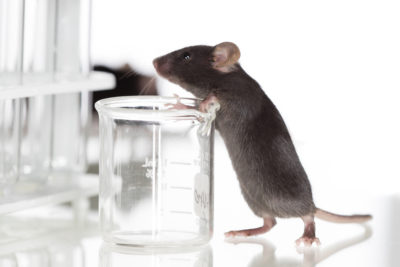
Hair Loss Related to Western Diet Reversed in Mice
Scientists at the Johns Hopkins University reversed hair whitening and loss associated with a high-fat, high-cholesterol diet by using an experimental compound in a mouse model [1]. The compound The
Rejuvenation Roundup July 2018
Another month, another series of great news items for healthy life extension enthusiasts! It’s hard to believe that July is already behind us and, with it, the first lifespan.io conference

An Interview With Dr. João Pedro de Magalhães
Today, we have an interview with Dr. João Pedro de Magalhães, the biogerontologist who created and runs senescence.info. How do you think we age; are we programmed to die, do
Dr. Aubrey de Grey – SENS Research Foundation
Today we have an interview with Dr. Aubrey de Grey from the SENS Research Foundation. This interview conducted by Yuri Deigin, CEO at Youthereum Genetics, was originally published in Russian language

Choose Your Own Story
Today, I would like to tell you two short stories describing what your far future might look like, depending on the choices that you—though not only you—will make in the

Not classing aging as a disease is not a major problem
A common concern in the community is that the FDA, the EMA, and other bodies, such as WHO, do not classify aging as a disease and that this poses a
Talking Senescent Cell Therapy with Dr. Peter de Keizer
We interviewed Dr. Peter de Keizer, a researcher who is engaged in studying senescent cells and designing therapies to destroy them in order to delay and prevent age-related diseases. Cleara

…but she had a good life, right?
You’re probably familiar with the feeling of slight disappointment that you may have when a good thing—say, a nice trip—is over. Just as you say that it’s too bad that

Too healthy for your own good?
Recently, Reason of Fight Aging! pointed out psychological research revealing a certain conservatism in terms of what people consider to be the “ideal” levels of happiness, intelligence, longevity, and even

Other Solutions to Senescent Cells than Senolytics
Senolytics have been in the news a great deal ever since van Deursen and his team conducted a landmark 2011 study showing that removing senescent cells could delay age-related ill
Rejuvenation Roundup June 2018
July is here, and our upcoming conference in New York City is only a handful of days away! About our NYC conference On the off chance you’ve missed the news

Glucose and the Gut Microbiome
Somewhat serendipitously, Salk Institute researchers discovered that depleting the microbiomes of mice causes the animals to have lower levels of blood glucose as well as improved insulin sensitivity [1]. Abstract Antibiotic-induced microbiome depletion (AIMD) has been used frequently to study the role of the gut microbiome

Samumed in $438 Million Deal to Develop Anti-aging Therapies
Today, we were pleased to hear that Samumed, a San Diego-based biotech company working on regenerative medicine, has just raised $438 million towards developing anti-aging therapies. SAN DIEGO – August 6, 2018 – Samumed, LLC, announced today that it has closed its A-6 Round of equity

Whatever Future Comes, Life Extension Will Improve It
Right now, as I write this article, I’m sitting in a machine that, about 120 years ago, was laughed at as a pipe dream. The machine is a plane, by the way. The onboard wi-fi leaves much to be desired, but if you had told people

Time Is Precious, So Let’s Enjoy More of It
At times, meeting people feels like going to the theater. Conversations tend to revolve around the same topics and can sound so cliché that they seem scripted. Of course, it depends on the people—close friends tend to be far more genuine than that—but if you pay

Hair Loss Related to Western Diet Reversed in Mice
Scientists at the Johns Hopkins University reversed hair whitening and loss associated with a high-fat, high-cholesterol diet by using an experimental compound in a mouse model [1]. The compound The experimental compound used by the researchers, called D-threo-1-phenyl-2-decanoylamino-3-morpholino-1-propanol (D–PDMP) acts by blocking the production of glucosphingolipids

Rejuvenation Roundup July 2018
Another month, another series of great news items for healthy life extension enthusiasts! It’s hard to believe that July is already behind us and, with it, the first lifespan.io conference in New York City; let’s take a look back and review the past month before diving

An Interview With Dr. João Pedro de Magalhães
Today, we have an interview with Dr. João Pedro de Magalhães, the biogerontologist who created and runs senescence.info. How do you think we age; are we programmed to die, do we wear out, or is the truth a mixture of both? I don’t think we wear

Dr. Aubrey de Grey – SENS Research Foundation
Today we have an interview with Dr. Aubrey de Grey from the SENS Research Foundation. This interview conducted by Yuri Deigin, CEO at Youthereum Genetics, was originally published in Russian language and he has kindly translated it into English so our audience can enjoy it too. Yuri:

Choose Your Own Story
Today, I would like to tell you two short stories describing what your far future might look like, depending on the choices that you—though not only you—will make in the near future. Feel free to leave a comment to let others know which one you’d rather

Not classing aging as a disease is not a major problem
A common concern in the community is that the FDA, the EMA, and other bodies, such as WHO, do not classify aging as a disease and that this poses a problem for developing therapies that target aging. However, this is not really as serious an issue

Talking Senescent Cell Therapy with Dr. Peter de Keizer
We interviewed Dr. Peter de Keizer, a researcher who is engaged in studying senescent cells and designing therapies to destroy them in order to delay and prevent age-related diseases. Cleara Biotech is currently using his research to develop a senolytic peptide that accomplishes this via interfering

…but she had a good life, right?
You’re probably familiar with the feeling of slight disappointment that you may have when a good thing—say, a nice trip—is over. Just as you say that it’s too bad that the experience is already finished, someone will probably say that you had a good time nonetheless;

Too healthy for your own good?
Recently, Reason of Fight Aging! pointed out psychological research revealing a certain conservatism in terms of what people consider to be the “ideal” levels of happiness, intelligence, longevity, and even health. It probably doesn’t come as a surprise that significant numbers of people in the studies

Other Solutions to Senescent Cells than Senolytics
Senolytics have been in the news a great deal ever since van Deursen and his team conducted a landmark 2011 study showing that removing senescent cells could delay age-related ill health in mice [1]. Since then, interest in what was once a niche topic has continued

Rejuvenation Roundup June 2018
July is here, and our upcoming conference in New York City is only a handful of days away! About our NYC conference On the off chance you’ve missed the news about it, Ending Age-Related Diseases: Investment Prospects & Advances in Research is our first conference to