





Rejuvenation Roundup May 2018
Summer is coming, and, albeit on a slightly longer timeframe, so is a world free of aging! So, grab an iced drink, sit comfortably on your beach chair, and let’s

A Health and Longevity Strategy
Who wants to lose weight, feel great, and live a long and healthy life, and what does it take to achieve these goals? Diet and exercise are equally important in

Thanos, Overpopulation, and How to Save the Universe
Now that some time has passed since the release of Avengers: Infinity War, we should probably talk about Thanos, the nigh-omnipotent “Mad Titan” at the heart of Marvel’s latest blockbuster,

Dr. Matt Kaeberlein – The Dog Aging Project
The Dog Aging Project (DAP) has sparked wide interest, and today, we have the pleasure to bring you an interview with one of the lead scientists behind it, Dr. Matt

Alzheimer’s Reversed by Editing a Single Gene
Researchers at Gladstone Institutes in San Francisco report that a gene variant associated with Alzheimer’s works differently in mice and humans, and they also demonstrate how modifying this gene

NAD+ Regulates the Creation of Fat Cells
Researchers from the University of Texas have discovered how NAD+ creation and consumption in cells is linked to glucose metabolism and their transformation from preadipocytes into adipocytes, or as most people

The right to die and the right to live
On May 10 this year, Australian ecologist David Goodall took his own life before aging could. The scientist, aged 104, reportedly said he “regretted” having reached that age, because the
Reason – Fight Aging! blog and Repair Biotechnologies
Most people interested in rejuvenation and life extension are familiar with Fight Aging!, one of the very first rejuvenation advocacy blogs dating back all the way to the early 2000s;

New Harvard Startup Wants to Reverse Aging in Dogs
Professor George Church of Harvard Medical School has co-founded a new startup company, Rejuvenate Bio, which has plans to reverse aging in dogs as a way to market anti-aging therapies
Sarah Constantin – The Longevity Research Institute
Today, we have an interview with the Longevity Research Institute, a new group set to launch in April 2018 of this year. The goal of the Institute is to identify

Life Extension Technology in Science Fiction
Today, we take an amusing look at how science fiction is often portrayed in a jarring way especially when dealing with the topic of life extension. Those of us who

Recoding Human Cells to Make them Virus Proof
On May 1, around 200 scientists from the Genome Project-write (GP-write) met in Boston and announced the first target of their project: the creation of cells that cannot be infected

Fasting might boost intestinal stem cell function
Stem cells supply the specialized cells that make up our tissues and organs; every time existing cells are lost for whatever reason, stem cells that can differentiate into that particular
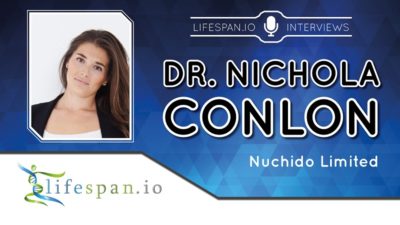
Undoing Aging 2018 – Dr. Nichola Conlon
Today, we have an interview with Dr. Nichola Conlon, one of the speakers at the Undoing Aging 2018 Conference in Berlin, hosted by the Forever Healthy Foundation and SENS Research

Aging is No Laughing Matter
If you watched a TV show, or read a comic book, where the difficulties and suffering of an oncological patient were portrayed in a disrespectful, humorous way, you would likely

Rejuvenation Roundup May 2018
Summer is coming, and, albeit on a slightly longer timeframe, so is a world free of aging! So, grab an iced drink, sit comfortably on your beach chair, and let’s have a look together at some of the latest rejuvenation news. The first LEAF conference in

A Health and Longevity Strategy
Who wants to lose weight, feel great, and live a long and healthy life, and what does it take to achieve these goals? Diet and exercise are equally important in long-term health, but let’s look at what recent science is telling us about the healthiest diets.

Thanos, Overpopulation, and How to Save the Universe
Now that some time has passed since the release of Avengers: Infinity War, we should probably talk about Thanos, the nigh-omnipotent “Mad Titan” at the heart of Marvel’s latest blockbuster, and how he perfectly embodies one of the most pervasive societal misconceptions circling the topic of

Dr. Matt Kaeberlein – The Dog Aging Project
The Dog Aging Project (DAP) has sparked wide interest, and today, we have the pleasure to bring you an interview with one of the lead scientists behind it, Dr. Matt Kaeberlein. In much the same way that other projects are aiming to extend healthy human lifespan,

Alzheimer’s Reversed by Editing a Single Gene
Researchers at Gladstone Institutes in San Francisco report that a gene variant associated with Alzheimer’s works differently in mice and humans, and they also demonstrate how modifying this gene could potentially prevent the plaques associated with Alzheimer’s from forming and damaging the brain[1]. An ApoE4

NAD+ Regulates the Creation of Fat Cells
Researchers from the University of Texas have discovered how NAD+ creation and consumption in cells is linked to glucose metabolism and their transformation from preadipocytes into adipocytes, or as most people know them, fat cells. INTRODUCTION Nicotinamide adenine dinucleotide (NAD) is an essential small molecule that is

The right to die and the right to live
On May 10 this year, Australian ecologist David Goodall took his own life before aging could. The scientist, aged 104, reportedly said he “regretted” having reached that age, because the quality of his life had significantly deteriorated as a consequence of his declining health. Unhappy with
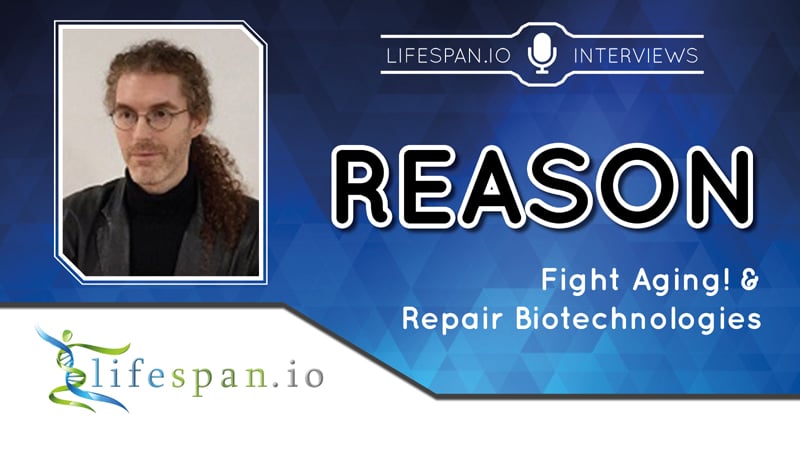
Reason – Fight Aging! blog and Repair Biotechnologies
Most people interested in rejuvenation and life extension are familiar with Fight Aging!, one of the very first rejuvenation advocacy blogs dating back all the way to the early 2000s; if you’re one of them, then you certainly are familiar with Reason, the man behind FA!.

New Harvard Startup Wants to Reverse Aging in Dogs
Professor George Church of Harvard Medical School has co-founded a new startup company, Rejuvenate Bio, which has plans to reverse aging in dogs as a way to market anti-aging therapies for our furry friends before bringing them to us. Dogs first, humans next The company has

Sarah Constantin – The Longevity Research Institute
Today, we have an interview with the Longevity Research Institute, a new group set to launch in April 2018 of this year. The goal of the Institute is to identify therapies that can demonstrably extend healthy human lifespan by 2030 at the latest. Searching for longevity

Life Extension Technology in Science Fiction
Today, we take an amusing look at how science fiction is often portrayed in a jarring way especially when dealing with the topic of life extension. Those of us who fancy science fiction stories are used to all sorts of technological miracles taking place in them;

Recoding Human Cells to Make them Virus Proof
On May 1, around 200 scientists from the Genome Project-write (GP-write) met in Boston and announced the first target of their project: the creation of cells that cannot be infected by viruses. What is the Genome Project-write? GP-write includes sub-projects like the Human Genome Project-write (HGP-write),

Fasting might boost intestinal stem cell function
Stem cells supply the specialized cells that make up our tissues and organs; every time existing cells are lost for whatever reason, stem cells that can differentiate into that particular type of cell jump into action to compensate for the loss. However, this ability declines over

Undoing Aging 2018 – Dr. Nichola Conlon
Today, we have an interview with Dr. Nichola Conlon, one of the speakers at the Undoing Aging 2018 Conference in Berlin, hosted by the Forever Healthy Foundation and SENS Research Foundation. Introducing Nuchido Dr. Conlon is the CEO of Nuchido, a new company that is set

Aging is No Laughing Matter
If you watched a TV show, or read a comic book, where the difficulties and suffering of an oncological patient were portrayed in a disrespectful, humorous way, you would likely be outraged; at the very least, you would think that the show or comic book was