


Activating Natural Killer T cells to Combat Cancer
New research has identified the mechanisms responsible for enhancing immune system activity, offering new approaches for more effective cancer treatments and vaccines. Invariant natural killer T (iNKT) cells are part
ApoE4 Gene Variant and Alzheimer’s Disease Risk
Dr. Oliver Medvedik hosts the April 2018 edition of Journal Club, our monthly livestreamed event where we review and discuss the latest scientific research publications relating to life extension

Rejuvenation Roundup March 2018
March is gone and with it one of the most awaited events of 2018 in the rejuvenation biotechnology community, the Undoing Aging conference—the first, but not the last, of what
Steve Horvath – Aging and the Epigenetic Clocks
The Undoing Aging conference, a joint effort between the SENS Research Foundation and Michael Greve’s Forever Healthy Foundation, took place on March 15-17 in Berlin, gathering many aging researchers, advocates,
Inflammaging and Age-related Disease
The aging process is accompanied by a chronic, smoldering background of inflammation that researchers call “inflammaging”. This backdrop of low-grade inflammation contributes significantly to mortality risk in the elderly and
The Best Thing to Donate Money to is the Fight Against Aging
A few days ago, LEAF representatives attended the Undoing Aging 2018 conference in Berlin, which was jointly organized by the SENS Research Foundation and the Forever Healthy Foundation. We invited one
Why NAD+ Declines With Age
Nicotinamide adenine dinucleotide (NAD+), a nucleotide, is critical for life to exist. From the most simple bacteria to complex multicellular organisms such as humans, NAD is a vital component of

Undoing Aging With Aubrey de Grey Part Three
Welcome to part three and the final part of our SENS Undoing Aging 2018 interview; we have a few more scientific questions today for Aubrey and his team as well
Undoing Aging With Aubrey de Grey Part Two
Welcome to part two of our three-part Undoing Aging 2018 interview of Dr. Aubrey de Grey and his team at SENS Research Foundation. Today, we have some of the scientific
Undoing Aging With Aubrey de Grey Part One
As the Undoing Aging 2018 Conference approaches, excitement and interest about the event are growing among both aging scientists and rejuvenation enthusiasts alike. If you’re a regular on our blog,

Physical Activity Slows Aging of the Immune System
If you need yet another reason to exercise as part of your health and longevity strategy, then check out this study, which suggests that aging of the immune system can

Undoing Aging With Michael Greve
As our readers probably already know, from March 15 to March 17 this year, the Undoing Aging 2018 Conference will be held at the Umspannwerk Alexanderplatz in Berlin, Germany. The

Waking up From the Dream of Longevity
In the course of the last century, science fiction has been a harbinger of things to come. From the automatic sliding doors of Star Trek to visual communication, cyberspace, and
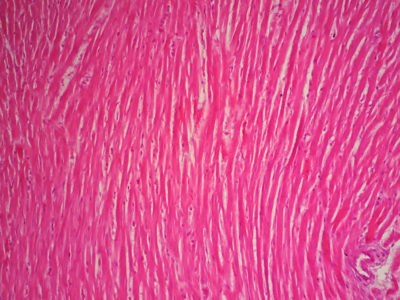
Gene Cocktail Helps Hearts to Regenerate
The human heart is an organ whose cells rarely divide, making tissue repair and regeneration a huge problem following a heart attack. Many animals, such as zebrafish and salamanders, are
Potential New Aging Biomarker in Urine
A potential new biomarker of aging has been discovered by researchers. This substance, found in urine, indicates oxidative damage that could be used to determine how much someone has aged

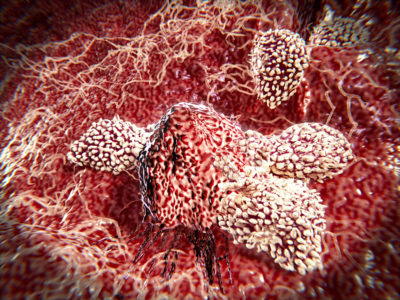
Activating Natural Killer T cells to Combat Cancer
New research has identified the mechanisms responsible for enhancing immune system activity, offering new approaches for more effective cancer treatments and vaccines. Invariant natural killer T (iNKT) cells are part of the immune system’s arsenal for fighting infection and defeating diseases like cancer. Finding ways to

ApoE4 Gene Variant and Alzheimer’s Disease Risk
Dr. Oliver Medvedik hosts the April 2018 edition of Journal Club, our monthly livestreamed event where we review and discuss the latest scientific research publications relating to life extension and aging. This month, we discuss the gene variant ApoE4, which raises the risk of Alzheimer’s

Rejuvenation Roundup March 2018
March is gone and with it one of the most awaited events of 2018 in the rejuvenation biotechnology community, the Undoing Aging conference—the first, but not the last, of what will hopefully be a long series, given that SRF has already announced UA2019. Let’s review the

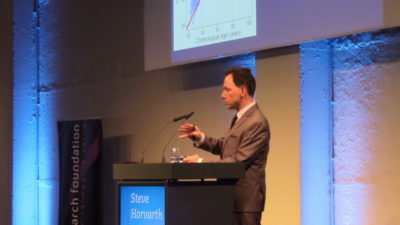
Steve Horvath – Aging and the Epigenetic Clocks
The Undoing Aging conference, a joint effort between the SENS Research Foundation and Michael Greve’s Forever Healthy Foundation, took place on March 15-17 in Berlin, gathering many aging researchers, advocates, investors, and other important members of the longevity community in one place. Steve Horvath is a

Inflammaging and Age-related Disease
The aging process is accompanied by a chronic, smoldering background of inflammation that researchers call “inflammaging”. This backdrop of low-grade inflammation contributes significantly to mortality risk in the elderly and has a number of sources. Today, we are going to take a look at inflammaging and

The Best Thing to Donate Money to is the Fight Against Aging
A few days ago, LEAF representatives attended the Undoing Aging 2018 conference in Berlin, which was jointly organized by the SENS Research Foundation and the Forever Healthy Foundation. We invited one of the most professional Russian journalists writing about aging, Anna Dobryukha, to this conference, and she

Why NAD+ Declines With Age
Nicotinamide adenine dinucleotide (NAD+), a nucleotide, is critical for life to exist. From the most simple bacteria to complex multicellular organisms such as humans, NAD is a vital component of cellular function and thus life. An increased level of NAD+ appears to convey health and longevity,

Undoing Aging With Aubrey de Grey Part Three
Welcome to part three and the final part of our SENS Undoing Aging 2018 interview; we have a few more scientific questions today for Aubrey and his team as well as questions about future developments and taking new therapies to market. Dr. de Grey, has your
Undoing Aging With Aubrey de Grey Part Two
Welcome to part two of our three-part Undoing Aging 2018 interview of Dr. Aubrey de Grey and his team at SENS Research Foundation. Today, we have some of the scientific questions that the community had about SENS; there are some very detailed responses, and we hope
Undoing Aging With Aubrey de Grey Part One
As the Undoing Aging 2018 Conference approaches, excitement and interest about the event are growing among both aging scientists and rejuvenation enthusiasts alike. If you’re a regular on our blog, neither Undoing Aging 2018’s main organizer, SENS Research Foundation, nor the main sponsor, Michael Greve’s Forever

Physical Activity Slows Aging of the Immune System
If you need yet another reason to exercise as part of your health and longevity strategy, then check out this study, which suggests that aging of the immune system can be slowed by exercise. The problem with our modern lives is that we are, in general,

Undoing Aging With Michael Greve
As our readers probably already know, from March 15 to March 17 this year, the Undoing Aging 2018 Conference will be held at the Umspannwerk Alexanderplatz in Berlin, Germany. The event is intended to bring together scientists working on repair-based therapies for aging as well as

Waking up From the Dream of Longevity
In the course of the last century, science fiction has been a harbinger of things to come. From the automatic sliding doors of Star Trek to visual communication, cyberspace, and even the moon landing, many of our present technological achievements were dreamed up in the futuristic

Gene Cocktail Helps Hearts to Regenerate
The human heart is an organ whose cells rarely divide, making tissue repair and regeneration a huge problem following a heart attack. Many animals, such as zebrafish and salamanders, are different; they can regenerate damaged hearts easily. As humans, we also once had the same regenerative

Potential New Aging Biomarker in Urine
A potential new biomarker of aging has been discovered by researchers. This substance, found in urine, indicates oxidative damage that could be used to determine how much someone has aged biologically. Why do we need biomarkers of ageing? It is important for us to develop accurate