





Cellular Reprogramming: The Expert Roundup
Cellular reprogramming is one of the technologies most associated with longevity. The field was created in 2006, when Shinya Yamanaka showed that a cocktail of four transcription factors, commonly known

A Metabolic Shift Fuels Stem Cell Dysfunction
Researchers publishing in the Nature journal Cell Discovery have described how the age-related attenuation of a key metabolic axis causes human adipose-derived stem cells (hASCs) to lose functional capabilities. Pinpointing

João Pedro de Magalhães on the Ethics of Longevity
João Pedro de Magalhães, professor at the University of Birmingham, is known as a prominent geroscientist who has been in the field forever, enriching it with top-tier research. He is

Menopausal Hormone Therapy Does Not Increase Mortality
An analysis of over 800,000 women found no association between menopausal hormone therapy and increased mortality [1]. A controversial therapy One of the first major changes that women undergo as

Thermogeneration by White Fat Could Be Used to Treat Obesity
Scientists have discovered that, like brown fat, white fat has a mechanism that burns fuel to produce heat. This effect could potentially be used to create weight loss drugs [1].
How a Sirtuin Protects Against Brain Diseases
In Aging Cell, researchers have explained how the sirtuin SIRT6 protects against proteostasis-related brain disorders by maintaining the function of nucleoli and limiting protein production. The nucleus and nucleoli A

AI Tool Sets New Standard in Diagnosing Rare Diseases
A new system, which consists of a large LLM and a network of agentic tools, outperformed several other models and human physicians [1]. Too rare to easily diagnose Rare diseases

A Circulating Inflammation Suppressor Decreases Mortality
Researchers publishing in Aging have used Mendelian randomization to conclude that the inflammatory factor IL6 causes increased mortality and that its circulating receptor, IL6R, decreases it. Looking for a proof

Lifetime Cognitive Enrichment Associated With Less Dementia
A recent study suggests that cognitive enrichment throughout life is associated with reduced dementia risk, and it has the potential to delay the onset of dementia and mild cognitive impairment

New Study Calculates Lifespan Gains From Five Popular Diets
Scientists have pitted five diets against each other to see which one is associated with more years of life gained [1]. The clash of the diets Unhealthy eating is recognized

Silencing Growth Hormone Has Strong Effects in Mouse Brains
Researchers have found that altering a growth hormone receptor in the brain adipose tissue of aged male mice slows their mental aging and allows them to perform far better on

Cellular Reprogramming Rescues Memory-Encoding Neurons
Scientists have applied partial reprogramming to memory-encoding neurons (engrams) and achieved memory improvements in Alzheimer’s models and wild-type mice [1]. Rejuvenating neurons Partial cellular reprogramming, which uses certain factors to

Creating CAR-T Cells Using Current Alzheimer’s Antibodies
A team of researchers has biologically engineered T cells with currently available Alzheimer’s drugs in order to directly attack the characteristic amyloid plaques of Alzheimer’s disease. Building on the current

Young Microbes Rejuvenate Intestinal Function in Mice
Transferring microbiota from young to aged mice helped to restore molecular signaling necessary for proper intestinal function and improved the regenerative capacity of intestinal stem cells [1]. Everyday companions Bacteria,

Sleep Deprivation Affects Cognition via Myelin Loss
A new study links sleep loss to the thinning of the myelin layer, which slows signal transmission in axons. Restoring cholesterol homeostasis reverses the damage [1]. Sleep loss hurts myelin
Cellular Reprogramming: The Expert Roundup
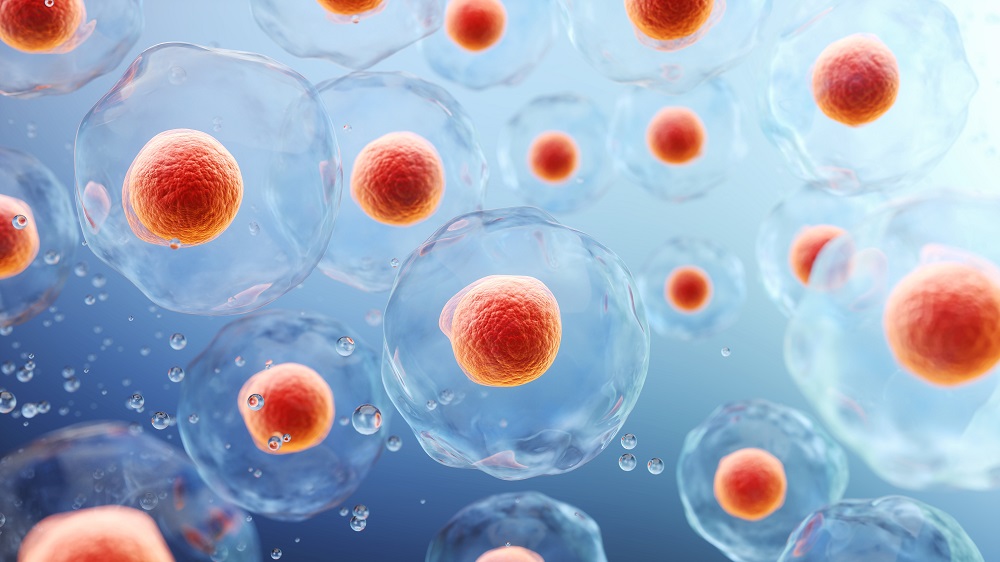
Cellular reprogramming is one of the technologies most associated with longevity. The field was created in 2006, when Shinya Yamanaka showed that a cocktail of four transcription factors, commonly known as OSKM, can cause de-differentiation and massive rejuvenation of a cell, creating an iPSC (induced pluripotent

A Metabolic Shift Fuels Stem Cell Dysfunction
Researchers publishing in the Nature journal Cell Discovery have described how the age-related attenuation of a key metabolic axis causes human adipose-derived stem cells (hASCs) to lose functional capabilities. Pinpointing the loss of function This paper begins by highlighting a core problem of using self-derived (autologous)

João Pedro de Magalhães on the Ethics of Longevity
João Pedro de Magalhães, professor at the University of Birmingham, is known as a prominent geroscientist who has been in the field forever, enriching it with top-tier research. He is also a skilled longevity advocate who has long taken interest in the ethics of longevity, first

Menopausal Hormone Therapy Does Not Increase Mortality
An analysis of over 800,000 women found no association between menopausal hormone therapy and increased mortality [1]. A controversial therapy One of the first major changes that women undergo as they age is menopause, which usually occurs between 45 and 55 years of age. Menopause not

Thermogeneration by White Fat Could Be Used to Treat Obesity
Scientists have discovered that, like brown fat, white fat has a mechanism that burns fuel to produce heat. This effect could potentially be used to create weight loss drugs [1]. Central heating Cells use energy to power various cellular processes, with heat being a byproduct. However,
How a Sirtuin Protects Against Brain Diseases
In Aging Cell, researchers have explained how the sirtuin SIRT6 protects against proteostasis-related brain disorders by maintaining the function of nucleoli and limiting protein production. The nucleus and nucleoli A cell’s nucleus has one or more nucleoli, where the cell does its critical work of synthesizing

AI Tool Sets New Standard in Diagnosing Rare Diseases
A new system, which consists of a large LLM and a network of agentic tools, outperformed several other models and human physicians [1]. Too rare to easily diagnose Rare diseases can be notoriously hard to diagnose. Patients average over 5 years to receive a correct diagnosis,

A Circulating Inflammation Suppressor Decreases Mortality
Researchers publishing in Aging have used Mendelian randomization to conclude that the inflammatory factor IL6 causes increased mortality and that its circulating receptor, IL6R, decreases it. Looking for a proof of danger Chronic, age-related inflammation (inflammaging) is very well-known to be closely connected to negative age-related

Lifetime Cognitive Enrichment Associated With Less Dementia
A recent study suggests that cognitive enrichment throughout life is associated with reduced dementia risk, and it has the potential to delay the onset of dementia and mild cognitive impairment by five to seven years [1]. Cognitive stimulation Engagement in cognitively stimulating activities has been linked

New Study Calculates Lifespan Gains From Five Popular Diets
Scientists have pitted five diets against each other to see which one is associated with more years of life gained [1]. The clash of the diets Unhealthy eating is recognized as a globally leading cause of death [2]. Surprisingly, few studies have actually evaluated the gains

Silencing Growth Hormone Has Strong Effects in Mouse Brains
Researchers have found that altering a growth hormone receptor in the brain adipose tissue of aged male mice slows their mental aging and allows them to perform far better on cognitive tests. Growth signaling is not necessarily good The axis of growth hormone and insulin-like growth

Cellular Reprogramming Rescues Memory-Encoding Neurons
Scientists have applied partial reprogramming to memory-encoding neurons (engrams) and achieved memory improvements in Alzheimer’s models and wild-type mice [1]. Rejuvenating neurons Partial cellular reprogramming, which uses certain factors to rejuvenate cells while maintaining their identity) has shown promise across various conditions and cell types, including

Creating CAR-T Cells Using Current Alzheimer’s Antibodies
A team of researchers has biologically engineered T cells with currently available Alzheimer’s drugs in order to directly attack the characteristic amyloid plaques of Alzheimer’s disease. Building on the current paradigm Most Alzheimer’s treatments used in the clinic are -mabs, monoclonal antibodies that are designed to

Young Microbes Rejuvenate Intestinal Function in Mice
Transferring microbiota from young to aged mice helped to restore molecular signaling necessary for proper intestinal function and improved the regenerative capacity of intestinal stem cells [1]. Everyday companions Bacteria, viruses, and other microbes are well-known as agents that cause disease and should be avoided. However,

Sleep Deprivation Affects Cognition via Myelin Loss
A new study links sleep loss to the thinning of the myelin layer, which slows signal transmission in axons. Restoring cholesterol homeostasis reverses the damage [1]. Sleep loss hurts myelin Sleep quality is a strong extrinsic determinant of longevity [2]. Not only does sleep loss affect