





AI Tool Sets New Standard in Diagnosing Rare Diseases
A new system, which consists of a large LLM and a network of agentic tools, outperformed several other models and human physicians [1]. Too rare to easily diagnose Rare diseases
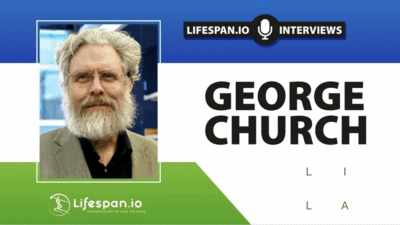
George Church on Building “Scientific Superintelligence”
George Church, a Harvard professor and a famed geroscientist, is also known as a serial entrepreneur who has co-founded dozens of biotech companies. While Church maintains that he’s involved in
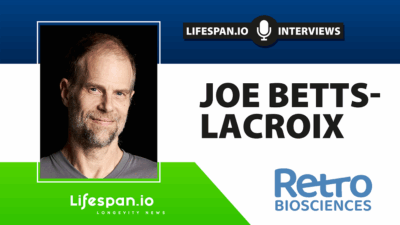
Joe Betts-Lacroix on Retro Bio and Its Recent AI Advancement
Retro Biosciences, one of the hottest startups in the longevity field, was founded about five years ago by the tech entrepreneur Joe Betts-Lacroix with a $180 million investment from his

AI Model Accurately Predicts Multiple Disease Risks
European scientists have created a GPT-based model that can predict the risk of more than a thousand diseases on par with single-disease tools and biomarker-based models [1]. Tell me the
A Generative, Foundational AI Model for Genetics
The Arc Institute, a nonprofit research organization, has published a manuscript on its creation of Evo 2, an AI foundation model that is capable of both understanding and building full

Can AI Predict Your Death?
Once confined to the realms of science fiction or relatively crude internet death calculators, AI-driven predictions about longevity are inching closer to reality. Questions about the accuracy and value of
AI in Longevity: The Reality Today
Back in 2006, a website called “The Death Clock” appeared on the internet, with a promise to answer one of life’s greatest questions: “When will I die?” Since then, over

A New Atlas for Cellular Rejuvenation
In Aging, researchers from Spain and Luxembourg have described the creation of Single-cell RNA-seq Investigation of Rejuvenation Agents and Longevity (SINGULAR), an atlas for cellular rejuvenation that describes how interventions

Using AI to Discover New Rapamycin-Like Molecules
In a recent paper published in International Journal of Medical Sciences, researchers have described how they used artificial intelligence and machine learning tools to find mTOR-inhibiting molecules [1]. mTOR is
Using Machine Learning to Find Senolytics
Research published today in Nature Aging has described a machine learning algorithm that finds senescent cell-removing drugs (senolytics) and compared the algorithm’s discoveries to existing compounds. A quest for effective

AI Better Than Humans At Healthcare Questions
Scientists have compared doctor-written and chatbot-generated responses to healthcare-related questions, and the results don’t look good for Team Human [1]. Ask your doctor? Access to healthcare has been linked to

What AI Technology Is Doing for Longevity Now
In March 2023, MIT Technology Review revealed that Sam Altman, the CEO of OpenAI (ChatGPT), was the mystery investor behind the $180 million investment into stealth startup Retro Biosciences, a

AI Tool Sets New Standard in Diagnosing Rare Diseases
A new system, which consists of a large LLM and a network of agentic tools, outperformed several other models and human physicians [1]. Too rare to easily diagnose Rare diseases can be notoriously hard to diagnose. Patients average over 5 years to receive a correct diagnosis,
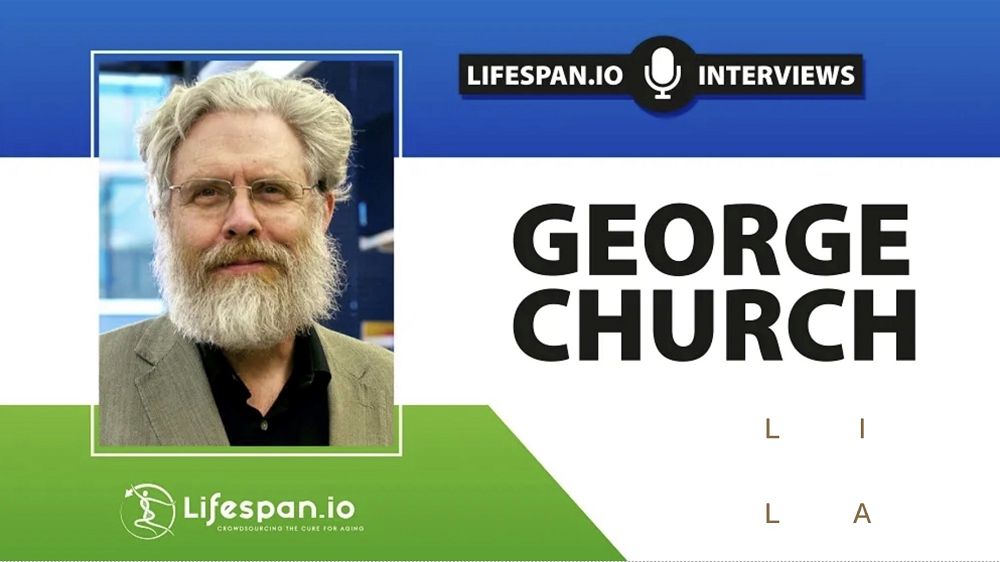
George Church on Building “Scientific Superintelligence”
George Church, a Harvard professor and a famed geroscientist, is also known as a serial entrepreneur who has co-founded dozens of biotech companies. While Church maintains that he’s involved in them all, one company has been seeing an unusual amount of his attention: Lila Sciences, where
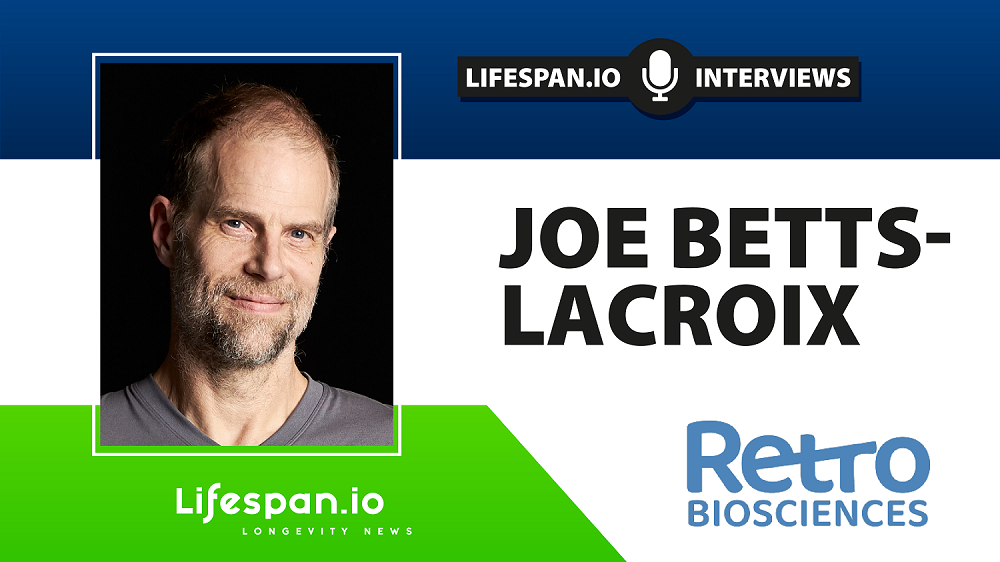
Joe Betts-Lacroix on Retro Bio and Its Recent AI Advancement
Retro Biosciences, one of the hottest startups in the longevity field, was founded about five years ago by the tech entrepreneur Joe Betts-Lacroix with a $180 million investment from his friend Sam Altman, the CEO of OpenAI. Despite its hefty war chest, the company initially pursued

AI Model Accurately Predicts Multiple Disease Risks
European scientists have created a GPT-based model that can predict the risk of more than a thousand diseases on par with single-disease tools and biomarker-based models [1]. Tell me the future! For millennia, people have wanted to know what health events await them in the future.
A Generative, Foundational AI Model for Genetics
The Arc Institute, a nonprofit research organization, has published a manuscript on its creation of Evo 2, an AI foundation model that is capable of both understanding and building full genomes of organisms. A new step in understanding biology The authors of this paper, a group

Can AI Predict Your Death?
Once confined to the realms of science fiction or relatively crude internet death calculators, AI-driven predictions about longevity are inching closer to reality. Questions about the accuracy and value of these forecasts remain. In recent years, researchers and companies around the globe have been pursuing answers
AI in Longevity: The Reality Today
Back in 2006, a website called “The Death Clock” appeared on the internet, with a promise to answer one of life’s greatest questions: “When will I die?” Since then, over 60 million people have used the site, which gives a somewhat grim countdown to the day

A New Atlas for Cellular Rejuvenation
In Aging, researchers from Spain and Luxembourg have described the creation of Single-cell RNA-seq Investigation of Rejuvenation Agents and Longevity (SINGULAR), an atlas for cellular rejuvenation that describes how interventions affect individual cells. Computational biology might light up a better path These researchers begin this paper

Using AI to Discover New Rapamycin-Like Molecules
In a recent paper published in International Journal of Medical Sciences, researchers have described how they used artificial intelligence and machine learning tools to find mTOR-inhibiting molecules [1]. mTOR is a common target for lifespan extension interventions The mechanistic target of rapamycin (mTOR) is a well-known

Using Machine Learning to Find Senolytics
Research published today in Nature Aging has described a machine learning algorithm that finds senescent cell-removing drugs (senolytics) and compared the algorithm’s discoveries to existing compounds. A quest for effective therapeutics After covering familiar territory regarding senescent cells, this paper begins with a discussion of existing

AI Better Than Humans At Healthcare Questions
Scientists have compared doctor-written and chatbot-generated responses to healthcare-related questions, and the results don’t look good for Team Human [1]. Ask your doctor? Access to healthcare has been linked to longer lifespan, and good healthcare often starts with a good initial consultation. A group of researchers,

What AI Technology Is Doing for Longevity Now
In March 2023, MIT Technology Review revealed that Sam Altman, the CEO of OpenAI (ChatGPT), was the mystery investor behind the $180 million investment into stealth startup Retro Biosciences, a biotech company with the ambition of “adding 10 years to the human lifespan.” This investment marks