





New Nanoparticles for Treating Arthritis
In the Journal of Nanobiotechnology, researchers have described a new method of delivering a long-lasting treatment into cartilage. A protein that promotes autophagy Previous work has linked expression of the

Rejuvenation Roundup January 2025
As rejuvenation research advances from theory to practice, more therapies start making their way into the clinic. 2025 continues with both mouse experiments and human clinical trials. Interviews Cyclarity Launches

Artificially Grown Tissue Repairs Heart Failure in Monkeys
German scientists have created lab-grown “patches” of heart muscle tissue derived from pluripotent stem cells. Following a success with rhesus monkeys, they have obtained approval for a human trial [1].

Inhibiting a Fundamental Factor in Brain Inflammation
Researchers have devised a method of reducing brain inflammation by creating a long-lasting inhibitor of the inflammatory factor NF-κB. Targeting inflammaging at its roots This study, published in the Nature

Ultrasound as a Tool to Eliminate Senescent Cells
A new study suggests that low-intensity pulsed ultrasound (LIPUS) can be beneficial in eliminating senescent cells through the recruitment and activation of immune cells [1]. The double-edged sword of the

New Database Lets You Know How Processed Your Food Is
Scientists have presented GroceryDB, an open-access online database that measures the degree of processing of tens of thousands of products sold in three major US grocery chains [1]. What is

Restoring Cellular Proliferation Through Exosomes
In Cell Metabolism, researchers have described how a microRNA (miRNA) derived from exosomes generated by human embryonic stem cells (hESCs) restores function and fights senescence in cell cultures and mice.

New Drug Eliminates Breast Cancer in Mouse Study
Researchers have discovered a small molecule that effectively kills cancer cells in the most prevalent type of breast cancer. The new drug could help against cancer recurrence and decrease the

Marco Quarta on Cellular Senescence in Aging
Dr. Marco Quarta runs one of the most interesting start-ups in the longevity field: Rubedo, which focuses on utilizing the senolytic approach to cellular senescence. This company has developed ingenious
Maintaining Muscle by Restoring Gut Bacteria
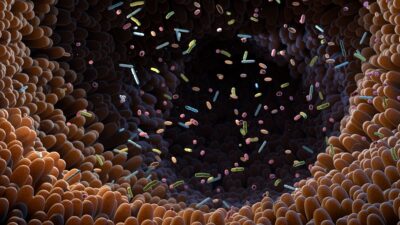
In Aging Cell, researchers have described how different combinations of gut bacteria impact muscle strength in mice. Expanding upon a known link The link between gut bacteria and health is

Cyclarity Launches Human Trial to Cure Atherosclerosis
Recently, Cyclarity Therapeutics announced the launch of a Phase 1 human clinical trial for a drug that aims to remove the arterial plaques that lead to heart attacks and strokes.
Maintaining Telomeres Extends Lifespan in Mice
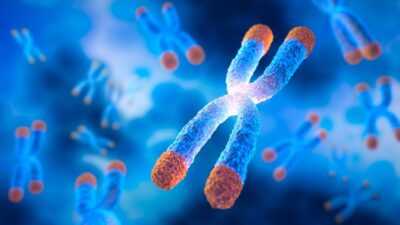
A recent study has found that the overexpression of telomerase reverse transcriptase (TERT), which is a subunit of telomerase, an enzyme essential for telomere maintenance, leads to lifespan extension in
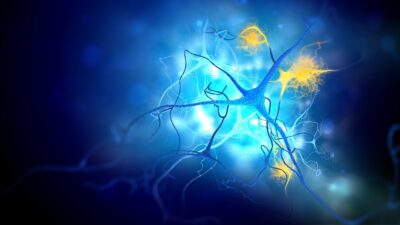
Fighting Alzheimer’s by Helping Neurons Consume Proteins
Researchers have found that kinesin family member 9 (KIF9), a protein that diminishes with aging, is instrumental in allowing cells to consume harmful proteins and fights Alzheimer’s in a mouse

New Study Links Epigenetic Changes to Genetic Mutations
A new paper published in Nature Aging suggests that somatic mutations cause significant remodeling of the epigenetic landscape. The findings might be relevant to future anti-aging interventions [1]. The genome

The Battle for Long Life Has Been Accomplished: What’s Next?
How long can people live? This is not just a foundational question in science. The answer has important public policy implications and is of interest to us all. Recent scientific

New Nanoparticles for Treating Arthritis
In the Journal of Nanobiotechnology, researchers have described a new method of delivering a long-lasting treatment into cartilage. A protein that promotes autophagy Previous work has linked expression of the FGF18 protein with healthy cartilage and joints [1]. Problems with the gene responsible for FGF18 lead

Rejuvenation Roundup January 2025
As rejuvenation research advances from theory to practice, more therapies start making their way into the clinic. 2025 continues with both mouse experiments and human clinical trials. Interviews Cyclarity Launches Human Trial to Cure Atherosclerosis: Recently, Cyclarity Therapeutics announced the launch of a Phase 1 human
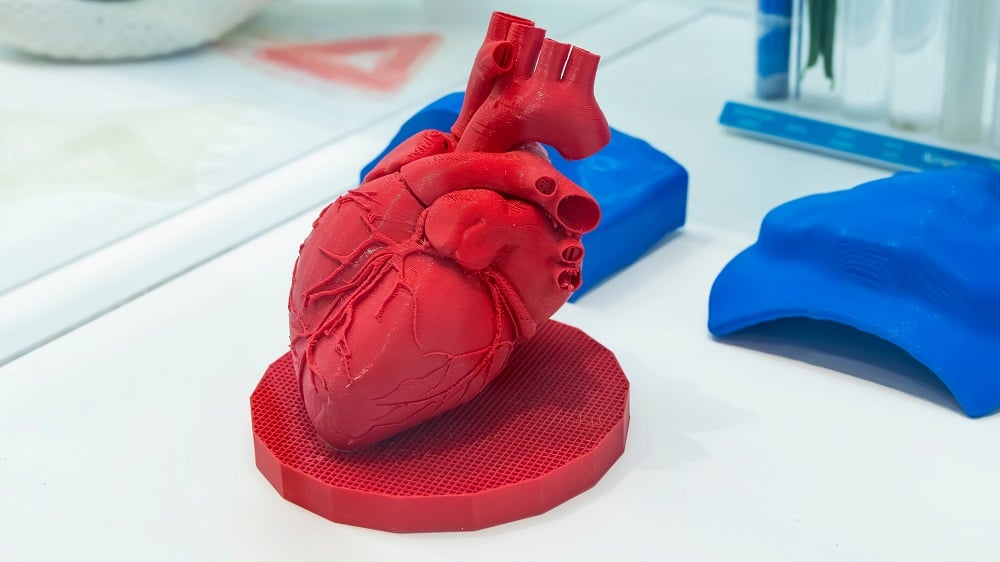
Artificially Grown Tissue Repairs Heart Failure in Monkeys
German scientists have created lab-grown “patches” of heart muscle tissue derived from pluripotent stem cells. Following a success with rhesus monkeys, they have obtained approval for a human trial [1]. Wear and tear As one of the most hard-working tissues in the body, the heart muscle

Inhibiting a Fundamental Factor in Brain Inflammation
Researchers have devised a method of reducing brain inflammation by creating a long-lasting inhibitor of the inflammatory factor NF-κB. Targeting inflammaging at its roots This study, published in the Nature journal Experimental & Molecular Medicine, begins with a discussion of age-related chronic inflammation (inflammaging) and its

Ultrasound as a Tool to Eliminate Senescent Cells
A new study suggests that low-intensity pulsed ultrasound (LIPUS) can be beneficial in eliminating senescent cells through the recruitment and activation of immune cells [1]. The double-edged sword of the SASP One of the characteristics of an aging organism is the accumulation of senescent cells. Various

New Database Lets You Know How Processed Your Food Is
Scientists have presented GroceryDB, an open-access online database that measures the degree of processing of tens of thousands of products sold in three major US grocery chains [1]. What is ultra-processed food? While there is no universally accepted definition, the NOVA food classification system is widely

Restoring Cellular Proliferation Through Exosomes
In Cell Metabolism, researchers have described how a microRNA (miRNA) derived from exosomes generated by human embryonic stem cells (hESCs) restores function and fights senescence in cell cultures and mice. Looking for a better senomorphic This study begins with a discussion of cellular senescence and its

New Drug Eliminates Breast Cancer in Mouse Study
Researchers have discovered a small molecule that effectively kills cancer cells in the most prevalent type of breast cancer. The new drug could help against cancer recurrence and decrease the need for surgery [1]. The ongoing fight against breast cancer Medicine has made great strides in

Marco Quarta on Cellular Senescence in Aging
Dr. Marco Quarta runs one of the most interesting start-ups in the longevity field: Rubedo, which focuses on utilizing the senolytic approach to cellular senescence. This company has developed ingenious ways to cope with the notorious heterogeneity of senescent cells and is one of the first
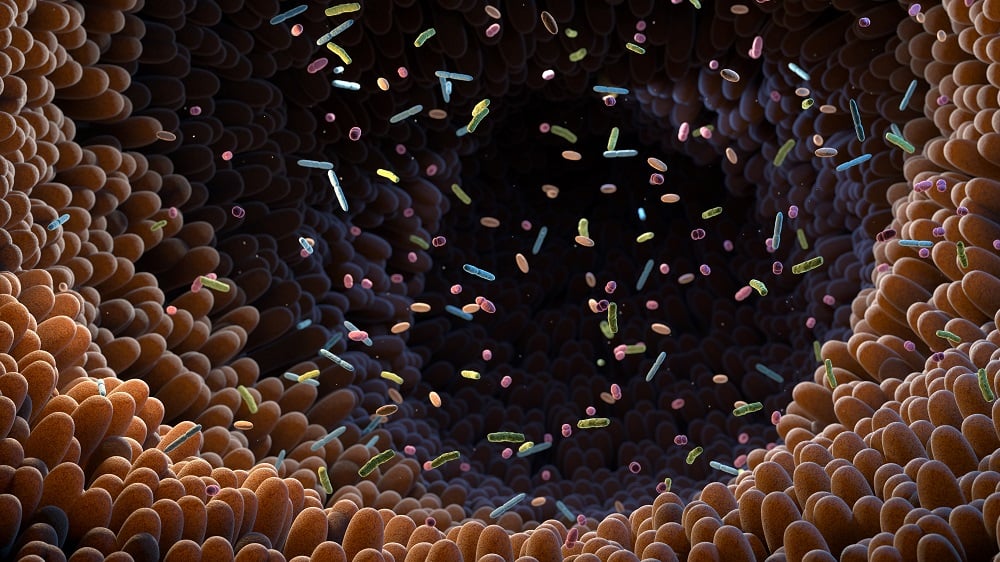
Maintaining Muscle by Restoring Gut Bacteria
In Aging Cell, researchers have described how different combinations of gut bacteria impact muscle strength in mice. Expanding upon a known link The link between gut bacteria and health is well-documented, and multiple biomarkers have confirmed that a healthy gut leads to health elsewhere [1]. This

Cyclarity Launches Human Trial to Cure Atherosclerosis
Recently, Cyclarity Therapeutics announced the launch of a Phase 1 human clinical trial for a drug that aims to remove the arterial plaques that lead to heart attacks and strokes. Tackling the leading cause of death worldwide Cyclarity Therapeutics is working on a cost-effective small molecule
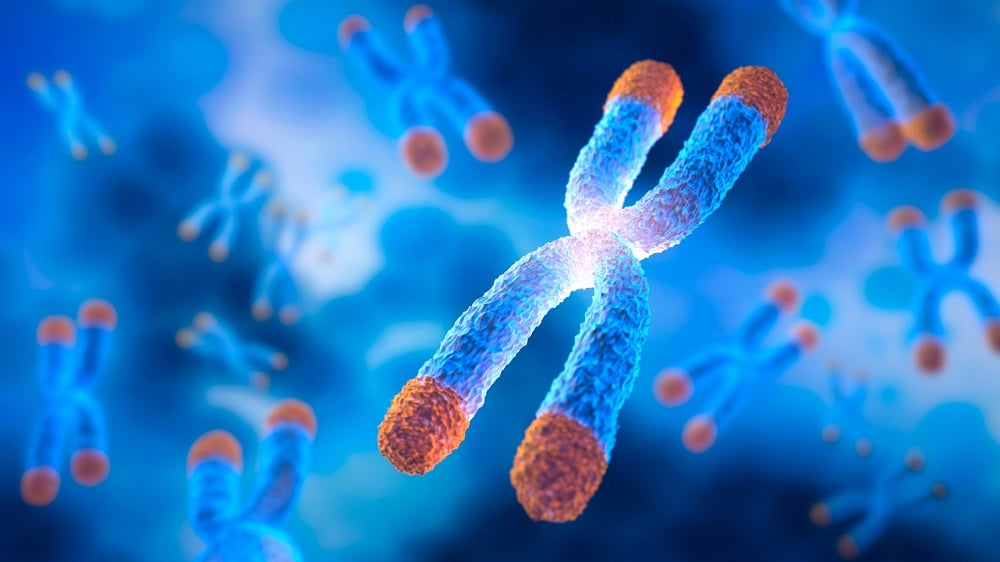
Maintaining Telomeres Extends Lifespan in Mice
A recent study has found that the overexpression of telomerase reverse transcriptase (TERT), which is a subunit of telomerase, an enzyme essential for telomere maintenance, leads to lifespan extension in mice without significant side effects [1]. Protecting DNA Telomere shortening is a well-known hallmark of aging.

Fighting Alzheimer’s by Helping Neurons Consume Proteins
Researchers have found that kinesin family member 9 (KIF9), a protein that diminishes with aging, is instrumental in allowing cells to consume harmful proteins and fights Alzheimer’s in a mouse model. Consuming amyloids before they become a problem Alzheimer’s is well-known as a proteostasis disease: it

New Study Links Epigenetic Changes to Genetic Mutations
A new paper published in Nature Aging suggests that somatic mutations cause significant remodeling of the epigenetic landscape. The findings might be relevant to future anti-aging interventions [1]. The genome and the epigenome Genomic instability and epigenetic alterations are two of the hallmarks of aging [2].

The Battle for Long Life Has Been Accomplished: What’s Next?
How long can people live? This is not just a foundational question in science. The answer has important public policy implications and is of interest to us all. Recent scientific evidence has revealed the answer, so what’s next in humanity’s never-ending battle against disease and the