




Weekend-Oriented Physical Activity Superior for Brain Health
According to a new study, “weekend warriors”, people who have most of their physical activity over one or two days a week, enjoy the most robust risk reduction for several
Why Bone Destruction Is Accelerated with Aging
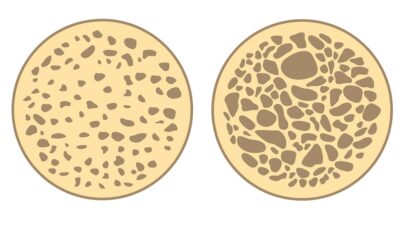
Researchers have described a relationship between the NAD+ regulator CD38, mitochondrial function, and the gradual destruction of bone in Aging Cell. Inflammation up, bone mass down It is well known
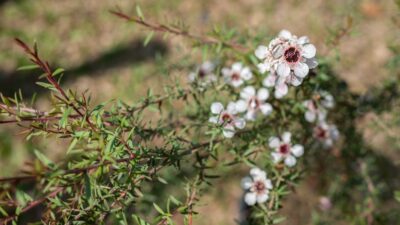
Manuka Honey Effective Against Breast Cancer in Mice
UCLA scientists have shown that Manuka, an exclusive honey variety, can quench estrogen receptor-positive breast cancer in vitro and in vivo [1]. Honey, kill that cancer Breast cancer remains the

A Phase 2 Clinical Trial for Hair Loss
Los Angeles-based Pelage Pharmaceuticals has just announced a Phase 2a clinical trial for the treatment of androgenetic alopecia, also known as pattern baldness. It is thought that up to 50%

High-Intensity Interval Training Improves Cognition
Cognitive decline is one of the risks associated with getting older, but new research suggests there may be a way to fight back. A new study suggests that high-intensity interval

Peter Diamandis: “Stay Healthy, Anti-Aging Tech is Coming”
To many people, Peter Diamandis needs no introduction, and to the rest, it’s going to be a long one. To put it as concisely as possible, Peter is a serial

Fighting Inflammation May Cause More Senescence
A researcher publishing in Biogerontology has reviewed the literature on the relationship between cellular senescence and the immune system, finding that dwindling immune surveillance allows senescent cells to accumulate. The
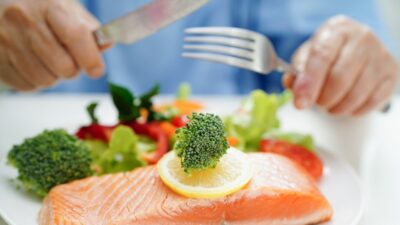
Anti-Inflammatory Diets Mitigate Risk of Dementia
A new study suggests that an anti-inflammatory diet can significantly reduce the risk of dementia and delay its onset even in people with existing cardiometabolic diseases [1]. Is it too

Inflammation May Drive Fat Distribution in Older People
A new study published in Aging Cell has detailed what happens to individual fat cells in white adipose tissue (WAT) as they age. When fat is more than just fat

A Botanical Extract Extends Lifespan and Healthspan in Mice
According to a new study, a polyphenol-rich natural extract positively impacts lifespan, healthspan, and cellular senescence. These results were observed in both cell culture and a mouse model [1]. From

NMN Increases Lifespan in Female Mice
A new preprint from David Sinclair’s lab has discovered that NMN supplementation started in midlife increases median and maximal lifespan in female mice and boosts healthspan in males [1]. NAD
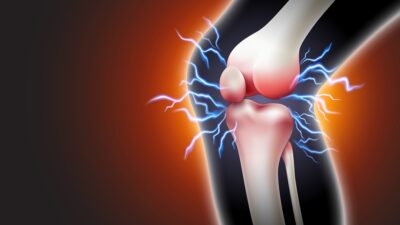
A Ketosis-Related Compound Alleviates Arthritis in Rats
In Aging Cell, researchers have published details on the pathway by which a compound commonly found in ketone bodies ameliorates osteoarthritis in a rat model. Chondrocytes are crucial in arthritis

Michael Antonov: from Oculus to Longevity Biotech
After Oculus was sold to Facebook for two billion dollars a decade ago, Michael Antonov, one of the founders, could have become a major tech investor, a popular podcaster with
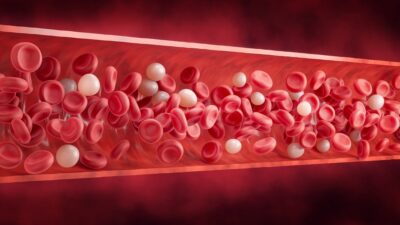
Immune Peptide Might Keep White Blood Cells Contained
In npj Aging, researchers have described how immune cell infiltration in inflammaging can be reduced with an immune-related peptide in a mouse model. Immune cell infiltration In a previous paper,
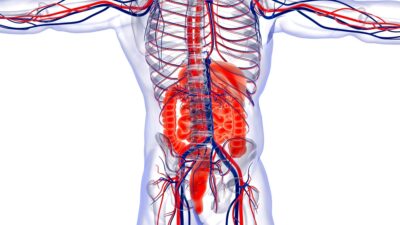
Fecal Microbiota Transplants Reduce Vascular Aging in Mice
Fecal microbiota transplantation from young mice to older mice improved multiple metabolic parameters and some hallmarks of aging, such as inflammation and telomere shortening [1]. Bringing back the balance Dysbiosis,

Weekend-Oriented Physical Activity Superior for Brain Health
According to a new study, “weekend warriors”, people who have most of their physical activity over one or two days a week, enjoy the most robust risk reduction for several brain health-related conditions [1]. Couch potato, except on weekends Exercise is universally necessary to stay healthy

Why Bone Destruction Is Accelerated with Aging
Researchers have described a relationship between the NAD+ regulator CD38, mitochondrial function, and the gradual destruction of bone in Aging Cell. Inflammation up, bone mass down It is well known that CD38, an enzyme that takes away NAD+, increases with age. The gradual depletion of this
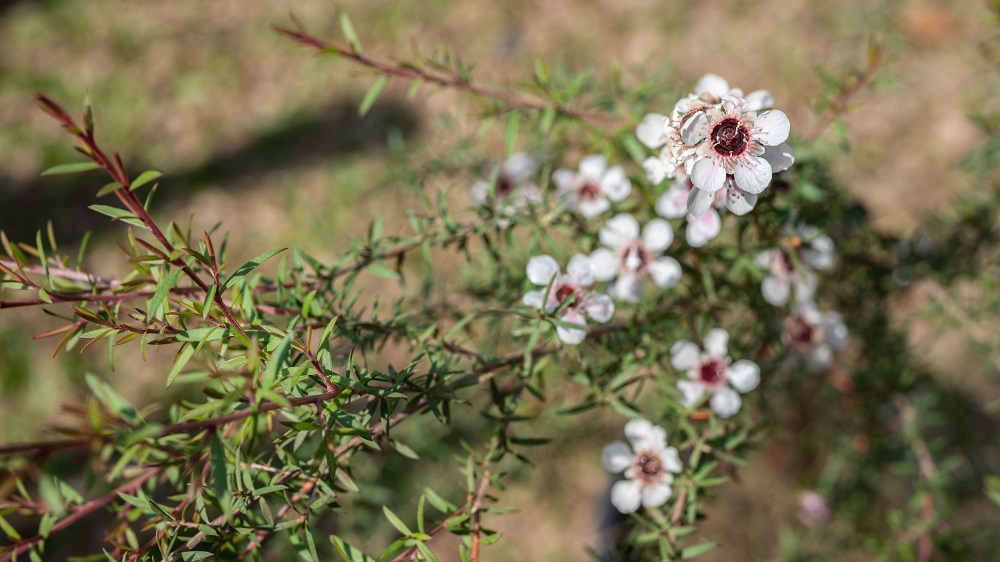
Manuka Honey Effective Against Breast Cancer in Mice
UCLA scientists have shown that Manuka, an exclusive honey variety, can quench estrogen receptor-positive breast cancer in vitro and in vivo [1]. Honey, kill that cancer Breast cancer remains the deadliest type of cancer in women, claiming more than 40 thousand victims a year in the
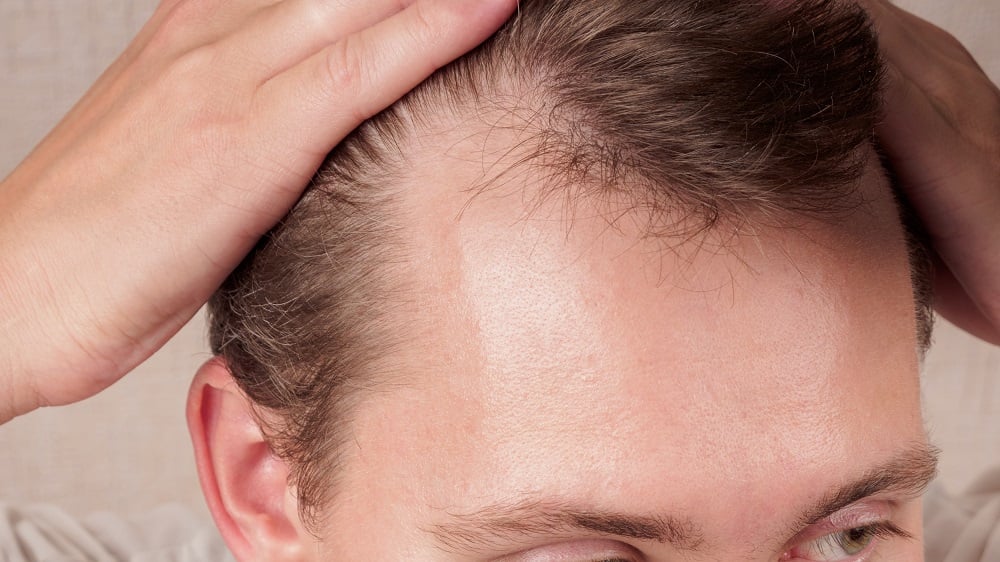
A Phase 2 Clinical Trial for Hair Loss
Los Angeles-based Pelage Pharmaceuticals has just announced a Phase 2a clinical trial for the treatment of androgenetic alopecia, also known as pattern baldness. It is thought that up to 50% of men experience hair loss as a result of pattern baldness by age 50. In this

High-Intensity Interval Training Improves Cognition
Cognitive decline is one of the risks associated with getting older, but new research suggests there may be a way to fight back. A new study suggests that high-intensity interval training improves spatial learning and maintains brain volume and connectivity [1]. Shrinking aging brain One of

Peter Diamandis: “Stay Healthy, Anti-Aging Tech is Coming”
To many people, Peter Diamandis needs no introduction, and to the rest, it’s going to be a long one. To put it as concisely as possible, Peter is a serial entrepreneur and investor in several fields, from commercial space flight to longevity biotech; a visionary speaker

Fighting Inflammation May Cause More Senescence
A researcher publishing in Biogerontology has reviewed the literature on the relationship between cellular senescence and the immune system, finding that dwindling immune surveillance allows senescent cells to accumulate. The immune system needs to be deadly On the cellular level, the bodies of vertebrates are brutal

Anti-Inflammatory Diets Mitigate Risk of Dementia
A new study suggests that an anti-inflammatory diet can significantly reduce the risk of dementia and delay its onset even in people with existing cardiometabolic diseases [1]. Is it too late to lower the risk? Cardiometabolic diseases, such as type 2 diabetes, heart attack, and stroke,

Inflammation May Drive Fat Distribution in Older People
A new study published in Aging Cell has detailed what happens to individual fat cells in white adipose tissue (WAT) as they age. When fat is more than just fat Previous research has described WAT as an organ in its own right, functioning not only as

A Botanical Extract Extends Lifespan and Healthspan in Mice
According to a new study, a polyphenol-rich natural extract positively impacts lifespan, healthspan, and cellular senescence. These results were observed in both cell culture and a mouse model [1]. From folk medicine to modern science Traditional and folk medicines offer many botanical extracts that can be
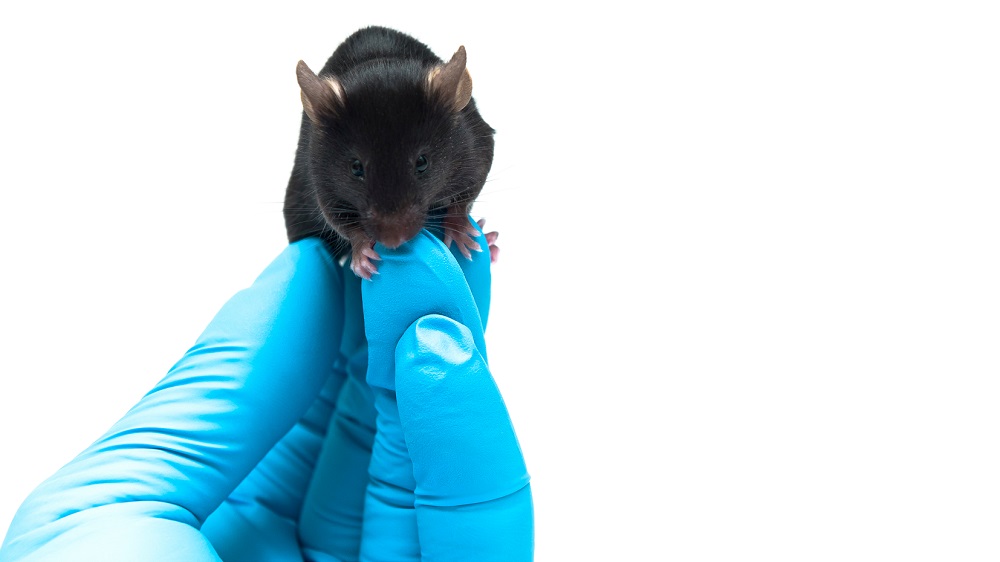
NMN Increases Lifespan in Female Mice
A new preprint from David Sinclair’s lab has discovered that NMN supplementation started in midlife increases median and maximal lifespan in female mice and boosts healthspan in males [1]. NAD and aging Nicotinamide adenine dinucleotide (NAD) is a ubiquitous metabolite that performs several crucial roles. NAD’s
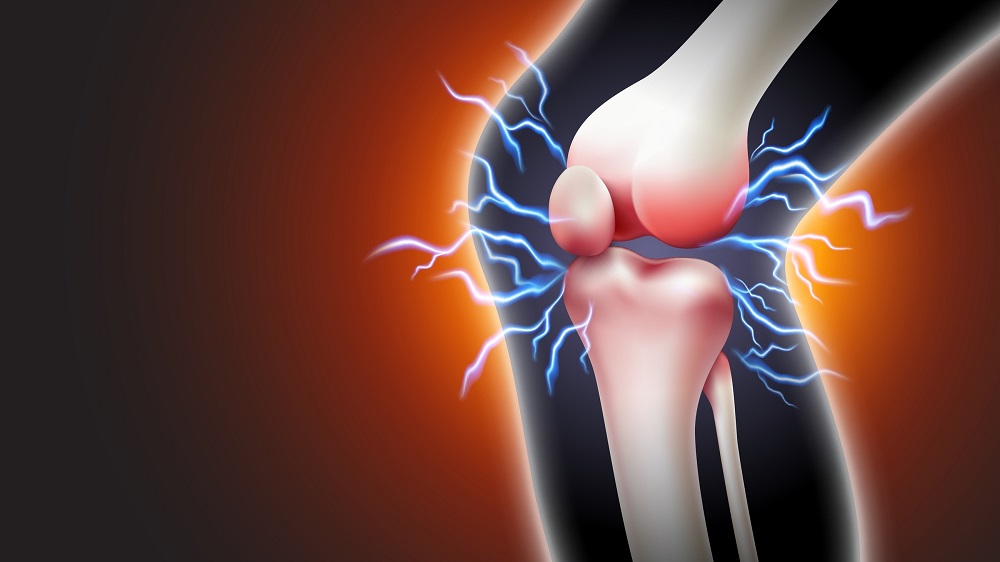
A Ketosis-Related Compound Alleviates Arthritis in Rats
In Aging Cell, researchers have published details on the pathway by which a compound commonly found in ketone bodies ameliorates osteoarthritis in a rat model. Chondrocytes are crucial in arthritis The cartilage holding joints together is built and maintained by chondrocytes, which synthesize such necessary proteins

Michael Antonov: from Oculus to Longevity Biotech
After Oculus was sold to Facebook for two billion dollars a decade ago, Michael Antonov, one of the founders, could have become a major tech investor, a popular podcaster with his own mega-theory of everything, a hedonist, or all of the above. Instead, he gravitated towards
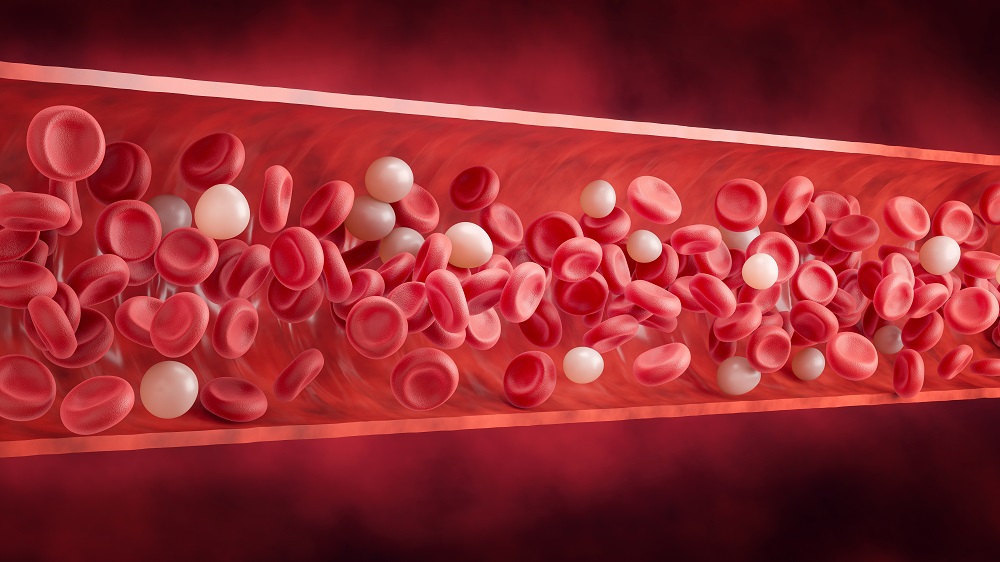
Immune Peptide Might Keep White Blood Cells Contained
In npj Aging, researchers have described how immune cell infiltration in inflammaging can be reduced with an immune-related peptide in a mouse model. Immune cell infiltration In a previous paper, these researchers have reported that aging affects the movement of white blood cells (leukocytes) in a

Fecal Microbiota Transplants Reduce Vascular Aging in Mice
Fecal microbiota transplantation from young mice to older mice improved multiple metabolic parameters and some hallmarks of aging, such as inflammation and telomere shortening [1]. Bringing back the balance Dysbiosis, an imbalance in the gut microbiome, is a newly recognized hallmark of aging [2]. Dysbiosis elevates