




B12 Is a Limiting Factor for Induced Cellular Plasticity
Due to Thanksgiving happening on our usual timeslot, the Journal Club returns on December 1st at 12 Eastern. The show will be livestreamed on the lifespan.io Facebook channel and hosted
Journal Club Nov – B12 and Cell Plasticity
Due to Thanksgiving happening on our usual timeslot, the Journal Club returns on December 1st at 12 Eastern. The show will be livestreamed on the lifespan.io Facebook channel and hosted

Predicting a Species’ Longevity Through Epigenetics
A preprint study published on bioRxiv discusses how a species’ maximum lifespan can be predicted by its epigenetics, showing that these differences are largely unaffected by interventions. Differences and similarities

Aging Might Blunt the Effects of Fasting
Scientists have found that in killifish, old age is associated with a dampened response to fasting and identified the protein that might be responsible. A similar mechanism might exist in
Some HIV-Fighting Drugs May Also Fight Aging
Publishing in Ageing Research Reviews, a team of researchers including Vera Gorbunova has described how a class of drugs originally used to treat HIV might be used to affect some

Dual-Purpose Molecular Targets for Cancer and Aging
A new study published in Aging Cell applied an artificial intelligence target discovery platform to aid in identifying potential dual-purpose targets for anti-aging and anti-cancer treatments [1]. Killing two birds
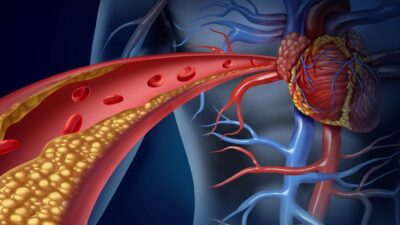
Young People More Vulnerable to Atherosclerosis Risk Factors
A new study suggests that increases in LDL cholesterol and systolic blood pressure elevate the risk of atherosclerosis progression more in younger than in older people. The good news is
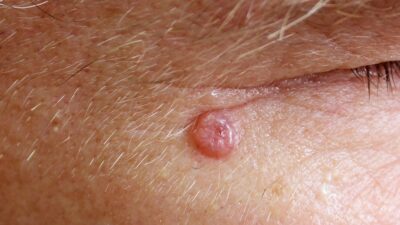
Skin Collagen Loss Makes It Easier For Cancer To Grow
A new paper published in Nature has described how the aging extracellular matrix makes it easier for cancer to grow. When cancer is skin deep Under normal circumstances, we lose

An Anonymous Longevity Enthusiast Unmasks Himself
A prolific anonymous poster who became popular in the longevity community has revealed his identity, and other longevity luminaries have chimed in. The anonym Anonymity is seldom practiced in the
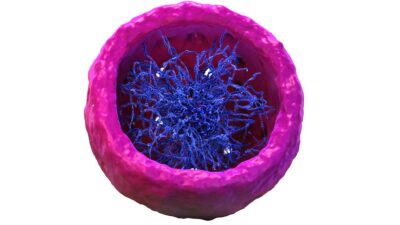
Pushing Forward on Understanding Cellular Decline
Researchers publishing in Nature Aging have investigated one of the core biological reasons behind the decline of stem cells’ ability to proliferate. Heterochromatin and euchromatin The genetic component of cells
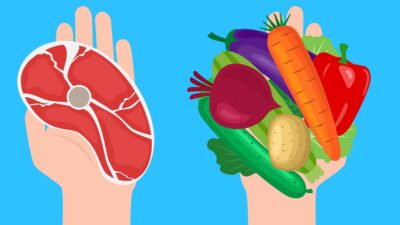
Plant-Based Alternatives Are Associated With Less Disease
A new meta-analysis has found that in many cases, switching from an animal product to a plant-based alternative is associated with less cardiovascular, diabetes, and all-cause mortality risk [1]. Supplant
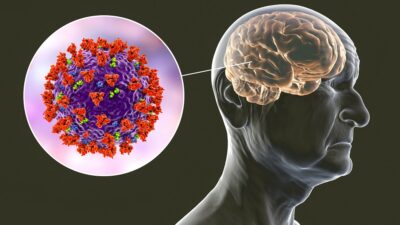
Senolytics May Work Against Long COVID in the Brain
A new publication in Nature Aging has used organoids and model mice to discover that senolytics may be effective treatments for neurodegeneration caused by long COVID. A link between COVID-19
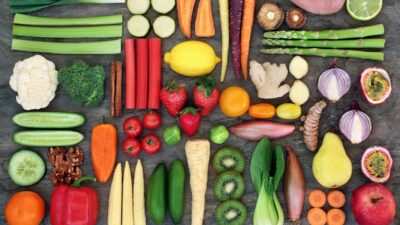
Promoting Health and Longevity Through Diet
A review published in the Journal of Internal Medicine summarized current knowledge on the impact of dietary factors on chronic diseases and longevity [1]. Restrict calories, live healthier and longer
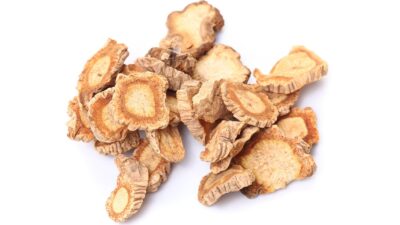
Saposhnikovia Root Extract Improves Tendon Repair
A new study has identified a molecule found in Saposhnikovia root as a potent mediator of tendon regeneration in rats. The results were also replicated in human cells [1]. Aging
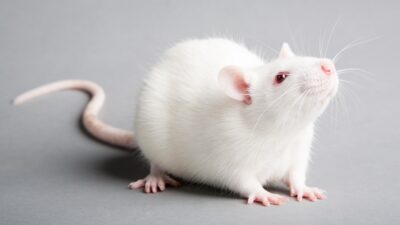
Targeting Metabolism to Protect Against Stroke
Japanese researchers publishing in Aging have described how improving the AMPK metabolic pathway improves outcomes in a rat model of stroke. Targeting metabolism directly This paper begins with a look

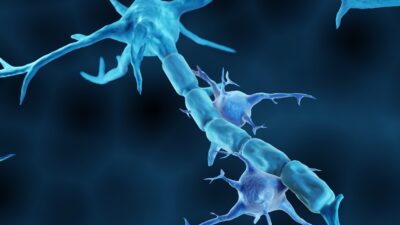
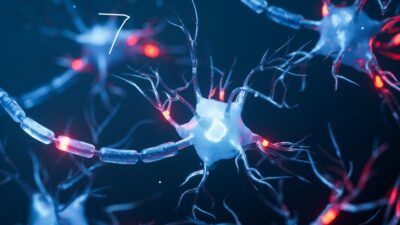
B12 Is a Limiting Factor for Induced Cellular Plasticity
Due to Thanksgiving happening on our usual timeslot, the Journal Club returns on December 1st at 12 Eastern. The show will be livestreamed on the lifespan.io Facebook channel and hosted by Dr. Oliver Medvedik. This month, we will be taking a look at a new paper
Journal Club Nov – B12 and Cell Plasticity
Due to Thanksgiving happening on our usual timeslot, the Journal Club returns on December 1st at 12 Eastern. The show will be livestreamed on the lifespan.io Facebook channel and hosted by Dr. Oliver Medvedik. This month we will be taking a look at a new paper

Predicting a Species’ Longevity Through Epigenetics
A preprint study published on bioRxiv discusses how a species’ maximum lifespan can be predicted by its epigenetics, showing that these differences are largely unaffected by interventions. Differences and similarities in mammals The researchers begin their paper with a note that bowhead whales live over a

Aging Might Blunt the Effects of Fasting
Scientists have found that in killifish, old age is associated with a dampened response to fasting and identified the protein that might be responsible. A similar mechanism might exist in humans [1]. Fast less furious Various fasting regimens are thought to confer health and longevity benefits
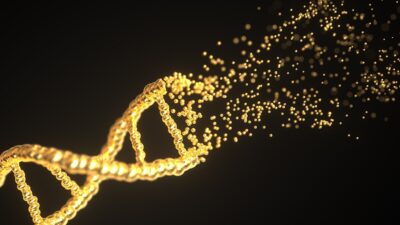
Some HIV-Fighting Drugs May Also Fight Aging
Publishing in Ageing Research Reviews, a team of researchers including Vera Gorbunova has described how a class of drugs originally used to treat HIV might be used to affect some of the hallmarks of aging. Inhibiting DNA changes DNA transcription, which transfers DNA code into the

Dual-Purpose Molecular Targets for Cancer and Aging
A new study published in Aging Cell applied an artificial intelligence target discovery platform to aid in identifying potential dual-purpose targets for anti-aging and anti-cancer treatments [1]. Killing two birds with one stone Aging, as is the case with many diseases, is a risk factor for

Young People More Vulnerable to Atherosclerosis Risk Factors
A new study suggests that increases in LDL cholesterol and systolic blood pressure elevate the risk of atherosclerosis progression more in younger than in older people. The good news is that this can be reversed [1]. Creeping atherosclerosis Atherosclerosis is a major risk factor for cardiovascular
Skin Collagen Loss Makes It Easier For Cancer To Grow
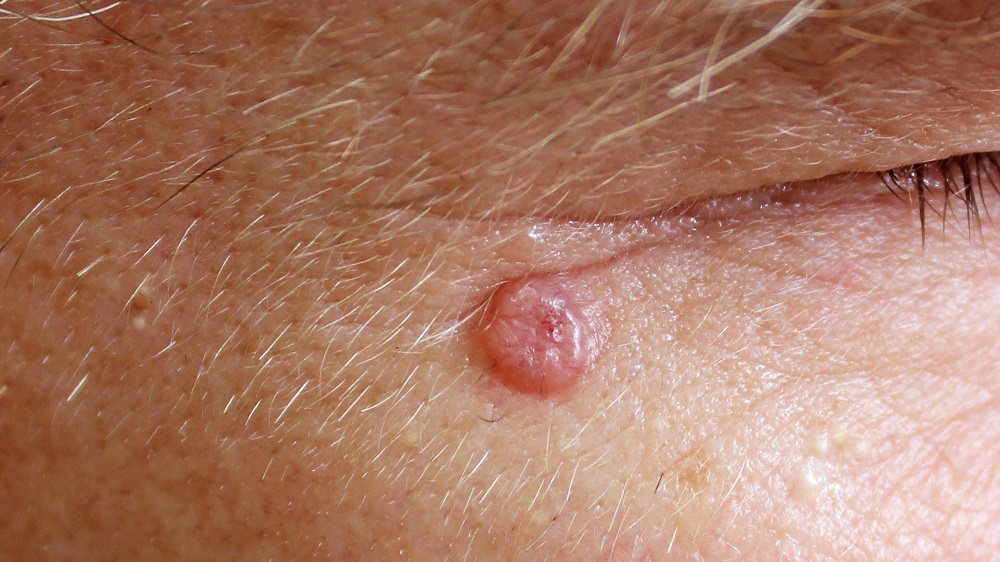
A new paper published in Nature has described how the aging extracellular matrix makes it easier for cancer to grow. When cancer is skin deep Under normal circumstances, we lose and regain skin cells constantly. Old skin flakes away, and stem cells constantly divide and differentiate

An Anonymous Longevity Enthusiast Unmasks Himself
A prolific anonymous poster who became popular in the longevity community has revealed his identity, and other longevity luminaries have chimed in. The anonym Anonymity is seldom practiced in the longevity community. Everyone knows everyone, and on social media, most people use their real names rather

Pushing Forward on Understanding Cellular Decline
Researchers publishing in Nature Aging have investigated one of the core biological reasons behind the decline of stem cells’ ability to proliferate. Heterochromatin and euchromatin The genetic component of cells is comprised of two main parts: heterochromatin and euchromatin. Heterochromatin is largely silent, as it is

Plant-Based Alternatives Are Associated With Less Disease
A new meta-analysis has found that in many cases, switching from an animal product to a plant-based alternative is associated with less cardiovascular, diabetes, and all-cause mortality risk [1]. Supplant with plant? Whether a completely or mostly plant-based diet is good for you has been the
Senolytics May Work Against Long COVID in the Brain
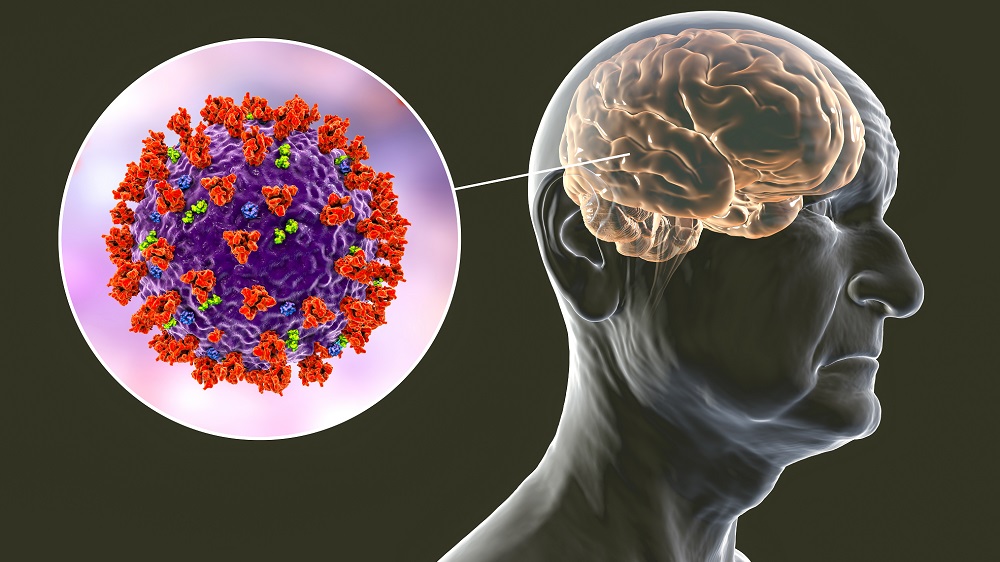
A new publication in Nature Aging has used organoids and model mice to discover that senolytics may be effective treatments for neurodegeneration caused by long COVID. A link between COVID-19 and cellular senescence Post-acute infection syndromes (PAISes) are caused by a variety of viral and bacterial

Promoting Health and Longevity Through Diet
A review published in the Journal of Internal Medicine summarized current knowledge on the impact of dietary factors on chronic diseases and longevity [1]. Restrict calories, live healthier and longer The choice of what someone eats obviously has a profound impact on that person’s health, but

Saposhnikovia Root Extract Improves Tendon Repair
A new study has identified a molecule found in Saposhnikovia root as a potent mediator of tendon regeneration in rats. The results were also replicated in human cells [1]. Aging does not spare tendons Like with many tissues, the health of tendons, which are central to
Targeting Metabolism to Protect Against Stroke
Japanese researchers publishing in Aging have described how improving the AMPK metabolic pathway improves outcomes in a rat model of stroke. Targeting metabolism directly This paper begins with a look back at previous research on the focus of this study, 5′-adenosine monophosphate-activated protein kinase (AMPK). This