




Mediterranean, Keto, and Plant-Based Diets Vs. Cancer
A new review summarizes what we know about the Mediterranean, keto, and plant-based diets and their effects on cancer risk and progression [1]. Diet matters Since the War on Cancer

Cells Regularly Donate Mitochondria to One Another
In a review published in Nature, researchers have explained how and why cells transfer mitochondria to one another, proposing that this transfer allows organisms to be more resilient against energy deficiencies.

Olive Oil Fights Cognitive Decline in Clinical Trials
In a recent review published in Frontiers in Nutrition, the researchers reviewed studies linking olive oil consumption to cognitive performance [1]. Dietary interventions to improve cognition As life expectancy rises,

Lifestyle Interventions Against Cellular Senescence
A new review summarizes our knowledge about lifestyle interventions, such as exercise, healthy diet, and good sleep, that can possibly reduce cellular senescence [1]. What do we do with a
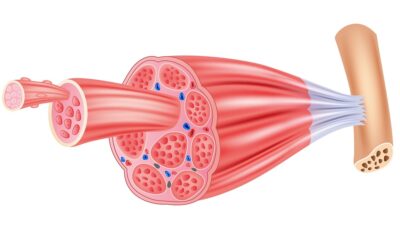
Tweaking the Growth of Stem Cells for Better Therapies
Researchers publishing in ACS Nano have described how culturing stem cells on nanogratings instead of flat substrates changes the effects of the extracellular vesicles (EVs) they send, potentially paving the

Epigenetic Age Accelerated By Drinking Alcohol
A new study has found that higher levels of long-term alcohol consumption are associated with a larger gap between the person’s biological and chronological age, but not in the young

Predicting Future Frailty with an Epigenetic Clock
An accepted manuscript in the Journals of Gerontology has described how a third-generation epigenetic clock is a predictor of future frailty. Are epigenetic and physiological metrics connected? This paper begins
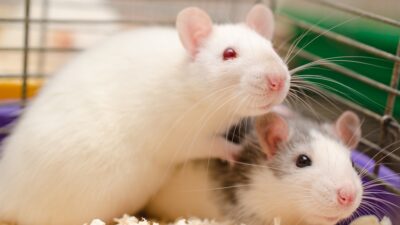
Hyperbaric Oxygen Therapy Improves Bone Health in Rats
Scientists have demonstrated that hyperbaric oxygen therapy can reverse some aspects of bone deterioration caused by aging and obesity in rats [1]. Under pressure Hyperbaric oxygen therapy (HBOT) involves placing
Longevity and DeSci Recap – October 2023
Welcome back to the latest edition of the Longevity and DeSci Recap. Here, you’ll discover the latest interviews, insights, and research in the longevity tech sphere over the past month,
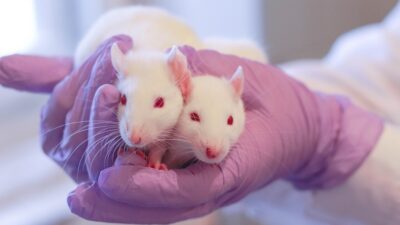
Bacteria from Alzheimer’s Patients Induced Symptoms in Rats
New research published in Brain investigated the influence of fecal microbiota transplants from Alzheimer’s patients on cognitive function and neurogenesis in rats and human cell cultures [1]. Microbiota-gut-brain axis There

Rejuvenation Roundup October 2023
As we head towards the end of fall, biotechnology companies have made greater investments into rejuvenation as research advancements have shown what might be possible. Here’s what’s happened in October.

Metabolically Healthy Obesity Still Increases Diabetes Risk
A new study suggests that while it is possible to be both obese and healthy, this phenotype considerably increases the risk of getting diabetes, mainly because it is hard to

A Reason Brain Protection Fails As We Age
Researchers publishing in GeroScience have discovered the molecular mechanisms through which fibrinogen, a protein that increases with aging, causes toxic compounds to more easily leak into the brain. The deteriorating

Plasma from Young Pigs Halves Old Rats’ Epigenetic Age
A new study used a plasma fraction from young pigs to robustly reduce the biological age of old rats. This could potentially open doors to rejuvenation in humans [1]. The
Resveratrol May Improve Mitochondrial Function
According to a review published in Food Science and Human Wellness, resveratrol has a positive impact on mitochondrial dysfunction, one of the hallmarks of aging. A hallmark with downstream consequences

Mediterranean, Keto, and Plant-Based Diets Vs. Cancer
A new review summarizes what we know about the Mediterranean, keto, and plant-based diets and their effects on cancer risk and progression [1]. Diet matters Since the War on Cancer began in the early 1970s, science has made giant strides in understanding and treating cancer. However,

Cells Regularly Donate Mitochondria to One Another
In a review published in Nature, researchers have explained how and why cells transfer mitochondria to one another, proposing that this transfer allows organisms to be more resilient against energy deficiencies. A relatively recent discovery It was not until 2006 when a team of researchers realized that
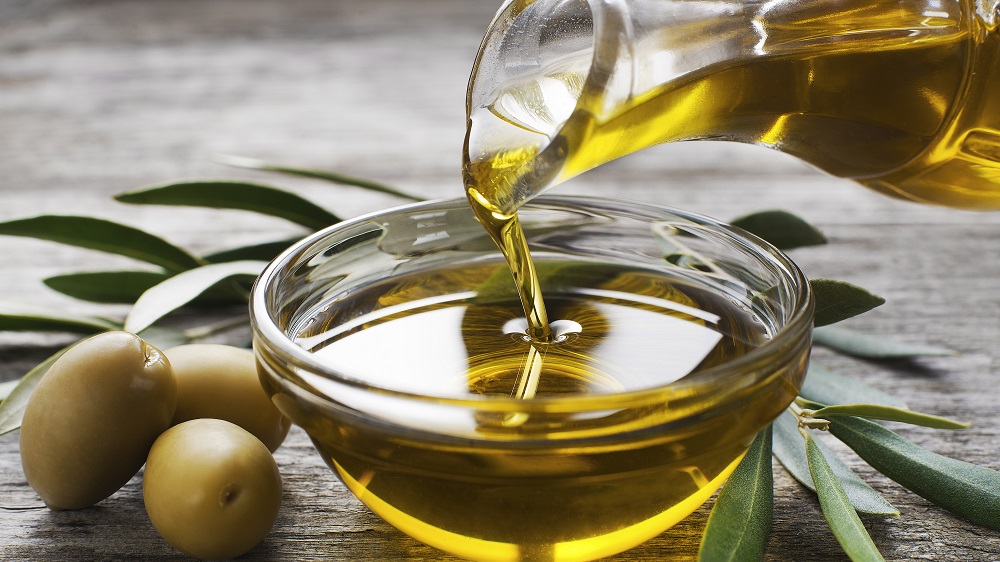
Olive Oil Fights Cognitive Decline in Clinical Trials
In a recent review published in Frontiers in Nutrition, the researchers reviewed studies linking olive oil consumption to cognitive performance [1]. Dietary interventions to improve cognition As life expectancy rises, there is an increasing number of elderly people, many of whom struggle with cognitive decline. However,

Lifestyle Interventions Against Cellular Senescence
A new review summarizes our knowledge about lifestyle interventions, such as exercise, healthy diet, and good sleep, that can possibly reduce cellular senescence [1]. What do we do with a senescent cell? Senescent cells play a complex role. In some contexts, such as early organismal development

Tweaking the Growth of Stem Cells for Better Therapies
Researchers publishing in ACS Nano have described how culturing stem cells on nanogratings instead of flat substrates changes the effects of the extracellular vesicles (EVs) they send, potentially paving the way to a new system of therapies. When signaling is critical Many of the effects of

Epigenetic Age Accelerated By Drinking Alcohol
A new study has found that higher levels of long-term alcohol consumption are associated with a larger gap between the person’s biological and chronological age, but not in the young [1]. Don’t drink and age It is common knowledge that excessive drinking can be quite harmful

Predicting Future Frailty with an Epigenetic Clock
An accepted manuscript in the Journals of Gerontology has described how a third-generation epigenetic clock is a predictor of future frailty. Are epigenetic and physiological metrics connected? This paper begins with an examination of two different methods of measuring aging processes. The first is the well-known

Hyperbaric Oxygen Therapy Improves Bone Health in Rats
Scientists have demonstrated that hyperbaric oxygen therapy can reverse some aspects of bone deterioration caused by aging and obesity in rats [1]. Under pressure Hyperbaric oxygen therapy (HBOT) involves placing the patient in a chamber with elevated levels of oxygen and atmospheric pressure. HBOT has been
Longevity and DeSci Recap – October 2023
Welcome back to the latest edition of the Longevity and DeSci Recap. Here, you’ll discover the latest interviews, insights, and research in the longevity tech sphere over the past month, and learn more about blockchain, DAOs, cryptocurrency, DeSci, and events. This October saw ExcepGEN, a genetic
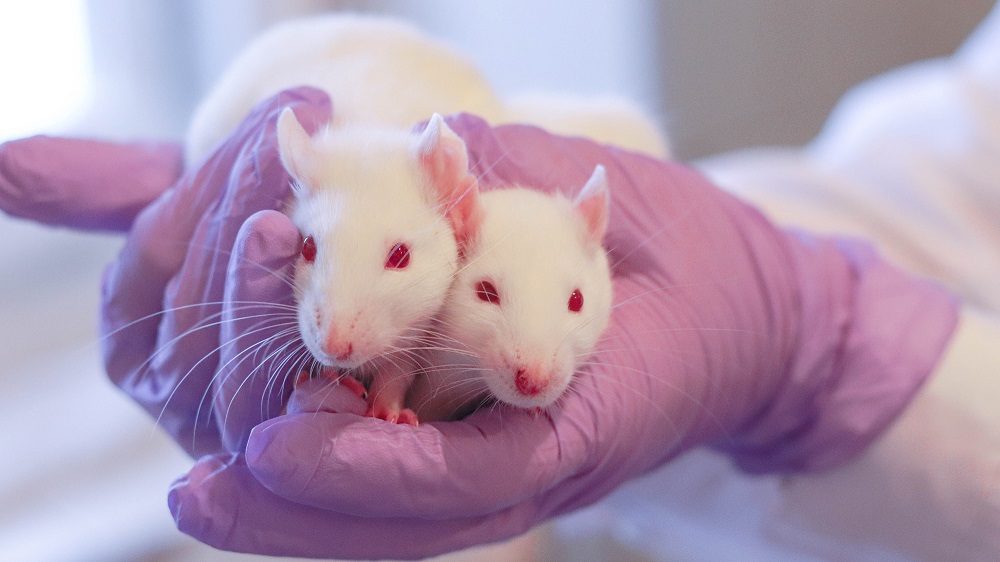
Bacteria from Alzheimer’s Patients Induced Symptoms in Rats
New research published in Brain investigated the influence of fecal microbiota transplants from Alzheimer’s patients on cognitive function and neurogenesis in rats and human cell cultures [1]. Microbiota-gut-brain axis There is a growing body of research reporting changes to the composition and metabolites in the microbiomes

Rejuvenation Roundup October 2023
As we head towards the end of fall, biotechnology companies have made greater investments into rejuvenation as research advancements have shown what might be possible. Here’s what’s happened in October. LEAF News Help Us Solve Aging With Cryptocurrency: If you want to contribute to lifespan.io and

Metabolically Healthy Obesity Still Increases Diabetes Risk
A new study suggests that while it is possible to be both obese and healthy, this phenotype considerably increases the risk of getting diabetes, mainly because it is hard to maintain [1]. Chubby and happy? Obesity is a known comorbidity in numerous chronic conditions, including age-related

A Reason Brain Protection Fails As We Age
Researchers publishing in GeroScience have discovered the molecular mechanisms through which fibrinogen, a protein that increases with aging, causes toxic compounds to more easily leak into the brain. The deteriorating blood-brain barrier In the brain, the microvessels (MVs) that are responsible for carrying blood to neurons

Plasma from Young Pigs Halves Old Rats’ Epigenetic Age
A new study used a plasma fraction from young pigs to robustly reduce the biological age of old rats. This could potentially open doors to rejuvenation in humans [1]. The blood connection People have been trying to use young blood to rejuvenate old organisms for millennia,
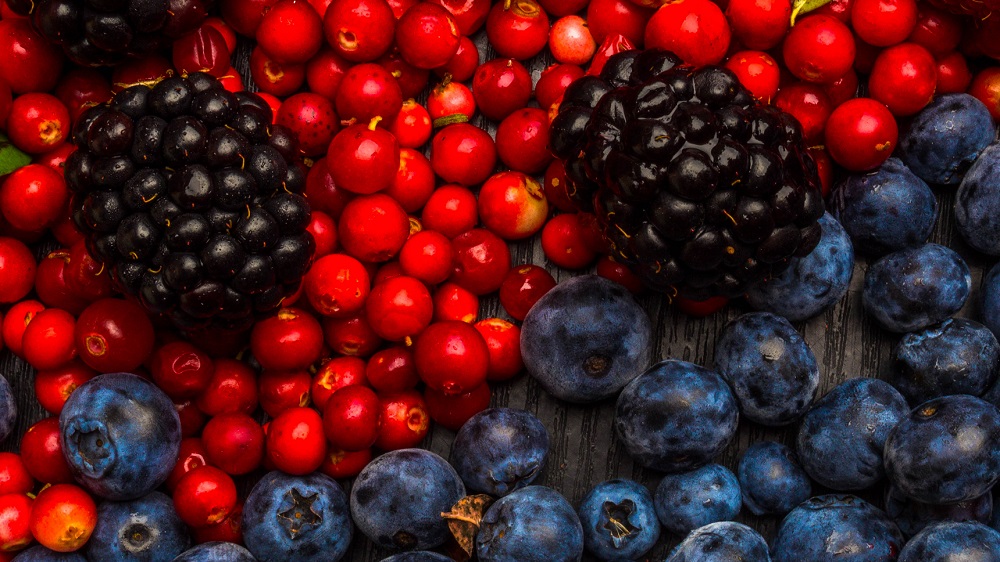
Resveratrol May Improve Mitochondrial Function
According to a review published in Food Science and Human Wellness, resveratrol has a positive impact on mitochondrial dysfunction, one of the hallmarks of aging. A hallmark with downstream consequences The reviewers begin this paper by discussing various chronic and age-related diseases associated with mitochondrial dysfunction,