




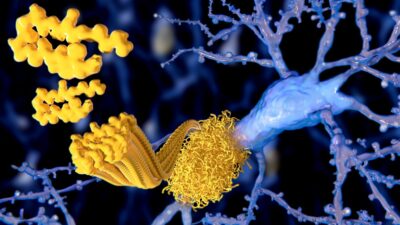
Arginine Reduces Signs of Alzheimer’s in Mice
In a new study, the amino acid arginine shows promise in animal models of amyloid aggregation due to its ability to promote protein folding. The researchers suggest that it could

Rejuvenation Roundup November 2025
Many researchers in the United States have finished eating turkey and begun shopping, but their work continues. Here’s what people around the world have been doing to fight aging in
A Subtype of T Cells Counters Senescence in Mice
Scientists have discovered that a cytotoxic subtype of CD4 T cells, which is enriched in old people, helps control cellular senescence. This hints at a new type of anti-senescence strategy

An AI-Based System Has Found a Potential Longevity Drug
In a preprint published in bioRxiv, Prof. Vadim Gladyshev and a team of researchers have used an artificial intelligence-based system to discover a wide variety of potential interventions, including a
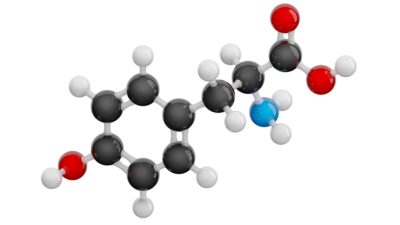
The Roles of Phenylalanine and Tyrosine in Lifespan
A recent study investigated the impact of two amino acids, phenylalanine and tyrosine, on lifespan using UK Biobank data. The researchers reported an association between tyrosine and shorter lifespan, with
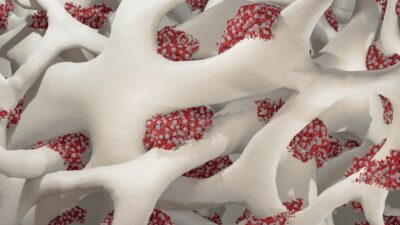
Fixing Lysosomes Improves Blood Stem Cell Function
In a recent study, scientists have demonstrated that lysosomal dysfunction actively decreases the potency of hematopoietic stem cells. Calming lysosomes reversed this process, opening avenues for new treatments [1]. Few

Nanoparticles Improve Intercellular Mitochondrial Transfer
Scientists have created “nanoflowers” that nudge donor cells to produce more mitochondria, which can then be transferred to recipient cells to boost their mitochondrial function [1]. Mitochondrial transfer is difficult

George Church on Building “Scientific Superintelligence”
George Church, a Harvard professor and a famed geroscientist, is also known as a serial entrepreneur who has co-founded dozens of biotech companies. While Church maintains that he’s involved in
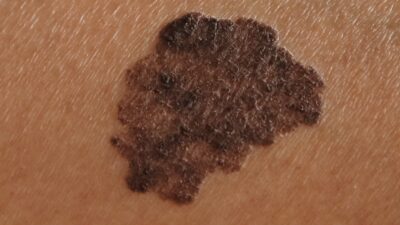
How Senescent Cells Encourage Melanoma Growth
Researchers publishing in Aging Cell have documented a key reason why older people are much more likely to get melanoma. Why older people have significantly worse melanoma cases While melanoma

The Impact of Plant Polyphenols on Ovarian Aging
A recent review in the Journal of Ovarian Research summarizes current knowledge of the impact of various polyphenols on different aspects of ovarian aging. The researchers discuss that polyphenol supplementation

Improved Stem Cells Rejuvenate the Brains of Monkeys
Scientists have genetically modified human mesenchymal progenitor cells to express a more potent version of the “longevity gene” FOXO3, producing rejuvenative effects in monkeys, mice, and human cells [1]. Making

A Sarcopenia-Related MicroRNA May Help Pinpoint Its Origin
In Aging Cell, researchers have discovered a potential way to use a microRNA to diagnose sarcopenia, the age-related loss of muscle. Primary and secondary sarcopenia Previous research has been able
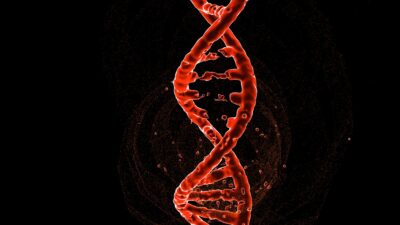
NAD+ Rescues Mouse Tauopathy by Fixing Alternative Splicing
A new study reveals a surprising mechanism that might be behind the beneficial effects of NAD+ in preclinical models of Alzheimer’s [1]. Which way to splice it? Not every part

The Key Questions of Longevity Research
In GeroScience, a large team of researchers, including João Pedro de Magalhães, has described a hundred currently unsolved problems in the field. Finding the right questions Understanding the fundamental nature

If Death Were Optional, Would You Still Choose It?
The idea of living longer, healthier lives thanks to rejuvenation biotechnology has steadily become more common. Gradually increasing numbers of articles are discussing this idea, especially as science is starting
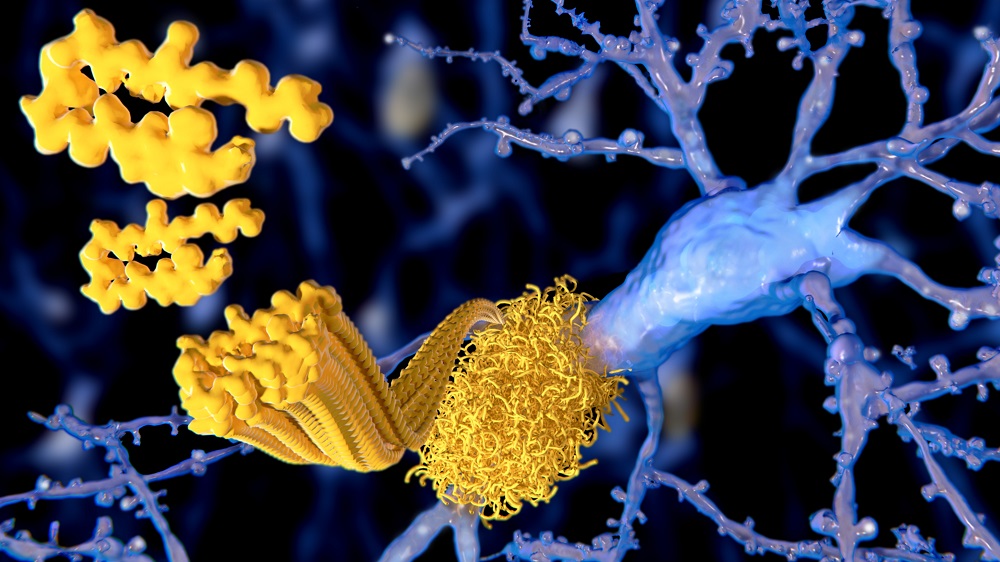
Arginine Reduces Signs of Alzheimer’s in Mice
In a new study, the amino acid arginine shows promise in animal models of amyloid aggregation due to its ability to promote protein folding. The researchers suggest that it could be useful for early prevention and treatment of Alzheimer’s [1]. Hold it and fold it Amino

Rejuvenation Roundup November 2025
Many researchers in the United States have finished eating turkey and begun shopping, but their work continues. Here’s what people around the world have been doing to fight aging in November. Interviews George Church on Building “Scientific Superintelligence”: This involves creating an array of AI models
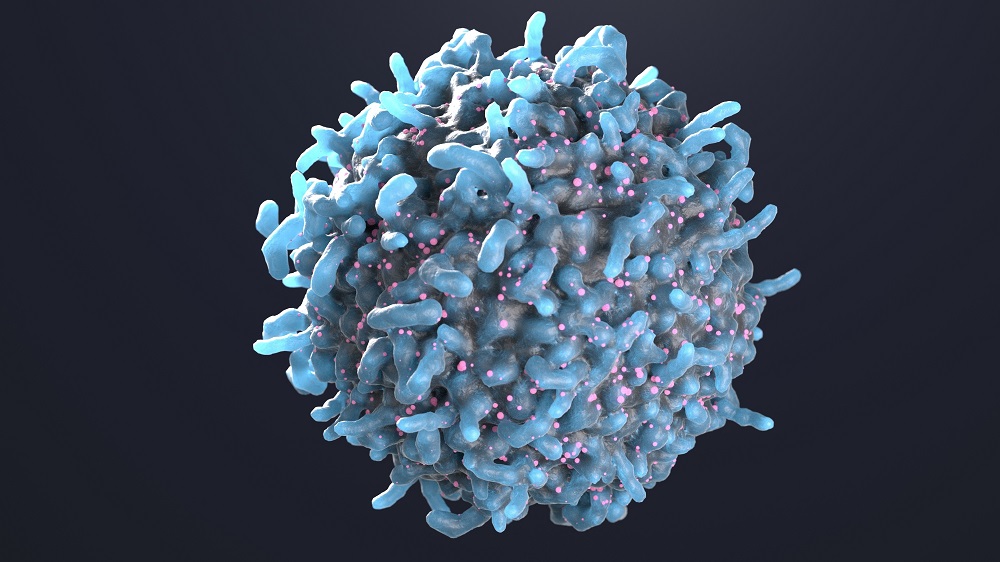
A Subtype of T Cells Counters Senescence in Mice
Scientists have discovered that a cytotoxic subtype of CD4 T cells, which is enriched in old people, helps control cellular senescence. This hints at a new type of anti-senescence strategy but also suggests that an immune system can be “overly youthful.” When generals become fighters CD4

An AI-Based System Has Found a Potential Longevity Drug
In a preprint published in bioRxiv, Prof. Vadim Gladyshev and a team of researchers have used an artificial intelligence-based system to discover a wide variety of potential interventions, including a drug that significantly improves biomarkers of frailty in mice. Repurposing previous data Previous research efforts have
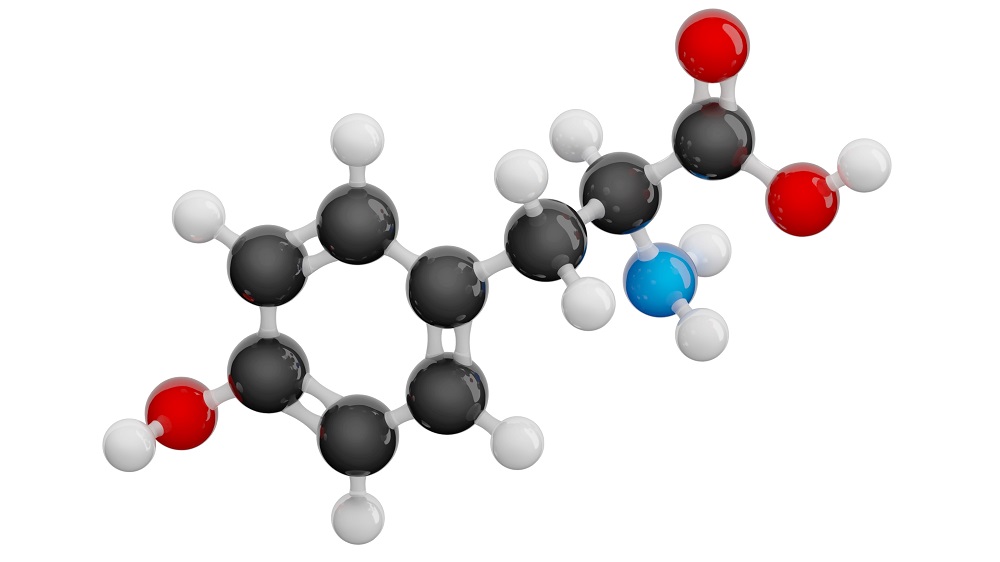
The Roles of Phenylalanine and Tyrosine in Lifespan
A recent study investigated the impact of two amino acids, phenylalanine and tyrosine, on lifespan using UK Biobank data. The researchers reported an association between tyrosine and shorter lifespan, with sex-specific differences. The results for phenylalanine were more inconsistent [1]. One by one Model animal research
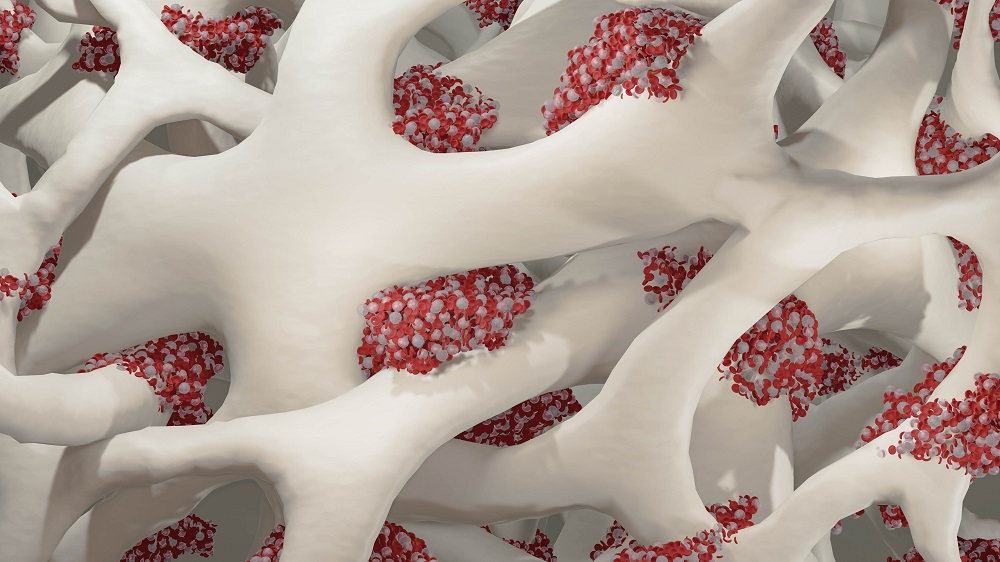
Fixing Lysosomes Improves Blood Stem Cell Function
In a recent study, scientists have demonstrated that lysosomal dysfunction actively decreases the potency of hematopoietic stem cells. Calming lysosomes reversed this process, opening avenues for new treatments [1]. Few and far between Hematopoietic stem cells (HSCs) are rare and precious: they produce blood progenitor cells,

Nanoparticles Improve Intercellular Mitochondrial Transfer
Scientists have created “nanoflowers” that nudge donor cells to produce more mitochondria, which can then be transferred to recipient cells to boost their mitochondrial function [1]. Mitochondrial transfer is difficult to improve Energy is required for life, and most energy in our cells is produced by

George Church on Building “Scientific Superintelligence”
George Church, a Harvard professor and a famed geroscientist, is also known as a serial entrepreneur who has co-founded dozens of biotech companies. While Church maintains that he’s involved in them all, one company has been seeing an unusual amount of his attention: Lila Sciences, where

How Senescent Cells Encourage Melanoma Growth
Researchers publishing in Aging Cell have documented a key reason why older people are much more likely to get melanoma. Why older people have significantly worse melanoma cases While melanoma is much more treatable now than in the past, it still remains a serious danger. Melanoma

The Impact of Plant Polyphenols on Ovarian Aging
A recent review in the Journal of Ovarian Research summarizes current knowledge of the impact of various polyphenols on different aspects of ovarian aging. The researchers discuss that polyphenol supplementation could be used as an intervention to delay ovarian aging [1]. Every woman’s problem Ovarian aging

Improved Stem Cells Rejuvenate the Brains of Monkeys
Scientists have genetically modified human mesenchymal progenitor cells to express a more potent version of the “longevity gene” FOXO3, producing rejuvenative effects in monkeys, mice, and human cells [1]. Making aging-resistant cells Stem cell exhaustion is one of the mechanisms of aging. Replenishing the aging stem

A Sarcopenia-Related MicroRNA May Help Pinpoint Its Origin
In Aging Cell, researchers have discovered a potential way to use a microRNA to diagnose sarcopenia, the age-related loss of muscle. Primary and secondary sarcopenia Previous research has been able to distinguish sarcopenia by its sources. Primary sarcopenia directly comes from the processes of aging, while

NAD+ Rescues Mouse Tauopathy by Fixing Alternative Splicing
A new study reveals a surprising mechanism that might be behind the beneficial effects of NAD+ in preclinical models of Alzheimer’s [1]. Which way to splice it? Not every part of a DNA sequence gets translated into a protein. Each sequence consists of exons, which are

The Key Questions of Longevity Research
In GeroScience, a large team of researchers, including João Pedro de Magalhães, has described a hundred currently unsolved problems in the field. Finding the right questions Understanding the fundamental nature of aging has been a problem since people first endeavored to live longer, to the point

If Death Were Optional, Would You Still Choose It?
The idea of living longer, healthier lives thanks to rejuvenation biotechnology has steadily become more common. Gradually increasing numbers of articles are discussing this idea, especially as science is starting to catch up and may eventually even deliver on it. With that in mind, I was