





Andrea Maier on Longevity Medicine for All
Dr. Andrea Maier, Oon Chiew Seng Professor in Medicine at the National University of Singapore, is a veteran geroscientist and one of the most familiar faces in the rising field

Addressing Age-Related Vision Decline With Lipid Supplements
Researchers have partially reversed age-related vision decline in mice by injecting lipids directly into the retina [1]. The lipids in the retina The membranes that surround our cells are made

Tiny Brain Organoids Show Promise in Alzheimer’s Research
Scientists have developed a novel multicellular integrated brain model to study neurological diseases, incorporating all six major brain cell types derived from patient-specific induced pluripotent stem cells (iPSCs) [1]. Beyond

How Being in Orbit Affects Stem Cells
In Cell Stem Cell, researchers from the Cedars-Sinai Medical Center have published a review discussing what experiments conducted in space can do for stem cell research and medical research as

Female-Specific Mechanism of Neurodegeneration Discovered
Scientists have found that a gene on the X chromosome, which escapes silencing, promotes inflammation and neurodegeneration in a mouse model of multiple sclerosis, but the effects can be reversed

Infrared Lasers Clear Harmful Compounds in Mouse Brains
Researchers have discovered that infrared lasers promote the clearance of toxic metabolites from the brains of age-accelerated mice by improving lymphatic drainage. Gunking up the works Advanced glycation end-products (AGEs),
Interventions Testing Program Finds Three New Compounds
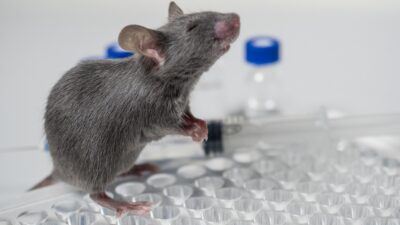
A new report from the Interventions Testing Program adds three new compounds to the list of lifespan-extending compounds confirmed during their experiments: epicatechin, halofuginone, and mitoglitazone [1]. Rigorous testing The National

Why Naked Mole Rats Have Better DNA Repair
Scientists have found that the cGAS protein in naked mole rats, a famously long-lived species, boosts DNA repair, while the human version tends to hamper it. The difference boils down

Researchers Identify Key Age-Related Genes
In Aging Cell, researchers have described core genes that apply to a wide variety of species and appear to be causal drivers of aging. Looking for signals in the noise

Nanoparticles Potently Reverse Alzheimer’s in Mice
Scientists have created polymersomes, a type of nanoparticle, that latch onto a master regulator of amyloid-beta clearance, diverting it towards a more efficient route. The treatment drained Aβ from mouse

A Public Website for Evaluating Potential Anti-Aging Drugs
Researchers publishing in the International Journal of Molecular Sciences have showcased their creation of PASS GERO, a public-facing application that allows researchers to evaluate potential anti-aging compounds. Taking a PASS
Impact of Off-Label Low-Dose Rapamycin on Healthy Adults
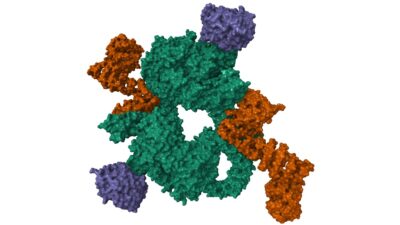
A team of scientists has reviewed the clinical data regarding low-dose rapamycin therapy in healthy adults. They concluded that, while there is plenty of preclinical data regarding the impact of
Meet ALSAE: Improving the Cultural Image of Longevity
To challenge cultural stereotypes and misconceptions about longevity, a new organization aims to engage people who create culture. Its list of “cultural ambassadors” includes Oscar- and Grammy-winning artists. Reframing the
Partial Reprogramming Enhances Nerve Repair in Rats
In Advanced Science, a team of researchers has explained how partial cellular reprogramming through the OSKM factors restores nerve repair ability to older animals. Stress as a signal This paper

Sam Sharifi on Fixing Our DNA
Among the hallmarks of aging, DNA damage is both one of the most important and one of the hardest to crack. A couple of years ago, when I first learned

Andrea Maier on Longevity Medicine for All
Dr. Andrea Maier, Oon Chiew Seng Professor in Medicine at the National University of Singapore, is a veteran geroscientist and one of the most familiar faces in the rising field of longevity medicine, which aims to translate the early successes of geroscience into clinical practice. Parallel

Addressing Age-Related Vision Decline With Lipid Supplements
Researchers have partially reversed age-related vision decline in mice by injecting lipids directly into the retina [1]. The lipids in the retina The membranes that surround our cells are made of lipids and proteins. The composition of lipids, which changes as we age, impacts many biophysical

Tiny Brain Organoids Show Promise in Alzheimer’s Research
Scientists have developed a novel multicellular integrated brain model to study neurological diseases, incorporating all six major brain cell types derived from patient-specific induced pluripotent stem cells (iPSCs) [1]. Beyond organoids Organoids, tiny lab-grown patches of tissue, are a promising tool for accelerating medical research [2].

How Being in Orbit Affects Stem Cells
In Cell Stem Cell, researchers from the Cedars-Sinai Medical Center have published a review discussing what experiments conducted in space can do for stem cell research and medical research as a whole. Cells behave differently in microgravity The gravitational effects of freefalling in orbit are very

Female-Specific Mechanism of Neurodegeneration Discovered
Scientists have found that a gene on the X chromosome, which escapes silencing, promotes inflammation and neurodegeneration in a mouse model of multiple sclerosis, but the effects can be reversed with metformin. Human RNA sequencing data supports these findings [1]. Why are women more vulnerable? Multiple

Infrared Lasers Clear Harmful Compounds in Mouse Brains
Researchers have discovered that infrared lasers promote the clearance of toxic metabolites from the brains of age-accelerated mice by improving lymphatic drainage. Gunking up the works Advanced glycation end-products (AGEs), like their acronym suggests, accumulate with age. These substances, which are formed when sugars bind to
Interventions Testing Program Finds Three New Compounds
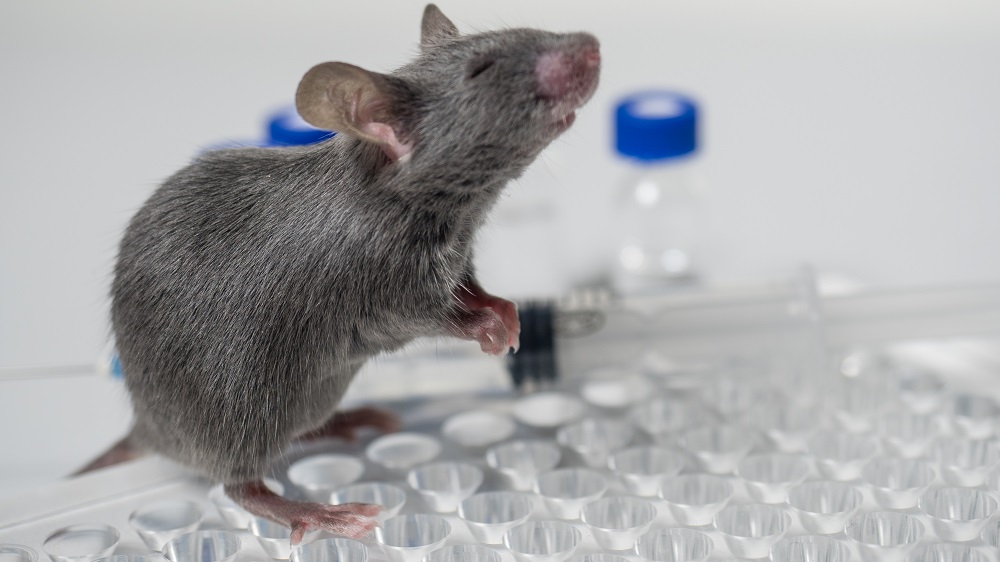
A new report from the Interventions Testing Program adds three new compounds to the list of lifespan-extending compounds confirmed during their experiments: epicatechin, halofuginone, and mitoglitazone [1]. Rigorous testing The National Institute on Aging’s Interventions Testing Program (ITP) is designed to rigorously test potential lifespan-extending compounds with

Why Naked Mole Rats Have Better DNA Repair
Scientists have found that the cGAS protein in naked mole rats, a famously long-lived species, boosts DNA repair, while the human version tends to hamper it. The difference boils down to just four amino acids [1]. DNA repair and cGAS Despite their unassuming appearance, naked mole

Researchers Identify Key Age-Related Genes
In Aging Cell, researchers have described core genes that apply to a wide variety of species and appear to be causal drivers of aging. Looking for signals in the noise Introducing their study, the researchers note that gene expression changes are difficult to interpret because they

Nanoparticles Potently Reverse Alzheimer’s in Mice
Scientists have created polymersomes, a type of nanoparticle, that latch onto a master regulator of amyloid-beta clearance, diverting it towards a more efficient route. The treatment drained Aβ from mouse brains within hours and, after a short dosing regimen, restored cognition to near wild-type levels [1].

A Public Website for Evaluating Potential Anti-Aging Drugs
Researchers publishing in the International Journal of Molecular Sciences have showcased their creation of PASS GERO, a public-facing application that allows researchers to evaluate potential anti-aging compounds. Taking a PASS at aging This paper begins with a discussion of how aging is currently treated, with a
Impact of Off-Label Low-Dose Rapamycin on Healthy Adults
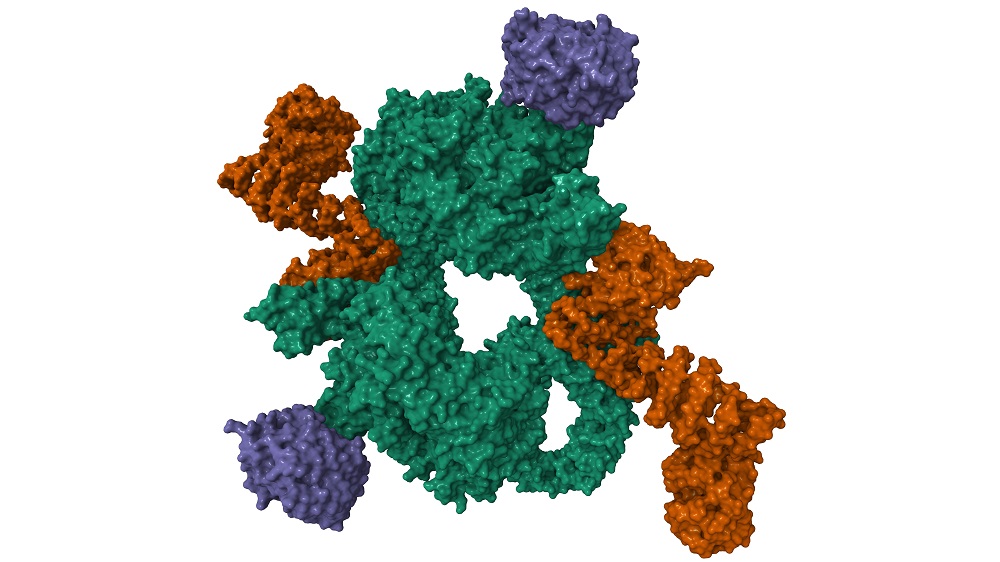
A team of scientists has reviewed the clinical data regarding low-dose rapamycin therapy in healthy adults. They concluded that, while there is plenty of preclinical data regarding the impact of rapamycin, there is no sufficient evidence that low-dose rapamycin use can extend healthspan and lifespan in

Meet ALSAE: Improving the Cultural Image of Longevity
To challenge cultural stereotypes and misconceptions about longevity, a new organization aims to engage people who create culture. Its list of “cultural ambassadors” includes Oscar- and Grammy-winning artists. Reframing the case for longevity Even as geroscience is becoming a respected field, producing breakthroughs and spawning dozens
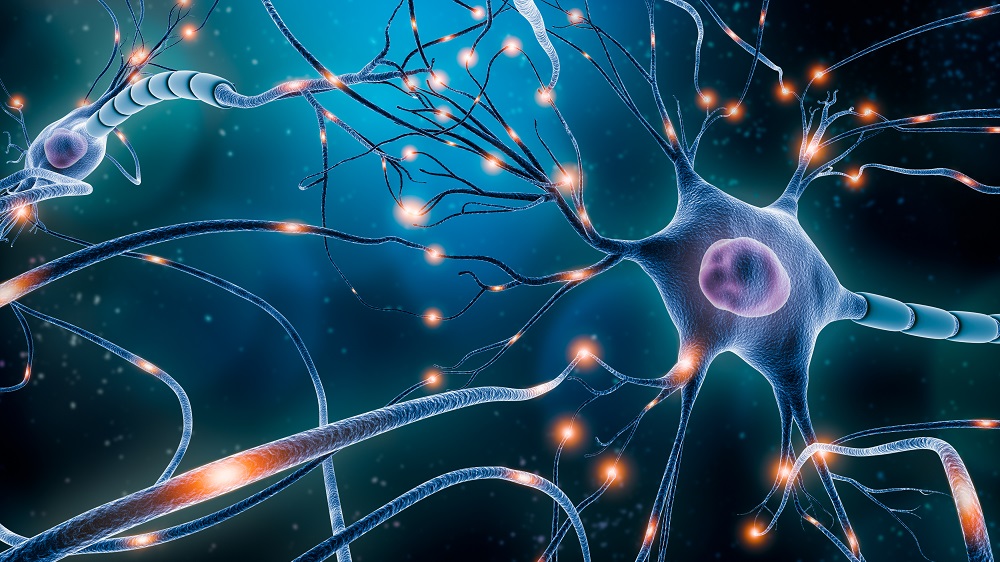
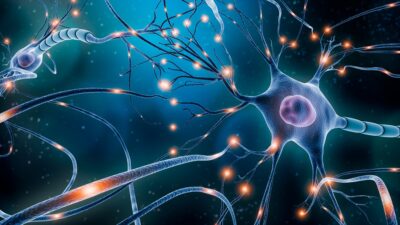
Partial Reprogramming Enhances Nerve Repair in Rats
In Advanced Science, a team of researchers has explained how partial cellular reprogramming through the OSKM factors restores nerve repair ability to older animals. Stress as a signal This paper focuses on Schwann cells, glial cells that are often responsible for maintaining the protective sheaths of

Sam Sharifi on Fixing Our DNA
Among the hallmarks of aging, DNA damage is both one of the most important and one of the hardest to crack. A couple of years ago, when I first learned about Matter Bioworks at a prominent longevity conference, I was amazed at the audacity of the