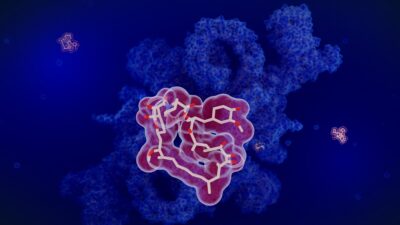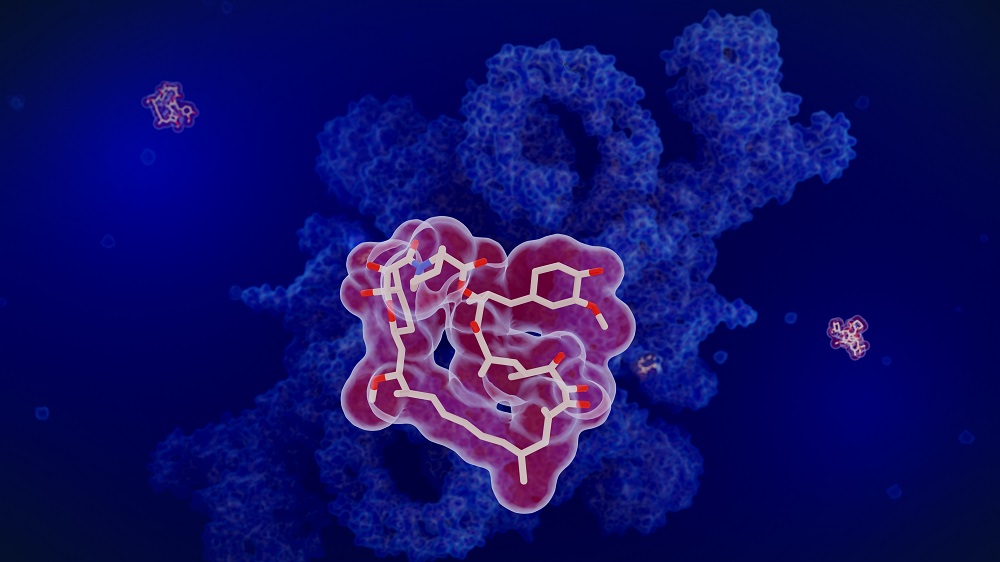
A new study from the Universities of Oxford and Nottingham has uncovered a potential new mechanism by which rapamycin counters immunosenescence. Rather than increasing autophagy or reducing protein synthesis, the effect appears to involve directly reducing DNA damage burden in immune cells [1].
How can this work?
Rapamycin, a powerful inhibitor of the nutrient-sensing mTOR pathway and probably the small molecule most associated with geroscience, extends lifespan and healthspan in many species [2]. Despite having studied rapamycin for decades, scientists still do not know all the mechanisms behind its geroprotective effect.
It is thought that blocking mTOR shifts energy from growth to maintenance, increasing the process of intracellular junk removal (autophagy) [3]. A new study from the University of Oxford and the University of Nottingham, published in Aging Cell, tests a different hypothesis: that mTOR inhibition directly protects genomic stability in aging immune cells.
Rapamycin decreases DNA lesions
First, the researchers activated T cells from cultured human peripheral blood mononuclear cells (PBMCs) obtained from healthy donors. The cells were then subjected to zeocin, a molecule that induces double-strand breaks in DNA.
Zeocin treatment led to a significant increase in T cells positive for γH2AX, a marker of DNA damage. These cells showed elevated DNA damage response signaling and cellular senescence markers. Cells with high γH2AX levels also exhibited signs of increased mTORC1 but not mTORC2, both of which are protein complexes that mTOR forms.
These surges in γH2AX and mTORC1 activity were greatly attenuated by rapamycin. Moreover, continuous treatment with low-dose rapamycin improved cell survival significantly after DNA damage. T cells treated with rapamycin showed over 60% viability 24 hours post-exposure to zeocin, compared to only 20% in controls.
To see whether treated cells indeed experienced less DNA damage rather than just weaker signaling, the researchers ruled out alternative explanations. The results were not explained by cell-cycle arrest, which could have reduced the readouts. Protein synthesis was also not consistently suppressed.
Autophagy inhibition by chloroquine increased γH2AX positivity, showing that autophagy does help limit damage in these T cells. However, even when autophagy was strongly inhibited, rapamycin still markedly reduced DNA damage markers, suggesting that its protective effect is autophagy-independent.
Finally, the team directly tested DNA damage levels. After zeocin, lesion burden rose, but it was markedly reduced with rapamycin. The authors note that the results may indicate reduced lesion formation, not just faster repair afterward, but this requires further investigation.
Professor Lynne Cox, one of the study’s authors, said, “The cells showed less DNA damage even after only four hours – it’s a very fast response. We don’t yet know whether rapamycin is blocking damage formation or helping cells to repair the damage more quickly and efficiently, so this research opens up a whole new area of study to identify the mechanism of protection.”

“Regardless of whether rapamycin is given before, during, or after DNA damage occurs, we observe a consistent protective response,” added Professor Ghada Alsaleh, a co-author. “These findings uncover a previously unrecognized role of mTOR inhibition in directly protecting the genome, offering new insight into the biological basis of rapamycin’s effects on aging. This suggests that rapamycin, or other mTOR inhibitors, may have broader relevance in contexts involving DNA damage, including healthy aging, clinical radiation exposure, and exposure to cosmic radiation during space travel.”
Confirmed in a small human study
Next, the researchers identified age-associated immune subsets (certain types of T cells, B cells, natural killer cells, and monocytes) in blood samples taken from healthy donors. These aged cells were enriched for markers of DNA damage and senescence, especially p21. There was also more mTORC1 activity broadly across immune cell types in older vs younger donors, suggesting that it is a general biomarker of immune aging, not restricted to one lineage.
Motivated by these findings, the team ran a small randomised placebo-controlled study in older male volunteers. Four people received 1 mg/day of rapamycin, while five received placebo. No significant differences in leukocyte counts were observed after 8 weeks, suggesting that at this dose, rapamycin was not immunosuppressive.
In both groups, mTORC1 activity was positively correlated with γH2AX levels and was lower in the rapamycin group, corresponding with lower γH2AX. The senescence marker p21 dropped robustly across most immune subsets with rapamycin vs placebo after 4 months. The treatment also reduced several T cell exhaustion markers, while p53 expression was elevated at 4 months.
“Our findings provide a new understanding of why rapamycin and other mTOR inhibitors have such promising anti-aging potential in the immune system and more widely across the body,” said Dr. Loren Kell, the lead author. “Since DNA damage is a central driver of immune system aging, our study supports future endeavors to identify more strategies that can improve DNA stability during aging.”
Literature
[1] Kell, L., Jones, E. J., Gharahdaghi, N., Wilkinson, D. J., Smith, K., Atherton, P. J., … & Alsaleh, G. (2026). Rapamycin exerts its geroprotective effects in the ageing human immune system by enhancing resilience against DNA damage. Aging Cell, 25(2), e70364.
[2] Kaeberlein, M. (2014). Rapamycin and aging: when, for how long, and how much?. Journal of genetics and genomics= Yi chuan xue bao, 41(9), 459.
[3] Kim, Y. C., & Guan, K. L. (2015). mTOR: a pharmacologic target for autophagy regulation. The Journal of clinical investigation, 125(1), 25-32.