

September 17, 2025
[Mountain View, September 17, 2025] — Lifespan Research Institute (LRI) today announced the launch of the Public Longevity Group (PLG), a new initiative focused on bridging the cultural gap between scientific breakthroughs in aging and their public acceptance. To kickstart its work, PLG has opened a crowdfunding campaign to develop tools that measure and strengthen...

January 31, 2024
In a recent study published in Aging Cell, researchers found similarities between glioblastoma and Alzheimer’s disease patients in their gene expression and protein profiles [1]. Brain tumors and neurocognitive dysfunction The majority of patients with brain tumors develop irreversible, progressive neurocognitive dysfunction, sometimes long after their treatment [2-4]. It reduces their quality of life and,...

January 30, 2024
A new study suggests that the flavonoid epicatechin, found in chocolate, tea, and berries, provides robust protection against reperfusion injury in myocardial infarction [1]. Reperfusion injury: friendly fire Myocardial infarction (heart attack) is the injury caused by complete or partial cessation of blood flow to a portion of the myocardium, the heart’s muscle tissue. This,...
January 29, 2024
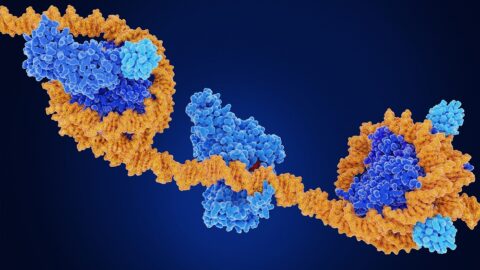
Steve Horvath, Vera Gorbunova, Alejandro Ocampo, and their team have used partial reprogramming to repair DNA damage in a mouse model. They published their findings in Frontiers in Aging. Building a path to rejuvenation Yamanaka Factors - Opportunities for RejuvenationDrs. Takahashi and Yamanaka showed that they could use Oct4, Sox2, Klf4, and c-Myc (OSKM) to reprogram...
January 26, 2024
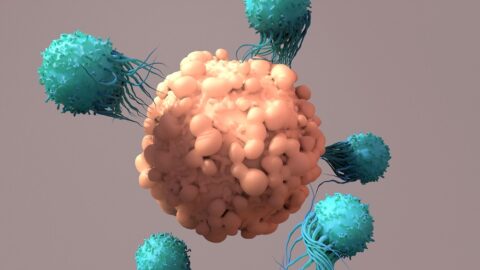
Scientists have created CAR T cells that target senescent cells. This approach alleviated metabolic dysfunction in mice [1]. Immunotherapy is not just for cancer Cellular SenescenceAs your body ages, more of your cells become senescent. Senescent cells do not divide or support the tissues of which they are part; instead, they emit potentially harmful chemical...

January 25, 2024
In a new paper in Cell Reports, researchers have named a little-known lipid as a core reason why inflammation decreases with fasting and may also shed light on how non-steroidal anti-inflammatory drugs (NSAIDs) work. Why high-calorie diets increase inflammation Previous research has identified the core reason why a high-calorie diet leads to inflammation. Excessive amounts...
January 24, 2024
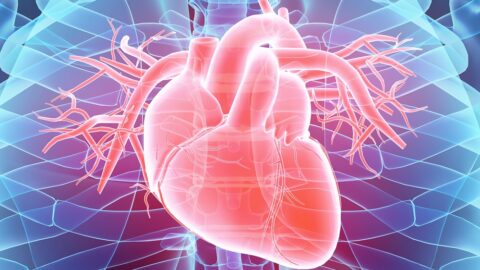
In a recent paper published in Nutrients, the authors investigated longitudinal data regarding dietary and lifestyle factors that impact cardiovascular risk in males and females [1]. Cardiovascular disease risk factors Aging, particularly vascular aging, is a major risk factor for cardiovascular diseases (CVD) [2]. Previous research has identified several factors that contribute to early vascular...