
September 17, 2025
[Mountain View, September 17, 2025] — Lifespan Research Institute (LRI) today announced the launch of the Public Longevity Group (PLG), a new initiative focused on bridging the cultural gap between scientific breakthroughs in aging and their public acceptance. To kickstart its work, PLG has opened a crowdfunding campaign to develop tools that measure and strengthen...
January 30, 2026
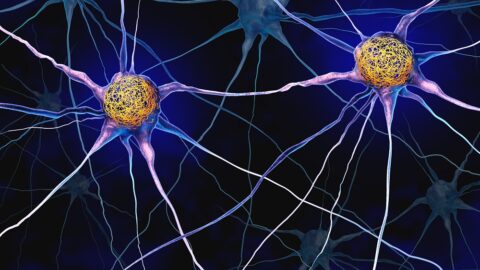
Using an ingenious CRISPR-based screening technique, scientists have found a protein that tags tau for degradation and is more strongly expressed in tau-resilient neurons [1]. Some neurons are more equal than others The accumulation of tau protein fibrils in neurons is a hallmark of Alzheimer’s and several other diseases [2]. Scientists have long noticed that...
January 29, 2026
Roatán, Honduras — Rejuve.AI is activating the International Longevity Research Database (IRLDB) through its first real-world study cohort at the Longevity Biomarkers Competition and Summit, taking place February to March 2026 as part of the Infinite Games in Roatán, Honduras. The IRLDB is being activated through its first registered, consented cohort. Participants enrolled in the...

January 29, 2026
In Nature Communications, researchers have described how small extracellular vesicles (sEVs) fused with plasma membrane proteins successfully treated heart arrhythmia in a rat model. Why do people need pacemakers? In a healthy heart, the sinoatrial node (SAN) serves as a natural regulator, commanding the heart to regularly contract. As it becomes dysfunctional and fibrotic with...

January 28, 2026
An analysis of over 3800 older adults found that shingles vaccination is associated with lower inflammation scores, slower epigenetic and transcriptomic aging, and a lower composite biological aging score [1]. Beneficial side effects Vaccines are developed to prevent specific diseases, such as polio, measles, hepatitis, and many others. However, recent data suggest that some adult...
January 27, 2026
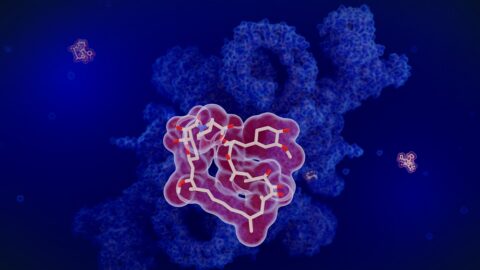
A new study from the Universities of Oxford and Nottingham has uncovered a potential new mechanism by which rapamycin counters immunosenescence. Rather than increasing autophagy or reducing protein synthesis, the effect appears to involve directly reducing DNA damage burden in immune cells [1]. How can this work? Rapamycin, a powerful inhibitor of the nutrient-sensing mTOR...
January 26, 2026
Researchers publishing in Aging Cell have discovered that cells derived from the human placenta may be useful in estimating the effects of potential anti-aging treatments. A seemingly odd choice Of all the organs in the body, the placenta may be the least concerning with regards to aging; it only exists for at most 10 months,...