






Interrupting Sitting with Activity Lowers Glucose Levels
Scientists have discovered that frequently interrupting prolonged sitting with physical activity, such as short walks or squats, can help control glucose levels in overweight and obese males [1]. Don’t just

How Cardiovascular Mortality Goes Down with Exercise
In the International Journal of Cardiology, researchers have described five styles of exercise and compared them to mortality risk. How much is the right amount? It is well known that
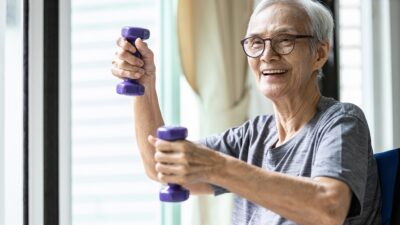
Physical Activity May Decrease Disability-Related Mortality
Today in GeroScience, researchers have published an analysis of a cohort study, concluding that adherence to physical activity recommendations can mitigate the increased mortality associated with disability. Simply being able
Combining Common Anti-Aging Interventions and Exercise
A review recently published in BMC Biology suggests that taking gerotherapeutics while exercising doesn’t have advantages over separate treatments [1]. Are two approaches better than one? Exercise is a well-established
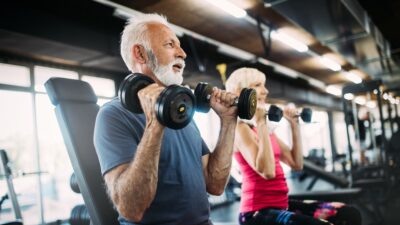
U-Shaped Association With Vigorous Exercise and Alzheimer’s
According to a new study, the amount of leisure time spent on vigorous physical activity is inversely correlated with Alzheimer’s, but after a certain point, the association is reversed [1].

Morning Exercise May Be Better Against Metabolic Syndrome
In a recent paper published in The Journal of Physiology, researchers compared the impacts of morning and afternoon aerobic exercise for people with metabolic syndrome [1]. Hitting the gym after
Human Trials Find Positive Effects of Exercise on Cognition
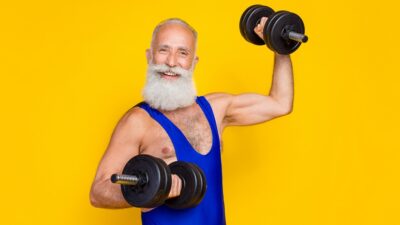
Researchers publishing in Ageing Research Reviews have conducted a large meta-analysis of papers that document the effects of exercise on cognitive function in healthy people. Not just for established conditions

Running Is Associated With Better Health Biomarkers
In a recent publication in PLOS One, researchers have described the metabolic effects on running in generally healthy people. A lack of activity is a known risk factor This paper

High-Protein Diets Have Few Benefits in Mice
A new study suggests that high protein intake leads to fat gain and worse metabolic outcomes, but some of these effects are blocked by resistance training. Low protein consumption resulted

Exercise Mimetic Improves Memory In Old Mice
Researchers have identified a platelet-derived factor that improves cognition in mice and published their findings in Nature Communications. Finding the right molecules This paper begins with the same refrain common
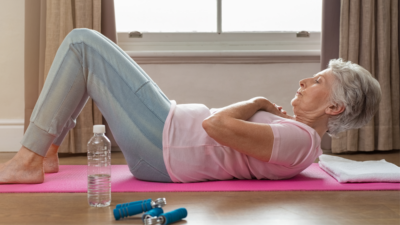
Taking Up Exercise Late in Life May Prevent Fitness Decline
According to a new study published in Aging Cell, previously sedentary old people who took up an exercise program were able to improve their fitness and maintain it for at
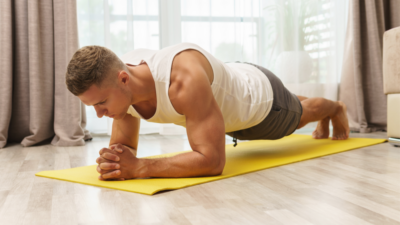
Analysis: Isometric Exercises Are Best for Blood Pressure
In a new expansive meta-analysis comparing several types of exercise, isometric exercises, which include wall squats and planks, were linked to the biggest decrease in blood pressure [1]. Lowering the

Vigorous Weekend Exercise May Be Enough
A new study suggests that “weekend warriors”, people who only exercise for one or two days a week, enjoy similar cardiovascular benefits as those who exercise more regularly [1]. How
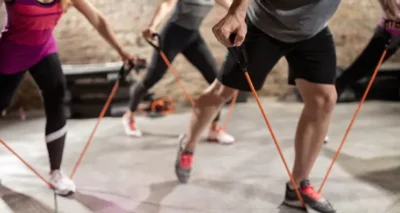
Aerobic & Resistance Training Impact Skin Aging Differently
According to a new study published in Nature Scientific Reports, while both aerobic and resistance exercise improve some aspects of skin aging, only the latter is able to increase skin

Better Health in Older Adults, One Step at a Time
Research published in Experimental Gerontology suggests that even smaller amounts of daily physical activity can benefit people over 60 [1]. Cardiometabolic health and physical activity The positive influence of exercise

Interrupting Sitting with Activity Lowers Glucose Levels
Scientists have discovered that frequently interrupting prolonged sitting with physical activity, such as short walks or squats, can help control glucose levels in overweight and obese males [1]. Don’t just sit there! Prolonged sitting is the curse of modern times. It has been associated with various

How Cardiovascular Mortality Goes Down with Exercise
In the International Journal of Cardiology, researchers have described five styles of exercise and compared them to mortality risk. How much is the right amount? It is well known that physical activity is associated with a significantly diminished risk of death by cardiovascular disease, the leading
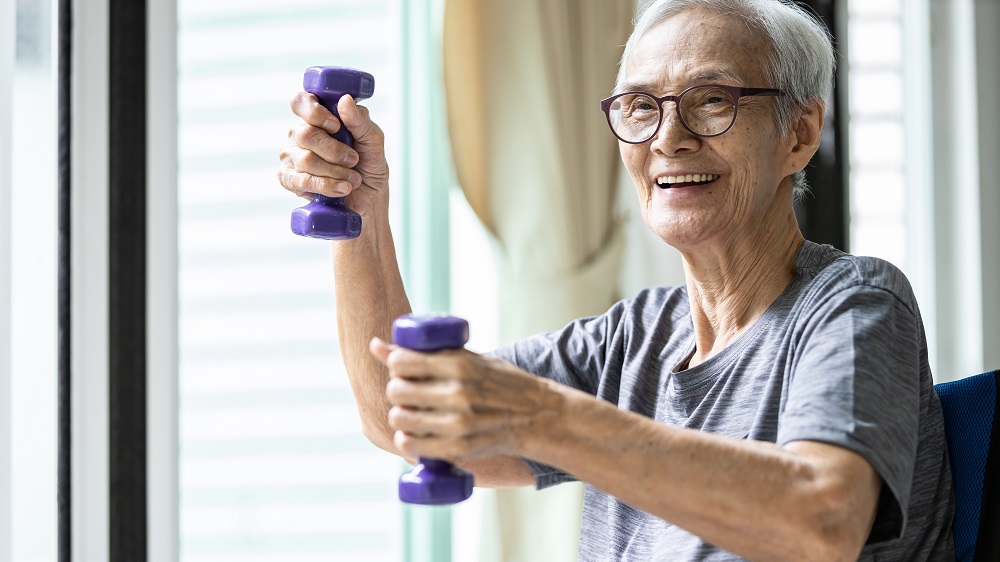
Physical Activity May Decrease Disability-Related Mortality
Today in GeroScience, researchers have published an analysis of a cohort study, concluding that adherence to physical activity recommendations can mitigate the increased mortality associated with disability. Simply being able to live In this paper, disability refers to impediments to the basic activities of daily living

Combining Common Anti-Aging Interventions and Exercise
A review recently published in BMC Biology suggests that taking gerotherapeutics while exercising doesn’t have advantages over separate treatments [1]. Are two approaches better than one? Exercise is a well-established intervention that ameliorates several aspects of aging. Similarly, other research suggests that certain drugs, known as
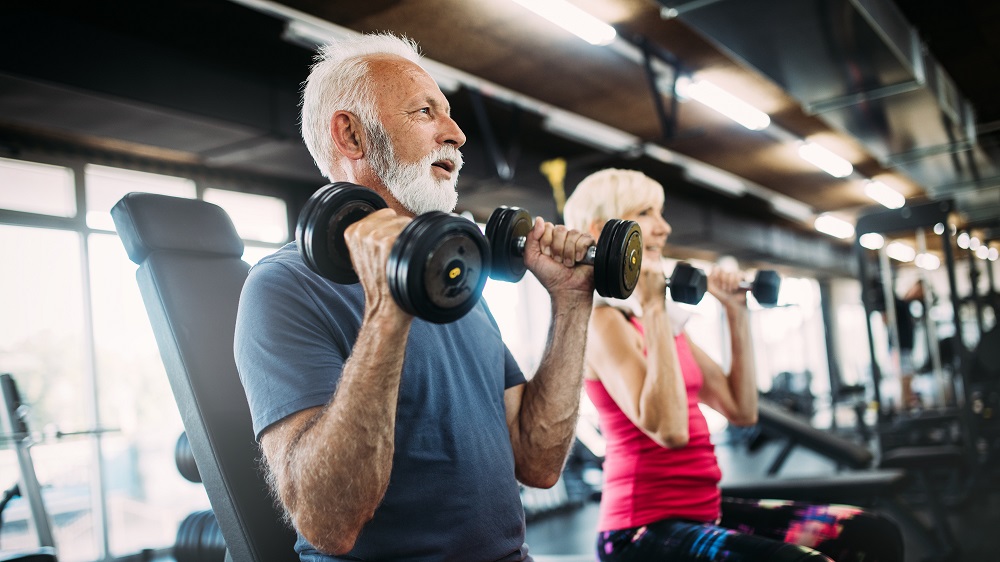
U-Shaped Association With Vigorous Exercise and Alzheimer’s
According to a new study, the amount of leisure time spent on vigorous physical activity is inversely correlated with Alzheimer’s, but after a certain point, the association is reversed [1]. Outrunning dementia Due to populational aging and medicine’s successes against other age-related diseases, Alzheimer’s disease has

Morning Exercise May Be Better Against Metabolic Syndrome
In a recent paper published in The Journal of Physiology, researchers compared the impacts of morning and afternoon aerobic exercise for people with metabolic syndrome [1]. Hitting the gym after breakfast or after lunch Metabolic syndrome (MetS) has been defined as a group of “cardiometabolic risk

Human Trials Find Positive Effects of Exercise on Cognition
Researchers publishing in Ageing Research Reviews have conducted a large meta-analysis of papers that document the effects of exercise on cognitive function in healthy people. Not just for established conditions We have previously discussed how, even for healthy people, exercise is associated with improved biomarkers of

Running Is Associated With Better Health Biomarkers
In a recent publication in PLOS One, researchers have described the metabolic effects on running in generally healthy people. A lack of activity is a known risk factor This paper begins with warnings against sedentary behavior, citing one study reporting that it is responsible for approximately

High-Protein Diets Have Few Benefits in Mice
A new study suggests that high protein intake leads to fat gain and worse metabolic outcomes, but some of these effects are blocked by resistance training. Low protein consumption resulted in less muscle gain but did not affect strength [1]. The protein debate One of the

Exercise Mimetic Improves Memory In Old Mice
Researchers have identified a platelet-derived factor that improves cognition in mice and published their findings in Nature Communications. Finding the right molecules This paper begins with the same refrain common in discussions about the biological effects of exercise: the inability of some older people to conduct

Taking Up Exercise Late in Life May Prevent Fitness Decline
According to a new study published in Aging Cell, previously sedentary old people who took up an exercise program were able to improve their fitness and maintain it for at least four years [1]. Better late than never When is it too late to engage in
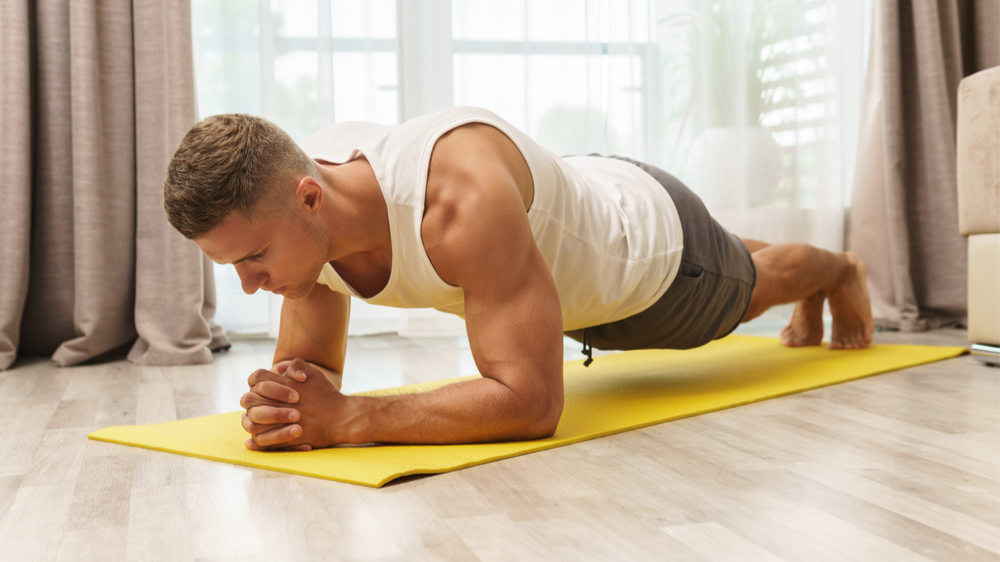
Analysis: Isometric Exercises Are Best for Blood Pressure
In a new expansive meta-analysis comparing several types of exercise, isometric exercises, which include wall squats and planks, were linked to the biggest decrease in blood pressure [1]. Lowering the pressure As is very well-known, exercise confers numerous health benefits, including age-related benefits, and it has

Vigorous Weekend Exercise May Be Enough
A new study suggests that “weekend warriors”, people who only exercise for one or two days a week, enjoy similar cardiovascular benefits as those who exercise more regularly [1]. How crucial is a daily run? The consensus of medical studies practically implores people to engage in

Aerobic & Resistance Training Impact Skin Aging Differently
According to a new study published in Nature Scientific Reports, while both aerobic and resistance exercise improve some aspects of skin aging, only the latter is able to increase skin thickness [1]. Exercise and skin – an overlooked connection Skin is the largest organ of the

Better Health in Older Adults, One Step at a Time
Research published in Experimental Gerontology suggests that even smaller amounts of daily physical activity can benefit people over 60 [1]. Cardiometabolic health and physical activity The positive influence of exercise on health is widely known. However, the recommended 150 minutes per week of moderate-to-vigorous exercise can