







Patrick Linden’s Case Against Death
People come to the longevity field from all walks of life, bringing their unique expertise along. An activist engages in advocacy and fundraising. A physicist applies theories from a specific

Andrew Steele: “A Mindset Shift Is Required”
Andrew Steele is a physicist who became interested in longevity several years ago and began a career as a bioinformatician before becoming a longevity advocate, quickly making a name for

Mikhail Batin’s Crusade Against Aging
There’s no other way to put it: Mikhail (Misha) Batin is an oddball in the longevity space. In this field, which is populated mostly by scientists, entrepreneurs, and enthusiasts, Batin

Pfizer-Backed VitaDAO Launches Biotech Company
VitaDAO, a decentralized autonomous organization (DAO), has launched its first biotech, Matrix Biosciences. This is a real milestone for new models of funding for the scientific community. The launch is

Peter Fedichev Explains His Theory of Aging
Peter Fedichev, co-founder and CEO of Gero, is a relative newcomer to the field of geroscience with a background in physics and not in biology. However, Peter has firmly established
SENS Research Foundation’s CEO on Accelerating Rejuvenation
We had the chance to interview Lisa Fabiny-Kiser, CEO of the well-known SENS Research Foundation, on all the various research, education, and advocacy activities that the organization is currently doing
Vitalik Buterin Exclusive Interview: Longevity, AI and More
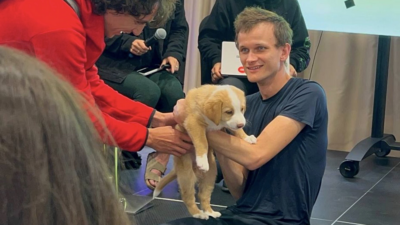
Vitalik Buterin holding Zuzu, the puppy rescued by people of Zuzalu. Photo: Michelle Lai Don’t try finding Zuzalu on a map; it doesn’t exist anymore. It was a “pop-up city”
Kelsey Moody on Supporting New Researchers with Ichor
Today, we are speaking to Ichor Life Sciences CEO Dr. Kelsey Moody about the doctoral program that the company operates and how the company is supporting the next generation of
Irina Conboy on Academic Publishing
Today, we are talking with Dr. Irina Conboy, Editor-in-Chief of the journal Rejuvenation Research about impact and other aspects of journal publishing. This journal is an important academic publication for

Vera Gorbunova on Long-Lived Species
Dr. Vera Gorbunova is a famous geroscientist who, for the last several years, has worked mostly on uncovering the amazing biological mechanisms that are responsible for the enviable longevity

Ashley Zehnder on Harnessing Animal Genes Against Aging
Many species have developed amazing mechanisms to cope with various drivers of aging. We have previously interviewed two prominent experts that study those evolutionary marvels: Steven Austad and Emma Teeling.
Prof. George Church on Cellular Reprogramming and Longevity
Professor of Genetics at Harvard Medical School, a veteran geroscientist, and a serial entrepreneur, George Church hardly needs an introduction. While we are always happy to discuss the present and

Prof. Tzipi Strauss on the Upcoming Longevity Center
Despite its small size, Israel is packing quite a punch when it comes to innovation, having earned the moniker “the startup nation”. It also has advanced healthcare and some of

Insider Insight: Meet the Organizers of LongHack
LongHack, the longevity hackathon hosted by DeSci organization VitaDAO, was held on January 20th-23rd, 2023. Gathering researchers, developers, and other interested parties to create new tools and solutions for longevity,

Ending Atherosclerosis: Cyclarity and Dr. Matthew O’Connor
Cyclarity Therapeutics is striving to make powerful treatments for cardiovascular disease and, most importantly, make them accessible and affordable. Their cutting-edge cyclodextrin technology targets atherosclerosis, aiming to eliminate the buildup

Patrick Linden’s Case Against Death
People come to the longevity field from all walks of life, bringing their unique expertise along. An activist engages in advocacy and fundraising. A physicist applies theories from a specific domain of knowledge. What happens when a philosopher joins in? Naturally, that person writes a book.

Andrew Steele: “A Mindset Shift Is Required”
Andrew Steele is a physicist who became interested in longevity several years ago and began a career as a bioinformatician before becoming a longevity advocate, quickly making a name for himself with numerous media appearances. In 2021, Steele authored Ageless, which we reviewed back then, crowning

Mikhail Batin’s Crusade Against Aging
There’s no other way to put it: Mikhail (Misha) Batin is an oddball in the longevity space. In this field, which is populated mostly by scientists, entrepreneurs, and enthusiasts, Batin belongs to a different breed: activists. But, even among this small group, Batin is one of

Pfizer-Backed VitaDAO Launches Biotech Company
VitaDAO, a decentralized autonomous organization (DAO), has launched its first biotech, Matrix Biosciences. This is a real milestone for new models of funding for the scientific community. The launch is in collaboration with Vera Gorbunova from the University of Rochester’s Aging Research Center and is well-known
Peter Fedichev Explains His Theory of Aging
Peter Fedichev, co-founder and CEO of Gero, is a relative newcomer to the field of geroscience with a background in physics and not in biology. However, Peter has firmly established himself and Gero in the longevity landscape by twice publishing in Nature, entering a lucrative collaboration

SENS Research Foundation’s CEO on Accelerating Rejuvenation
We had the chance to interview Lisa Fabiny-Kiser, CEO of the well-known SENS Research Foundation, on all the various research, education, and advocacy activities that the organization is currently doing along with its plans for the future. Public opinion and the academic landscape have changed considerably
Vitalik Buterin Exclusive Interview: Longevity, AI and More
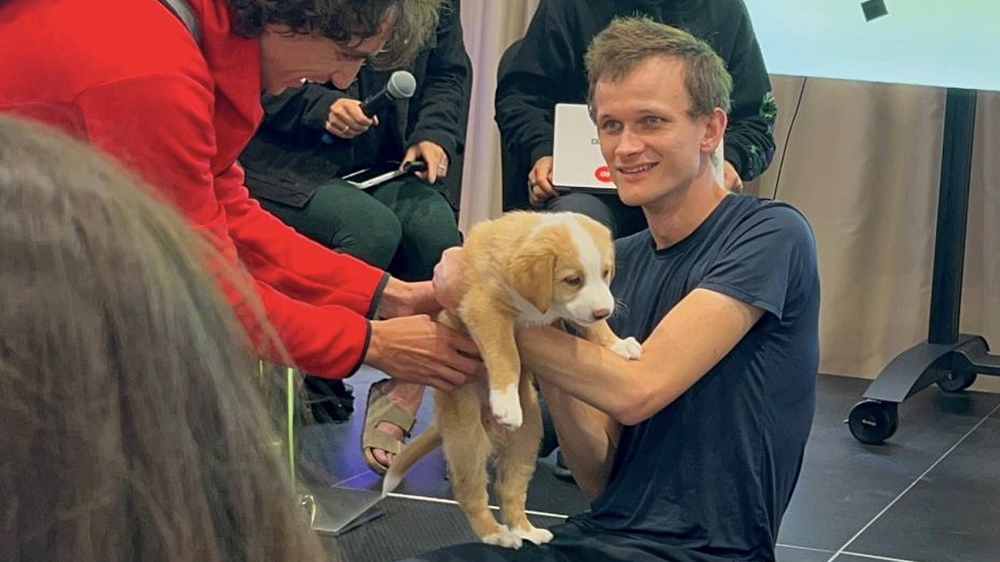
Vitalik Buterin holding Zuzu, the puppy rescued by people of Zuzalu. Photo: Michelle Lai Don’t try finding Zuzalu on a map; it doesn’t exist anymore. It was a “pop-up city” conceived by the tech entrepreneur Vitalik Buterin, creator of Ethereum, and a group of like-minded people

Kelsey Moody on Supporting New Researchers with Ichor
Today, we are speaking to Ichor Life Sciences CEO Dr. Kelsey Moody about the doctoral program that the company operates and how the company is supporting the next generation of scientists. Ichor Life Sciences is a biotechnology company that develops and manufactures new medicines for people

Irina Conboy on Academic Publishing
Today, we are talking with Dr. Irina Conboy, Editor-in-Chief of the journal Rejuvenation Research about impact and other aspects of journal publishing. This journal is an important academic publication for our field and publishes many papers focused on aging and rejuvenation research. Hi, Irina, and thanks

Vera Gorbunova on Long-Lived Species
Dr. Vera Gorbunova is a famous geroscientist who, for the last several years, has worked mostly on uncovering the amazing biological mechanisms that are responsible for the enviable longevity and resilience of long-lived species such as the naked mole rat. We talked about those feats

Ashley Zehnder on Harnessing Animal Genes Against Aging
Many species have developed amazing mechanisms to cope with various drivers of aging. We have previously interviewed two prominent experts that study those evolutionary marvels: Steven Austad and Emma Teeling. However, this research is not purely academic anymore. A handful of bold entrepreneurs are trying to

Prof. George Church on Cellular Reprogramming and Longevity
Professor of Genetics at Harvard Medical School, a veteran geroscientist, and a serial entrepreneur, George Church hardly needs an introduction. While we are always happy to discuss the present and future of geroscience with him, this interview focuses on the two gene therapy papers that he

Prof. Tzipi Strauss on the Upcoming Longevity Center
Despite its small size, Israel is packing quite a punch when it comes to innovation, having earned the moniker “the startup nation”. It also has advanced healthcare and some of the best hospitals in the world. In one of them, Sheba Medical Center, the first-of-its-kind Longevity

Insider Insight: Meet the Organizers of LongHack
LongHack, the longevity hackathon hosted by DeSci organization VitaDAO, was held on January 20th-23rd, 2023. Gathering researchers, developers, and other interested parties to create new tools and solutions for longevity, ten teams competed to impress the judging panel and take home prizes: 5,500 VITA and 3,500

Ending Atherosclerosis: Cyclarity and Dr. Matthew O’Connor
Cyclarity Therapeutics is striving to make powerful treatments for cardiovascular disease and, most importantly, make them accessible and affordable. Their cutting-edge cyclodextrin technology targets atherosclerosis, aiming to eliminate the buildup of non-degradable oxidized cholesterol that gets stuck inside cells in the arterial walls. The company has