




How Macrophages Manage Obesity and Change With Age
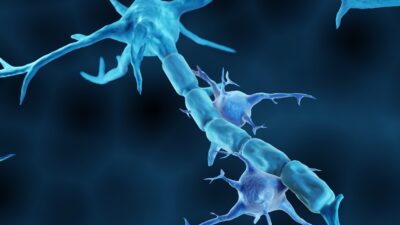
In Nature Aging, researchers have identified and categorized several macrophage subtypes, including a subtype that appears with aging and another that manages nerve function. Not all macrophages follow the same

Microplastics Cause Cognitive Deficits in APOE4 Mice
Scientists have demonstrated that short-term exposure to microplastics causes Alzheimer’s-like effects in mice expressing human APOE4 versus APOE3. These effects were sex-dependent, mirroring the disease in humans [1]. Microplastics and

Epigenetic Clocks Do Not Perfectly Capture Metabolic Health
In Aging Cell, researchers have published their surprising findings that epigenetic clocks are not significantly related to most measurements of metabolic health after weight loss interventions. The utility of clocks

Regular Glucosamine Use Linked to Fewer Chronic Diseases
An analysis of UK Biobank data showed an association between regular glucosamine use and significantly lower risks of seven non-communicable chronic diseases [1]. A common supplement Glucosamine, a sugar molecule
Microglial Aging Is Determined by Their Environment
A new preprint study from Calico has found that the local brain environment is the primary driver of microglial aging. After being transplanted into old brains, young cells adopted aged

Study Boosts Brain Mitochondria, Rescues Memory in Mice
Scientists have found a way to directly stimulate the assembly of Complex I in mitochondria, rescuing memory deficits in mouse models of Alzheimer’s and frontotemporal dementia [1]. Mitochondrial signal transducers
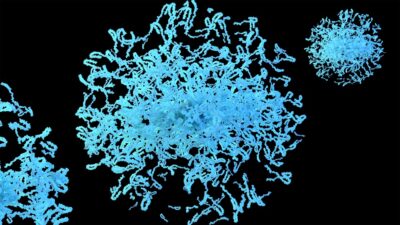
A Mechanism Behind Protein Aggregation Discovered
Scientists have found a pathway that regulates protein aggregation, a cause of several age-related neurodegenerative diseases. United by abnormal protein aggregation Most neurodegenerative diseases are age-related, and many of them

Some Bioethicists Promote Lifespan Limitation
A paper published in Bioethics makes a startling case for people to die at 100 years old rather than live as long as they might choose. Deathism is relatively rare
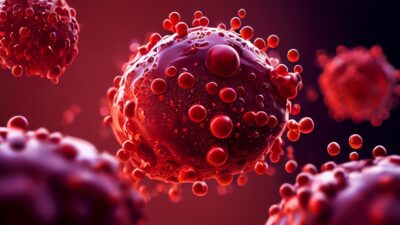
Cancer Cells Transfer Mitochondria to Fibroblasts
Scientists have discovered that cancer cells recruit fibroblasts to support tumor growth by transferring mitochondria into them. Blocking this process might be a new way to fight the deadly disease

A Non-Viral Gene Therapy Restores Mouse Hearts
A recent study investigated the roles of brown adipose tissue and a lipid-controlling hormone, 12,13-diHOME, in cardiac health. The researchers examined the molecular mechanisms behind 12,13-diHOME’s effects on the hearts

Two People Almost Died at RAADfest. We Went to the Experts.
Two people nearly died, and several more sought treatment, after receiving peptide injections at the last RAADfest in Las Vegas. We might not know what happened until the ongoing investigations

Rejuvenation Roundup August 2025
Over the last month, researchers have discovered how well-known substances can confer physical benefits, delivered compounds into the bloodstream in new ways, and continued to develop new forms of medicine.

Moderate Beer Consumption Produces Benefits in Mice
Scientists have given three types of beer to artificially aged male mice and recorded numerous beneficial effects, including improvements in microbiome diversity and lipid profiles [1]. Can alcohol be healthy?
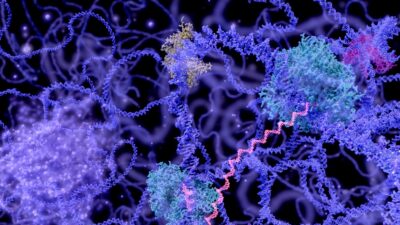
Loose Chromatin, Senescent Inflammation, and Cancer
In Aging Cell, researchers have reported that chromatin demethylation allows SASP compounds to be more easily expressed. Chromatin and gene expression The authors of this study begin by discussing two
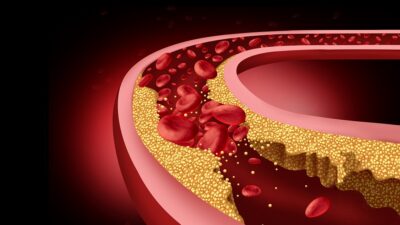
Rejuvenating Atherosclerotic Foam Cells
According to a study published by Cyclarity Therapeutics, its drug UDP-003 shows benefits in reversing the root cause of atherosclerotic plaques [1]. Fighting the root cause Many available medications address
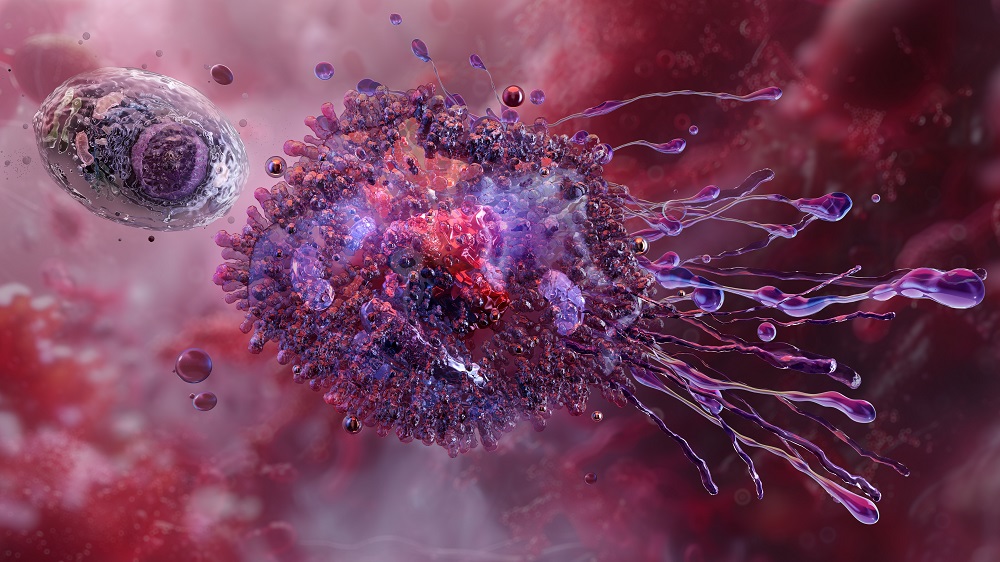
How Macrophages Manage Obesity and Change With Age
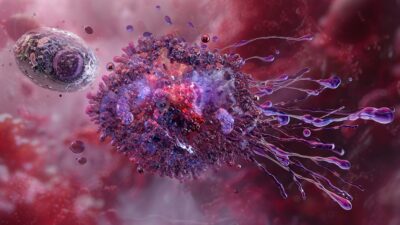
In Nature Aging, researchers have identified and categorized several macrophage subtypes, including a subtype that appears with aging and another that manages nerve function. Not all macrophages follow the same rules Macrophages declining with age is a well-known problem, and many proposed solutions involve changing their

Microplastics Cause Cognitive Deficits in APOE4 Mice
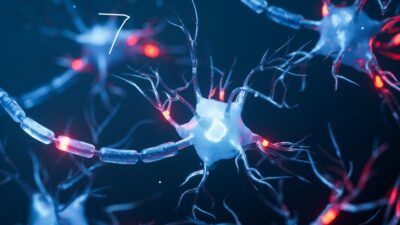
Scientists have demonstrated that short-term exposure to microplastics causes Alzheimer’s-like effects in mice expressing human APOE4 versus APOE3. These effects were sex-dependent, mirroring the disease in humans [1]. Microplastics and the brain Exposure to tiny particles that plastic products shed (microplastics) has been linked to increased

Epigenetic Clocks Do Not Perfectly Capture Metabolic Health
In Aging Cell, researchers have published their surprising findings that epigenetic clocks are not significantly related to most measurements of metabolic health after weight loss interventions. The utility of clocks These researchers begin by discussing epigenetic clocks and how much the measured alterations in gene expression
Regular Glucosamine Use Linked to Fewer Chronic Diseases
An analysis of UK Biobank data showed an association between regular glucosamine use and significantly lower risks of seven non-communicable chronic diseases [1]. A common supplement Glucosamine, a sugar molecule with an amine group (amino sugar), is a supplement used by almost 20% of middle-aged adults
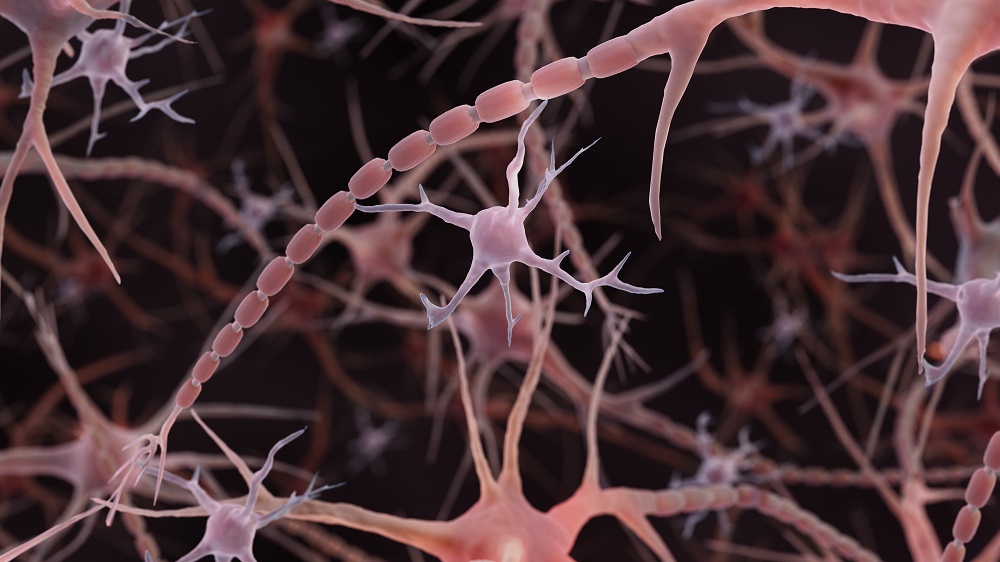
Microglial Aging Is Determined by Their Environment
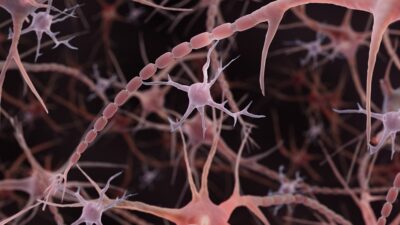
A new preprint study from Calico has found that the local brain environment is the primary driver of microglial aging. After being transplanted into old brains, young cells adopted aged characteristics, but their susceptibility to these signals could be turned off [1]. Microglia grow old and

Study Boosts Brain Mitochondria, Rescues Memory in Mice
Scientists have found a way to directly stimulate the assembly of Complex I in mitochondria, rescuing memory deficits in mouse models of Alzheimer’s and frontotemporal dementia [1]. Mitochondrial signal transducers Many neurodegenerative diseases, such as Alzheimer’s disease, are associated with mitochondrial dysfunction [2], which might lead
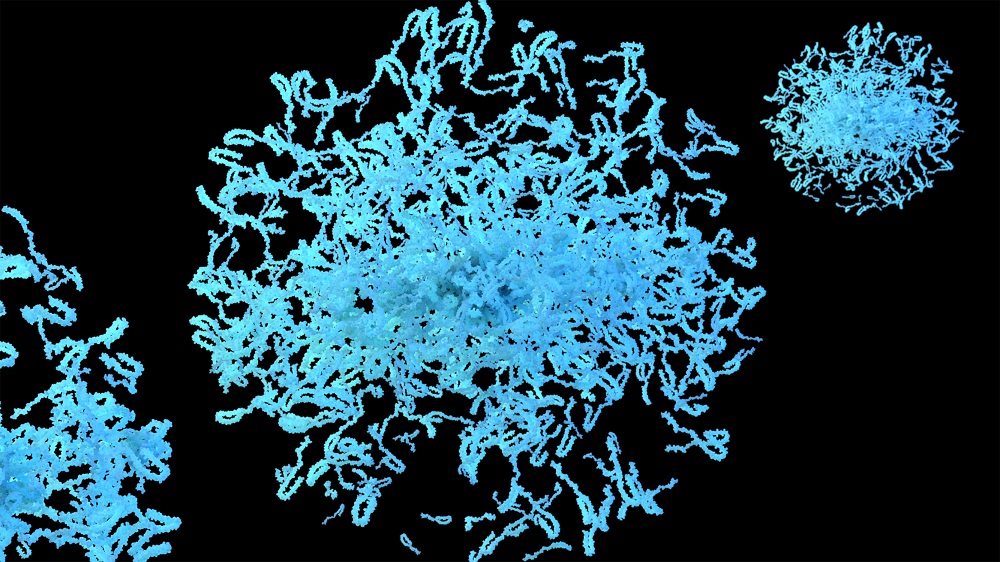
A Mechanism Behind Protein Aggregation Discovered
Scientists have found a pathway that regulates protein aggregation, a cause of several age-related neurodegenerative diseases. United by abnormal protein aggregation Most neurodegenerative diseases are age-related, and many of them are similar in other ways. For instance, amyotrophic lateral sclerosis (ALS), Huntington’s disease, and Alzheimer’s disease

Some Bioethicists Promote Lifespan Limitation
A paper published in Bioethics makes a startling case for people to die at 100 years old rather than live as long as they might choose. Deathism is relatively rare People who wholeheartedly believe that human lifespans should be restricted to a pre-defined span are not
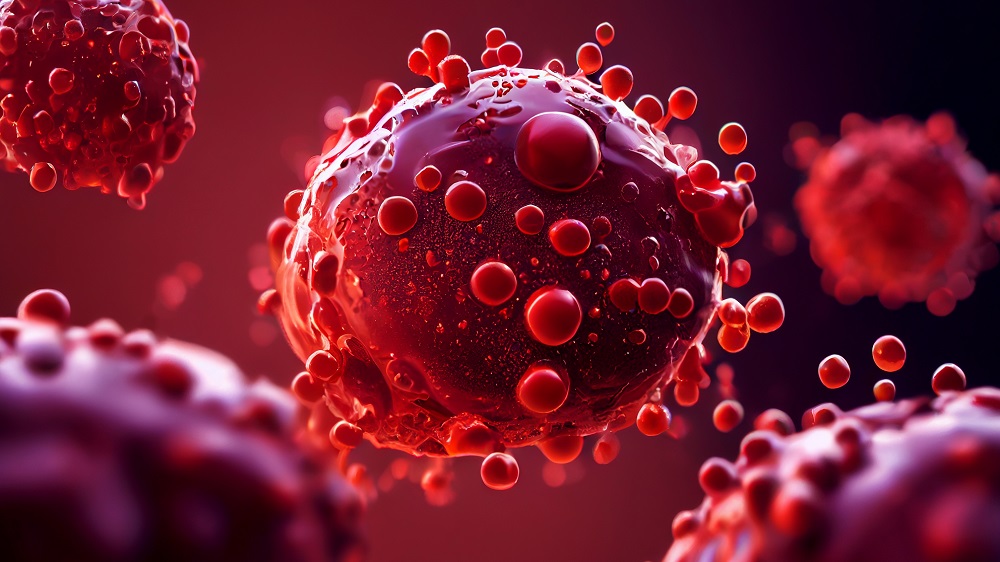
Cancer Cells Transfer Mitochondria to Fibroblasts
Scientists have discovered that cancer cells recruit fibroblasts to support tumor growth by transferring mitochondria into them. Blocking this process might be a new way to fight the deadly disease [1]. It goes both ways Cancer doesn’t act alone. Its success often hinges on recruiting neighboring
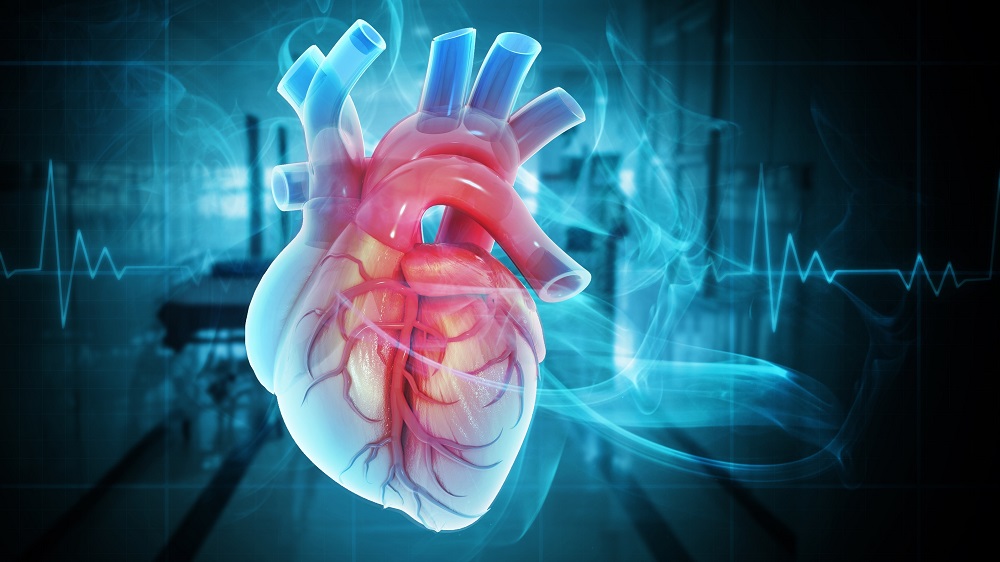
A Non-Viral Gene Therapy Restores Mouse Hearts
A recent study investigated the roles of brown adipose tissue and a lipid-controlling hormone, 12,13-diHOME, in cardiac health. The researchers examined the molecular mechanisms behind 12,13-diHOME’s effects on the hearts of aged mice [1]. The aging heart Aging leads to many cardiovascular system-related changes, which are

Two People Almost Died at RAADfest. We Went to the Experts.
Two people nearly died, and several more sought treatment, after receiving peptide injections at the last RAADfest in Las Vegas. We might not know what happened until the ongoing investigations are concluded, but we asked several experts to share their thoughts on the broader context of

Rejuvenation Roundup August 2025
Over the last month, researchers have discovered how well-known substances can confer physical benefits, delivered compounds into the bloodstream in new ways, and continued to develop new forms of medicine. Here’s what’s happened in August. Team and activities Lifespan Alliance Launch & New Leadership at LRI:

Moderate Beer Consumption Produces Benefits in Mice
Scientists have given three types of beer to artificially aged male mice and recorded numerous beneficial effects, including improvements in microbiome diversity and lipid profiles [1]. Can alcohol be healthy? While it is firmly established that excessive alcohol consumption negatively impacts health, debates around moderate consumption
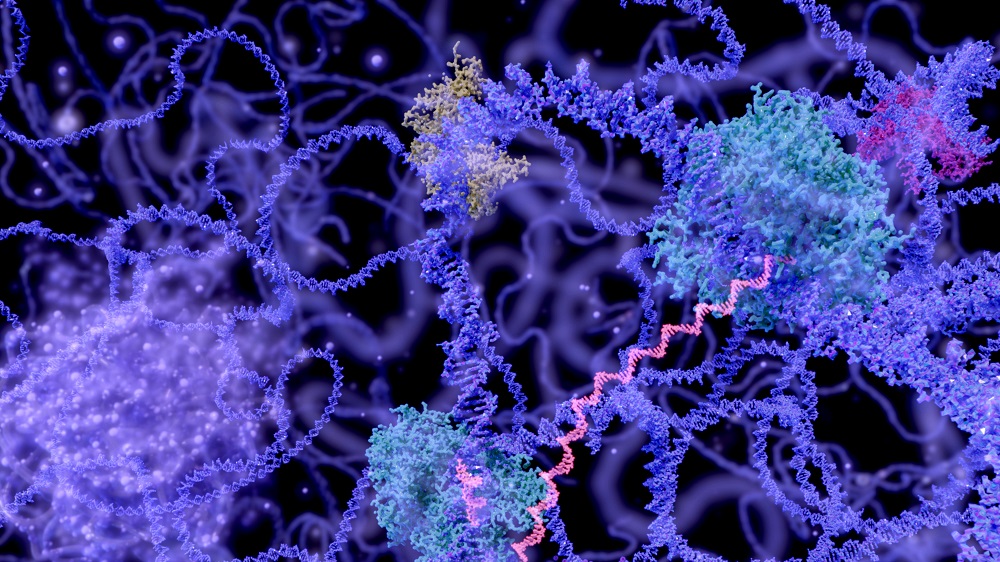
Loose Chromatin, Senescent Inflammation, and Cancer
In Aging Cell, researchers have reported that chromatin demethylation allows SASP compounds to be more easily expressed. Chromatin and gene expression The authors of this study begin by discussing two concepts that appear only loosely related: senescence and gene expression. Both of these concepts are very
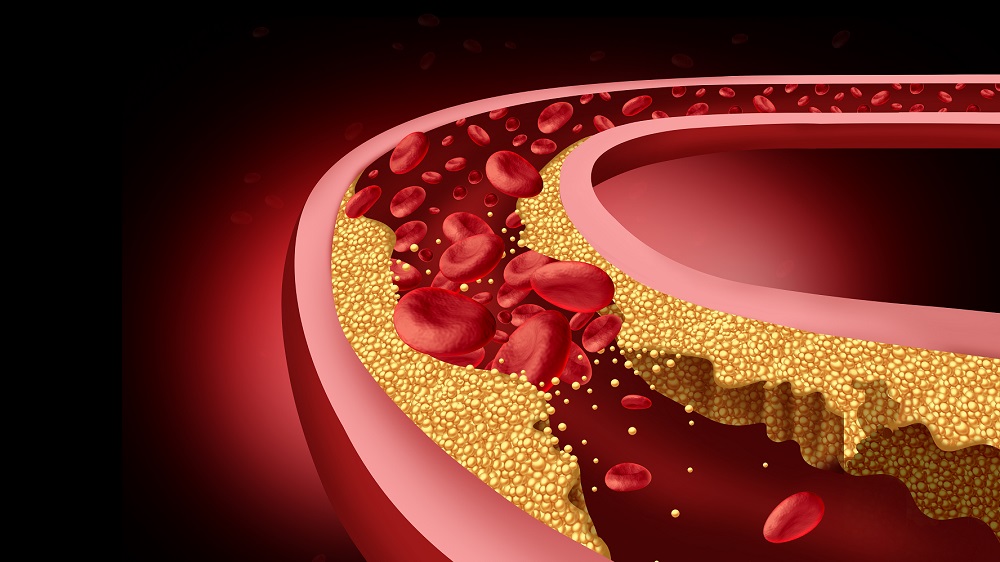
Rejuvenating Atherosclerotic Foam Cells
According to a study published by Cyclarity Therapeutics, its drug UDP-003 shows benefits in reversing the root cause of atherosclerotic plaques [1]. Fighting the root cause Many available medications address only disease symptoms in an effort to mitigate them. However, the real challenge is to identify