





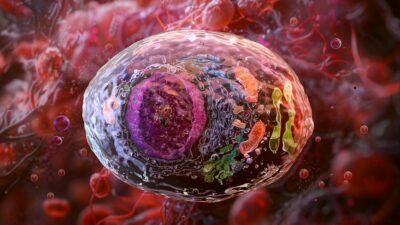
Reversing Cellular Aging with Prof. Vittorio Sebastiano
We recently attended the Undoing Aging Conference in Berlin and had the opportunity to interview Professor Vittorio Sebastiano of Turn.Bio, a company developing partial cellular reprogramming techniques to reverse cellular
An Interview with Dr. Judith Campisi
At Undoing Aging 2019, we interviewed some of the best researchers who are involved in discovering therapies for the root causes of aging. Their research aims to ameliorate the damages

Undoing Aging in the Viewfinder
The day after I got back from the Undoing Aging 2019 scientific conference, which was jointly organized by the SENS Research Foundation and Forever Healthy Foundation, Moscow greeted me with
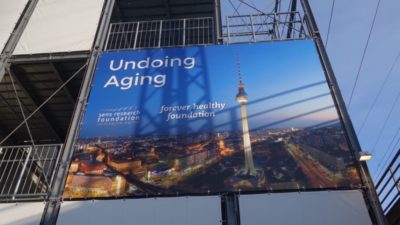
My Experiences At Undoing Aging 2019
Last Wednesday, I landed in Berlin, Germany at around 12:30. About an hour later, I was briefly in Cafè Alex, right next to the tapering TV Tower, where I met

The Life Extensionist’s Guide to Cognitive Biases
A cognitive bias is a systematic deviation from rational thought that can influence people’s reasoning without them even noticing. Several cognitive biases have been observed and studies over the past

Chronic Inflammation Leads to Toxic NET Buildup
A new review discusses how neutrophils release toxic substances into the body under inflammatory conditions, detailing one of the ways in which chronic inflammation causes long-term damage. Casting a deadly

Clearing Senescent Cells Prevents T1 Diabetes in Mice
Scientists have shown that the removal of non-dividing senescent cells, which are normally associated with aging, also appears to prevent Type 1 diabetes in diabetic mouse strains. Clearing senescent beta

Samsara Is Developing Autophagy Boosting Therapies
Samsara Therapeutics has completed a seed financing round in collaboration with Apollo Ventures, a venture capital company and biotech incubator that supports longevity research and treatments for age-related diseases. Samsara

Epigenetic Alterations and Reprogramming Potential in Aging
The role of epigenetics, which determine how your genes are expressed, is being increasingly implicated in aging, as is the potential of therapies that revert epigenetics back to those of

Rejuvenating Aged Brains by Waking Up Dormant Stem Cells
Researchers from the University of Luxembourg and the German Cancer Research Center have rejuvenated stem cells in the brains of old mice. The rejuvenated stem cells appear to improve regeneration

Boosting Cellular Housekeeping with Exercise and Fasting
In order to remain healthy and functional, cells have a number of maintenance systems that help them to dispose of metabolic waste and unwanted proteins. Autophagy is perhaps the best-known
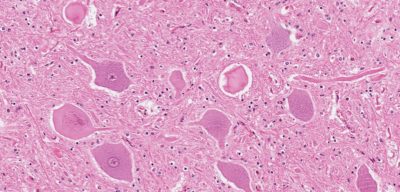
Excessive Cell Size Contributes to Senescence
In a new study [1], researchers have identified the reason why cells become defective when they grow too large and why protein creation fails when cells grow larger than their

New Aging Clock Accurately Predicts Biological Age
Researchers at the Harvard T.H. Chan School of Public Health have discovered a new aging clock that can accurately determine both chronological and biological age in a wide variety of
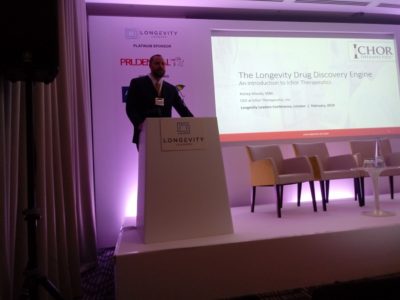
Building a Company to End Age-Related Diseases
I recently visited the Longevity Leaders Conference in London and had the opportunity to speak with Kelsey Moody, the CEO of Ichor Therapeutics, a company focused on targeting age-related diseases

Removing Senescent Cells Improves Heart Health
Researchers at Newcastle University have shown that clearing out senescent cardiac muscle cells from the hearts of aged mice restores heart health. It seems that not a month goes by

Reversing Cellular Aging with Prof. Vittorio Sebastiano
We recently attended the Undoing Aging Conference in Berlin and had the opportunity to interview Professor Vittorio Sebastiano of Turn.Bio, a company developing partial cellular reprogramming techniques to reverse cellular aging. As we age, our cells experience changes to their epigenetic markers, and this, in turn,

An Interview with Dr. Judith Campisi
At Undoing Aging 2019, we interviewed some of the best researchers who are involved in discovering therapies for the root causes of aging. Their research aims to ameliorate the damages of aging and may one day lead to a future without age-related diseases. Dr. Judith Campisi,

Undoing Aging in the Viewfinder
The day after I got back from the Undoing Aging 2019 scientific conference, which was jointly organized by the SENS Research Foundation and Forever Healthy Foundation, Moscow greeted me with the first sunny days of the spring. Still tired and lacking sleep, but happy and inspired,

My Experiences At Undoing Aging 2019
Last Wednesday, I landed in Berlin, Germany at around 12:30. About an hour later, I was briefly in Cafè Alex, right next to the tapering TV Tower, where I met some of my colleagues from LEAF—some of whom I had never seen in person before—as well

The Life Extensionist’s Guide to Cognitive Biases
A cognitive bias is a systematic deviation from rational thought that can influence people’s reasoning without them even noticing. Several cognitive biases have been observed and studies over the past few decades, demonstrably influencing decision-making, self-perception, and preferences while affecting many human activities. Naturally, cognitive biases

Chronic Inflammation Leads to Toxic NET Buildup
A new review discusses how neutrophils release toxic substances into the body under inflammatory conditions, detailing one of the ways in which chronic inflammation causes long-term damage. Casting a deadly NET As we age, we suffer from the ever-increasing chronic inflammation known as inflammaging. This persistent,

Clearing Senescent Cells Prevents T1 Diabetes in Mice
Scientists have shown that the removal of non-dividing senescent cells, which are normally associated with aging, also appears to prevent Type 1 diabetes in diabetic mouse strains. Clearing senescent beta cells prevents T1 diabetes Type 1 diabetes (T1D) is a chronic condition in which the pancreas

Samsara Is Developing Autophagy Boosting Therapies
Samsara Therapeutics has completed a seed financing round in collaboration with Apollo Ventures, a venture capital company and biotech incubator that supports longevity research and treatments for age-related diseases. Samsara Therapeutics, Inc. (“Samsara,”) a platform biotechnology startup engaged in the discovery and development of compounds that

Epigenetic Alterations and Reprogramming Potential in Aging
The role of epigenetics, which determine how your genes are expressed, is being increasingly implicated in aging, as is the potential of therapies that revert epigenetics back to those of a younger person. What are epigenetic alterations? The DNA in each of our cells is identical,

Rejuvenating Aged Brains by Waking Up Dormant Stem Cells
Researchers from the University of Luxembourg and the German Cancer Research Center have rejuvenated stem cells in the brains of old mice. The rejuvenated stem cells appear to improve regeneration in areas of damaged or diseased brain tissue. A new way to model stem cells A

Boosting Cellular Housekeeping with Exercise and Fasting
In order to remain healthy and functional, cells have a number of maintenance systems that help them to dispose of metabolic waste and unwanted proteins. Autophagy is perhaps the best-known example of how cells purge their waste, and another is the ubiquitin-proteasome system (UPS). Researchers are

Excessive Cell Size Contributes to Senescence
In a new study [1], researchers have identified the reason why cells become defective when they grow too large and why protein creation fails when cells grow larger than their original healthy size, as is typically seen in aged and senescent cells. They demonstrate that in

New Aging Clock Accurately Predicts Biological Age
Researchers at the Harvard T.H. Chan School of Public Health have discovered a new aging clock that can accurately determine both chronological and biological age in a wide variety of species. Aging and the nucleolus There are two kinds of age: chronological age, which is strictly

Building a Company to End Age-Related Diseases
I recently visited the Longevity Leaders Conference in London and had the opportunity to speak with Kelsey Moody, the CEO of Ichor Therapeutics, a company focused on targeting age-related diseases by targeting the aging processes themselves. I previously interviewed him back in 2017, so it was

Removing Senescent Cells Improves Heart Health
Researchers at Newcastle University have shown that clearing out senescent cardiac muscle cells from the hearts of aged mice restores heart health. It seems that not a month goes by without a new study showing that senolytics, drugs that remove aged and damaged cells from the