



Researchers Discover How to Supercharge Stem Cells
Researchers at the School of Molecular Sciences at Arizona State University have discovered a potential way to supercharge our stem cells and reverse some aspects of cellular aging. The Hayflick

Caloric Restriction Improves Regeneration in Intestines
Caloric restriction has long been known to increase the lifespan and healthspan of most studied animals. Research also shows that animals given a calorie-restricted diet are also generally more able

FDA RMAT Framework is Win-Win for Gene Therapies
Back in November 2017, the FDA announced a comprehensive policy framework for the development and oversight of regenerative medicine products, including novel cellular therapies. Both draft guidance documents had 90-day

Dentists May Soon Regenerate Teeth Using GSK3 Antagonists
What if I told you that we could regenerate our teeth? Well, that may soon be a possibility thanks to new research showing that teeth can be encouraged to regrow.

Treating Aging as a Disease
Aging and cancer are closely linked, with the latter being, more often than not, a consequence of the former. Cancer is caused by the aging hallmark of genomic instability, and
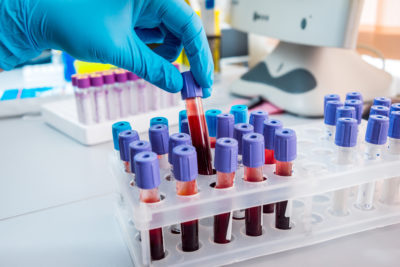
A Potential Blood Test for Alzheimer’s Disease
A simple technique to measure the amount of amyloid beta in the brain could improve diagnosis and drug trials for Alzheimer’s disease, according to the results of new research. A

The Misconception of the Two Deaths
When we talk about life extension, we mean people living much longer than they do now, and, more importantly, people who are healthier for longer. For example, we mean being

Could Klotho Treat Dementia by Targeting Aging Itself?
Researcher Dr. Dena Dubal, from the University of California San Francisco, is considering a new approach to combat neurodegenerative diseases, such as Alzheimer’s disease and dementia, using a protein known

Rejuvenation Roundup January 2018
The first month of the new year is already behind us, so it is time to sit down and look back at what happened in the rejuvenation world during January;
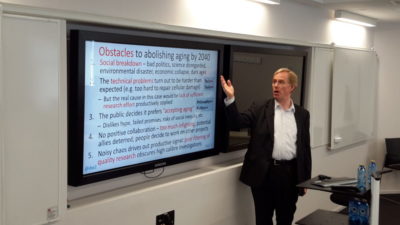
The Abolition of Aging – A Book Review
As you might recall, in my review of Ending Aging, I said that the book could have benefited from a more in-depth discussion of the benefits of rejuvenation as well

Google’s Calico Announces Discovery Of A “Non-Aging Mammal.”
Completely bald and with wrinkly skin, the naked mole rat is one of the ugliest creatures around but lives an exceptionally long life for a small mammal. It rarely develops
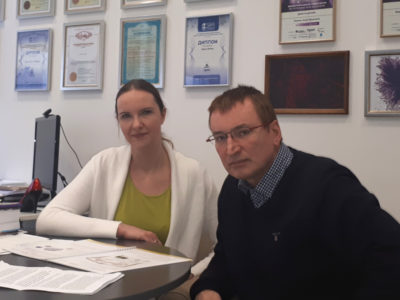
Taking Care of Your Fibroblasts Might Help You Look Younger
As we age, our bodily functions begin to deteriorate. To some extent, our bodies can cope with these unwelcome changes, but after age 35, some of them become visible. For

Extracellular Vesicles and Aging
Stem cell therapies have been developing and evolving rapidly over the last decade, and extracellular vesicles (EVs) are another innovative approach that researchers are exploring. EVs are being explored for
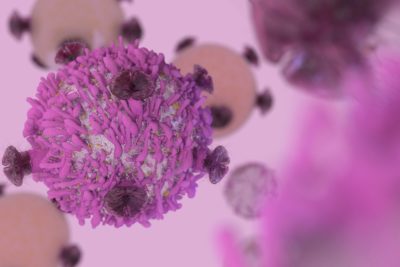
TIGIT as a Biomarker for T Cell Senescence and Exhaustion
In a new study, researchers propose that TIGIT is a marker of T cell senescence and exhaustion in the immune system [1]. However, not only is TIGIT just a biomarker,
Starving Cancer Cells to Death
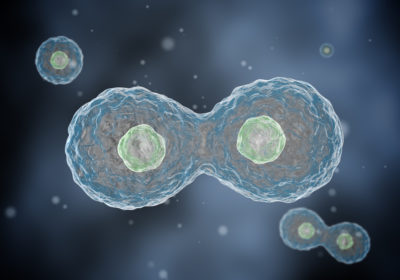
Novel therapeutic approaches may often require quite a bit of lateral thinking, as researchers at the Salk Institute have recently shown in a study presenting a novel method to interfere

Researchers Discover How to Supercharge Stem Cells
Researchers at the School of Molecular Sciences at Arizona State University have discovered a potential way to supercharge our stem cells and reverse some aspects of cellular aging. The Hayflick limit Normal cells cannot divide indefinitely; they have a built-in replicative limit, which is often called

Caloric Restriction Improves Regeneration in Intestines
Caloric restriction has long been known to increase the lifespan and healthspan of most studied animals. Research also shows that animals given a calorie-restricted diet are also generally more able to regenerate tissue damage following injury. Caloric restriction improves tissue regeneration A new study by the

FDA RMAT Framework is Win-Win for Gene Therapies
Back in November 2017, the FDA announced a comprehensive policy framework for the development and oversight of regenerative medicine products, including novel cellular therapies. Both draft guidance documents had 90-day comment periods, and we at LEAF joined forces with the Niskanen Center to submit comments to

Dentists May Soon Regenerate Teeth Using GSK3 Antagonists
What if I told you that we could regenerate our teeth? Well, that may soon be a possibility thanks to new research showing that teeth can be encouraged to regrow. Rather than drilling holes into teeth and plugging them with artificial fillers, dentists in the near

Treating Aging as a Disease
Aging and cancer are closely linked, with the latter being, more often than not, a consequence of the former. Cancer is caused by the aging hallmark of genomic instability, and the two are intertwined. While it is true that young people can get cancer, it is

A Potential Blood Test for Alzheimer’s Disease
A simple technique to measure the amount of amyloid beta in the brain could improve diagnosis and drug trials for Alzheimer’s disease, according to the results of new research. A simple blood test Japanese researchers led by Dr. Katsuhiko Yanagisawa have published a new study suggesting

The Misconception of the Two Deaths
When we talk about life extension, we mean people living much longer than they do now, and, more importantly, people who are healthier for longer. For example, we mean being 120 with the health of a 30-year-old. Hang on, though—hasn’t a person who is 120 years

Could Klotho Treat Dementia by Targeting Aging Itself?
Researcher Dr. Dena Dubal, from the University of California San Francisco, is considering a new approach to combat neurodegenerative diseases, such as Alzheimer’s disease and dementia, using a protein known as klotho. Aging is the foundation of age-related diseases Instead of trying to understand each of

Rejuvenation Roundup January 2018
The first month of the new year is already behind us, so it is time to sit down and look back at what happened in the rejuvenation world during January; thankfully, there’s plenty of good news to talk about! Healthy aging is back in WHO’s agenda

The Abolition of Aging – A Book Review
As you might recall, in my review of Ending Aging, I said that the book could have benefited from a more in-depth discussion of the benefits of rejuvenation as well as the concerns and objections often raised against it. Anyone else sharing the same feeling will

Google’s Calico Announces Discovery Of A “Non-Aging Mammal.”
Completely bald and with wrinkly skin, the naked mole rat is one of the ugliest creatures around but lives an exceptionally long life for a small mammal. It rarely develops the chronic diseases of aging, such as cancer, and lives 10 times longer than regular rats.

Taking Care of Your Fibroblasts Might Help You Look Younger
As we age, our bodily functions begin to deteriorate. To some extent, our bodies can cope with these unwelcome changes, but after age 35, some of them become visible. For us living in a world where youth and physical attractiveness are considered an advantage, this gradual

Extracellular Vesicles and Aging
Stem cell therapies have been developing and evolving rapidly over the last decade, and extracellular vesicles (EVs) are another innovative approach that researchers are exploring. EVs are being explored for their potential as the basis of new cell therapies, taking the signals generated from various types

TIGIT as a Biomarker for T Cell Senescence and Exhaustion
In a new study, researchers propose that TIGIT is a marker of T cell senescence and exhaustion in the immune system [1]. However, not only is TIGIT just a biomarker, it is also a potential therapeutic target; as the researcher team discovered, lowering levels of TIGIT

Starving Cancer Cells to Death
Novel therapeutic approaches may often require quite a bit of lateral thinking, as researchers at the Salk Institute have recently shown in a study presenting a novel method to interfere with cancer growth. The problem with cancer In a nutshell, the reason cancer is such an