





Vitamin D Rescues Telomere Attrition in Leukocytes
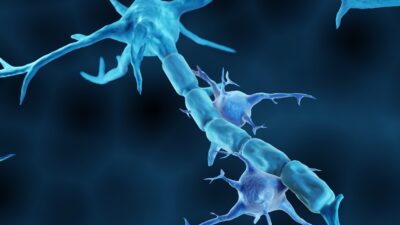
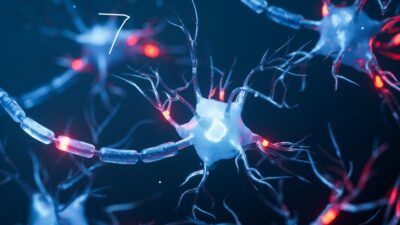
A sub-study, which was part of the large-scale VITAL trial, determined that vitamin D supplementation slows telomere attrition in leukocytes almost to a halt. This could have real-life clinical implications

Common Laboratory Mice Age Faster in a Natural Environment
In Aging Cell, researchers have found that exposing ordinary Black 6 mice to a more natural environment accelerates rather than slows the aging of their livers. When natural doesn’t mean
Dietary Methionine Restriction Improves Healthspan in Mice
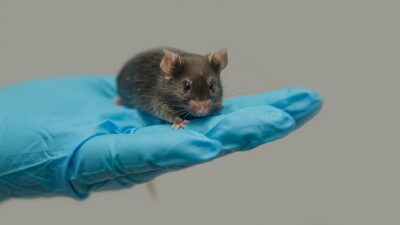
In a recent study, researchers investigated how restricting dietary methionine and inhibiting the tyrosine degradation pathway affects healthspan in aged mice. While affecting tyrosine didn’t show any benefits, methionine restriction
Nanostructures Trap Amyloid Beta, Rescuing Neurons
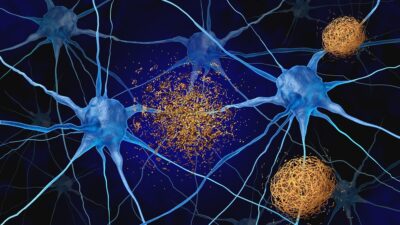
Scientists have created engineered nanostructures that bind monomers and oligomers of harmful amyloid beta (Aβ) protein, preventing them from entering neurons and drastically increasing the cells’ survival in vitro [1].

Results of a Phase 1 Trial of Senolytics for Alzheimer’s
The results of a Phase 1 trial of the well-known senolytic combination of dasatinib and quercetin (D+Q) in patients with Alzheimer’s disease have been published in Neurotherapeutics. Building on substantial

Longevity Investor Network 2024 End of Year Update
Developing technologies to defeat age-related diseases by keeping people biologically younger is the goal of the rejuvenation biotechnology field. LRI created the Longevity Investor Network (LIN) to connect promising longevity

Is Aging Part of the Immune System?
What is aging? Sadly, we don’t know. If we ask the experts in the field, they will give us different answers [1]. Consensus has not been reached on even the

Well-Known Researchers Discuss Personalized Aging Treatments
The Hallmarks of Aging team has returned to Cell, publishing a detailed review discussing how future methods of dealing with aging might be highly personalized. Two more hallmarks? In the

How Apigenin May Reduce Senescence and Cancer
Screening of a natural compounds library has revealed the senomorphic properties of apigenin. This natural flavonoid also demonstrated rejuvenating effects on many aging-associated molecular features as well as physical and

Gamma Delta T Cells Show Promise Against Cellular Senescence
Scientists from the Lifespan Research Institute have discovered that a subset of T cells effectively targets senescent cells and improves outcomes in a mouse model of idiopathic pulmonary fibrosis [1].
A New Approach to Treating Aging Skin
Researchers publishing in Aging Cell have found a biochemical pathway that leads skin cells to become senescent along with a potential target for future therapies. Fibroblasts have a purpose Dermal

Michael Levin on Bioelectricity in Development and Aging
Michael Levin, professor at Tufts University and director of Allen Discovery Center, has been working for years on how bioelectrical patterns affect development and aging. His research proves that this

Young Microbiota Transfer Reduces Aging Aspects in Mice
In a recent study, lifelong, repeated microbiota transfer from young mice to old mice improves intestinal permeability, coordinative ability, and metabolic profiles while reducing pro-inflammatory responses [1]. Small in size,
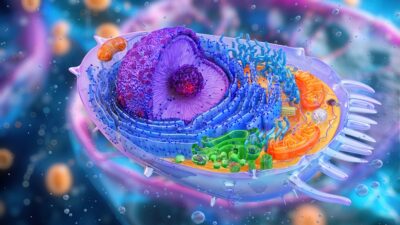
TFEB Lets Cells Live Long Enough to Become Senescent
In Aging Cell, researchers have explained how transcription factor EB (TFEB) is related to cellular senescence and keeps stressed cells alive. Inactivated by mTOR Yesterday, we reported on TFEB’s effects
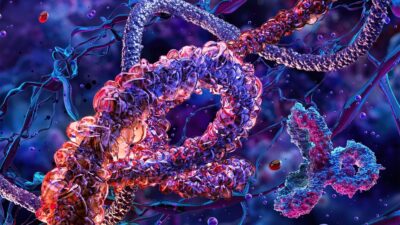
Limiting One Protein Maintenance Pathway Enhances Another
In Aging Cell, researchers have explored how transcription factor EB (TFEB) promotes proteostasis in a common aging model. Maintaining protein function Proteostasis is naturally maintained by a quality control system

Vitamin D Rescues Telomere Attrition in Leukocytes
A sub-study, which was part of the large-scale VITAL trial, determined that vitamin D supplementation slows telomere attrition in leukocytes almost to a halt. This could have real-life clinical implications [1]. The chromosome guardians Attrition of telomeres, repetitive sequences that cap chromosomes, is one of the

Common Laboratory Mice Age Faster in a Natural Environment
In Aging Cell, researchers have found that exposing ordinary Black 6 mice to a more natural environment accelerates rather than slows the aging of their livers. When natural doesn’t mean better It is a well-known fact that laboratory animals live in controlled conditions beyond that of
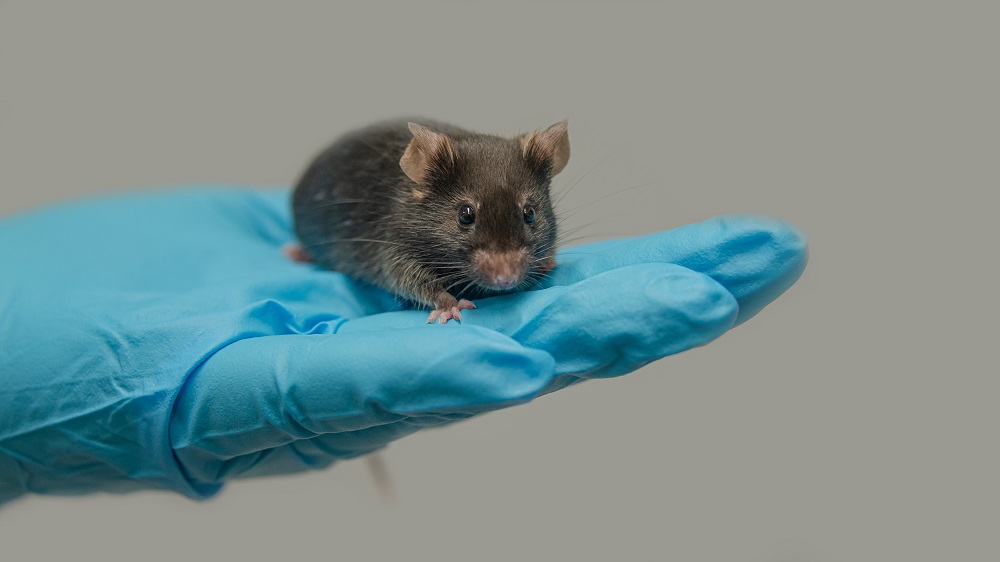
Dietary Methionine Restriction Improves Healthspan in Mice
In a recent study, researchers investigated how restricting dietary methionine and inhibiting the tyrosine degradation pathway affects healthspan in aged mice. While affecting tyrosine didn’t show any benefits, methionine restriction improved many, but not all, measures of healthspan, including frailty, pathological disease burden, and neuromuscular function
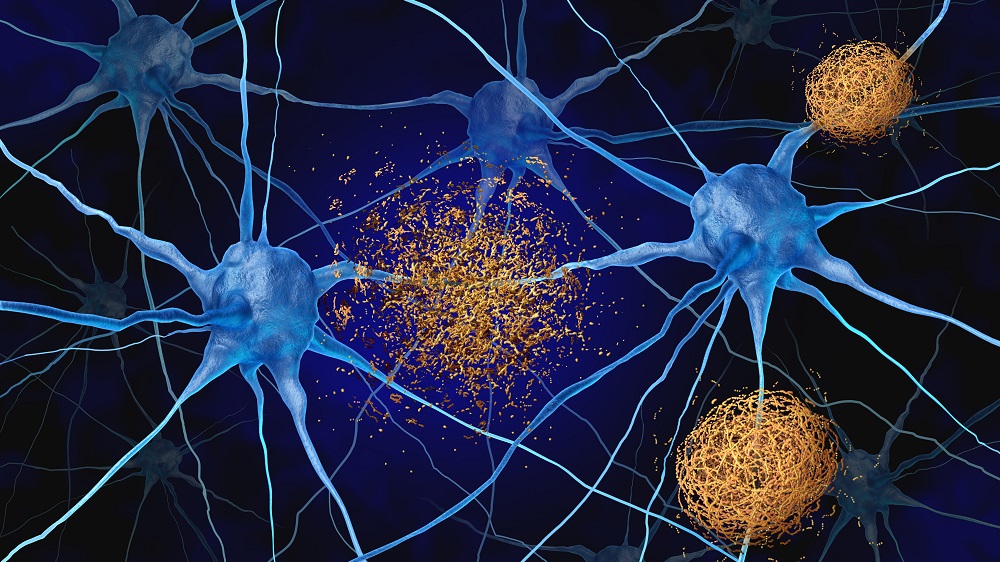
Nanostructures Trap Amyloid Beta, Rescuing Neurons
Scientists have created engineered nanostructures that bind monomers and oligomers of harmful amyloid beta (Aβ) protein, preventing them from entering neurons and drastically increasing the cells’ survival in vitro [1]. Don’t let them into cells! Misfolded proteins are thought to be behind diseases like Alzheimer’s and

Results of a Phase 1 Trial of Senolytics for Alzheimer’s
The results of a Phase 1 trial of the well-known senolytic combination of dasatinib and quercetin (D+Q) in patients with Alzheimer’s disease have been published in Neurotherapeutics. Building on substantial previous work The researchers introduce this study by discussing the relationship of senescent cells to Alzheimer’s

Longevity Investor Network 2024 End of Year Update
Developing technologies to defeat age-related diseases by keeping people biologically younger is the goal of the rejuvenation biotechnology field. LRI created the Longevity Investor Network (LIN) to connect promising longevity tech companies with investors to get this technology to the clinic. Looking back at a successful
Is Aging Part of the Immune System?
What is aging? Sadly, we don’t know. If we ask the experts in the field, they will give us different answers [1]. Consensus has not been reached on even the trivial definition of aging, let alone its primary mechanisms. But, can we cure aging without understanding

Well-Known Researchers Discuss Personalized Aging Treatments
The Hallmarks of Aging team has returned to Cell, publishing a detailed review discussing how future methods of dealing with aging might be highly personalized. Two more hallmarks? In the original and very heavily cited 2013 paper [1], Dr. López-Otín and colleagues outlined nine hallmarks of

How Apigenin May Reduce Senescence and Cancer
Screening of a natural compounds library has revealed the senomorphic properties of apigenin. This natural flavonoid also demonstrated rejuvenating effects on many aging-associated molecular features as well as physical and cognitive performance, and it has a beneficial impact on cancer treatment in mice and cells [1].

Gamma Delta T Cells Show Promise Against Cellular Senescence
Scientists from the Lifespan Research Institute have discovered that a subset of T cells effectively targets senescent cells and improves outcomes in a mouse model of idiopathic pulmonary fibrosis [1]. How do we harness the immune system against senescence? Cellular senescence, which occurs when cells subjected
A New Approach to Treating Aging Skin
Researchers publishing in Aging Cell have found a biochemical pathway that leads skin cells to become senescent along with a potential target for future therapies. Fibroblasts have a purpose Dermal fibroblasts are common subjects in aging research, particularly in the context of senescence. These cells have

Michael Levin on Bioelectricity in Development and Aging
Michael Levin, professor at Tufts University and director of Allen Discovery Center, has been working for years on how bioelectrical patterns affect development and aging. His research proves that this often-overlooked part of biology is immensely important and that mastering its mechanisms might one day do

Young Microbiota Transfer Reduces Aging Aspects in Mice
In a recent study, lifelong, repeated microbiota transfer from young mice to old mice improves intestinal permeability, coordinative ability, and metabolic profiles while reducing pro-inflammatory responses [1]. Small in size, but mighty in impact Previous research has found that the composition and function of gut microbes
TFEB Lets Cells Live Long Enough to Become Senescent
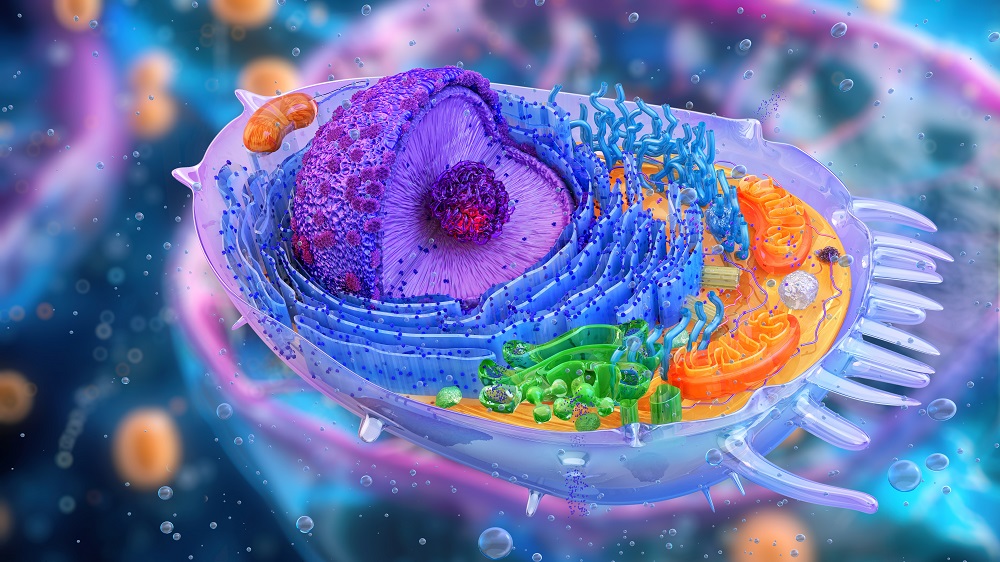
In Aging Cell, researchers have explained how transcription factor EB (TFEB) is related to cellular senescence and keeps stressed cells alive. Inactivated by mTOR Yesterday, we reported on TFEB’s effects on proteostasis and how it has downstream functions on protein chaperones. This research, however, focuses on
Limiting One Protein Maintenance Pathway Enhances Another
In Aging Cell, researchers have explored how transcription factor EB (TFEB) promotes proteostasis in a common aging model. Maintaining protein function Proteostasis is naturally maintained by a quality control system that utilizes a network of chaperones and co-chaperones in order to handle all aspects of protein