

Nicotinamide Riboside Improves Walking in Clinical Trial
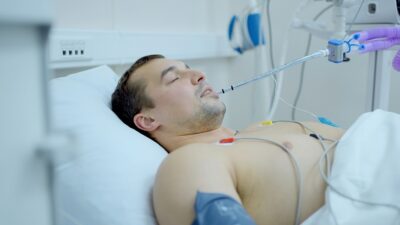
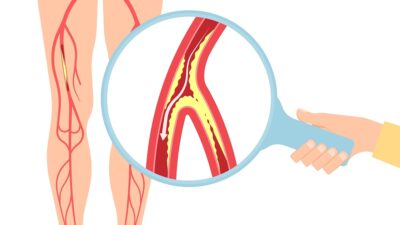
Researchers publishing in Nature Communications have found that nicotinamide riboside (NR) improves walking distance for people who have peripheral artery disease (PAD) in the legs. When the arms and legs

Rejuvenation Roundup June 2024
Puzzle pieces are being fit together and connections are being made in understanding the massive number of biological changes that make up aging. Here’s how the science has progressed in
Developing a New Aging Clock for Medical Professionals
In Nature Aging, researchers have published the creation of a new clock that uses multiple metrics to evaluate biological aging. What’s worth measuring? Multiple metrics have been used to measure
70 Is Indeed the New 60, Study Suggests
Scientists have found that older people currently retain more youthful abilities than people who were the same age did in previous decades [1]. How miserable are we? Recent decades have
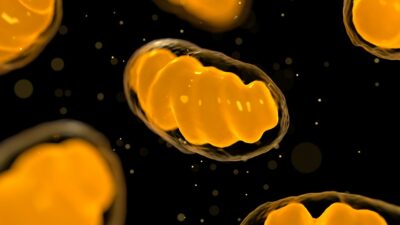
Encouraging Mitochondrial Maintenance to Fight Senescence
Researchers have published a method of rescuing cells from damaged mitochondria and cellular senescence, potentially alleviating major aspects of aging. Bad mitochondria must be consumed A core part of autophagy
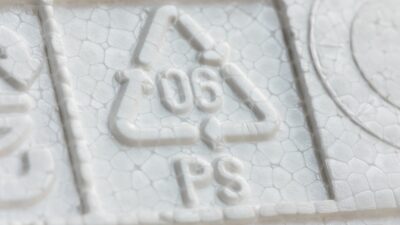
Blueberry Polyphenol May Relieve Plastic-Caused Sperm Damage
A recent paper has investigated the impact of polystyrene nanoplastics on the molecular processes of male reproductive tissues in mice [1]. Health risks of micro- and nanoplastics Microplastic and nanoplastic
Study Links Stress to Mitochondrial Dysfunction in the Brain
For the first time, scientists have shown that the abundance of proteins needed for mitochondrial energy production in human brains is linked to perceived psychosocial experiences [1]. Picking the brains
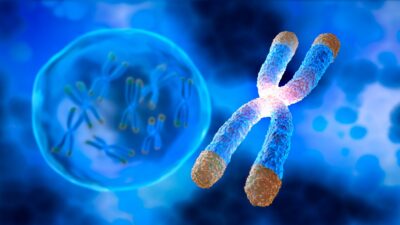
New Drug Restores Telomerase, Improves Cognition in Mice
Scientists have identified a small molecule that upregulates telomerase reverse transcriptase (TERT) in multiple tissues, improving health and cognition in old mice. Telomere attrition and health The enzyme telomerase can

Walking Reduces Risk of Low Back Pain Recurrence
Publishing in The Lancet, scientists have shown that simple walking can have significant effects on the recurrence of back pain and disability metrics. Age-related and more than just annoying While
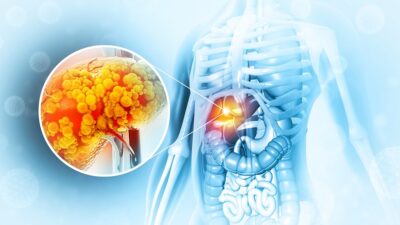
A Reason Why Livers Accumulate Fat with Age
Researchers have discovered one of the reasons why fatty liver disease, even without alcohol consumption, increases with aging. The earliest stage of fatty liver disease Nonalcoholic fatty liver disease (NAFLD)

Combating How Space Travel Weakens Immune Function
It has been known for many years that microgravity in space interferes with human physiology in negative ways. As early as the first Apollo missions, astronauts experienced heart rhythm issues,

A Protein Necessary for Corneal Healing
Researchers have discovered a protein that is necessary for proper healing of damaged corneal tissue and that this protein decreases with age. Repairing a shield that is easy to damage
Some Brain Changes May Cause Strength Loss
In Aging Cell, researchers have published data on a causal link between brain structure changes and age-related muscle loss (sarcopenia). Not just falls and frailty Sarcopenia is a key reason

Mix of Lifestyle Interventions Might Reverse Alzheimer’s
In a randomized, controlled trial in humans, scientists have demonstrated that a multimodal lifestyle intervention consisting of a vegan diet, exercise, supplements, and stress management can improve the symptoms of
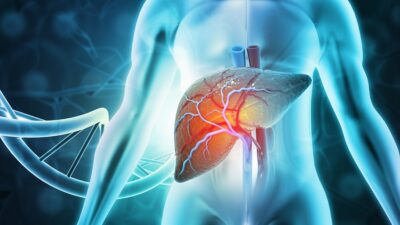
Treating Genetic Liver Diseases at Their Root
Researchers publishing in Cell Stem Cell have demonstrated that genetically diseased liver cells can be taken from human beings, altered in the laboratory, and used to regrow the livers of
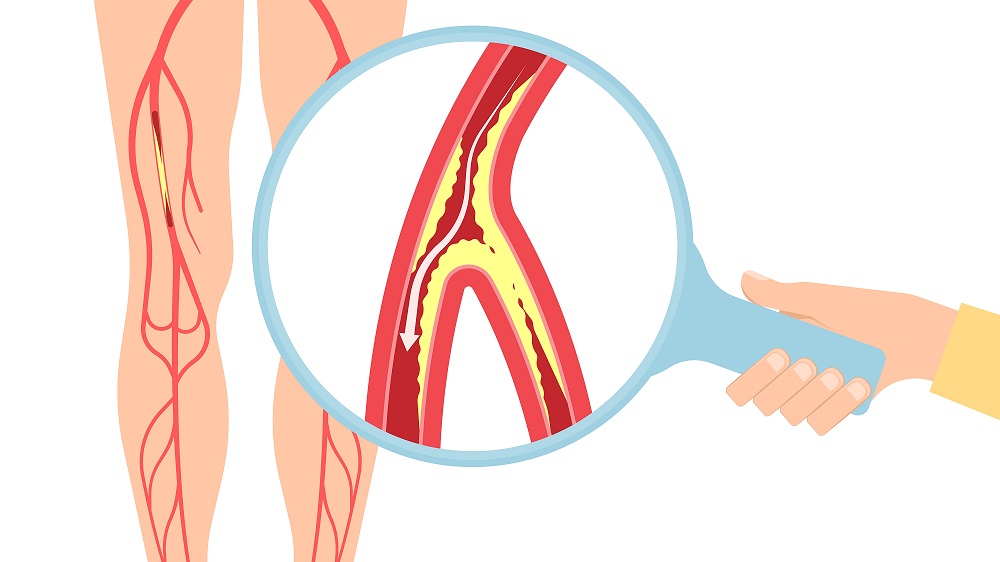
Nicotinamide Riboside Improves Walking in Clinical Trial
Researchers publishing in Nature Communications have found that nicotinamide riboside (NR) improves walking distance for people who have peripheral artery disease (PAD) in the legs. When the arms and legs don’t get enough blood Ischemia, the failure of blood vessels to deliver sufficient oxygen and nutrients,

Rejuvenation Roundup June 2024
Puzzle pieces are being fit together and connections are being made in understanding the massive number of biological changes that make up aging. Here’s how the science has progressed in June. LEAF News Team and activities Summer Could Be Big for Longevity Tech Investment: The weather
Developing a New Aging Clock for Medical Professionals
In Nature Aging, researchers have published the creation of a new clock that uses multiple metrics to evaluate biological aging. What’s worth measuring? Multiple metrics have been used to measure aging. The most commonly known in the literature are the epigenetic clocks, such as GrimAge and
70 Is Indeed the New 60, Study Suggests
Scientists have found that older people currently retain more youthful abilities than people who were the same age did in previous decades [1]. How miserable are we? Recent decades have seen leaps in average life expectancy. However, those mostly stem from successes in curbing childhood mortality
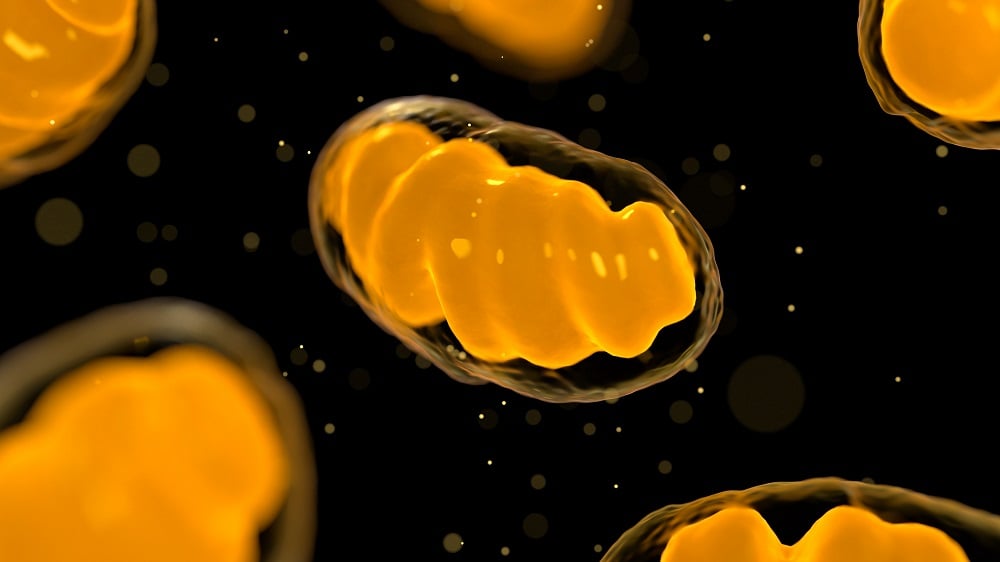
Encouraging Mitochondrial Maintenance to Fight Senescence
Researchers have published a method of rescuing cells from damaged mitochondria and cellular senescence, potentially alleviating major aspects of aging. Bad mitochondria must be consumed A core part of autophagy involves selective autophagy receptors (SARs), which build the autophagosomes in which the organelles are consumed [1].

Blueberry Polyphenol May Relieve Plastic-Caused Sperm Damage
A recent paper has investigated the impact of polystyrene nanoplastics on the molecular processes of male reproductive tissues in mice [1]. Health risks of micro- and nanoplastics Microplastic and nanoplastic contamination is a worldwide public health concern for a good reason. Numerous research papers have associated

Study Links Stress to Mitochondrial Dysfunction in the Brain
For the first time, scientists have shown that the abundance of proteins needed for mitochondrial energy production in human brains is linked to perceived psychosocial experiences [1]. Picking the brains Negative psychosocial experiences have been linked to health problems by numerous studies. However, not enough is

New Drug Restores Telomerase, Improves Cognition in Mice
Scientists have identified a small molecule that upregulates telomerase reverse transcriptase (TERT) in multiple tissues, improving health and cognition in old mice. Telomere attrition and health The enzyme telomerase can prevent telomere attrition from happening by extending the length of telomeres. However, in most multicellular organisms,
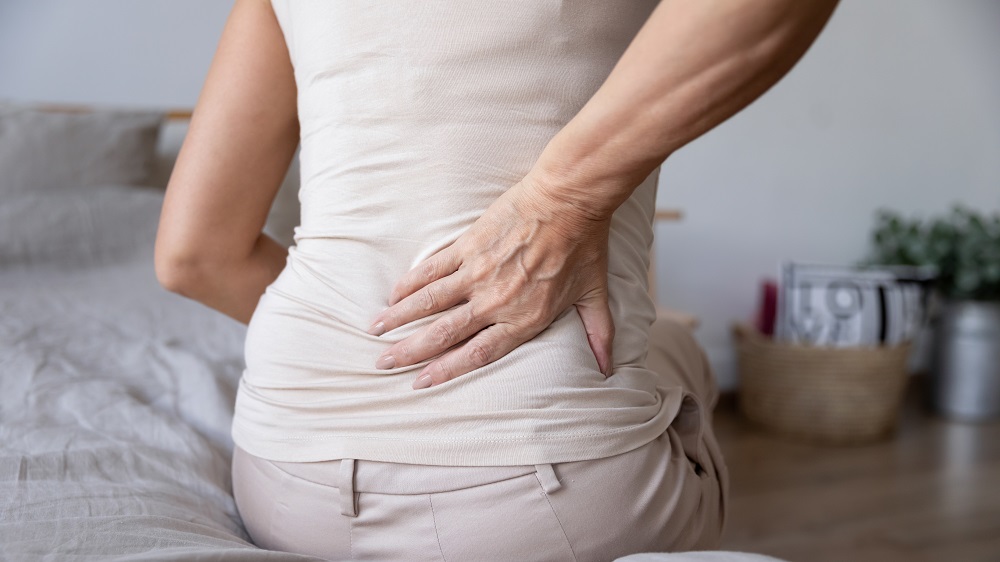
Walking Reduces Risk of Low Back Pain Recurrence
Publishing in The Lancet, scientists have shown that simple walking can have significant effects on the recurrence of back pain and disability metrics. Age-related and more than just annoying While not as lethal as heart attacks and cancer, low back pain is also an age-related disease.
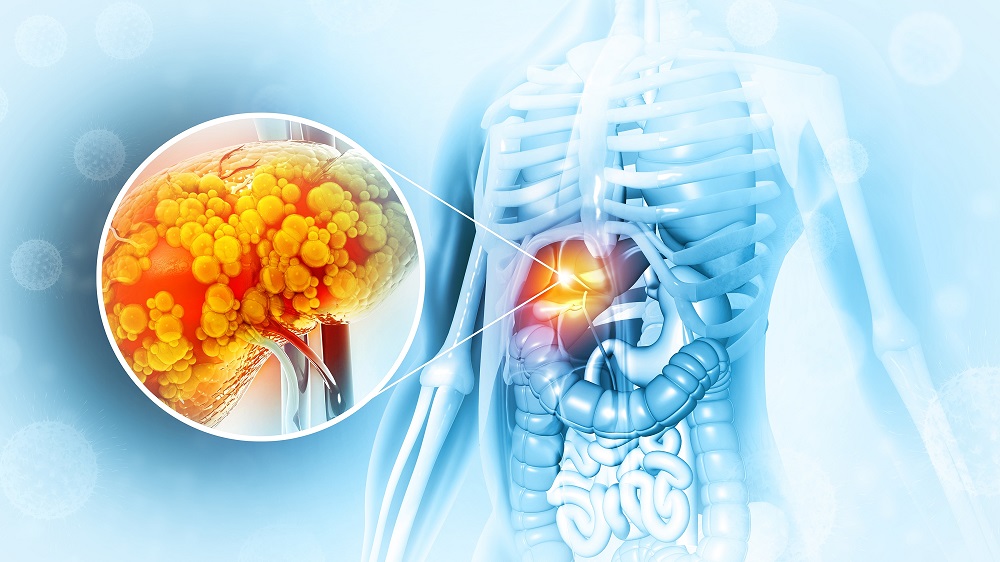
A Reason Why Livers Accumulate Fat with Age
Researchers have discovered one of the reasons why fatty liver disease, even without alcohol consumption, increases with aging. The earliest stage of fatty liver disease Nonalcoholic fatty liver disease (NAFLD) begins with steatosis, the accumulation of fatty tissues in an organ [1], which can then progress

Combating How Space Travel Weakens Immune Function
It has been known for many years that microgravity in space interferes with human physiology in negative ways. As early as the first Apollo missions, astronauts experienced heart rhythm issues, low blood pressure, inner ear problems, and bone loss. Researchers at the Buck Institute have published

A Protein Necessary for Corneal Healing
Researchers have discovered a protein that is necessary for proper healing of damaged corneal tissue and that this protein decreases with age. Repairing a shield that is easy to damage The corneal epithelium covers the cornea, which focuses light onto the retina of the eye. Although

Some Brain Changes May Cause Strength Loss
In Aging Cell, researchers have published data on a causal link between brain structure changes and age-related muscle loss (sarcopenia). Not just falls and frailty Sarcopenia is a key reason for the loss of independence among older people. Data on the prevalence of this gradual disorder

Mix of Lifestyle Interventions Might Reverse Alzheimer’s
In a randomized, controlled trial in humans, scientists have demonstrated that a multimodal lifestyle intervention consisting of a vegan diet, exercise, supplements, and stress management can improve the symptoms of Alzheimer’s [1]. Can we roll it back? Despite billions of dollars invested in finding a cure
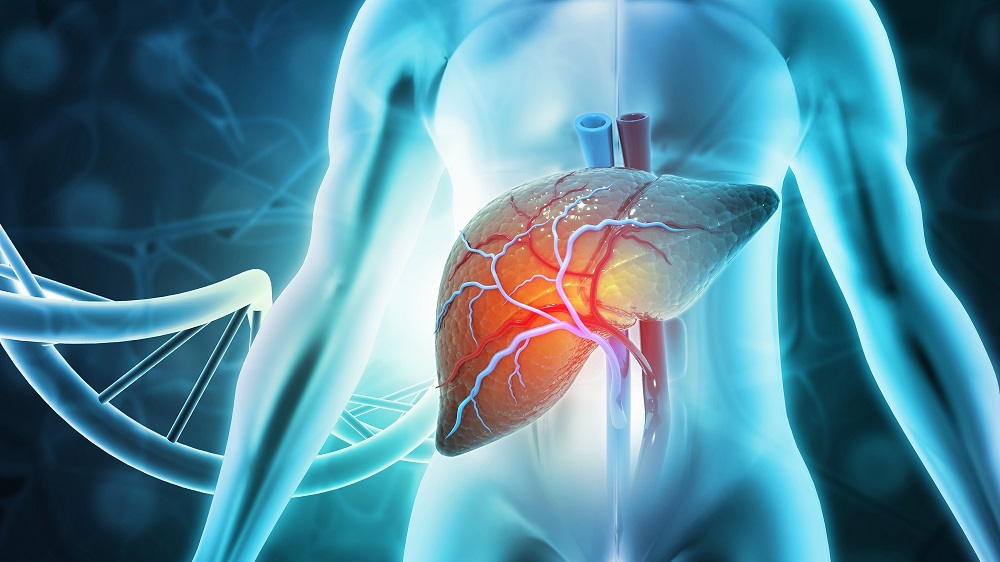
Treating Genetic Liver Diseases at Their Root
Researchers publishing in Cell Stem Cell have demonstrated that genetically diseased liver cells can be taken from human beings, altered in the laboratory, and used to regrow the livers of model mice. Recreating an entire organ has its own difficulties These researchers begin their paper by