



Restoring the Strength of Natural Killer Cells
In Aging Cell, researchers have described why older natural killer (NK) cells lose their ability to eliminate harmful cells and a potential treatment for this decline. Judgment and ability At
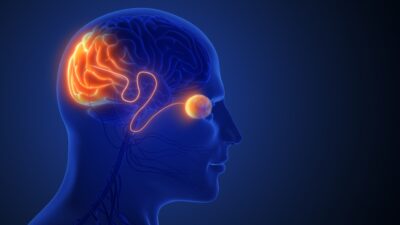
First Human Cellular Reprogramming Trial Cleared by the FDA
Life Biosciences has announced that its trial of cellular reprogramming aimed at two age-related vision diseases has received a go-ahead from the FDA. We spoke with the company’s CSO to
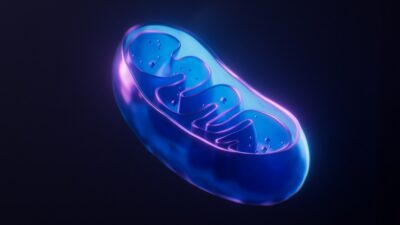
Increasing Senolytic Effectiveness by Stressing Mitochondria
Researchers publishing in Nature Aging have described how mitochondrial stress is a key part of why senolytics are effective. Finding targeted effectiveness The researchers began this study by summarizing senescent

Association Between Vitamins and Slower Biological Aging
A recent study analyzed data from over 15,000 participants and their intake of 11 vitamins, and the results suggested that higher vitamin intake, particularly of Vitamins C and B2, is

Weight Training Load Doesn’t Affect Muscle Mass or Strength
A new study suggests that, if sets are taken close to failure, the amount of weight on the bar does not determine muscle growth. However, individual differences in muscle-building ability

Rejuvenation Roundup January 2026
2026 has kicked off with several key research insights, and we’ve taken a look at the state of the industry and how rejuvenation biotechnology is moving forward. Here’s what’s been
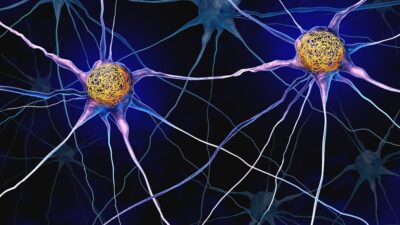
CRISPR-Based Screen Reveals Possible Anti-Tau Mechanism
Using an ingenious CRISPR-based screening technique, scientists have found a protein that tags tau for degradation and is more strongly expressed in tau-resilient neurons [1]. Some neurons are more equal
Engineered Extracellular Vesicles Reduce Arrhythmia in Rats
In Nature Communications, researchers have described how small extracellular vesicles (sEVs) fused with plasma membrane proteins successfully treated heart arrhythmia in a rat model. Why do people need pacemakers? In
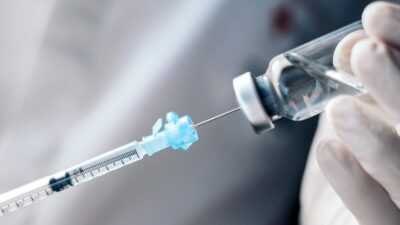
Shingles Vaccination Is Associated With Slower Aging
An analysis of over 3800 older adults found that shingles vaccination is associated with lower inflammation scores, slower epigenetic and transcriptomic aging, and a lower composite biological aging score [1].
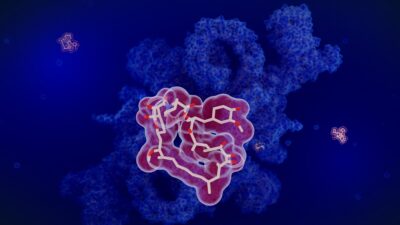
Rapamycin Protects Immune Cells by Reducing DNA Damage
A new study from the Universities of Oxford and Nottingham has uncovered a potential new mechanism by which rapamycin counters immunosenescence. Rather than increasing autophagy or reducing protein synthesis, the
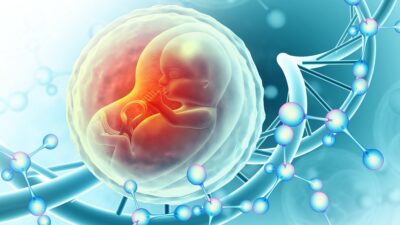
Using Placental Cells to Test Anti-Aging Compounds
Researchers publishing in Aging Cell have discovered that cells derived from the human placenta may be useful in estimating the effects of potential anti-aging treatments. A seemingly odd choice Of

Exercise Variety Is Associated With Lower Mortality Risk
A new study links exercise variety, defined as regularly engaging in several types of physical activity, to significantly lower all-cause mortality. Exercise amount matters as well, but the effect plateaus
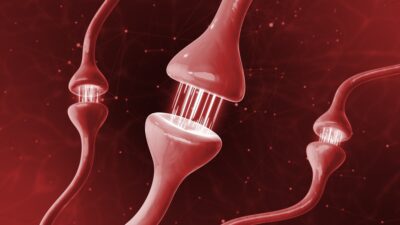
How Senescent Astrocytes Don’t Support Neurons
Resesarchers have found that thrombospondin-1 (TSP-1), a compound that is critical in growing brain synapses, is secreted by normal astrocytes but not senescent ones. Senescence is harmful to the brain

The Impact of Childbearing Trajectories on Aging
The authors of a recent study investigated the relationship between reproduction (number and timing of children), aging, and survival. An analysis of seven distinct reproductive trajectories suggested that two groups,
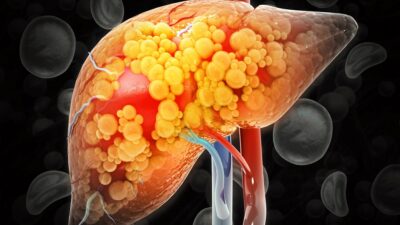
Study Uncovers How Obesity Drives Chronic Inflammation
Scientists have discovered that obesity causes macrophages to ramp up mitochondrial DNA production, leading to more inflammation [1]. Obesity and inflammation Obesity is associated with multiple acute and chronic conditions,
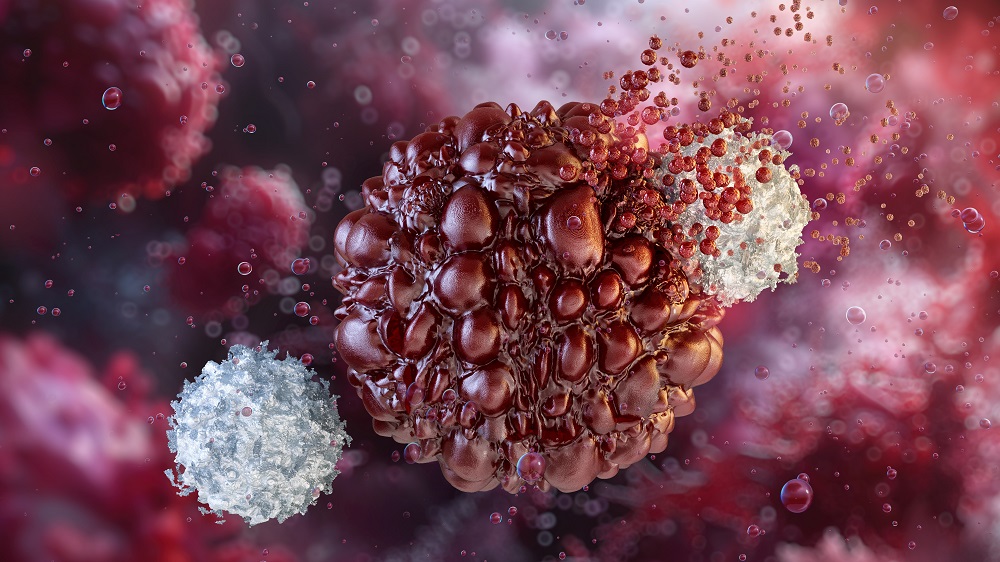
Restoring the Strength of Natural Killer Cells
In Aging Cell, researchers have described why older natural killer (NK) cells lose their ability to eliminate harmful cells and a potential treatment for this decline. Judgment and ability At the cellular level, there is no due process. Natural killer (NK) cells judge other cells’ guilt
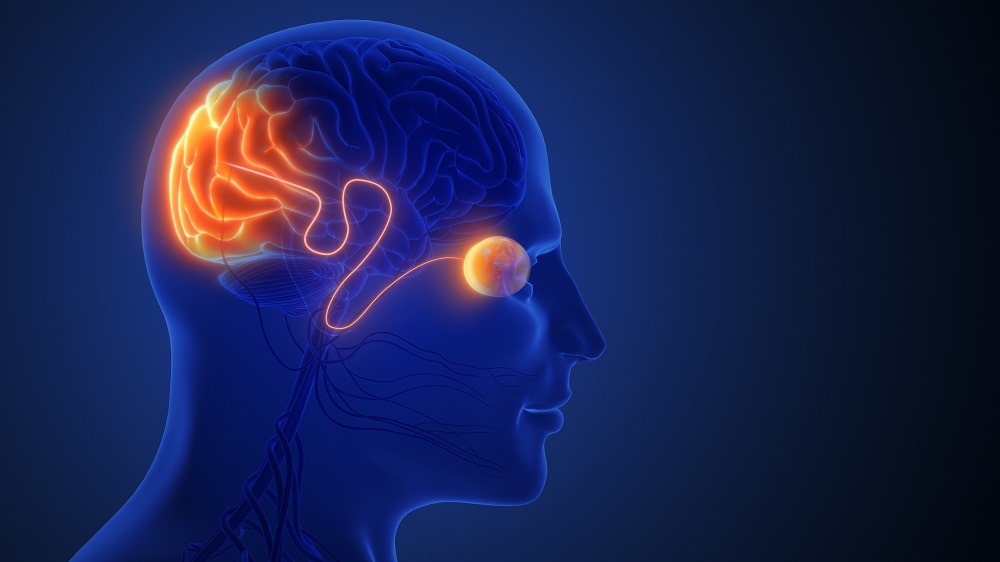
First Human Cellular Reprogramming Trial Cleared by the FDA
Life Biosciences has announced that its trial of cellular reprogramming aimed at two age-related vision diseases has received a go-ahead from the FDA. We spoke with the company’s CSO to get more details. Life Biosciences, the biotech company based on Harvard professor David Sinclair’s research into
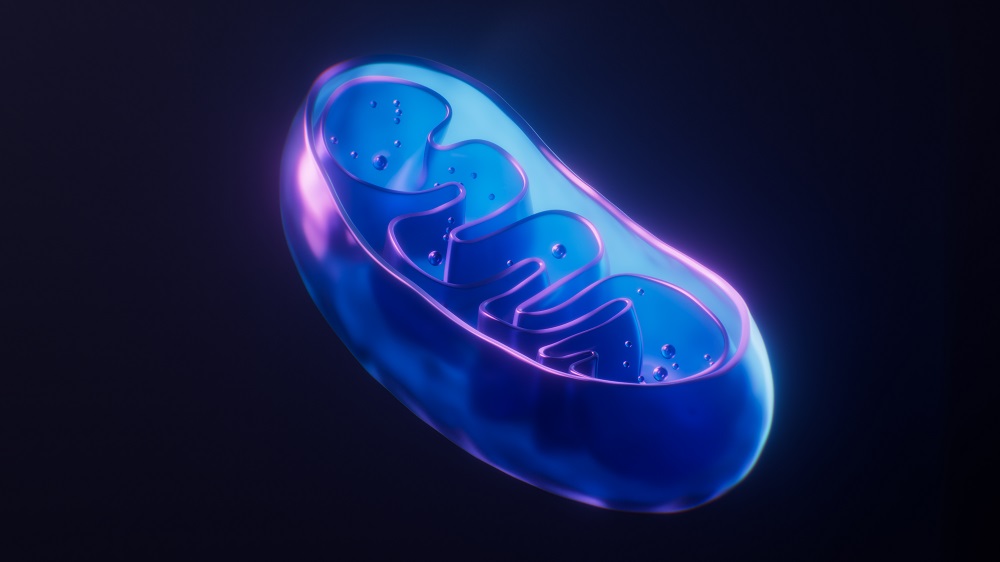
Increasing Senolytic Effectiveness by Stressing Mitochondria
Researchers publishing in Nature Aging have described how mitochondrial stress is a key part of why senolytics are effective. Finding targeted effectiveness The researchers began this study by summarizing senescent cells and the senolytics created to eliminate them. They noted that few attempts have been made
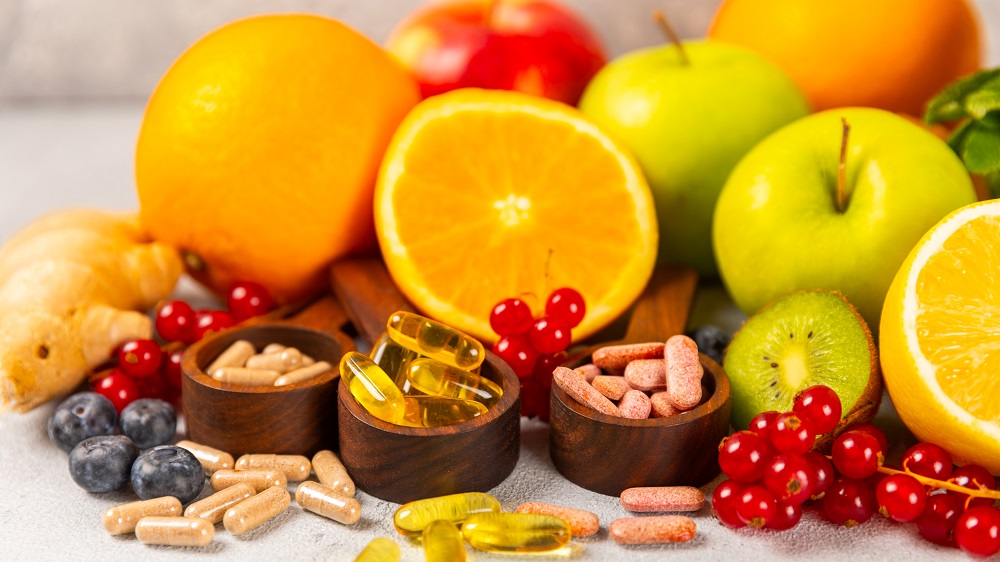
Association Between Vitamins and Slower Biological Aging
A recent study analyzed data from over 15,000 participants and their intake of 11 vitamins, and the results suggested that higher vitamin intake, particularly of Vitamins C and B2, is associated with slower biological aging [1]. Beneficial molecules One of the easiest and most accessible ways

Weight Training Load Doesn’t Affect Muscle Mass or Strength
A new study suggests that, if sets are taken close to failure, the amount of weight on the bar does not determine muscle growth. However, individual differences in muscle-building ability appear to be real [1]. How should we train? Muscle mass and strength are among the

Rejuvenation Roundup January 2026
2026 has kicked off with several key research insights, and we’ve taken a look at the state of the industry and how rejuvenation biotechnology is moving forward. Here’s what’s been done in January. Advocacy and Analysis Longevity Biotech in 2025: The Expert Roundup: How did the
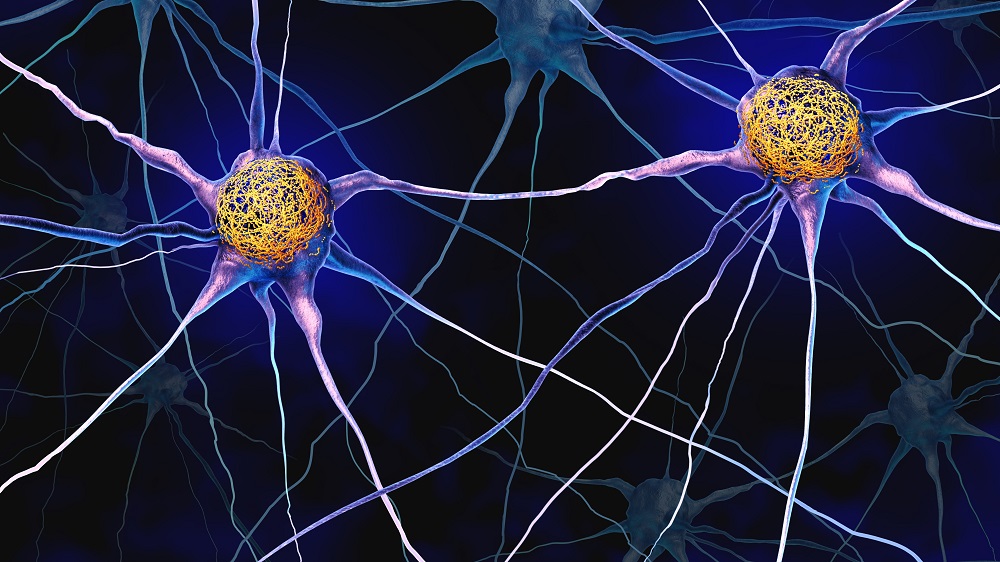
CRISPR-Based Screen Reveals Possible Anti-Tau Mechanism
Using an ingenious CRISPR-based screening technique, scientists have found a protein that tags tau for degradation and is more strongly expressed in tau-resilient neurons [1]. Some neurons are more equal than others The accumulation of tau protein fibrils in neurons is a hallmark of Alzheimer’s and

Engineered Extracellular Vesicles Reduce Arrhythmia in Rats
In Nature Communications, researchers have described how small extracellular vesicles (sEVs) fused with plasma membrane proteins successfully treated heart arrhythmia in a rat model. Why do people need pacemakers? In a healthy heart, the sinoatrial node (SAN) serves as a natural regulator, commanding the heart to
Shingles Vaccination Is Associated With Slower Aging
An analysis of over 3800 older adults found that shingles vaccination is associated with lower inflammation scores, slower epigenetic and transcriptomic aging, and a lower composite biological aging score [1]. Beneficial side effects Vaccines are developed to prevent specific diseases, such as polio, measles, hepatitis, and
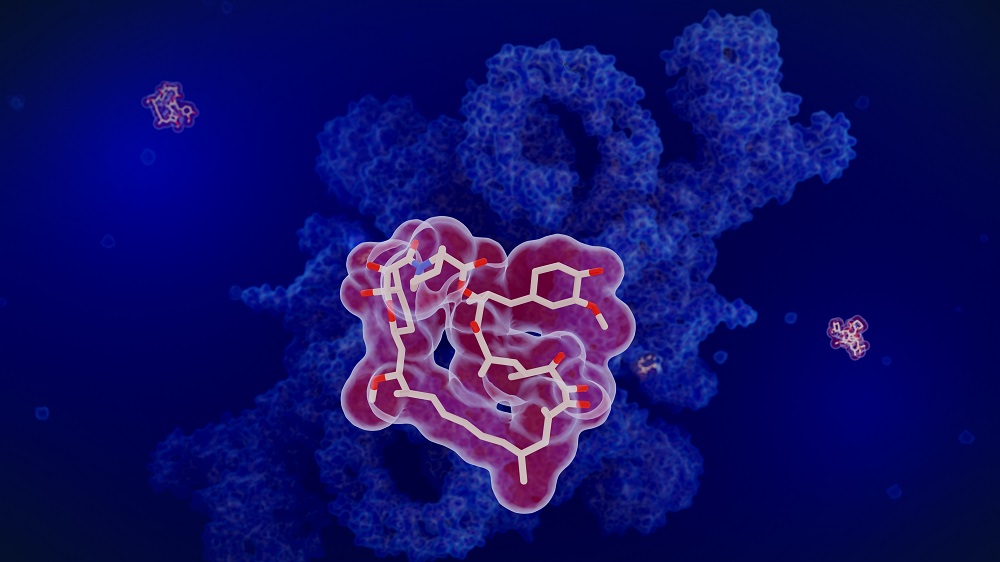
Rapamycin Protects Immune Cells by Reducing DNA Damage
A new study from the Universities of Oxford and Nottingham has uncovered a potential new mechanism by which rapamycin counters immunosenescence. Rather than increasing autophagy or reducing protein synthesis, the effect appears to involve directly reducing DNA damage burden in immune cells [1]. How can this
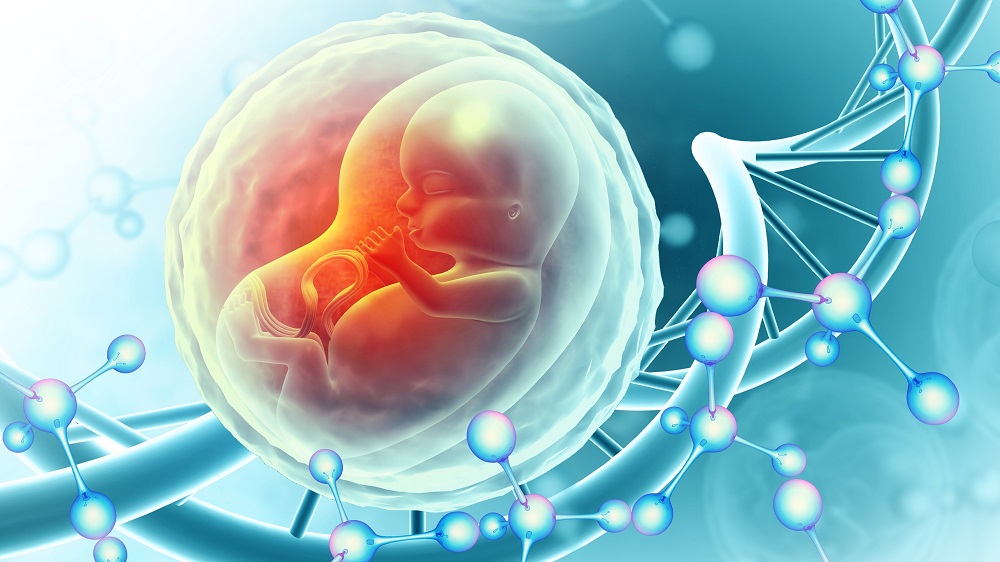
Using Placental Cells to Test Anti-Aging Compounds
Researchers publishing in Aging Cell have discovered that cells derived from the human placenta may be useful in estimating the effects of potential anti-aging treatments. A seemingly odd choice Of all the organs in the body, the placenta may be the least concerning with regards to

Exercise Variety Is Associated With Lower Mortality Risk
A new study links exercise variety, defined as regularly engaging in several types of physical activity, to significantly lower all-cause mortality. Exercise amount matters as well, but the effect plateaus quickly [1]. How exactly is it good for you? “Exercise is good for you” is a
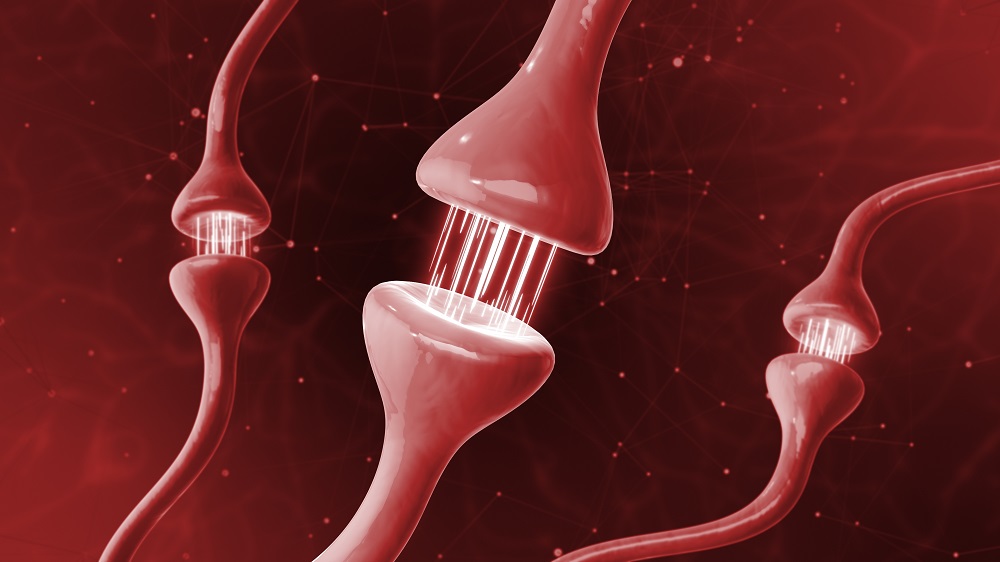
How Senescent Astrocytes Don’t Support Neurons
Resesarchers have found that thrombospondin-1 (TSP-1), a compound that is critical in growing brain synapses, is secreted by normal astrocytes but not senescent ones. Senescence is harmful to the brain It is well-known that cellular senescence causes brain damage and impairment. The SAMP8 mouse, which is
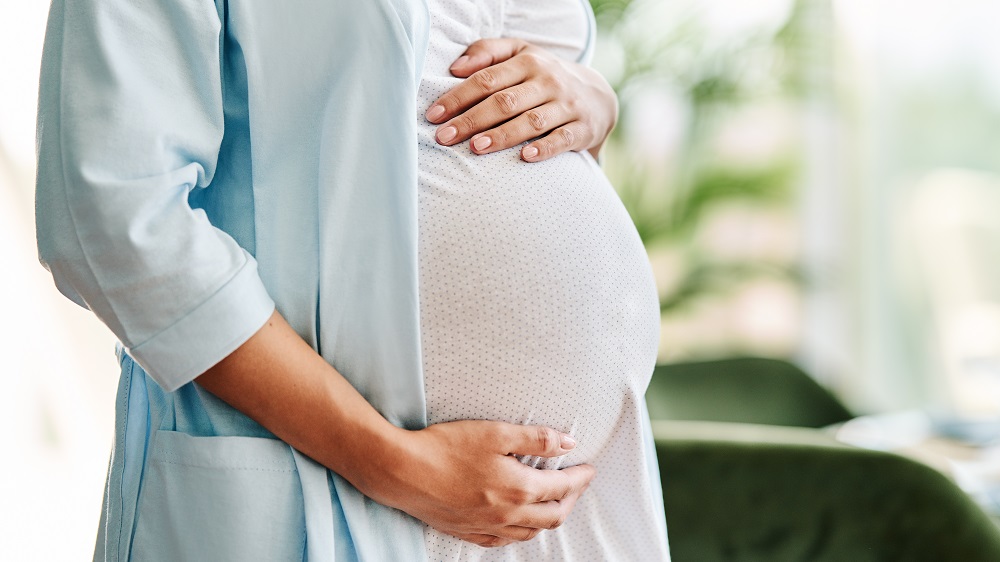
The Impact of Childbearing Trajectories on Aging
The authors of a recent study investigated the relationship between reproduction (number and timing of children), aging, and survival. An analysis of seven distinct reproductive trajectories suggested that two groups, women with the most live births and childless women, showed accelerated aging and increased mortality risk
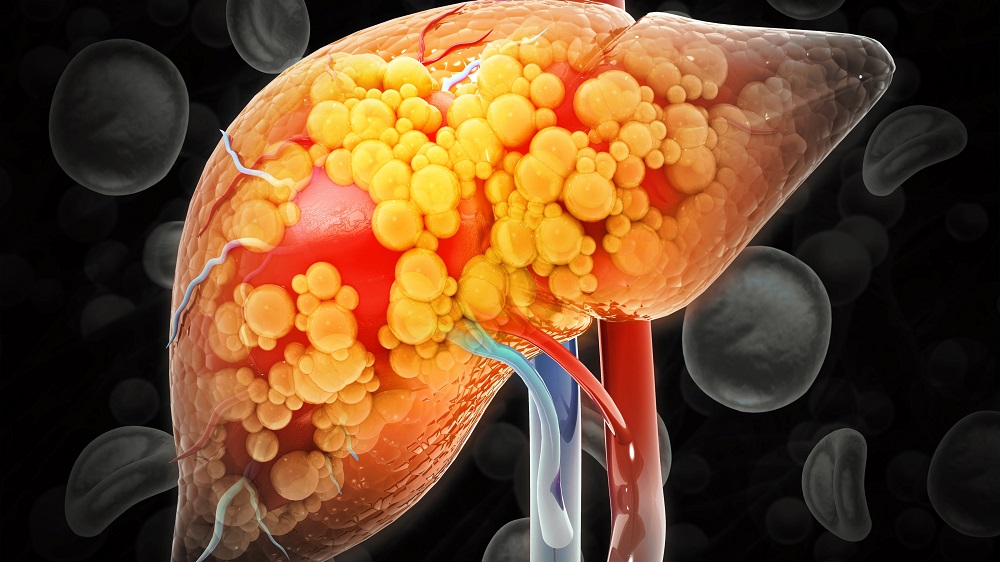
Study Uncovers How Obesity Drives Chronic Inflammation
Scientists have discovered that obesity causes macrophages to ramp up mitochondrial DNA production, leading to more inflammation [1]. Obesity and inflammation Obesity is associated with multiple acute and chronic conditions, including cardiovascular disease and various metabolic disorders [2]. Increased sterile (not pathogen-induced) chronic inflammation is a