




A New Look at How Blood Stem Cells Age
In Aging Cell, four Japanese researchers have recently described the aging of the hematopoietic system, which is responsible for the creation of blood. A system that affects all the others
Vast Majority of Alzheimer’s Cases Attributable to One Gene
According to a new study, as many as 90% of Alzheimer’s cases can be attributed to “suboptimal” variants of the APOE gene. These results highlight the gene’s importance for Alzheimer’s

Longevity Advocacy in 2025: The Expert Roundup
The last installment in our end-of-year series of expert roundups might be the least flashy, but it is arguably no less important than the previous ones dedicated to longevity biotech

The Geroprotective Potential of Hormone Replacement Therapy
A recent review of literature investigated the risks and benefits of hormone replacement therapy. The authors point out that this approach could be used as a geroprotector to extend the
Geroscience in 2025: The Expert Roundup
2025 was a good year for geroscience, marked by rapid strides and critical milestones. Yet, the path wasn’t always smooth: progress in some areas lagged, research hit dead ends, and
A Protein That Exacerbates Heart Disease With Age
Researchers publishing in Aging Cell have found that Hevin, a protein found in the extracellular matrix that increases with age, leads to heart problems in older male mice. Inflammaging contributes

A Small Molecule Regenerates Cartilage in Aged Mice
By inhibiting the aging-related enzyme 15-PGDH, scientists have shifted cartilage cells towards a healthier phenotype, leading to a significant improvement in a mouse model of osteoarthritis [1]. The hard-to-repair part
How Harmful Extracellular Vesicles Cause Brain Inflammation
In a paper published in Aging Cell, researchers have described how older cells send long interspersed nuclear element-1 (LINE-1) RNA to other cells in extracellular vesicles (EVs), spurring inflammation. Evil
Recombinant Human Protein Stops Neuronal Loss in Alzheimer’s
A recent study investigated biomarkers that can help monitor trajectories of Alzheimer’s disease-related molecular processes, such as neuronal cell death, and how patients respond to treatments. The authors reported that
Longevity Biotech in 2025: The Expert Roundup
How did the year 2025 turn out for longevity biotech? Was it surprising or more of the same? Exciting or disappointing? Was the progress fast-moving or excruciatingly slow? What should
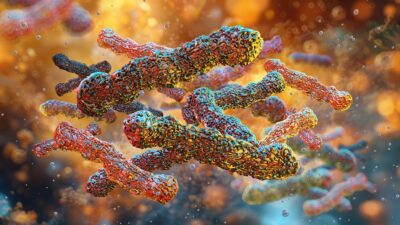
A Single Gut Microbe Suppresses Weight Gain in Mice
Scientists have found that a single microbial species can blunt the negative effects of a high-fat diet due to the unique mix of lipids it produces [1]. They intend to

Rejuvenation Roundup December 2025
We’re closer to 2050 than to 2000, and technology is advancing apace; this includes technologies that help us stop aging in all its forms. Here’s the highlights of what’s been

How Multivitamins and Minerals Impact Health and Longevity
A recent review evaluated studies that included over 5.5 million participants to assess the impact of multivitamin and mineral supplements on different aspects of health [1]. A big market Multivitamin

Bacterium From Frogs Completely Destroys Colon Cancer
Scientists in Japan have discovered that multiple strains of bacteria taken from frogs, newts, and lizards can be effective against human colon cancer in a mouse model. One particular microbe
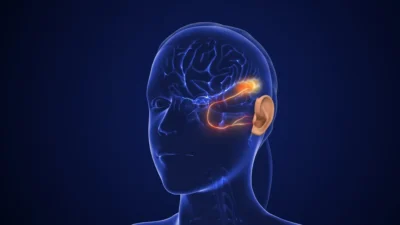
Researchers Find a Potential Target for Hearing Loss
In Aging Cell, researchers have identified bone marrow stromal antigen 2 (BST2) as a key protein in age-related hearing loss in a mouse model. Neural myelination is necessary for function
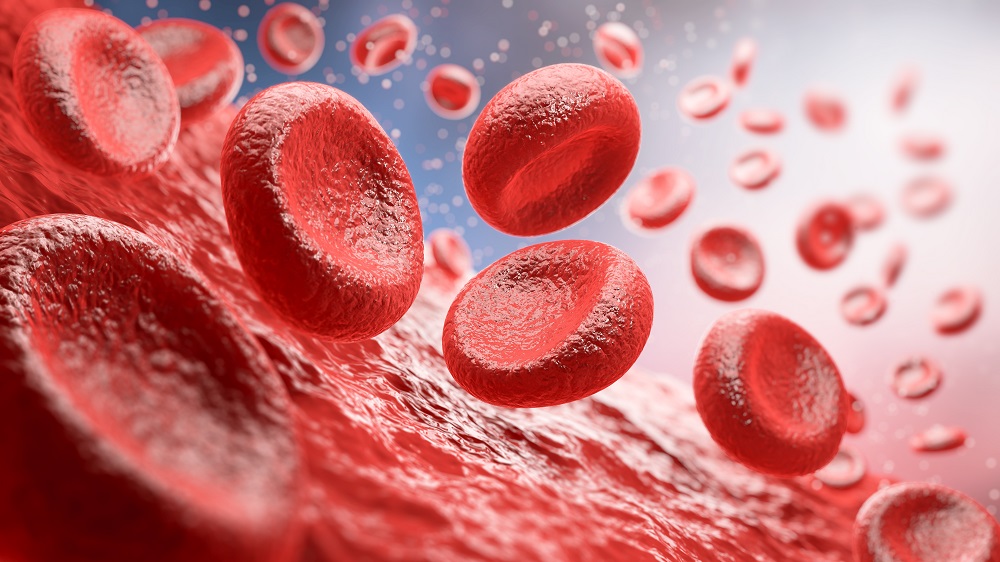
A New Look at How Blood Stem Cells Age
In Aging Cell, four Japanese researchers have recently described the aging of the hematopoietic system, which is responsible for the creation of blood. A system that affects all the others Aging and age-related diseases are often discussed in terms of hallmarks, such as senescence and genomic
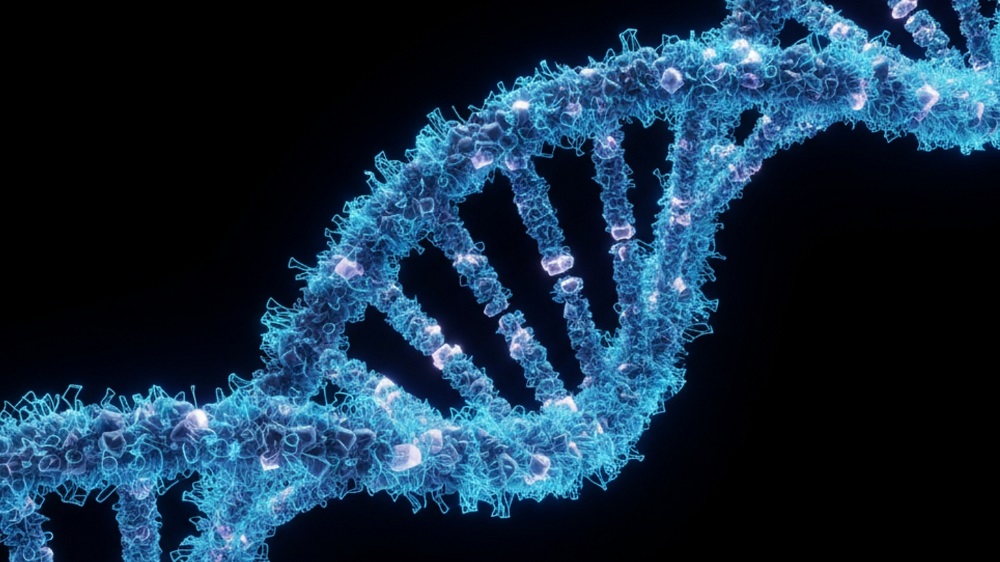
Vast Majority of Alzheimer’s Cases Attributable to One Gene
According to a new study, as many as 90% of Alzheimer’s cases can be attributed to “suboptimal” variants of the APOE gene. These results highlight the gene’s importance for Alzheimer’s prevention [1]. Three alleles of APOE A growing amount of research links Alzheimer’s disease to the

Longevity Advocacy in 2025: The Expert Roundup
The last installment in our end-of-year series of expert roundups might be the least flashy, but it is arguably no less important than the previous ones dedicated to longevity biotech and geroscience. Public advocacy is a powerful lever. To quote Abraham Lincoln: “Public sentiment is everything.

The Geroprotective Potential of Hormone Replacement Therapy
A recent review of literature investigated the risks and benefits of hormone replacement therapy. The authors point out that this approach could be used as a geroprotector to extend the healthspan of women. However, the risk-benefit ratio should be individually evaluated. [1] Sex-specific aging trajectories Female

Geroscience in 2025: The Expert Roundup
2025 was a good year for geroscience, marked by rapid strides and critical milestones. Yet, the path wasn’t always smooth: progress in some areas lagged, research hit dead ends, and familiar bottlenecks persisted. Against this backdrop, we asked five prominent geroscientists to share their perspectives on

A Protein That Exacerbates Heart Disease With Age
Researchers publishing in Aging Cell have found that Hevin, a protein found in the extracellular matrix that increases with age, leads to heart problems in older male mice. Inflammaging contributes to heart disease The researchers begin by outlining the mechanisms involved in inflammaging, noting how it
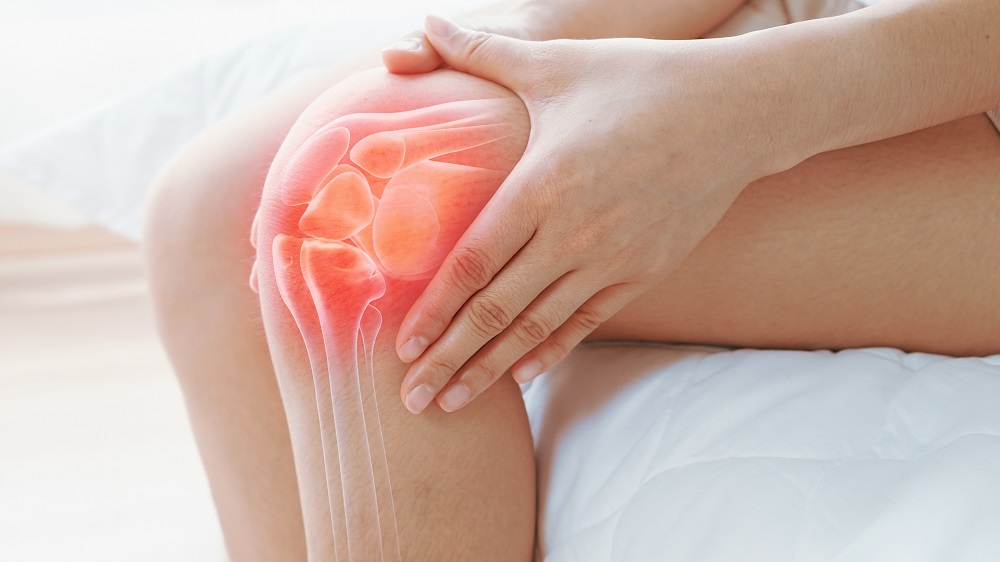
A Small Molecule Regenerates Cartilage in Aged Mice
By inhibiting the aging-related enzyme 15-PGDH, scientists have shifted cartilage cells towards a healthier phenotype, leading to a significant improvement in a mouse model of osteoarthritis [1]. The hard-to-repair part Articular cartilage (the smooth, load-bearing cartilage on the ends of bones) doesn’t repair well with age
How Harmful Extracellular Vesicles Cause Brain Inflammation
In a paper published in Aging Cell, researchers have described how older cells send long interspersed nuclear element-1 (LINE-1) RNA to other cells in extracellular vesicles (EVs), spurring inflammation. Evil EVs In the literature, EVs are often discussed in a therapeutic context, as they can be
Recombinant Human Protein Stops Neuronal Loss in Alzheimer’s
A recent study investigated biomarkers that can help monitor trajectories of Alzheimer’s disease-related molecular processes, such as neuronal cell death, and how patients respond to treatments. The authors reported that using biomarkers enabled them to gain insights into the molecular processes that contribute to improved cognition

Longevity Biotech in 2025: The Expert Roundup
How did the year 2025 turn out for longevity biotech? Was it surprising or more of the same? Exciting or disappointing? Was the progress fast-moving or excruciatingly slow? What should we expect in 2026? We asked five leading experts to weigh in. Where did longevity biotech
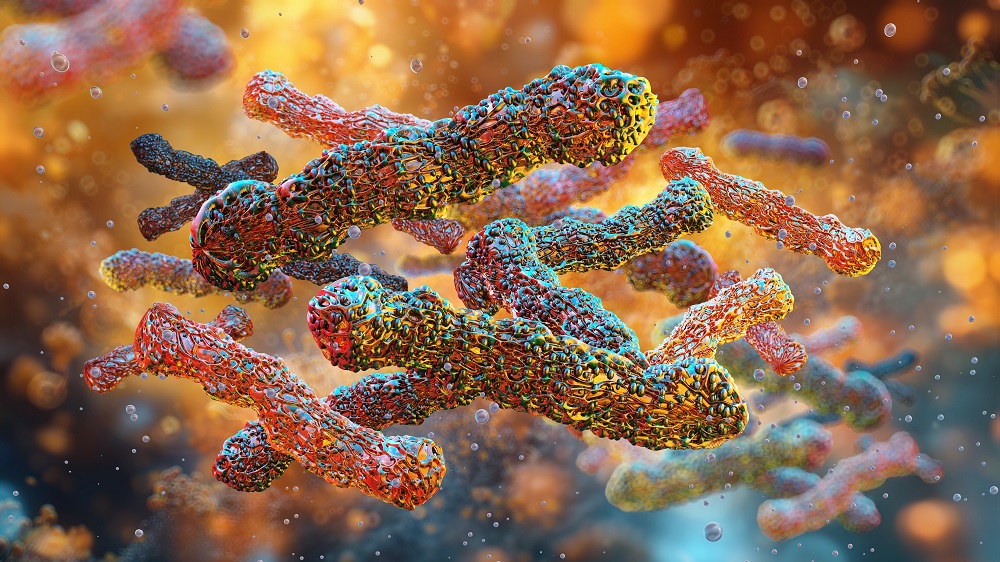
A Single Gut Microbe Suppresses Weight Gain in Mice
Scientists have found that a single microbial species can blunt the negative effects of a high-fat diet due to the unique mix of lipids it produces [1]. They intend to identify its specific lipids in future work. Good neighbors The billions of gut microbes that we

Rejuvenation Roundup December 2025
We’re closer to 2050 than to 2000, and technology is advancing apace; this includes technologies that help us stop aging in all its forms. Here’s the highlights of what’s been accomplished last month. Team and activities A Year of Rejuvenation Research and Journalism: Winter is in
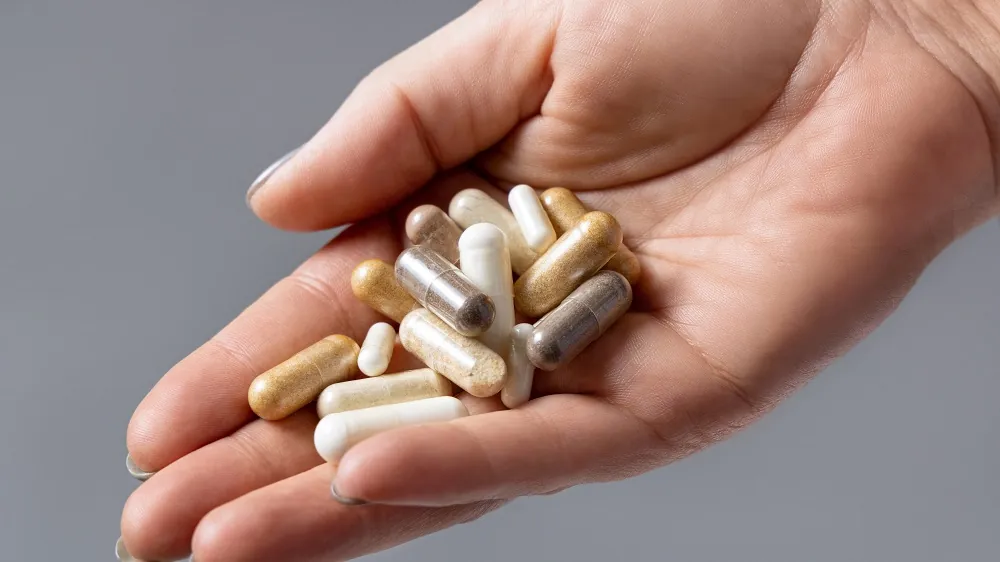
How Multivitamins and Minerals Impact Health and Longevity
A recent review evaluated studies that included over 5.5 million participants to assess the impact of multivitamin and mineral supplements on different aspects of health [1]. A big market Multivitamin and mineral (MVM) supplements are widely used worldwide, and in the United States, around 40% of

Bacterium From Frogs Completely Destroys Colon Cancer
Scientists in Japan have discovered that multiple strains of bacteria taken from frogs, newts, and lizards can be effective against human colon cancer in a mouse model. One particular microbe achieved a perfect response rate and survival [1]. Bacteria against cancer Recent research has illuminated the
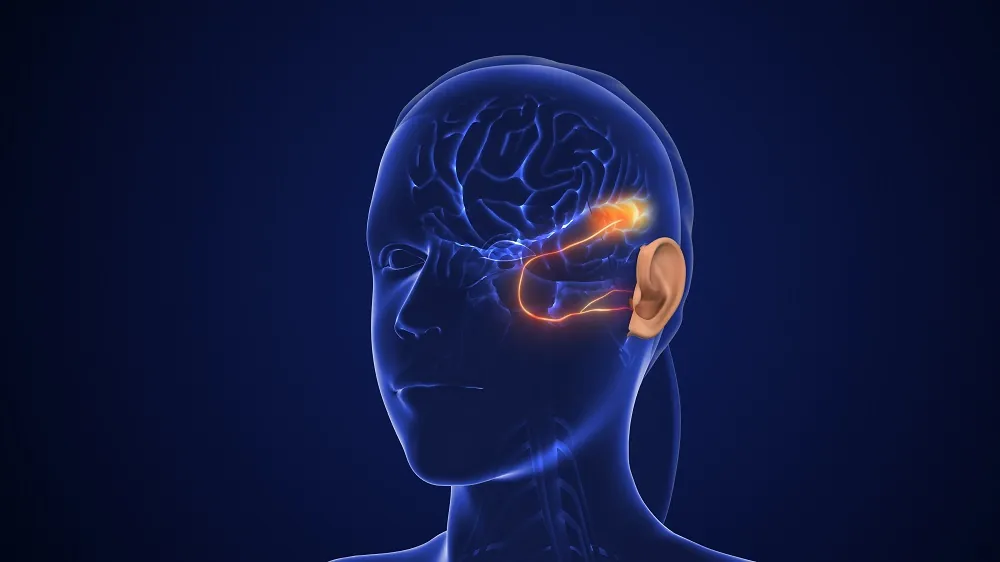
Researchers Find a Potential Target for Hearing Loss
In Aging Cell, researchers have identified bone marrow stromal antigen 2 (BST2) as a key protein in age-related hearing loss in a mouse model. Neural myelination is necessary for function Demyelination, the loss of neurons’ protective sheaths, is known to be fundamental in multiple serious neurological