







Using AI to Discover New Rapamycin-Like Molecules
In a recent paper published in International Journal of Medical Sciences, researchers have described how they used artificial intelligence and machine learning tools to find mTOR-inhibiting molecules [1]. mTOR is

How Your Funding Has Helped Mitochondrial Research
Financed by lifespan.io’s crowdfunding efforts, SENS Research Foundation has engaged in fruitful research into ways of dealing with mitochondrial dysfunction, the gradual loss of function of our cells’ power plants.
Zuzalu Talks Longevity: Highlights from the Conference
lifespan.io president Keith Comito presenting in Zuzalu. Photo: Arkadi Mazin While the format of this conference was rather conventional, the venue was anything but. It was held in Zuzalu, which

Summer Is Coming, and We Have Been Working Hard
For those of us in the Northern Hemisphere, spring is fast approaching summer, and warmer weather is on the way. Spring is a time of rejuvenation, exactly what our organization

A New Tool for Editing Mitochondrial DNA
Researchers publishing in Nature Biotechnology have developed a novel method of editing mitochondrial DNA, which cannot be accomplished with nuclear DNA tools. Where CRISPR doesn’t work While CRISPR is the

Rare Gene Variant Appears to Protect Against Alzheimer’s
Scientists studying people with autosomal dominant Alzheimer’s disease have found a genetic variant that is associated with decades of stalled onset [1]. The predictable Alzheimer’s Scientists still do not know

A Senolytic Drug May Already Be in the Clinic
Researchers publishing in Aging have investigated zoledronic acid, a drug already used to protect bones and fight osteoporosis, for its activity against cellular senescence. An approved drug with established effects

Targeting Age-Related Metabolic Shifts in the Brain
Publishing in Aging, a team of Chilean researchers has described a relationship between gene shifts in the brain and neurons not getting the energy they need. Greedy glia To perform

Kelsey Moody on Supporting New Researchers with Ichor
Today, we are speaking to Ichor Life Sciences CEO Dr. Kelsey Moody about the doctoral program that the company operates and how the company is supporting the next generation of

Journal Club May 2023
The Journal Club returns on Tuesday May 23rd at 12:00 Eastern with your host, Dr. Oliver Medvedik. This month, we are taking a look at a recent paper where researchers

Building Artificial Organoids to Study Diseases
In an open-access paper published in Cell Stem Cell this month, researchers have explained how organoids derived from human pluripotent stem cells (hPSCs) are being used to analyze diseases and

Destroying ‘Zombie’ Cells for Cardiovascular Health
Researchers have demonstrated that two senolytic drugs might improve how the heart repairs itself by destroying senescent cells [1]. These harmful cells are associated with many age-related diseases, including cardiovascular

Protecting Mass-Produced Stem Cells from the Immune System
Researchers publishing in Nature Biotechnology have demonstrated a method of protecting mass-produced stem cells from the immune system, with strongly positive results in two different animal models. Fake ID for

Irina Conboy on Academic Publishing
Today, we are talking with Dr. Irina Conboy, Editor-in-Chief of the journal Rejuvenation Research about impact and other aspects of journal publishing. This journal is an important academic publication for

Vera Gorbunova on Long-Lived Species
Dr. Vera Gorbunova is a famous geroscientist who, for the last several years, has worked mostly on uncovering the amazing biological mechanisms that are responsible for the enviable longevity

Using AI to Discover New Rapamycin-Like Molecules
In a recent paper published in International Journal of Medical Sciences, researchers have described how they used artificial intelligence and machine learning tools to find mTOR-inhibiting molecules [1]. mTOR is a common target for lifespan extension interventions The mechanistic target of rapamycin (mTOR) is a well-known

How Your Funding Has Helped Mitochondrial Research
Financed by lifespan.io’s crowdfunding efforts, SENS Research Foundation has engaged in fruitful research into ways of dealing with mitochondrial dysfunction, the gradual loss of function of our cells’ power plants. Here, the organization reports its successes in handling this aspect of aging. The cellular machinery and
Zuzalu Talks Longevity: Highlights from the Conference
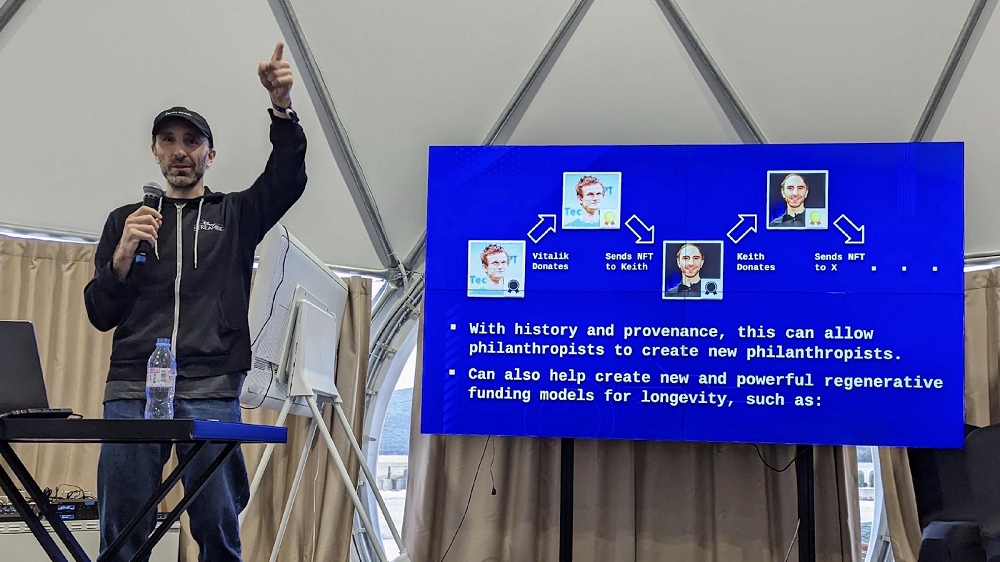
lifespan.io president Keith Comito presenting in Zuzalu. Photo: Arkadi Mazin While the format of this conference was rather conventional, the venue was anything but. It was held in Zuzalu, which can’t be found on any map. Zuzalu is a unique “pop-up city” conceived by the tech

Summer Is Coming, and We Have Been Working Hard
For those of us in the Northern Hemisphere, spring is fast approaching summer, and warmer weather is on the way. Spring is a time of rejuvenation, exactly what our organization is striving to support in the fight against age-related diseases. To that end, we have been

A New Tool for Editing Mitochondrial DNA
Researchers publishing in Nature Biotechnology have developed a novel method of editing mitochondrial DNA, which cannot be accomplished with nuclear DNA tools. Where CRISPR doesn’t work While CRISPR is the established, go-to method for genetic modification in the nucleus, it doesn’t work in the mitochondria. CRISPR

Rare Gene Variant Appears to Protect Against Alzheimer’s
Scientists studying people with autosomal dominant Alzheimer’s disease have found a genetic variant that is associated with decades of stalled onset [1]. The predictable Alzheimer’s Scientists still do not know what causes most cases of Alzheimer’s, although certain genetic variants (most notably APOE4) have been shown

A Senolytic Drug May Already Be in the Clinic
Researchers publishing in Aging have investigated zoledronic acid, a drug already used to protect bones and fight osteoporosis, for its activity against cellular senescence. An approved drug with established effects Zoledronate has already been approved by the FDA for clinical use, as it has been prescribed

Targeting Age-Related Metabolic Shifts in the Brain
Publishing in Aging, a team of Chilean researchers has described a relationship between gene shifts in the brain and neurons not getting the energy they need. Greedy glia To perform various maintenance and protective tasks, the brain contains a large population of microglia alongside its neurons.

Kelsey Moody on Supporting New Researchers with Ichor
Today, we are speaking to Ichor Life Sciences CEO Dr. Kelsey Moody about the doctoral program that the company operates and how the company is supporting the next generation of scientists. Ichor Life Sciences is a biotechnology company that develops and manufactures new medicines for people

Journal Club May 2023
The Journal Club returns on Tuesday May 23rd at 12:00 Eastern with your host, Dr. Oliver Medvedik. This month, we are taking a look at a recent paper where researchers have engineered cells to age slower using synthetic biology [1]. Synthetic biology is an area of

Building Artificial Organoids to Study Diseases
In an open-access paper published in Cell Stem Cell this month, researchers have explained how organoids derived from human pluripotent stem cells (hPSCs) are being used to analyze diseases and develop treatments. Different sources for different conditions This review includes both human embryonic stem cells (hESCs),

Destroying ‘Zombie’ Cells for Cardiovascular Health
Researchers have demonstrated that two senolytic drugs might improve how the heart repairs itself by destroying senescent cells [1]. These harmful cells are associated with many age-related diseases, including cardiovascular disease. Zombie cells that refuse to die As we age, our bodies accumulate senescent cells, often

Protecting Mass-Produced Stem Cells from the Immune System
Researchers publishing in Nature Biotechnology have demonstrated a method of protecting mass-produced stem cells from the immune system, with strongly positive results in two different animal models. Fake ID for the immune system While it would be ideal to create stem cells from each person’s existing

Irina Conboy on Academic Publishing
Today, we are talking with Dr. Irina Conboy, Editor-in-Chief of the journal Rejuvenation Research about impact and other aspects of journal publishing. This journal is an important academic publication for our field and publishes many papers focused on aging and rejuvenation research. Hi, Irina, and thanks

Vera Gorbunova on Long-Lived Species
Dr. Vera Gorbunova is a famous geroscientist who, for the last several years, has worked mostly on uncovering the amazing biological mechanisms that are responsible for the enviable longevity and resilience of long-lived species such as the naked mole rat. We talked about those feats