


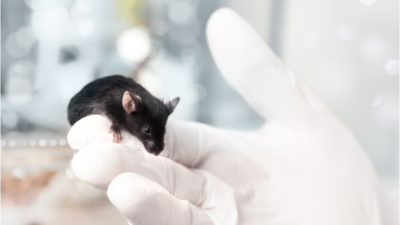
New NF-κB Targeting Drug Improves Healthspan in Mice
New mouse data published in the latest issue of Aging Cell highlights the aging benefits of a novel NF-κB-based drug. NF-κB in aging and disease NF-κB is a transcription factor

“Ageless” by Andrew Steele: A Perfect Pop-Sci Book on Aging?
People have looked for ways to extend their lives since… well, forever. The oldest known myth on earth, Gilgamesh, is about a Sumerian king embarking on a quest for immortality

Blueberry Extract Alleviates Alzheimer’s in Mice
A group of researchers has confirmed the neuroprotective effect of blueberry extract and identified a possible mechanism of action that might facilitate drug development [1]. The delicious cure? Blueberries have

How Telomerase Reverse Transcriptase Protects the Heart
Research published in Circulation has shown that mitochondrial, but not nuclear, telomerase reverse transcriptase (TERT) protects against damage caused by heart attacks in a murine model. A non-canonical role While

Twin Drug Combo Convinces Cancer Cells To Eat Themselves
In an important proof-of-concept study, scientists have successfully employed a ferroptosis activator and an mTOR inhibitor against bladder cancer cells [1]. Ferroptosis – “the iron death” Ferroptosis is a distinct

How Uncontrolled Diabetes Is Linked to Cognitive Impairment
A team of Spanish researchers has examined how glucose imbalance leads to neurological disorders through the failure of adipocytokines. What are adipocytokines? These compounds’ name seems a bit concerning: “adipo-”
Multi-omics Identifies Longevity Genes, Therapeutic Targets
The latest research in Aging Cell has brought to light new insights into the biology of aging and associated therapeutic candidates. What is multi-omics? “-omics” refers to branches of molecular

Lorna Harries: “We’re Looking to Reverse Senescence”
Lorna Harries is a Professor of Molecular Genetics at the University of Exeter Medical School. She is also the CSO and R&D lead at SENISCA Ltd. Like many other companies,

Removing Senescent Cancer Cells With Peptides
A study published in EBioMedicine has shown how a peptide targets and kills senescent cancer cells, potentially paving the way for a new class of interventions. Why kill senescent cancer

Rapamycin Has Additional Functions Beyond mTOR
Scientists have discovered a new mechanism of action for Rapamycin, one of geroscience’s favorite molecules, which is related to its anti-cancer effect [1]. Rapamycin – more than a geroprotector Rapamycin
Rejuvenation Roundup October 2021
Yesterday was a day for ghosts, demons, monsters, and spooks of all sorts, but today, we go back to dealing with something even scarier: aging. Here’s an overview of what’s

Fortilin Protects Against Cell Death in the Heart
Researchers have found that the protein fortilin, which is abundant in the heart, protects it from failure by blocking apoptotic activity. This discovery opens new possibilities in treating age-related heart

A Review of Clinical Trials of Senolytics
A team of researchers, including Dr. James Kirkland of Mayo Clinic, has published a review of the ongoing efforts of researchers to clear senescent cells through senolytics. A growing push

Michael Geer: “Digital Markers Are the Future”
Michael Geer is a successful serial entrepreneur who came to the longevity field to get things going. He and his co-founder Pete Ward have recently launched the app Humanity, which

Potential Mechanisms Behind Skin Aging Identified
The latest research out of the Journal of Cell Biology shines a light on why our skin loses its healing abilities as we age. The skin’s ability to regenerate dramatically

New NF-κB Targeting Drug Improves Healthspan in Mice
New mouse data published in the latest issue of Aging Cell highlights the aging benefits of a novel NF-κB-based drug. NF-κB in aging and disease NF-κB is a transcription factor found in nearly all animal cell types. It is activated in response to multiple physiological insults,

“Ageless” by Andrew Steele: A Perfect Pop-Sci Book on Aging?
People have looked for ways to extend their lives since… well, forever. The oldest known myth on earth, Gilgamesh, is about a Sumerian king embarking on a quest for immortality after his friend’s death. Alchemists were looking for magic death-defying substances, adventurers searched for the legendary

Blueberry Extract Alleviates Alzheimer’s in Mice
A group of researchers has confirmed the neuroprotective effect of blueberry extract and identified a possible mechanism of action that might facilitate drug development [1]. The delicious cure? Blueberries have long been on the list of “superfoods” that supposedly protect our health and maybe help us

How Telomerase Reverse Transcriptase Protects the Heart
Research published in Circulation has shown that mitochondrial, but not nuclear, telomerase reverse transcriptase (TERT) protects against damage caused by heart attacks in a murine model. A non-canonical role While TERT’s name comes from its main function, the protection of telomere length in the cellular nucleus,

Twin Drug Combo Convinces Cancer Cells To Eat Themselves
In an important proof-of-concept study, scientists have successfully employed a ferroptosis activator and an mTOR inhibitor against bladder cancer cells [1]. Ferroptosis – “the iron death” Ferroptosis is a distinct type of cell death that gets less attention and is less well understood than the more

How Uncontrolled Diabetes Is Linked to Cognitive Impairment
A team of Spanish researchers has examined how glucose imbalance leads to neurological disorders through the failure of adipocytokines. What are adipocytokines? These compounds’ name seems a bit concerning: “adipo-” refers to fat, and a cytokine is a cellular signal most commonly known for being part

Multi-omics Identifies Longevity Genes, Therapeutic Targets
The latest research in Aging Cell has brought to light new insights into the biology of aging and associated therapeutic candidates. What is multi-omics? “-omics” refers to branches of molecular biology that attempt to characterize and/or quantify their components in totality, often using recently developed big

Lorna Harries: “We’re Looking to Reverse Senescence”
Lorna Harries is a Professor of Molecular Genetics at the University of Exeter Medical School. She is also the CSO and R&D lead at SENISCA Ltd. Like many other companies, and as evidenced by the name, SENISCA targets senescent cells, albeit using an unusual mRNA-based approach.

Removing Senescent Cancer Cells With Peptides
A study published in EBioMedicine has shown how a peptide targets and kills senescent cancer cells, potentially paving the way for a new class of interventions. Why kill senescent cancer cells? Senescence and cancer are usually considered to be completely opposed, and in many ways, they

Rapamycin Has Additional Functions Beyond mTOR
Scientists have discovered a new mechanism of action for Rapamycin, one of geroscience’s favorite molecules, which is related to its anti-cancer effect [1]. Rapamycin – more than a geroprotector Rapamycin needs no introduction in the longevity community. This molecule was discovered in 1972 in a sample

Rejuvenation Roundup October 2021
Yesterday was a day for ghosts, demons, monsters, and spooks of all sorts, but today, we go back to dealing with something even scarier: aging. Here’s an overview of what’s happened on the rejuvenation front in October. LEAF News EARD2021 Allison Duettmann on Existential Hope: Elena

Fortilin Protects Against Cell Death in the Heart
Researchers have found that the protein fortilin, which is abundant in the heart, protects it from failure by blocking apoptotic activity. This discovery opens new possibilities in treating age-related heart diseases [1]. When your heart fails you As menacing at it sounds, heart failure (HF) does

A Review of Clinical Trials of Senolytics
A team of researchers, including Dr. James Kirkland of Mayo Clinic, has published a review of the ongoing efforts of researchers to clear senescent cells through senolytics. A growing push for senolytics We have recently published a discussion on the various roles of senescent cells within

Michael Geer: “Digital Markers Are the Future”
Michael Geer is a successful serial entrepreneur who came to the longevity field to get things going. He and his co-founder Pete Ward have recently launched the app Humanity, which offers its users ways to monitor their rates of aging and makes actionable suggestions as to

Potential Mechanisms Behind Skin Aging Identified
The latest research out of the Journal of Cell Biology shines a light on why our skin loses its healing abilities as we age. The skin’s ability to regenerate dramatically decreases with age. Injuries that would have healed in days without a trace in childhood can