




Hevolution Foundation Hosts Second Global Healthspan Summit
On February 4-5, 2025, Hevolution Foundation will hold its second Global Healthspan Summit (GHS) in Riyadh, Saudi Arabia. The two-day event at the Four Seasons Hotel brings together international attendees,
The 3rd Longevity Med Summit Heads to Lisbon in May 2025
Lisbon, Portugal – The Global 3rd Longevity Med Summit, the premier global event in longevity medicine, wellness, and healthcare innovation, is set to take place in Lisbon from May 6 to
The Global Conference on Gerophysics
Chaired by Prof Brian Kennedy, Assoc Prof Jan Gruber and Dr Maximilian Unfried, this pioneering conference will bring together leading theoretical physicists and eminent researchers in ageing and rejuvenation biology
Cutting-Edge Facility Expands to Support Cancer Therapy
New York Gov. Kathy Hochul and leaders from The Roswell Park Comprehensive Cancer Center came together on Monday to celebrate the opening of the newly expanded Roswell Park Good Manufacturing

Founders Longevity Forum and NUS Announce Event
Founders Longevity Forum Singapore, hosted in collaboration with the National University of Singapore (NUS) Academy for Healthy Longevity, Yong Loo Lin School of Medicine, and Longevity.Technology is set to host
Cyclarity Therapeutics Secures Approval for Clinical Trial
Cyclarity Therapeutics is pleased to announce regulatory approval to begin its first-in-human clinical trial. The trial will be conducted at CMAX, one of Australia’s leading clinical research centers, in partnership with

Vitalia Co-Founders Announce Split-up
Vitalia co-founders Niklas Anzinger and Laurence Ion today announced that they will be leading two new, separate organizations, Viva City and Infinita City. “Together, we built Vitalia from the ground
BioAge Labs Announces Multi-Year Collaboration with Novartis
BioAge Labs, Inc. (“BioAge”), a clinical-stage biopharmaceutical company developing therapeutic product candidates for metabolic diseases by targeting the biology of human aging, today announced a multi-year research collaboration with Novartis.
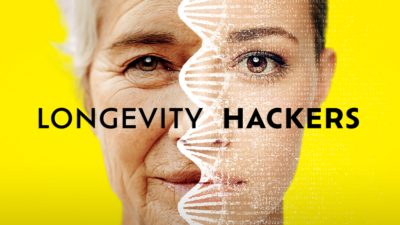
Longevity Hackers: A Documentary Debuts on How to Stop Aging
Longevity Hackers, an in-depth look at how to slow the human pace of aging, debuts on Apple TV and Amazon beginning December 4, 2024. Produced by Ruben Figueres, directed by
BioAge Labs Ends STRIDES Phase 2 Clinical Trial
RICHMOND, Calif., Dec. 06, 2024 (GLOBE NEWSWIRE) — BioAge Labs (Nasdaq: BIOA) (“BioAge”, “the Company”), a clinical-stage biopharmaceutical company developing therapeutic product candidates for metabolic diseases by targeting the biology
Turn Biotechnologies Announces ERA™ Bone Marrow Study
Turn Biotechnologies, a cell rejuvenation and restoration company developing novel mRNA medicines for untreatable, age-related conditions, announced its latest study to assess the efficacy of using epigenetic reprogramming to rejuvenate
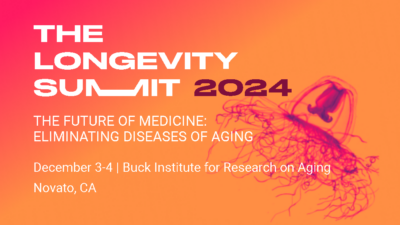
The Longevity Summit Announces Fourth Annual Event
The Longevity Summit, a leading conference bringing together the complete ecosystem of longevity science and biotechnology, will hold its fourth annual event on December 3-4, 2024, at the Buck Institute
Longevity Summit Dublin 2025 Announces New Dates and Venue
Longevity Summit Dublin, the premier international event dedicated to the latest research, innovation, and collaboration in the field of longevity, is excited to announce its new dates and venue for

World’s First Subzero Organ Transports
In a world first, a pig kidney preserved at subzero temperatures was successfully transported across the Atlantic Ocean multiple times, demonstrating the potential for a novel technology to greatly extend
Grant Awarded for Heart Aging at the University of Oxford
The Longevity Science Foundation (LSF), a nonprofit organization dedicated to funding research aimed at extending the healthy human lifespan, is proud to announce a grant award to researchers at the
Hevolution Foundation Hosts Second Global Healthspan Summit
On February 4-5, 2025, Hevolution Foundation will hold its second Global Healthspan Summit (GHS) in Riyadh, Saudi Arabia. The two-day event at the Four Seasons Hotel brings together international attendees, including world leaders, policymakers, researchers & scientists, and experts from the biotechnology, pharmaceutical, healthcare, and private
The 3rd Longevity Med Summit Heads to Lisbon in May 2025
Lisbon, Portugal – The Global 3rd Longevity Med Summit, the premier global event in longevity medicine, wellness, and healthcare innovation, is set to take place in Lisbon from May 6 to 8, 2025. This year’s summit promises an expanded agenda featuring groundbreaking topics, world-renowned speakers, and an
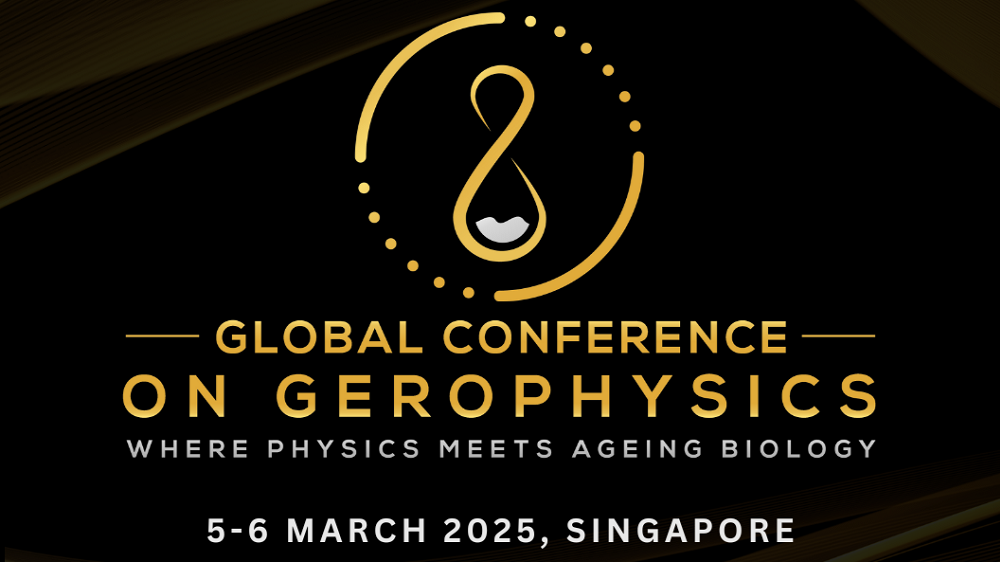
The Global Conference on Gerophysics
Chaired by Prof Brian Kennedy, Assoc Prof Jan Gruber and Dr Maximilian Unfried, this pioneering conference will bring together leading theoretical physicists and eminent researchers in ageing and rejuvenation biology to explore a transformative new field: ‘Gerophysics’. Organised by the Healthy Longevity Translational Research Programme at
Cutting-Edge Facility Expands to Support Cancer Therapy
New York Gov. Kathy Hochul and leaders from The Roswell Park Comprehensive Cancer Center came together on Monday to celebrate the opening of the newly expanded Roswell Park Good Manufacturing Engineering and Cell Manufacturing Facility (GMP). This significant undertaking expands Roswell Park’s GMP facility to 11,000
Founders Longevity Forum and NUS Announce Event
Founders Longevity Forum Singapore, hosted in collaboration with the National University of Singapore (NUS) Academy for Healthy Longevity, Yong Loo Lin School of Medicine, and Longevity.Technology is set to host a pivotal two-day event on 27-28 February 2025, in Singapore. This forum aims to advance knowledge

Cyclarity Therapeutics Secures Approval for Clinical Trial
Cyclarity Therapeutics is pleased to announce regulatory approval to begin its first-in-human clinical trial. The trial will be conducted at CMAX, one of Australia’s leading clinical research centers, in partnership with Monash University. This effort will be led by Dr. Stephen Nicholls of the Victorian Heart Institute

Vitalia Co-Founders Announce Split-up
Vitalia co-founders Niklas Anzinger and Laurence Ion today announced that they will be leading two new, separate organizations, Viva City and Infinita City. “Together, we built Vitalia from the ground up, establishing a foundation that has led us to this exciting new chapter,” said Anzinger and

BioAge Labs Announces Multi-Year Collaboration with Novartis
BioAge Labs, Inc. (“BioAge”), a clinical-stage biopharmaceutical company developing therapeutic product candidates for metabolic diseases by targeting the biology of human aging, today announced a multi-year research collaboration with Novartis. The collaboration aims to identify and validate multiple novel therapeutic drug targets by investigating the biological
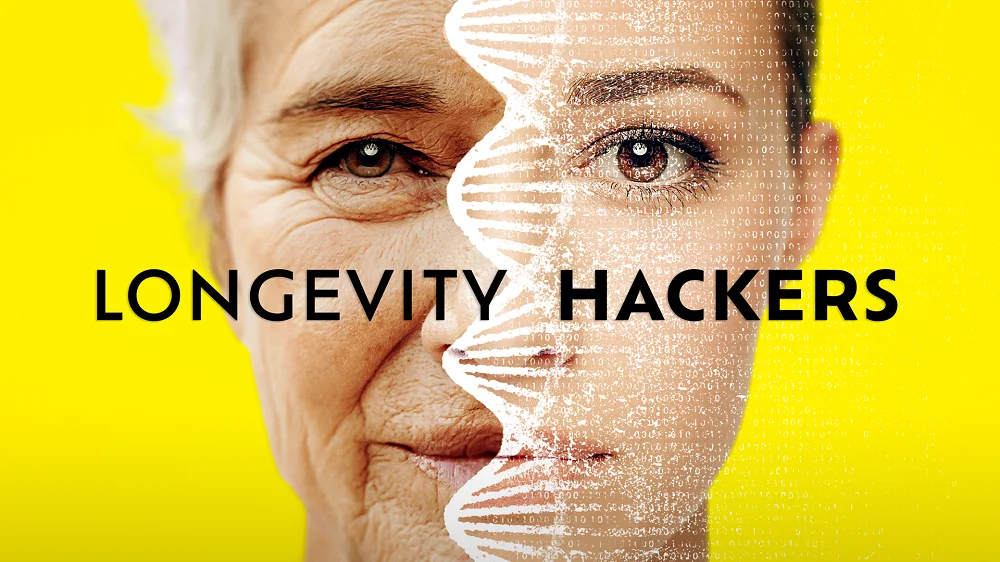
Longevity Hackers: A Documentary Debuts on How to Stop Aging
Longevity Hackers, an in-depth look at how to slow the human pace of aging, debuts on Apple TV and Amazon beginning December 4, 2024. Produced by Ruben Figueres, directed by Michal Siewierski, and narrated by Academy Award nominee, Edward Norton, the film revolutionizes outdated cultural conceptions
BioAge Labs Ends STRIDES Phase 2 Clinical Trial
RICHMOND, Calif., Dec. 06, 2024 (GLOBE NEWSWIRE) — BioAge Labs (Nasdaq: BIOA) (“BioAge”, “the Company”), a clinical-stage biopharmaceutical company developing therapeutic product candidates for metabolic diseases by targeting the biology of human aging, today announced that the Company has made the decision to discontinue the ongoing
Turn Biotechnologies Announces ERA™ Bone Marrow Study
Turn Biotechnologies, a cell rejuvenation and restoration company developing novel mRNA medicines for untreatable, age-related conditions, announced its latest study to assess the efficacy of using epigenetic reprogramming to rejuvenate bone marrow stem cells. The study, which is being funded by Methuselah Foundation, is the first
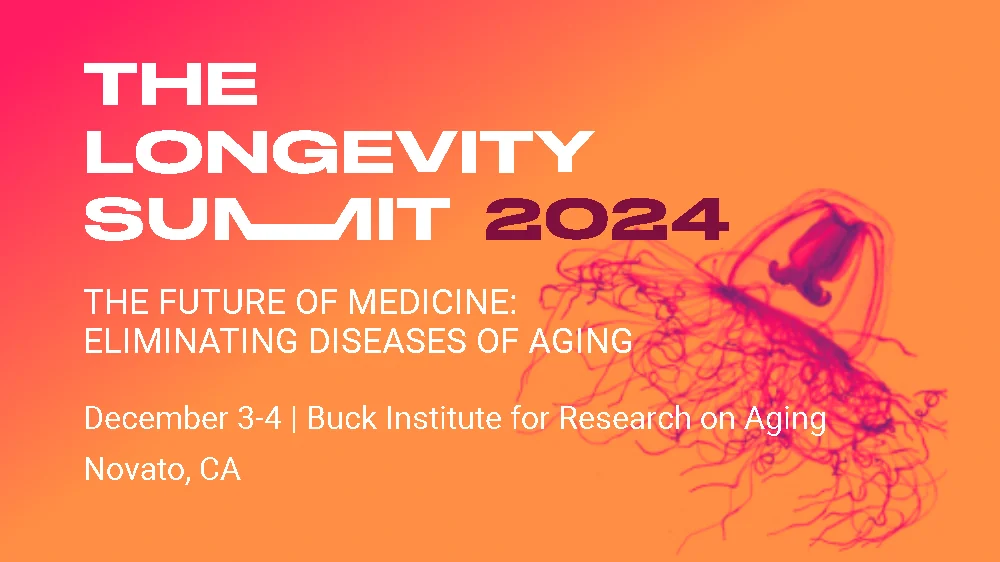
The Longevity Summit Announces Fourth Annual Event
The Longevity Summit, a leading conference bringing together the complete ecosystem of longevity science and biotechnology, will hold its fourth annual event on December 3-4, 2024, at the Buck Institute for Research on Aging in Novato, California. This immersive two-day conference creates a unique peer-to-peer learning

Longevity Summit Dublin 2025 Announces New Dates and Venue
Longevity Summit Dublin, the premier international event dedicated to the latest research, innovation, and collaboration in the field of longevity, is excited to announce its new dates and venue for 2025. The summit will take place from July 2-4, 2025, at the historic Trinity College Dublin
World’s First Subzero Organ Transports
In a world first, a pig kidney preserved at subzero temperatures was successfully transported across the Atlantic Ocean multiple times, demonstrating the potential for a novel technology to greatly extend organ storage and preservation, and make long-distance organ transportation a clinical reality. Extending organ preservation time
Grant Awarded for Heart Aging at the University of Oxford
The Longevity Science Foundation (LSF), a nonprofit organization dedicated to funding research aimed at extending the healthy human lifespan, is proud to announce a grant award to researchers at the University of Oxford’s Department of Physiology, Anatomy, and Genetics, within the Medical Sciences Division, for the