

We’re closer to 2050 than to 2000, and technology is advancing apace; this includes technologies that help us stop aging in all its forms. Here’s the highlights of what’s been accomplished last month.
Team and activities
 A Year of Rejuvenation Research and Journalism: Winter is in full swing for those of us in the Northern Hemisphere. It is a time for cozy nights by the fire and a great time to catch up on what has been happening at Lifespan News and LRI.
Interviews
Maximina Yun on the Wonders of the Axolotl: Dr. Maximina Yun, principal investigator at Chinese Institutes for Medical Research in Beijing (CIMR), studies some of the most amazing animals in the world: salamanders, a group of amphibians that includes newts and species such as the universally loved axolotl.
Advocacy and Analysis
 Analyzing the Quality of Preclinical Anti-Aging Research: Researchers have investigated the reporting quality of preclinical studies’ outcomes in anti-aging research. They analyzed how study quality changed over time, shortcomings in research, and the improvements that can be made in the future in order to yield as many valuable insights as possible.
Research Roundup
Arginine Reduces Signs of Alzheimer’s in Mice: The amino acid arginine shows promise in animal models of amyloid aggregation due to its ability to promote protein folding. This study’s researchers suggest that it could be useful for early prevention and treatment of Alzheimer’s.
 Second-Hand Smoke Alters Protein Expression: A recent study investigated plasma proteins in people exposed to secondhand smoke and found that exposure affected multiple molecular processes, including immune, inflammatory, and tissue repair pathways.
Engineering Immune Cells to Fight Gut Senescence: In Nature Aging, researchers have published their finding that targeting urokinase plasminogen activator receptor (uPAR), a senescence-associated protein, restores gut function in mice.
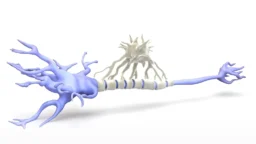 Microglia Replacement Already Working in Humans: A new review highlights the promise of microglia replacement, a strategy that made the leap from mouse studies to the first successful human trial in just five years.
Nasal Tissue Extracellular Vesicles Improve Health in Mice: Researchers have discovered that extracellular vesicles (EVs) derived from the nasal mucosa provide significant regenerative benefits to tissues throughout the body, including the brain.
 Stem Cell-Derived Vesicles Improve Cognition in Aged Monkeys: In a new study, extracellular vesicles (EVs) derived from mesenchymal stem cells (MSCs) improved spatial working memory in rhesus macaques, suggesting a possible reversal of age-related cognitive decline.

A Key Molecular Link Between Aging and Osteoporosis: In Aging Cell, researchers have described how an age-related deficiency in another compound leads the antioxidant FoxO1 to contribute to bone deterioration in osteoporosis by siphoning from a bone-building pathway.
 Human Umbilical Cord Blood Metabolites Lengthen Worms’ Lives: A comparison of human umbilical cord blood with adult plasma revealed hundreds of metabolites whose abundances were age-dependent. Two different formulas, each a mix of a few metabolites, demonstrated anti-senescence properties in cell cultures and model organisms.
Molecule From Chocolate Linked to Slower Epigenetic Aging: A new observational study spanning two human cohorts has found a link between theobromine, a phytochemical abundant in cocoa, and slower epigenetic aging.
 Targeting a Metabolic Regulator Reduces Fat in Mice: In Aging, researchers have described how they removed visceral fat from older male mice by targeting the metabolic regulatory protein CD47.
Senescence Exacerbated by Mitochondrial RNA Leakage: Scientists have investigated a little-known mechanism that fuels cellular senescence: mitochondrial RNA leaking into the cytoplasm. Targeting this mechanism showed promise in a mouse model of fatty liver.
 A Gene That Changes Function With Aging in Mice: In Nature Aging, researchers have discovered how growth differentiation factor 3 (GDF3), a cytokine that increases with aging, is related to more inflammatory macrophages in older animals.
Producing Thymic Factors in the Liver Rejuvenates Immunity: A new study proposes a novel approach to fighting immune system decline caused by thymic involution: making the liver produce proteins that support T cell development and function.
 Researchers Find a Potential Target for Hearing Loss: In Aging Cell, researchers have identified bone marrow stromal antigen 2 (BST2) as a key protein in age-related hearing loss in a mouse model.
Bacterium From Frogs Completely Destroys Colon Cancer: Scientists in Japan have discovered that multiple strains of bacteria taken from frogs, newts, and lizards can be effective against human colon cancer in a mouse model. One particular microbe achieved a perfect response rate and survival.
 How Multivitamins and Minerals Impact Health and Longevity: A recent review evaluated studies that included over 5.5 million participants to assess the impact of multivitamin and mineral supplements on different aspects of health.
Blood measure of neuronal death is exponentially higher with age, especially in females, and halted in Alzheimer’s disease by GM-CSF treatment: An exponential increase in neurodegeneration with age, accelerated by astrogliosis/inflammation, may underlie the contribution of aging to cognitive decline.
Pharmacologic reversal of advanced Alzheimer’s disease in mice and identification of potential therapeutic nodes in human brain: Forty-six proteins aberrantly expressed in advanced 5xFAD mouse brain and normalized by P7C3-A20 show similar alterations in human Alzheimer’s brain, revealing targets with potential for optimizing translation to patient care.
High- and Low-Fat Dairy Consumption and Long-Term Risk of Dementia: Evidence From a 25-Year Prospective Cohort Study: Higher intake of high-fat cheese and high-fat cream was associated with a lower risk of all-cause dementia, whereas low-fat cheese, low-fat cream, and other dairy products showed no significant association. APOE ε4 status modified the association between high-fat cheese and Alzheimer’s.
Long-Term High-Protein Diet Intake Accelerates Adipocyte Senescence Through Macrophage CD38-Mediated NAD+ Depletion: These findings establish macrophage-adipocyte NAD+ crosstalk as a central axis linking dietary protein excess to white adipose tissue aging, providing actionable targets for the prevention and treatment of age-related metabolic disorders.
Dietary fatty acids and epigenetic aging in US adults: results from the National Health and Nutrition Examination Survey: The researchers found consistent positive associations for saturated fat subtypes and negative associations for polyunsaturated fat subtypes with epigenetic aging; associations of monounsaturated fat subtypes varied.
Relationships among dietary patterns and heterogeneous biological aging at system and organ-specific levels and mortality risks: Weighted Cox regression models revealed that aging-related diet scores were more strongly associated with mortality risk than their respective diet scores alone.
Accelerometer-measured weekend catch-up sleep and incident dementia: A prospective cohort study: Moderate weekend catch-up sleep was linked to lower dementia risk, especially among individuals with less weekday sleep.
Oral sodium hyaluronate improves skin hydration, barrier function and signs of aging: a randomized, double-blind, placebo-controlled trial in 150 healthy adults: This approach improved multiple aspects of skin physiology, supporting its use as a functional food ingredient with measurable benefits for skin health and healthy aging.
An unbiased comparison of 14 epigenetic clocks in relation to 174 incident disease outcomes: Second- and third-generation epigenetic clocks show promise for disease risk prediction, particularly in relation to respiratory and liver-based conditions.
Small Extracellular Vesicles From Human Amniotic Membrane Mesenchymal Stem Cells Rejuvenate Senescent β Cells and Cure Age-Related Diabetes in Mice: According to the researchers, this establishes a framework for targeting cellular senescence in metabolic disorders.
Platelet-bioengineered hiPSC-sEVs achieve targeted repair of fibrotic sinoatrial node in preclinical SND models: This study establishes a targeted, cell-free nanotherapeutic platform for resolving fibrosis and electrophysiological dysfunction in sinus node disease.
Abrogation of aberrant glycolytic interactions eliminates senescent cells and alleviates aging-related dysfunctions: A new senolytic molecule that targets the PGAM-Chk1 interaction creates a specific vulnerability of senescent cells to potentially fight age-related diseases.
Enhanced non-enzymatic H2S generation extends lifespan and healthspan in male mice: These findings uncover the potential of enhanced hydrogen sulfide generation to promote healthy aging.
Long-term consequences of soft political repression on psychological well-being, systemic inflammation and cellular ageing: This study investigates the long-term sequelae of soft political repression in the former East Germany, which was linked to higher levels of interleukin-6, indicating increased systemic inflammation.
From sick care to healthspan: educating the longevity physician for health maintenance and health promotion: Education may represent one enabling factor in efforts to shift, where feasible, from predominantly reactive care toward more proactive approaches to health maintenance.
Why we age: The geroscience hypothesis, which states that intervention on the rate of aging should also modulate the incidence of age-related diseases, is likely to be correct.