2026 has kicked off with several key research insights, and we’ve taken a look at the state of the industry and how rejuvenation biotechnology is moving forward. Here’s what’s been done in January.
Advocacy and Analysis
 Longevity Biotech in 2025: The Expert Roundup: How did the year 2025 turn out for longevity biotech? Was it surprising or more of the same? Exciting or disappointing? Was the progress fast-moving or excruciatingly slow? What should we expect in 2026? We asked five leading experts to weigh in.
Geroscience in 2025: The Expert Roundup: 2025 was a good year for geroscience, marked by rapid strides and critical milestones. Yet, the path wasn’t always smooth: progress in some areas lagged, research hit dead ends, and familiar bottlenecks persisted.
 Longevity Advocacy in 2025: The Expert Roundup: The last installment in our end-of-year series of expert roundups might be the least flashy, but it is arguably no less important than the previous ones dedicated to longevity biotech and geroscience.
Research Roundup
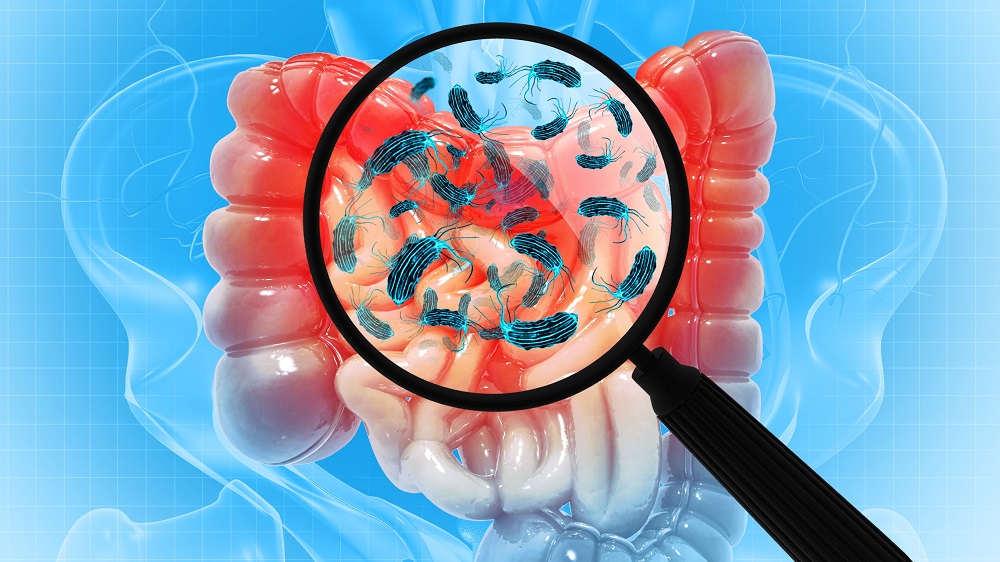
A Single Gut Microbe Suppresses Weight Gain in Mice: Scientists have found that a single microbial species can blunt the negative effects of a high-fat diet due to the unique mix of lipids it produces. They intend to identify its specific lipids in future work.
 Recombinant Human Protein Stops Neuronal Loss in Alzheimer’s: A recent study investigated biomarkers that can help monitor trajectories of Alzheimer’s disease-related molecular processes, such as neuronal cell death, and how patients respond to treatments.
How Harmful Extracellular Vesicles Cause Brain Inflammation: In a paper published in Aging Cell, researchers have described how older cells send long interspersed nuclear element-1 (LINE-1) RNA to other cells in extracellular vesicles (EVs), spurring inflammation.
 A Small Molecule Regenerates Cartilage in Aged Mice: By inhibiting the aging-related enzyme 15-PGDH, scientists have shifted cartilage cells towards a healthier phenotype, leading to a significant improvement in a mouse model of osteoarthritis.
A Protein That Exacerbates Heart Disease With Age: Researchers publishing in Aging Cell have found that Hevin, a protein found in the extracellular matrix that increases with age, leads to heart problems in older male mice.
 The Geroprotective Potential of Hormone Replacement Therapy: A recent review of literature investigated the risks and benefits of hormone replacement therapy. The authors point out that this approach could be used as a geroprotector to extend the healthspan of women.
Vast Majority of Alzheimer’s Cases Attributable to One Gene: According to a new study, as many as 90% of Alzheimer’s cases can be attributed to “suboptimal” variants of the APOE gene. These results highlight the gene’s importance for Alzheimer’s prevention.
 A New Look at How Blood Stem Cells Age: In Aging Cell, four Japanese researchers have recently described the aging of the hematopoietic system, which is responsible for the creation of blood.
Study Uncovers How Obesity Drives Chronic Inflammation: Scientists have discovered that obesity causes macrophages to ramp up mitochondrial DNA production, leading to more inflammation [1].
 The Impact of Childbearing Trajectories on Aging: The authors of a recent study investigated the relationship between reproduction, aging, and survival. Two groups, women with the most live births and childless women, showed accelerated aging and increased mortality risk.
How Senescent Astrocytes Don’t Support Neurons: Resesarchers have found that thrombospondin-1 (TSP-1), a compound that is critical in growing brain synapses, is secreted by normal astrocytes but not senescent ones.
 Exercise Variety Is Associated With Lower Mortality Risk: A new study links exercise variety, defined as regularly engaging in several types of physical activity, to significantly lower all-cause mortality. Exercise amount matters as well, but the effect plateaus quickly.
Using Placental Cells to Test Anti-Aging Compounds: Researchers publishing in Aging Cell have discovered that cells derived from the human placenta may be useful in estimating the effects of potential anti-aging treatments.
 Rapamycin Protects Immune Cells by Reducing DNA Damage: A new study from the Universities of Oxford and Nottingham has uncovered a potential new mechanism by which rapamycin counters immunosenescence. Rather than increasing autophagy or reducing protein synthesis, the effect appears to involve directly reducing DNA damage burden in immune cells.
Shingles Vaccination Is Associated With Slower Aging: An analysis of over 3800 older adults found that shingles vaccination is associated with lower inflammation scores, slower epigenetic and transcriptomic aging, and a lower composite biological aging score.
 Engineered Extracellular Vesicles Reduce Arrhythmia in Rats: In Nature Communications, researchers have described how small extracellular vesicles (sEVs) fused with plasma membrane proteins successfully treated heart arrhythmia in a rat model.
CRISPR-Based Screen Reveals Possible Anti-Tau Mechanism: Using an ingenious CRISPR-based screening technique, scientists have found a protein that tags tau for degradation and is more strongly expressed in tau-resilient neurons.
Minimum combined sleep, physical activity, and nutrition variations associated with lifeSPAN and healthSPAN improvements: Modest concurrent improvements in sleep, physical activity, and diet were associated with meaningful gains in lifespan and healthspan.
Optimal type and dose of exercise to improve cognitive function in healthy and pre-sarcopenic older adults: Exercise is a scalable, safe, and clinically effective approach for preserving late-life cognition. For healthy older adults, aerobic or resistance training at ≥600 MET·min/week is recommended; for pre-sarcopenic individuals, multimodal programs at approximately 700–800 MET·min/week offer the best balance of efficacy and sustainability.
Exploring the physiological limits of aging: a case study of the male 50-km world record in the 80+ age category: The exceptional endurance performance of this master athlete was attributed to his well-preserved VO2max. Analyses on the limiting factors to VO2max suggest that his exceptional performance was mostly due to the final steps of the oxygen cascade.
Epigenetic age deceleration reflects exercise-induced cardiorespiratory fitness improvements: This study supports the use of GrimAge in evaluating longevity interventions and highlights the importance of accounting for leukocyte composition in epigenetic aging research.
High-protein diet promotes aging by activating the CG6415/AMT gene and disrupting mitochondrial homeostasis: This is partly via activation of the CG6415/AMT gene and subsequent disruption of mitochondrial homeostasis. Isoleucine plays a relatively key role in this process.
The effects of magnesium L-threonate (Magtein®) on cognitive performance and sleep quality in adults: a randomised, double-blind, placebo-controlled trial: The results from this study suggest Magtein® supplementation for 6 weeks improves overall cognition, cognitive age, working memory, reaction time, HR, HRV, and some subjective, but not objective measures of sleep in healthy adults with self-reported dissatisfied sleep.
Whey Protein Supplementation Positively Modulates Lung Function and Pulmonary and Systemic Immune Response in Older Adults: IWPS improved pulmonary and systemic immune response, lung function and functional capacity of older adults.
Association between vitamin intake and biological aging: evidence from NHANES 2007–2018: Higher intake of dietary vitamin mixture was associated with slower biological aging, with vitamin C as the key protective driver. These findings support recommending vitamin-rich diets to promote healthy aging.
Metabolomic sweet spot clock predicts mortality and age-related diseases in the Canadian Longitudinal Study on Aging: The Sweet Spot Clock provides a reproducible and interpretable measure of biological age. By modeling deviations from optimal metabolite levels and training on health status rather than age, it offers a tool for understanding aging heterogeneity and identifying individuals at risk of health decline.
Heritability of intrinsic human life span is about 50% when confounding factors are addressed: When extrinsic mortality is accounted for, estimates of heritability of life span due to intrinsic mortality rise to about 55%, more than doubling previous estimates.
Microbiota from young mice restore the function of aged ISCs: Elevated levels of Akkermansia muciniphila in aged mice cause an attenuation of Wnt signaling and reduced regenerative function of aged ISCs in vivo. Aging-associated changes in the microbiota can thus be causatively linked to a reduced function of aged ISCs.
Oral Delivery of R-spondin1-Loaded Small Extracellular Vesicles Activates WNT Signalling Pathway to Accelerate Intestinal Injury Repair and Reverse Ageing: Collectively, this study establishes evRSPO1 as a potential first-in-class, orally deliverable therapeutic that overcomes biological barriers to activate ISCs, enabling efficient intestinal tissue repair and rejuvenation.
Intermittent hypobaric pressure induces selective senescent cell death and alleviates age-related osteoporosis: This study reveals a previously unknown role of HP as a natural senolytic to eliminate senescent cells, and identifies TMEM59 as a new HP-activated ion channel protein.
Comparative analysis of senolytic drugs reveals mitochondrial determinants of efficacy and resistance: These findings suggest that mitochondrial quality control is a key determinant of resistance to ABT263-induced and ARV825-induced senolysis, providing a possible framework for rational combination senotherapies.
IGF2BP3-dependent glutamine/BCAA metabolic rewiring rejuvenates aged human adipose-derived stem cells for enhanced tissue regeneration: This study proposed two therapeutic strategies: nutrient supplementation to rescue metabolic deficits and m6A modulation to stabilize key mRNAs, providing a clinically feasible protocol to optimize elderly-derived hASCs for tissue regeneration.
Systematic identification of single transcription factor perturbations that drive cellular and tissue rejuvenation: These results suggest a shared set of molecular requirements for cellular and tissue rejuvenation across species.
How and why does aging occur? Updating evolutionary theory to meet a new era of data: The researchers provide an overview of existing models that address heterogeneity and outline future directions and applications that would advance this key area in aging and biomedical research.
The Longevity Medicine Patient Experience Framework: A Seven-Domain Model for Optimizing Person-Centered Longevity Medicine: By operationalizing a patient-experienced, person-centered approach, this framework offers potential solutions to common challenges in longevity medicine, including care fragmentation, accessibility barriers, and poor patient engagement.
Coming Up
 The Longevity World Forum Confirms Madrid for 2026: The Longevity World Forum announces its move to Madrid, reinforcing its international positioning with a new location aligned with its growth and leadership objectives in the field of longevity science and healthy aging.
Rejuve.AI Launches International Longevity Research Database: Rejuve.AI is activating the International Longevity Research Database (IRLDB) through its first real-world study cohort at the Longevity Biomarkers Competition and Summit, taking place February to March 2026 as part of the Infinite Games in Roatán, Honduras.