
January 22, 2026
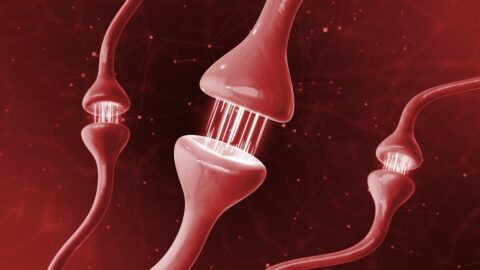
Resesarchers have found that thrombospondin-1 (TSP-1), a compound that is critical in growing brain synapses, is secreted by normal astrocytes but not senescent ones. Senescence is harmful to the brain Cellular SenescenceAs your body ages, more of your cells become senescent. Senescent cells do not divide or support the tissues of which they are part;...
November 07, 2025
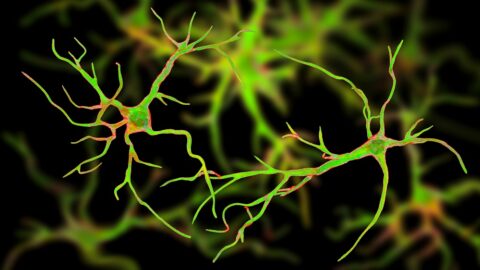
Scientists have discovered that directly reducing the production of reactive oxygen species (ROS) at their source in astrocytes, mitochondrial complex III, improves neuronal health and significantly increases lifespan in a mouse model of Alzheimer’s [1]. Dangerous species Reactive oxygen species (ROS) are short-lived, highly reactive oxygen-containing molecules such as superoxide and hydrogen peroxide that are...
June 05, 2025
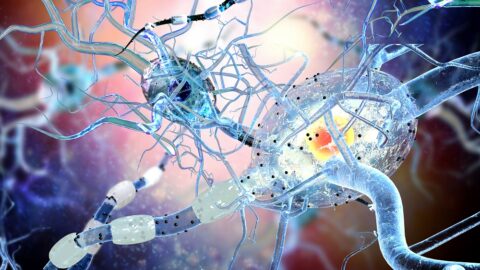
Researchers publishing in Aging Cell have used single-cell transcriptomics to discover new insights into how neural stem cells (NSCs) change with aging. Adults do generate neurons The adult brain does generate new neurons [1], particularly in the hippocampus, the part of the brain responsible for memory formation [2]. Neurogenesis is limited to very specific niches,...
October 01, 2024
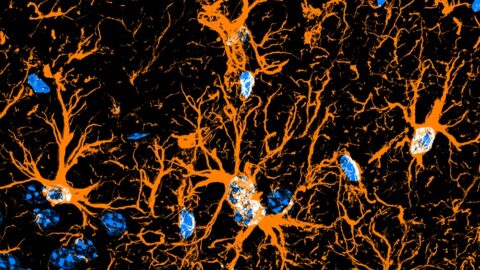
With Alzheimer’s disease, most of the focus has been on neurons. A new study's researchers suggest boosting the process of cellular junk removal in astrocytes, brain cells that perform maintenance tasks, as a new pathway [1]. Looking at a different cell type Accumulation of amyloid beta, a misfolded protein, is undoubtedly one of the hallmarks...
March 21, 2024
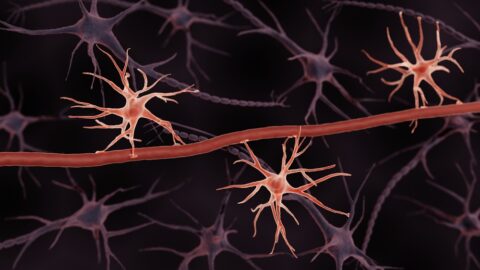
In an in-depth paper in Nature, researchers have explained how astrocytes, helper cells that provide crucial brain functions, epigenetically remember things in a way that encourages inflammation. Traumatized cells Long-lived immune cells, including T cells and B cells, can remember foreign pathogens [1]. This is why people can become immune to diseases after catching them...

May 17, 2023
Publishing in Aging, a team of Chilean researchers has described a relationship between gene shifts in the brain and neurons not getting the energy they need. Greedy glia To perform various maintenance and protective tasks, the brain contains a large population of microglia alongside its neurons. These glia include astrocytes, which, among their many other...