

April 06, 2026
Researchers have discovered a potential treatment for post-operative delirium, which accelerates cognitive decline in older people. A common problem with long-term effects Roughly a quarter of older people suffer from delirium after surgery [1], which rises to around half if the surgery is particularly invasive or high-risk [2]. This increases the length of hospital stays...
March 13, 2026
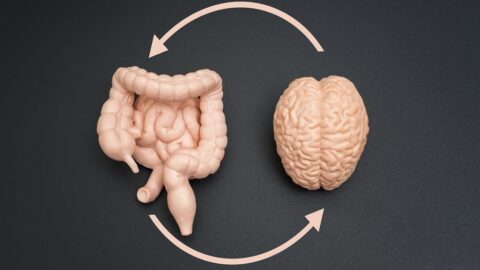
A new study suggests that microbiome remodeling is a mechanism behind age-related cognitive decline, with one particular bacterial species identified as the likely culprit. In mice, antibiotics seem to reverse this effect [1]. The gut-brain axis and the microbiome Memory decline is a common and debilitating feature of aging, but its mechanisms remain poorly understood....
March 10, 2026
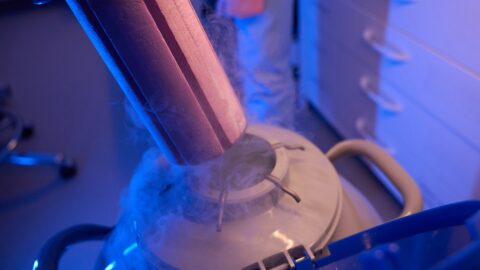
In a new study, researchers have vitrified mouse brain slices and then a complete brain with encouraging results: upon rewarming, much of the neuronal function was preserved [1]. The bumpy road to cryopreservation Successful cryopreservation is a coveted prize in medicine, as cryopreserving organs and tissues can make transplantation more accessible. It is also a...

March 04, 2026
Using brain clock models that analyzed MRI images of the brains of elderly people who underwent one year of resistance training, researchers concluded that both heavy and moderate resistance training slow brain aging [1]. The broad benefits Exercise has been linked to many benefits, such as lowering blood pressure, slowing down cancer progression, preventing fitness...
February 23, 2026
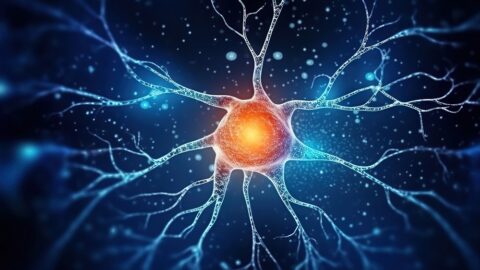
In Aging Cell, researchers have explained how the sirtuin SIRT6 protects against proteostasis-related brain disorders by maintaining the function of nucleoli and limiting protein production. The nucleus and nucleoli Loss of ProteostasisThe loss of proteostasis is the failure of the protein-building machinery of the cell and the accumulation of misfolded proteins, which is one of...
January 22, 2026
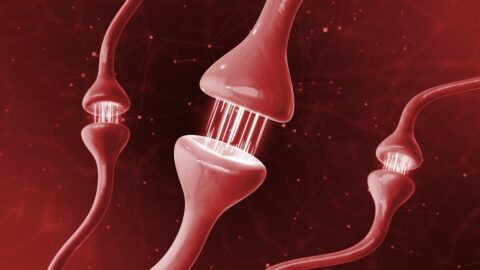
Resesarchers have found that thrombospondin-1 (TSP-1), a compound that is critical in growing brain synapses, is secreted by normal astrocytes but not senescent ones. Senescence is harmful to the brain Cellular SenescenceAs your body ages, more of your cells become senescent. Senescent cells do not divide or support the tissues of which they are part;...