
March 31, 2026
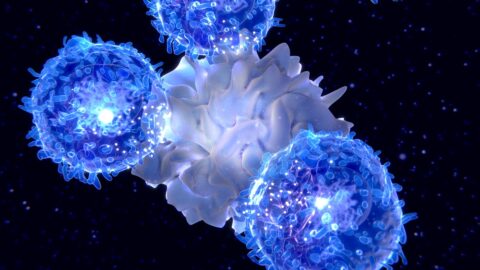
Arming NK and T cells with metabolite-sensing receptors enhances their ability to infiltrate tumors and improves cancer outcomes in mice in a new study [1]. How to get immune cells into the tumor? One of the central challenges in cancer immunotherapy is getting the right immune cells to the right place. Natural killer (NK) cells...
March 24, 2026
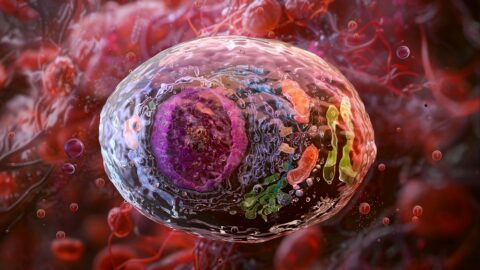
In a new study, an ingenious CRISPR-based tool was used to create CAR T cells in vivo instead of the usual in vitro approach. It showed higher efficacy across three cancer types, including a solid tumor [1]. CAR T therapies: promising but imperfect Ideally, T cells, the killer cells of our adaptive immune systems, should...

December 23, 2025
Scientists in Japan have discovered that multiple strains of bacteria taken from frogs, newts, and lizards can be effective against human colon cancer in a mouse model. One particular microbe achieved a perfect response rate and survival [1]. Bacteria against cancer Recent research has illuminated the enormous impact of the microbiome on overall health. Microbes...

November 20, 2025
Researchers publishing in Aging Cell have documented a key reason why older people are much more likely to get melanoma. Why older people have significantly worse melanoma cases While melanoma is much more treatable now than in the past, it still remains a serious danger. Melanoma can develop resistance to otherwise effective techniques [1], meaning...

October 03, 2025
Among the hallmarks of aging, DNA damage is both one of the most important and one of the hardest to crack. A couple of years ago, when I first learned about Matter Bioworks at a prominent longevity conference, I was amazed at the audacity of the small startup’s vision: actually fixing our DNA, including the...

September 26, 2025
Scientists have reported a breakthrough in treating solid tumor cancers using a Velcro-like tool that targets glycans, surface sugars especially abundant in cancer cells. This potentially off-the-shelf therapy does not need adjustment to individual cancer types or patients. No sugarcoating this Antibody-based cancer immunotherapies, such as chimeric antigen receptor T (CAR-T) cells were once hailed...