
February 11, 2026
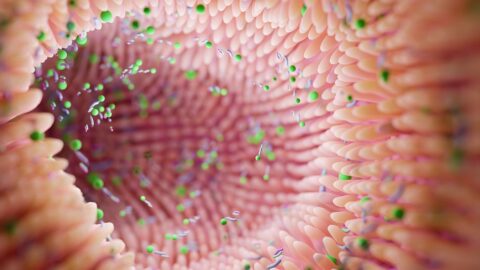
Transferring microbiota from young to aged mice helped to restore molecular signaling necessary for proper intestinal function and improved the regenerative capacity of intestinal stem cells [1]. Everyday companions Bacteria, viruses, and other microbes are well-known as agents that cause disease and should be avoided. However, the microbes that make us sick, while more noticeable,...
December 04, 2025
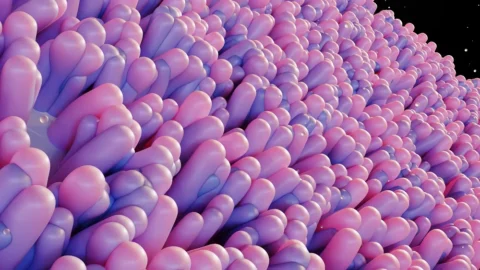
In Nature Aging, researchers have published their finding that targeting urokinase plasminogen activator receptor (uPAR), a senescence-associated protein, restores gut function in mice. One way the gut lining ages Of all the tissues in the human body, the intestinal epithelium, which lines the gut, replaces its cells most quickly [1]. This self-renewal diminishes with aging...
August 05, 2025
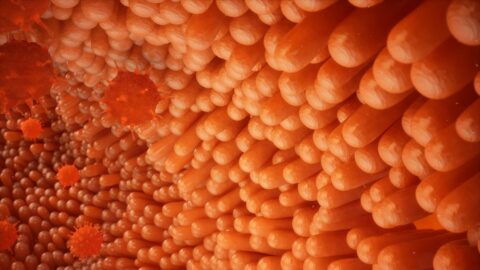
Using a pathogen-originated protein and a human antibody, scientists have created a chimeric construct that can deliver protein cargo via the intestine. This technology could potentially replace cumbersome injections [1]. Getting rid of the needle Protein-based treatments are very powerful, but they cannot yet be administered orally because the human gut breaks proteins down. Instead,...
November 20, 2024
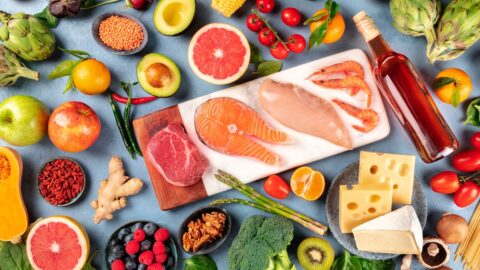
An analysis of data from over twenty thousand people has indicated that greater dietary diversity is associated with slower biological aging [1]. Your health is what you eat Good dietary habits are linked to many health benefits, and different diets were previously reported to impact the speed of aging and senescence. For example, adherence to...
October 22, 2024
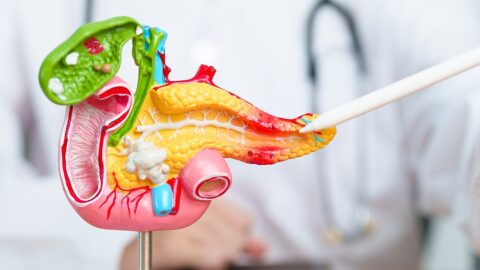
A new study links damage caused by digestive enzymes escaping from the gut to several hallmarks of aging. The researchers dubbed this effect "autodigestion." [1] Don’t eat yourself up! To live, we must eat, which involves breaking down compounds that we ourselves consist of, such as fat and proteins. Evolution has developed ingenious ways to...
July 15, 2024
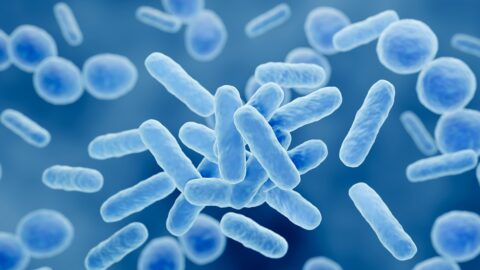
Researchers publishing in Probiotics and Antimicrobial Proteins have published the results of a clinical trial on the effects of a probiotic on inflammaging in older people. The gut and systemic inflammation The researchers begin this paper discussing their target of inflammaging, as this condition has been linked to multiple other age-related disorders, including Alzheimer's [1]....