

November 24, 2025
Scientists have created “nanoflowers” that nudge donor cells to produce more mitochondria, which can then be transferred to recipient cells to boost their mitochondrial function [1]. Mitochondrial transfer is difficult to improve Energy is required for life, and most energy in our cells is produced by mitochondria. When these organelles start to falter, it's a...
September 03, 2025
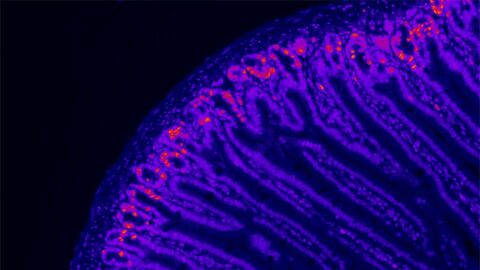
Scientists have discovered that cancer cells recruit fibroblasts to support tumor growth by transferring mitochondria into them. Blocking this process might be a new way to fight the deadly disease [1]. It goes both ways Cancer doesn’t act alone. Its success often hinges on recruiting neighboring cells into cooperation with cancer cells. Sometimes, those neighboring...
May 03, 2024
A recent study saw researchers associated with Cellvie demonstrate significant improvements to mitochondria and muscle function in aged mice by injecting additional mitochondria [1]. Mitochondrial dysfunction is a reason we age Mitochondrial DysfunctionAs they age, the mitochondria in our cells lose their ability to provide cellular energy and release reactive oxygen species that harm cells...

November 09, 2023
In a review published in Nature, researchers have explained how and why cells transfer mitochondria to one another, proposing that this transfer allows organisms to be more resilient against energy deficiencies. A relatively recent discovery It was not until 2006 when a team of researchers realized that mitochondria were not restricted to their cellular environments, as...

January 26, 2021
The mitochondria are an important target in aging, as their age-related dysfunction is thought to be a reason we age. These tiny power stations living in our cells do a wonderful job producing energy and keeping us alive, but, as we age, they become increasingly dysfunctional and that supports the onset of various age-related diseases....