

January 27, 2026
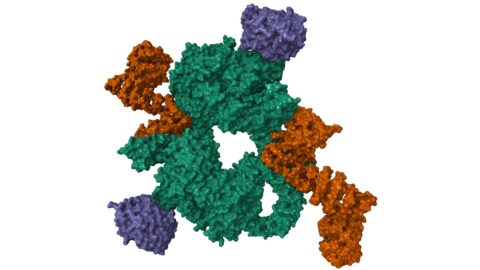
A new study from the Universities of Oxford and Nottingham has uncovered a potential new mechanism by which rapamycin counters immunosenescence. Rather than increasing autophagy or reducing protein synthesis, the effect appears to involve directly reducing DNA damage burden in immune cells [1]. How can this work? Rapamycin, a powerful inhibitor of the nutrient-sensing mTOR...
October 08, 2025
A team of scientists has reviewed the clinical data regarding low-dose rapamycin therapy in healthy adults. They concluded that, while there is plenty of preclinical data regarding the impact of rapamycin, there is no sufficient evidence that low-dose rapamycin use can extend healthspan and lifespan in healthy humans [1]. An old friend Rapamycin is a...
April 14, 2025
In Aging, Dr. Sajid Zalzala and his team have published the results of Participatory Evaluation of Aging with Rapamycin for Longevity (PEARL), a randomized, controlled human clinical trial that was crowdfunded by lifespan.io. Crowdfunded research bears fruit Rapamycin: Benefits, Side Effects, and ResearchRapamycin is a macrolide, a class of antibiotic and it exhibits potent antitumor...

August 31, 2023
A paper published in GeroScience has described a gene responsible for a key biomarker of cellular senescence. A widely used biomarker Cellular SenescenceAs your body ages, more of your cells become senescent. Senescent cells do not divide or support the tissues of which they are part; instead, they emit potentially harmful chemical signals, collectively known...

August 28, 2023
Researchers publishing in Journal of the American Veterinary Medical Association have conducted a feline clinical trial finding that rapamycin is effective against heart enlargement in cats. A well-known drug for a well-known problem Rapamycin: Benefits, Side Effects, and ResearchRapamycin is a macrolide, a class of antibiotic and it exhibits potent antitumor and immunosuppressive activity. It...

May 24, 2023
In a recent paper published in International Journal of Medical Sciences, researchers have described how they used artificial intelligence and machine learning tools to find mTOR-inhibiting molecules [1]. mTOR is a common target for lifespan extension interventions The mechanistic target of rapamycin (mTOR) is a well-known molecule in the rejuvenation world. Previous studies have demonstrated...