
March 10, 2026
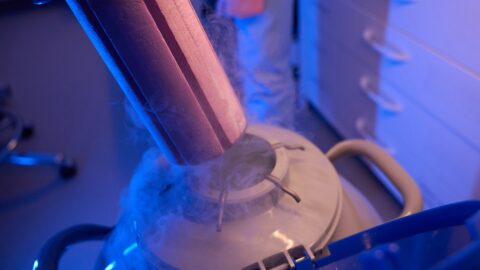
In a new study, researchers have vitrified mouse brain slices and then a complete brain with encouraging results: upon rewarming, much of the neuronal function was preserved [1]. The bumpy road to cryopreservation Successful cryopreservation is a coveted prize in medicine, as cryopreserving organs and tissues can make transplantation more accessible. It is also a...
February 06, 2026
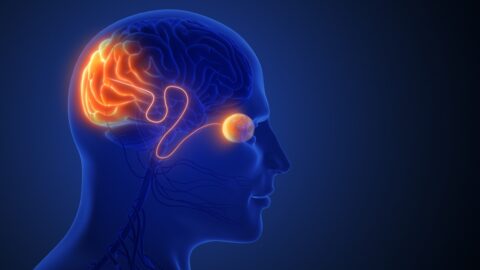
Life Biosciences has announced that its trial of cellular reprogramming aimed at two age-related vision diseases has received a go-ahead from the FDA. We spoke with the company’s CSO to get more details. Life Biosciences, the biotech company based on Harvard professor David Sinclair’s research into cellular reprogramming, stunned everyone last year by announcing that...
January 22, 2026
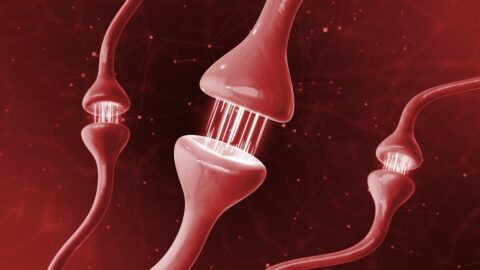
Resesarchers have found that thrombospondin-1 (TSP-1), a compound that is critical in growing brain synapses, is secreted by normal astrocytes but not senescent ones. Senescence is harmful to the brain Cellular SenescenceAs your body ages, more of your cells become senescent. Senescent cells do not divide or support the tissues of which they are part;...
October 06, 2025
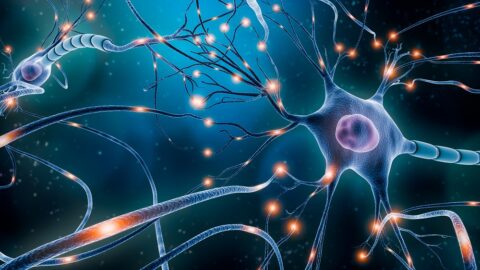
In Advanced Science, a team of researchers has explained how partial cellular reprogramming through the OSKM factors restores nerve repair ability to older animals. Stress as a signal This paper focuses on Schwann cells, glial cells that are often responsible for maintaining the protective sheaths of myelin around neuronal axons and help peripheral nerves to...

September 23, 2025
Scientists have discovered a pathway behind the known effect of exercise suppressing appetite: a lactate-related metabolite that acts directly on certain neurons. Not just more calories burned It has been long known that, somewhat counterintuitively, exercise transiently suppresses appetite. Scientists suspect that this contributes to exercise-related weight loss. However, the exact mechanisms behind this effect,...
June 05, 2025
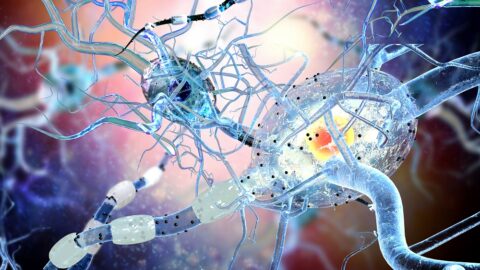
Researchers publishing in Aging Cell have used single-cell transcriptomics to discover new insights into how neural stem cells (NSCs) change with aging. Adults do generate neurons The adult brain does generate new neurons [1], particularly in the hippocampus, the part of the brain responsible for memory formation [2]. Neurogenesis is limited to very specific niches,...