
February 27, 2026
Cellular reprogramming is one of the technologies most associated with longevity. The field was created in 2006, when Shinya Yamanaka showed that a cocktail of four transcription factors, commonly known as OSKM, can cause de-differentiation and massive rejuvenation of a cell, creating an iPSC (induced pluripotent stem cell). About a decade later, partial reprogramming was...

February 13, 2026
Scientists have applied partial reprogramming to memory-encoding neurons (engrams) and achieved memory improvements in Alzheimer’s models and wild-type mice [1]. Rejuvenating neurons Partial cellular reprogramming, which uses certain factors to rejuvenate cells while maintaining their identity) has shown promise across various conditions and cell types, including neurons [2]. Rejuvenating these long-lived brain cells is imperative...
February 06, 2026
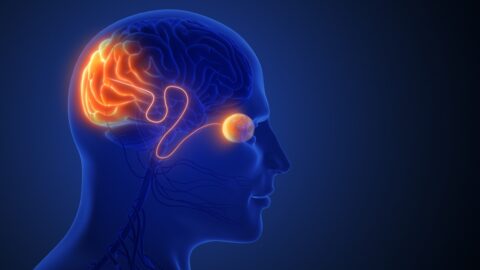
Life Biosciences has announced that its trial of cellular reprogramming aimed at two age-related vision diseases has received a go-ahead from the FDA. We spoke with the company’s CSO to get more details. Life Biosciences, the biotech company based on Harvard professor David Sinclair’s research into cellular reprogramming, stunned everyone last year by announcing that...
October 06, 2025
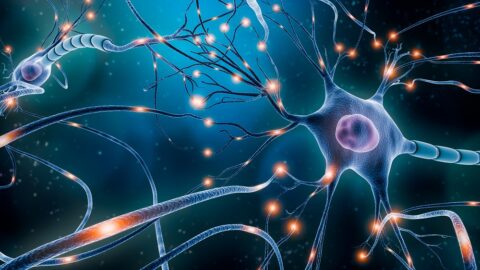
In Advanced Science, a team of researchers has explained how partial cellular reprogramming through the OSKM factors restores nerve repair ability to older animals. Stress as a signal This paper focuses on Schwann cells, glial cells that are often responsible for maintaining the protective sheaths of myelin around neuronal axons and help peripheral nerves to...

October 02, 2025
Retro Biosciences, one of the hottest startups in the longevity field, was founded about five years ago by the tech entrepreneur Joe Betts-Lacroix with a $180 million investment from his friend Sam Altman, the CEO of OpenAI. Despite its hefty war chest, the company initially pursued an image of an agile, scrappy company headquartered in...

September 17, 2025
In a recent study, researchers investigated aging- and disease-associated changes in gene expression related to epithelial-mesenchymal transition. Inducing the Yamanaka factors in mice allowed them to rejuvenate cells and tissues and reverse some of these aging-associated changes [1]. Rejuvenating cellular identity Aging-related epigenetic changes result in decreased capacity to maintain cellular identity [2], and some...