The Blog

Building a Future Free of Age-Related Disease

Rejuvenation Roundup 2023 CALENDAR

Rejuvenation Roundup November 2023

As researchers and biotech companies continue to work on the therapies and technologies that may let people live longer lives, much other research tells us about the lifestyle habits that people are doing to lengthen them – or shorten them – in the meantime. Here’s what we’ve learned in November.

LEAF News

David BarzilaiAn Anonymous Longevity Enthusiast Unmasks Himself: A prolific anonymous poster who became popular in the longevity community has revealed his identity, and other longevity luminaries have chimed in. Anonymity is seldom practiced in the longevity community.

Research Roundup

Bacteria from Alzheimer’s Patients Induced Symptoms in Rats: New research published in Brain investigated the influence of fecal microbiota transplants from Alzheimer’s patients on cognitive function and neurogenesis in rats and human cell cultures.

Two ratsHyperbaric Oxygen Therapy Improves Bone Health in Rats: Scientists have demonstrated that hyperbaric oxygen therapy can reverse some aspects of bone deterioration caused by aging and obesity in rats. This involves placing the patient in a chamber with elevated levels of oxygen and atmospheric pressure.

Predicting Future Frailty with an Epigenetic Clock: An accepted manuscript in the Journals of Gerontology has described how a third-generation epigenetic clock is a predictor of future frailty.

Elderly AlcoholAlcohol Consumption Increases Epigenetic Age Acceleration: A new study has found that higher levels of long-term alcohol consumption are associated with a larger gap between the person’s biological and chronological age, but not in the young.

Tweaking the Growth of Stem Cells for Better Therapies: Researchers publishing in ACS Nano have described how culturing stem cells on nanogratings instead of flat substrates changes the effects of the extracellular vesicles (EVs) they send, potentially paving the way to a new system of therapies.

Older man exercisingLifestyle Interventions Against Cellular Senescence: A new review summarizes our knowledge about lifestyle interventions, such as exercise, healthy diet, and good sleep, that can possibly reduce cellular senescence.

Olive Oil Fights Cognitive Decline in Clinical Trials: In a recent review published in Frontiers in Nutrition, the researchers reviewed studies linking olive oil consumption to cognitive performance.

Gift givingCells Regularly Donate Mitochondria to One Another: In a review published in Nature, researchers have explained how and why cells transfer mitochondria to one another, proposing that this transfer allows organisms to be more resilient against energy deficiencies.

Mediterranean, Keto, and Plant-Based Diets Vs. Cancer: A new review summarizes what we know about the Mediterranean, keto, and plant-based diets and their effects on cancer risk and progression.

Rat looking at cameraTargeting Metabolism to Protect Against Stroke: Japanese researchers publishing in Aging have described how improving the AMPK metabolic pathway improves outcomes in a rat model of stroke.

A Phytomolecule Improves Tendon Regeneration in Rats: A new study has identified a molecule found in Saposhnikovia root as a potent mediator of tendon regeneration in rats. The results were also replicated in human cells.

Dietary choicesPromoting Health and Longevity Through Diet: A review published in the Journal of Internal Medicine summarized current knowledge on the impact of dietary factors on chronic diseases and longevity.

Senolytics May Work Against Long COVID in the Brain: A new publication in Nature Aging has used organoids and model mice to discover that senolytics may be effective treatments for neurodegeneration caused by the post-infection syndrome known as long COVID.

Meat versus plantsPlant-Based Alternatives Are Associated With Less Disease: A new meta-analysis has found that in many cases, switching from an animal product to a plant-based alternative is associated with less cardiovascular, diabetes, and all-cause mortality risk

Pushing Forward on Understanding Cellular Decline: Researchers publishing in Nature Aging have investigated one of the core biological reasons behind the decline of stem cells’ ability to proliferate.

Basal cell carcinomaA Lack of Skin Collagen May Encourage Cancer Growth: A paper published in Nature has described how the aging extracellular matrix causes physical changs to the skin that make it easier for cancer to grow.

Young People More Vulnerable to Atherosclerosis Risk Factors: One study suggests that increases in LDL cholesterol and systolic blood pressure elevate the risk of atherosclerosis progression more in younger than in older people. The good news is that this can be reversed.

Two apples one arrowDual-Purpose Molecular Targets for Cancer and Aging: A study published in Aging Cell applied an artificial intelligence target discovery platform to aid in identifying potential dual-purpose targets for anti-aging and anti-cancer treatments.

Some HIV-Fighting Drugs May Also Fight Aging: Publishing in Ageing Research Reviews, a team of researchers including Vera Gorbunova has described how a class of drugs originally used to treat HIV might be used to affect some of the hallmarks of aging.

Food restrictionAging Might Blunt the Effects of Fasting: Scientists have found that in killifish, old age is associated with a dampened response to fasting and identified the protein that might be responsible. A similar mechanism might exist in humans.

Predicting a Species’ Longevity Through Epigenetics: A preprint study published on bioRxiv discusses how a species’ maximum lifespan can be predicted by its epigenetics, showing that these differences are largely unaffected by interventions.

EntropyMammals Accumulate Epigenetic Noise With Age: In Nature Communications, researchers have explained how epigenetic drift and disorder are associated with shorter lifespans across species and that some species accumulate this noise considerably faster than others.

Isoleucine Restriction Boosts Lifespan in Mice: A new study reports a massive 33% increase in median lifespan in male genetically heterogeneous mice following prolonged isoleucine restriction.

Older music listenerMusic Therapy for Treating Alzheimer’s Disease: The authors of a new review have analyzed randomized controlled trials that evaluated the impact of music therapy on the cognitive functions of people with Alzheimer’s.

Running Is Associated With Better Health Biomarkers: In a recent publication in PLOS One, researchers have described the metabolic effects on running in generally healthy people. A lack of activity is a known risk factor for early mortality.

Implanting mechanically reprogrammed fibroblasts for aged tissue regeneration and wound healing: Transcriptome analysis, combined with chromatin biomarkers, revealed that implanted cells upregulated tissue regeneration and wound healing pathways. These results provide a novel, nongenetic, partial reprogramming of aged cells for cell-based therapies in regenerative medicine.

Sleep regularity and mortality: a prospective analysis in the UK Biobank: Irregular sleep-wake patterns are associated with higher mortality risk, including mortality due to cancer and cardiovascular disease.

Calorie restriction reduces biomarkers of cellular senescence in humans: These results advance the understanding of the effects of CR in humans and further support a link between cellular senescence and metabolic health.

Mechanisms underlying retardation of aging by dietary energy restriction: Overnutrition disrupts FoxO- and Npy-associated metabolic and mitochondrial bioenergetic adaptive processes, causing the acceleration of aging and related diseases.

Effect of Dietary Sodium on Blood Pressure: This crossover trial assesses whether high-sodium and low-sodium dietary interventions affect 24-hour ambulatory blood pressure measures among middle-aged to elderly adults with normotension, controlled hypertension, uncontrolled hypertension, or untreated hypertension.

Dietary Sodium Intake and Risk of Incident Type 2 Diabetes: To fill the knowledge gap of the relation between long-term dietary sodium intake and type 2 diabetes (T2D), the researchers evaluated the association between the frequency of adding salt to foods, a surrogate marker for evaluating the long-term sodium intake, and incident T2D risk.

Effects of exercise interventions on cognitive functions in healthy populations: A systematic review and meta-analysis: Chronic exercise intervention is a non-pharmacological therapy suggested to improve cognitive function in various populations.

Efficacy of morning versus afternoon aerobic exercise training on reducing metabolic syndrome components: High-intensity aerobic exercise training in the morning in comparison to training in the afternoon is somewhat more efficient at reducing cardiometabolic risk factors (i.e. systolic blood pressure and insulin sensitivity).

Dose-response of accelerometer-measured physical activity, step count, and cancer risk in the UK Biobank: a prospective cohort analysis: In this sample from the UK Biobank, higher total physical activity and daily step count were associated with lower risk of physical-activity-related cancers. Findings suggest additional physical activity time, irrespective of intensity, may be beneficial. Increasing low intensity activity time and increasing daily step counts could be practical.

Effect of physical activity on risk of Alzheimer’s disease: A systematic review and meta-analysis of 29 prospective cohort studies: PA intervention reduces the incidence of AD, but merely in moderate to vigorous PA with follow-up of less than 15 years, thus conditionally recommending the popularization of PA as a modifiable lifestyle factor to prevent AD.

Tumor cell-induced macrophage senescence plays a pivotal role in tumor initiation followed by stable growth in immunocompetent condition: This paper reports that tumor growth can be inhibited by externally administered NMN against a macrophage senescence-like state that occurs in the very early stages of tumor-initiating cell development.

Fermented cereal-origin gerobiotic cocktails promote healthy longevity in Caenorhabditis elegans: Several single-strain gerobiotics have proven to be beneficial in alleviating aging and age-related functional declines across species, but multistrain/multispecies gerobiotics appear to be even more useful.

Antibiotics that target mitochondria extend lifespan in C. elegans: Mitochondrial inhibitors (i.e., mitochondria-targeting antibiotics) could abrogate aging and extend lifespan in C. elegans.

A Combination Study of Pre- and Clinical Trial: Seaweed Consumption Reduces Aging-Associated Muscle Loss: This treatment helps maintain muscle mass and delays muscle wasting during aging, suggesting it as a potent nutritional strategy to protect against aging-associated sarcopenia.

Microvesicles-hydrogel breaks the cycle of cellular senescence by improving mitochondrial function to treat osteoarthritis: Through responding to ROS levels, this hydrogel intelligently releases MVs and enhances mitochondrial function in chondrocytes to improving cellular senescence.

In vivo reprogramming leads to premature death linked to hepatic and intestinal failure: In transgenic mice, continuous induction of the reprogramming factors in vivo leads to hepatic and intestinal dysfunction, resulting in decreased body weight and contributing to death within 1?week.

Mid-old cells are a potential target for anti-aging interventions in the elderly: In this study, the authors introduce the concept of a unique cellular subtype within the organic stroma, which does not conform to a typical young or senescent cell.

Electric currents of 448?kHz upregulate anti-senescence pathways in human dermal fibroblasts: CRET treatment improves a number of functions related to migration and proliferation, and it reduces age-related cellular changes in human dermal fibroblasts.

The longevity bottleneck hypothesis: Could dinosaurs have shaped ageing in present-day mammals?: Although mammals, such as humans, can evolve long lifespans, they do so under constraints dating to the dinosaur era.

Survival and longevity of European rulers: geographical influences and exploring potential factors, including the Mediterranean diet: Although the Mediterranean diet is often associated with health benefits, these findings indicate that it alone may not account for differences in ruler longevity across regions.

News Nuggets

Rejuve.ai logoRejuve’s Longevity App Welcomes Peptide Bioregulator: ‘Longevity’, an app designed to empower everyone to live longer, healthier lives, welcomes its latest partner, Peptide Bioregulator, a high-quality supplement company.

We would like to ask you a small favor. We are a non-profit foundation, and unlike some other organizations, we have no shareholders and no products to sell you. All our news and educational content is free for everyone to read, but it does mean that we rely on the help of people like you. Every contribution, no matter if it’s big or small, supports independent journalism and sustains our future.

Runners

Running Is Associated With Better Health Biomarkers

In a recent publication in PLOS One, researchers have described the metabolic effects on running in generally healthy people.

A lack of activity is a known risk factor

This paper begins with warnings against sedentary behavior, citing one study reporting that it is responsible for approximately 1 out of 12 early deaths in the United States, on par with smoking and obesity [1]. Many studies have reported exercise to be highly effective as a medical intervention, including for such age-related conditions as type 2 diabetes [2].

However, nearly all studies on exercise are either on its effects on people with diagnosed disorders [3] or committed athletes [4], meaning that its effects on the general population are less detailed. Therefore, these researchers have developed a study to fill this gap, with their study using data from generally healthy individuals.

A health platform provides a broad dataset

This study used data gleaned from a total of 23,237 of the InsideTracker platform’s subscribers. The participants volunteered their data to be used for research purposes, which consisted both of blood testing and self-reported information. Notably, while medical history was not part of the platform or this study, the participants had blood biomarkers within normal ranges and did not have any diagnosed chronic conditions.

As expected, because this was a study of people’s normal habits, people who ran regularly were both younger and considerably leaner than people who did not. Regular cardio exercise is very well-known to have effects on body mass, and obesity is known to have effects on metabolic markers. The researchers took this into account, adjusting for age, gender, and body mass index (BMI).

Significant associations with biomarkers

Running was associated with less blood glucose, fewer white blood cells, less of the “bad” cholesterol LDL, and less of the inflammatory biomarker hsCRP. Instead, more frequent runners had more B12, folate, and vitamin D in their systems along with more of the “good” cholesterol HDL. Professional-level runners also had less blood magnesium.

Some of these changes in biomarkers were associated with sex. For example, hematocrit and hemogloblin, two metrics of oxygen carrying capacity, were only significantly associated in males with professional-level running, while these metrics were improved in women with running at all levels.

The association with lower BMI was striking and across-the-board. Among the participants in this study, the majority of the sedentary men were overweight as defined by the CDC (BMI > 25), while women who did not run were also considerably more likely to be overweight. This chart is organized by levels of running, decreasing left to right.

Running BMI

Unsurprisingly, nearly all of the associations between running and health biomarkers could be explained by its relationship with BMI. Inflammation, glucose, and lipid metabolism biomarkers were directly related to this metric. After conducting statistical analyses in an effort to control for BMI, the researchers found that vigorous physical activity was still associated with reduced inflammation and glucose along with more HDL.

Limitations and caveats

This is an association study that cannot prove causality. Most notably, while the researchers were able to adjust for BMI, they acknowledged that they could only predict, rather than measure, running being associated with other healthy habits. For example, levels of crucial vitamins were higher in more serious runners, which is likely to be the result of different dietary practices rather than the running itself. HDL and LDL cholesterol are also known to be affected by diet.

This study relied on self-reported amounts of running, which may not be fully reliable. It also had an inherent bias: the people involved were volunteers who had signed up for a health product, which is not likely to be an accurate cross-section of the general population. Still, this study provides insight into the many positive associations between regular exercise and overall health.

We would like to ask you a small favor. We are a non-profit foundation, and unlike some other organizations, we have no shareholders and no products to sell you. All our news and educational content is free for everyone to read, but it does mean that we rely on the help of people like you. Every contribution, no matter if it’s big or small, supports independent journalism and sustains our future.

Literature

[1] Carlson, S. A., Adams, E. K., Yang, Z., & Fulton, J. E. (2018). Peer reviewed: percentage of deaths associated with inadequate physical activity in the United States. Preventing chronic disease, 15.

[2] Sgro, P., Emerenziani, G. P., Antinozzi, C., Sacchetti, M., & Di Luigi, L. (2021). Exercise as a drug for glucose management and prevention in type 2 diabetes mellitus. Current opinion in pharmacology, 59, 95-102.

[3] Lin, X., Zhang, X., Guo, J., Roberts, C. K., McKenzie, S., Wu, W. C., … & Song, Y. (2015). Abstract P270: Effects of Exercise Training on Cardiorespiratory Fitness and Biomarkers of Cardio-metabolic Health: A Systematic Review and Meta-Analysis of Randomized Controlled Trials. Circulation, 131(suppl_1), AP270-AP270.

[4] Lee, E. C., Fragala, M. S., Kavouras, S. A., Queen, R. M., Pryor, J. L., & Casa, D. J. (2017). Biomarkers in sports and exercise: tracking health, performance, and recovery in athletes. Journal of strength and conditioning research, 31(10), 2920.

Older music listener

Music Therapy for Treating Alzheimer’s Disease

The authors of a new review have analyzed randomized controlled trials that evaluated the impact of music therapy on the cognitive functions of people with Alzheimer’s [1].

Music to Alzheimer’s patients’ ears

Current pharmacology lacks a long-term method of effectively managing Alzheimer’s disease symptoms. Therefore, researchers have been looking into non-pharmacological therapies for treating these symptoms. One of these alternatives is music therapy [2].

The American Music Therapy Association describes music therapy as the use of music interventions in a clinical and evidence-based manner to achieve specific goals, which are tailored to the individual, by a professional who is credentialed and has completed an approved music therapy program.

Research on music therapy has reported positive effects on emotion modulation and social communication. It has also been found to affects some brain networks by inducing plastic changes in those networks [3]. In patients who feel isolated, music therapy can lead to a feeling of connection and socialization. It can also help improve mood, cognitive functions, and memory [4].

There are two approaches to music therapy: active and receptive. Active musical intervention techniques require more engagement, such as improvisation, singing, playing an instrument, clapping, or dancing. On the other hand, the receptive version merely involves listening to music [5].

Previous research on active music interventions has found that they can improve cognitive functions and reduce agitation and anxiety. Meanwhile, the receptive version has been found to aid in relaxation, stress reduction, and sleep quality [3].

Singing seems to have an effect on Alzheimer’s symptoms

The researchers analyzed eight studies that included 689 participants from the USA, Europe, and Asia. The mean ages of participants in those studies were between 60.5 and 87.1, with Alzheimer’s disease stages varying from mild to severe. The musical approaches also varied in those studies and included singing with played songs, listening to music, and other active and passive approaches [6-13].

All but one study concluded that music therapy had a significant, positive impact on Alzheimer’s disease patients’ cognitive function. The positive results reported improvement in orientation, language, memory, verbal fluency, and the emotional state of the patients. The improvements in the emotional state didn’t last longer than 3 weeks after the therapy; other effects lasted longer and were still observed after the follow-up, which varied between 1 month and 6 months.

Further analysis revealed that active therapy had better results than the receptive version. Still, the two studies that only used receptive methods showed positive effects on cognitive functions.

The review’s authors elaborate that the lack of association between cognition and music therapy in one of the analyzed studies might be due to a few reasons. First, in that study, the therapist chose the music used during the therapy, and it was not based on the participant’s preference. Second, the control group was a group of participants who participated in a cooking activity rather than no intervention. Third, there might not have been enough participants to report significant results.

Potential and limitations

The authors list many advantages of employing music therapy in treating symptoms of Alzheimer’s disease, including its easy implementation, affordability, lack of side effects, and non-invasive nature. Additionally, multiple Alzheimer’s Disease symptoms can be addressed simultaneously.

However, the cognitive and physical abilities of patients with severe dementia might prevent them from taking part, thus limiting its implementation to patients with less advanced stages of the disease. Additionally, the trained therapists required for music therapy might not be available everywhere.

The authors also point to some of the limitations of the review. The studies included in the review are quite heterogeneous, as their implementations of music therapy differed in kind and duration. They also measured different outcomes in participants of different ages and with different disease severities..

Those limitations and the small number of studies analyzed don’t allow the authors to offer any recommendations regarding best practices or practical implementation as to which types of interventions or music might be best for Alzheimer’s patients. They concluded as follows:

The findings of this review suggest that music therapy could have a positive impact on cognitive functions in patients with AD. This supports the growing body of evidence that targets music therapy as a promising cognitive rehabilitating process aiming to improve cognitive functions in individuals with AD dementia, like memory, executive functions, or attention. Improvements in these cognitive functions can, in turn, enhance the quality of life of both the patients and their caregivers. However, more research is needed to fully understand the mechanisms behind these effects and to determine the optimal approach to music therapy for this population, including the time frame for follow-up evaluations.

If you found this interesting and want to find out more about the potential of music to treat Alzheimer’s, check out this Stranger Things video we made below.

Can Music Fight a Real Life Vecna? Stranger Things Running Up That Hill Explained - Science Blast Can Music Fight a Real Life Vecna? Stranger Things Running Up That Hill Explained - Science Blast
We would like to ask you a small favor. We are a non-profit foundation, and unlike some other organizations, we have no shareholders and no products to sell you. All our news and educational content is free for everyone to read, but it does mean that we rely on the help of people like you. Every contribution, no matter if it’s big or small, supports independent journalism and sustains our future.

Literature

[1] Bleibel, M., El Cheikh, A., Sadier, N. S., & Abou-Abbas, L. (2023). The effect of music therapy on cognitive functions in patients with Alzheimer’s disease: a systematic review of randomized controlled trials. Alzheimer’s research & therapy, 15(1), 65.

[2] Särkämö, T., Tervaniemi, M., Laitinen, S., Numminen, A., Kurki, M., Johnson, J. K., & Rantanen, P. (2014). Cognitive, emotional, and social benefits of regular musical activities in early dementia: randomized controlled study. The Gerontologist, 54(4), 634–650.

[3] Schlaug G. (2009). Part VI introduction: listening to and making music facilitates brain recovery processes. Annals of the New York Academy of Sciences, 1169, 372–373.

[4] Raglio, A., Attardo, L., Gontero, G., Rollino, S., Groppo, E., & Granieri, E. (2015). Effects of music and music therapy on mood in neurological patients. World journal of psychiatry, 5(1), 68–78.

[5] Raglio, A., & Oasi, O. (2015). Music and health: what interventions for what results?. Frontiers in psychology, 6, 230.

[6] Sakamoto, M., Ando, H., & Tsutou, A. (2013). Comparing the effects of different individualized music interventions for elderly individuals with severe dementia. International psychogeriatrics, 25(5), 775–784.

[7] Narme, P., Clément, S., Ehrlé, N., Schiaratura, L., Vachez, S., Courtaigne, B., Munsch, F., & Samson, S. (2014). Efficacy of musical interventions in dementia: evidence from a randomized controlled trial. Journal of Alzheimer’s disease : JAD, 38(2), 359–369.

[8] Gómez Gallego, M., & Gómez García, J. (2017). Music therapy and Alzheimer’s disease: Cognitive, psychological, and behavioural effects. Musicoterapia en la enfermedad de Alzheimer: efectos cognitivos, psicológicos y conductuales. Neurologia (Barcelona, Spain), 32(5), 300–308.

[9] Pongan, E., Tillmann, B., Leveque, Y., Trombert, B., Getenet, J. C., Auguste, N., Dauphinot, V., El Haouari, H., Navez, M., Dorey, J. M., Krolak-Salmon, P., Laurent, B., Rouch, I., & LACMé Group (2017). Can Musical or Painting Interventions Improve Chronic Pain, Mood, Quality of Life, and Cognition in Patients with Mild Alzheimer’s Disease? Evidence from a Randomized Controlled Trial. Journal of Alzheimer’s disease : JAD, 60(2), 663–677.

[10] Innes, K. E., Selfe, T. K., Brundage, K., Montgomery, C., Wen, S., Kandati, S., Bowles, H., Khalsa, D. S., & Huysmans, Z. (2018). Effects of Meditation and Music-Listening on Blood Biomarkers of Cellular Aging and Alzheimer’s Disease in Adults with Subjective Cognitive Decline: An Exploratory Randomized Clinical Trial. Journal of Alzheimer’s disease : JAD, 66(3), 947–970.

[11] Lyu, J., Zhang, J., Mu, H., Li, W., Champ, M., Xiong, Q., Gao, T., Xie, L., Jin, W., Yang, W., Cui, M., Gao, M., & Li, M. (2018). The Effects of Music Therapy on Cognition, Psychiatric Symptoms, and Activities of Daily Living in Patients with Alzheimer’s Disease. Journal of Alzheimer’s disease : JAD, 64(4), 1347–1358.

[12] Wang Z, Li Z, Xie J, Wang T, Yu C, An N. (2018) Music therapy improves cognitive function and behavior in patients with moderate Alzheimer’s disease. Int J Clin Exp Med. 2018;11(5):4808–14.

[13] Gómez-Gallego, M., Gómez-Gallego, J. C., Gallego-Mellado, M., & García-García, J. (2021). Comparative Efficacy of Active Group Music Intervention versus Group Music Listening in Alzheimer’s Disease. International journal of environmental research and public health, 18(15), 8067.

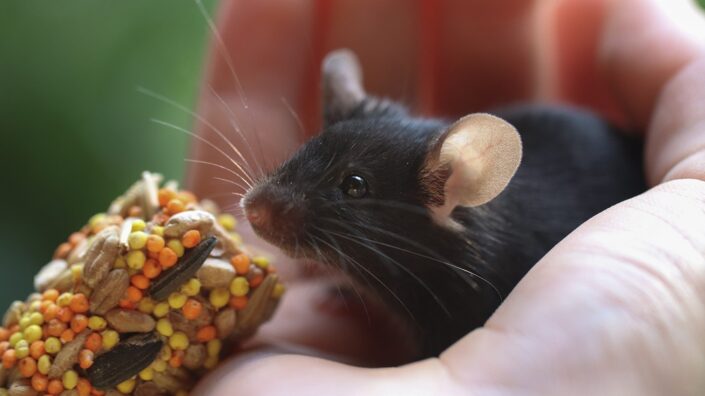
Black mouse eating

Isoleucine Restriction Boosts Lifespan in Mice

A new study reports a massive 33% increase in median lifespan in male genetically heterogeneous mice following prolonged isoleucine restriction [1].

Not all calories are created equal

Caloric restriction is the most powerful life-extending intervention in rodents and primates [2], but the needed magnitude (about 30% fewer calories) is virtually impossible to maintain in humans for long. Yet, the key might not be the number of calories, but their source.

Recent years have seen heated debate about the recommended intake of protein and specific amino acids. On one hand, low protein intake is associated with a major reduction in cancer and overall mortality in people 65 and younger [3]. On the other hand, in older people, high protein intake might be needed to counteract frailty. To complicate things even further, a recent twin study found that higher protein intake is paradoxically associated with sarcopenia [4].

Of all amino acids, methionine has received the most attention. Methionine restriction extends healthspan and lifespan in various animal models [5]. Promising results have also been reported for the three branch-chained amino acids (BCAAs): leucine, isoleucine, and valine [6].

In this new study, a group of researchers who previously reported the health benefits of isoleucine restriction in genetically homogeneous B6 mice applied the same intervention to genetically heterogeneous HET3 mice. This is a step forward, suggesting high generalizability of the results.

More calories, less weight

9-week-old mice were put on either an isoleucine-restricted diet (Low Ile), or a protein-restricted one with lower levels of all amino acids (Low AA). Per weight, all three chows (including the regular one for the control group) had identical caloric density and fat contents. In the Low AA diet, carbohydrates were used to replace calories from amino acids, while in the Low Ile diet, non-essential amino acids replaced calories lost due to isoleucine restriction.

Interestingly, both study groups consumed much more calories than controls. The Low AA group still consumed less amino acids than controls, while the Low Ile group consumed less isoleucine but more total amino acids than the two other groups. Despite getting more calories, body weight in the Low AA group remained on par with that of controls, while the Low Ile group quickly lost weight over the first week of the experiment and stayed lean.

Low Ile 1

Here, sex differences began to emerge, with female Low Ile mice gaining some weight, although less than female mice in the two other groups.

How did the Low AA and Low Ile groups manage to stay at least as lean as controls despite higher caloric intake? Apparently, by maintaining much higher levels of activity and energy expenditure. Interestingly, Low Ile mice were very similar in their activity levels and caloric intake to Low AA mice, yet they stayed much leaner.

Massive sex-dependent increase in lifespan

To see whether isoleucine restriction could promote healthy aging, the researchers ran a longer experiment, with mice put on different diets at six months of age. The body weight dynamic was largely similar to the first experiment (although all groups lost weight during the second half of life). Importantly, Low Ile mice of both sexes showed better blood glycemic control than Low AA mice or controls.

Low Ile 2

Most importantly, isoleucine restriction led to a 33% percent increase in median lifespan and to some increase in maximum lifespan in male mice vs controls. This result is one of the most impressive for any intervention ever tested in rodents, especially in HET3 mice. For females, however, the increase in maximum lifespan was only 7%. In the Low AA group, no significant changes vs controls were recorded.

Low Ile 3

In accordance with the lifespan results, male, but not female, Low Ile mice experienced significantly less frailty than the two other groups. Cancer is the cause of death in more than 80% of HET3 mice. Low Ile males were significantly less likely to get cancer during their lives, but Low Ile females were not. Interestingly, the benefits of isoleucine restriction seemed to be more pronounced in young mice than in older ones. For instance, the considerable gap in fitness observed in young Low Ile mice versus controls all but closed by the age of 28 months. The robust molecular changes caused by the Low Ile diet in young mice also seemed to peter out by then.

“We like to say a calorie is not just a calorie,” says Dudley Lamming, a professor and metabolism researcher at the University of Wisconsin School of Medicine and Public Health, the study’s corresponding author. “Different components of your diet have value and impact beyond their function as a calorie, and we’ve been digging in on one component that many people may be eating too much of.”

While the lifespan results are undoubtedly impressive, many questions remain. For instance, some of the effects of the Low Ile diet may be explained by the abundance of other amino acids in it. This goes against previous research demonstrating some lifespan and healthspan benefits of protein restriction, but some amino acids may have different effects on fitness and lifespan than others.

Foods high in isoleucine include beef, chicken, pork, fish, tofu, dairy, beans, lentils, whole grains, nuts, seeds, and peas. However, it is not yet clear how the study’s findings might apply to humans.

We would like to ask you a small favor. We are a non-profit foundation, and unlike some other organizations, we have no shareholders and no products to sell you. All our news and educational content is free for everyone to read, but it does mean that we rely on the help of people like you. Every contribution, no matter if it’s big or small, supports independent journalism and sustains our future.

Literature

[1] Green, C. L., Trautman, M. E., Chaiyakul, K., Jain, R., Alam, Y. H., Babygirija, R., … & Lamming, D. W. (2023). Dietary restriction of isoleucine increases healthspan and lifespan of genetically heterogeneous mice. Cell Metabolism, 35(11), 1976-1995.

[2] Pifferi, F., Terrien, J., Marchal, J., Dal-Pan, A., Djelti, F., Hardy, I., … & Aujard, F. (2018). Caloric restriction increases lifespan but affects brain integrity in grey mouse lemur primates. Communications biology, 1(1), 30.

[3] Levine, M. E., Suarez, J. A., Brandhorst, S., Balasubramanian, P., Cheng, C. W., Madia, F., … & Longo, V. D. (2014). Low protein intake is associated with a major reduction in IGF-1, cancer, and overall mortality in the 65 and younger but not older population. Cell metabolism, 19(3), 407-417.

[4] Ni Lochlainn, M., Bowyer, R. C., Welch, A. A., Whelan, K., & Steves, C. J. (2023). Higher dietary protein intake is associated with sarcopenia in older British twins. Age and Ageing, 52(2), afad018.

[5] Orentreich, N., Matias, J. R., DeFelice, A., & Zimmerman, J. A. (1993). Low methionine ingestion by rats extends life span. The Journal of nutrition, 123(2), 269-274.

[6] Richardson, N. E., Konon, E. N., Schuster, H. S., Mitchell, A. T., Boyle, C., Rodgers, A. C., … & Lamming, D. W. (2021). Lifelong restriction of dietary branched-chain amino acids has sex-specific benefits for frailty and life span in mice. Nature Aging, 1(1), 73-86.

Entropy

Mammals Accumulate Epigenetic Noise With Age

In Nature Communications, researchers have explained how epigenetic drift and disorder are associated with shorter lifespans across species.

When randomness is a problem

We have previously reported on research demonstrating that epigenetic clocks are most likely to be measuring noise. This paper builds on that concept, citing previous research showing that this gradual epigenetic drift is a strong influence on the lifespan of mammals [1] and that it can be broadly used as an epigenetic clock [2].

Proper DNA methylation, the fundamental biological mechanic behind epigenetics, is part of genomic stability maintenance [3] and is the reason why tissues perform specific functions. The density of methylation sites in certain areas has also been found to be associated with longevity [4], and this relationship may be part of the data used by a recently built tool to predict mammalian lifespan.

This research takes a closer look at this concept, comparing the lifespan of various mammals to the rates at which their epigenomes accumulate drift.

Disorder accumulates in mammals

The researchers began their experiments by first studying the genomes of rats, mice, dogs, and baboons. Interestingly, in samples taken from all four species, some regions became less disordered with time, although considerably more accumulated disorder. As expected, rats and mice, being considerably shorter-lived, were found to accumulate disorder much faster than dogs and baboons, which have similar, longer, lifespans.

However, not all of these species began with the same amount of measured epigenetic disorder. Rats and baboons appeared to share similar amounts at young ages, and mice and dogs shared similar amounts as well, despite their differences in lifespan. Dogs had many considerably denser methylation sites than the other three species, and in dogs and baboons, the relationship between site density and methylation rate was largely flat.

Drift accumulation

Site density and disorder were also interlinked, particularly in rats and mice. In these short-lived species, disorder accumulated more rapidly in their less-dense sites, and they have fewer dense sites than longer-lived species as well.

In rats, mice, and dogs, the most strongly affected genes were broadly found to be associated with gene transcription regulation and activity along with DNA binding and organismal development. This suggests that this epigenetic noise may be affecting genomic stability over time.

Epigenetic density is not protection

While the density of methylation sites was broadly associated with reduced regional disorder, most strongly in rats and mice, it clearly does not confer substantial protection against accumulating noise: even in their densest regions, rodents accumulated disorder considerably faster than longer-lived species.

Just as longer-lived species have documented protections against genomic instability [5], longer-lived species clearly have epigenetic protections that shorter-lived animals lack. If their mechanisms can be fully identified and explained, it may be possible to transfer them to our pets and, ultimately, to ourselves.

We would like to ask you a small favor. We are a non-profit foundation, and unlike some other organizations, we have no shareholders and no products to sell you. All our news and educational content is free for everyone to read, but it does mean that we rely on the help of people like you. Every contribution, no matter if it’s big or small, supports independent journalism and sustains our future.

Literature

[1] Mendelsohn, A. R., & Larrick, J. W. (2017). Epigenetic drift is a determinant of mammalian lifespan. Rejuvenation research, 20(5), 430-436.

[2] Mayne, B., Berry, O., Davies, C., Farley, J., & Jarman, S. (2019). A genomic predictor of lifespan in vertebrates. Scientific Reports, 9(1), 1-10.

[3] Bird, A. P. (1986). CpG-rich islands and the function of DNA methylation. Nature, 321(6067), 209-213.

[4] McLain, A. T., & Faulk, C. (2018). The evolution of CpG density and lifespan in conserved primate and mammalian promoters. Aging (Albany NY), 10(4), 561.

[5] Tian, X., Firsanov, D., Zhang, Z., Cheng, Y., Luo, L., Tombline, G., … & Gorbunova, V. (2019). SIRT6 is responsible for more efficient DNA double-strand break repair in long-lived species. Cell, 177(3), 622-638.

The Journal Club is a monthly livestream hosted by Dr. Oliver Medvedik which covers the latest aging research papers.

B12 Is a Limiting Factor for Induced Cellular Plasticity

Due to Thanksgiving happening on our usual timeslot, the Journal Club returns on December 1st at 12 Eastern. The show will be livestreamed on the lifespan.io Facebook channel and hosted by Dr. Oliver Medvedik. This month, we will be taking a look at a new paper relating to partial cellular reprogramming and includes Manuel Serrano among the various authors. The open access paper is called Vitamin B12 is a limiting factor for induced cellular plasticity and tissue repair.

If you want to learn more about partial cellar reprogramming and the Yamanaka factors that allow cells to be changed into other cell types and even reverse cellular age, check out our topic below.


Abstract

Transient reprogramming by the expression of OCT4, SOX2, KLF4 and MYC (OSKM) is a therapeutic strategy for tissue regeneration and rejuvenation, but little is known about its metabolic requirements. Here we show that OSKM reprogramming in mice causes a global depletion of vitamin B12 and molecular hallmarks of methionine starvation. Supplementation with vitamin B12 increases the efficiency of reprogramming both in mice and in cultured cells, the latter indicating a cell-intrinsic effect. We show that the epigenetic mark H3K36me3, which prevents illegitimate initiation of transcription outside promoters (cryptic transcription), is sensitive to vitamin B12 levels, providing evidence for a link between B12 levels, H3K36 methylation, transcriptional fidelity and efficient reprogramming. Vitamin B12 supplementation also accelerates tissue repair in a model of ulcerative colitis. We conclude that vitamin B12, through its key role in one-carbon metabolism and epigenetic dynamics, improves the efficiency of in vivo reprogramming and tissue repair.

Literature

Kovatcheva, M., Melendez, E., Chondronasiou, D., Pietrocola, F., Bernad, R., Caballe, A., … & Serrano, M. (2023). Vitamin B12 is a limiting factor for induced cellular plasticity and tissue repair. Nature Metabolism, 1-20.
The Journal Club is a monthly livestream hosted by Dr. Oliver Medvedik which covers the latest aging research papers.

Journal Club Nov – B12 and Cell Plasticity

Due to Thanksgiving happening on our usual timeslot, the Journal Club returns on December 1st at 12 Eastern. The show will be livestreamed on the lifespan.io Facebook channel and hosted by Dr. Oliver Medvedik. This month we will be taking a look at a new paper relating to partial cellular reprogramming and includes Manuel Serrano among the various authors. The open access paper is called Vitamin B12 is a limiting factor for induced cellular plasticity and tissue repair.

If you want to learn more about partial cellar reprogramming and the Yamanaka factors that allow cells to be changed into other cell types and even reverse cellular age, check out our topic below.


Abstract

Transient reprogramming by the expression of OCT4, SOX2, KLF4 and MYC (OSKM) is a therapeutic strategy for tissue regeneration and rejuvenation, but little is known about its metabolic requirements. Here we show that OSKM reprogramming in mice causes a global depletion of vitamin B12 and molecular hallmarks of methionine starvation. Supplementation with vitamin B12 increases the efficiency of reprogramming both in mice and in cultured cells, the latter indicating a cell-intrinsic effect. We show that the epigenetic mark H3K36me3, which prevents illegitimate initiation of transcription outside promoters (cryptic transcription), is sensitive to vitamin B12 levels, providing evidence for a link between B12 levels, H3K36 methylation, transcriptional fidelity and efficient reprogramming. Vitamin B12 supplementation also accelerates tissue repair in a model of ulcerative colitis. We conclude that vitamin B12, through its key role in one-carbon metabolism and epigenetic dynamics, improves the efficiency of in vivo reprogramming and tissue repair.

Join us on the livestream

As a Lifespan Hero you can join us live on the show using the info below: Join Zoom Meeting Meeting ID: 843 3262 4735 Passcode: 410412

Literature

Kovatcheva, M., Melendez, E., Chondronasiou, D., Pietrocola, F., Bernad, R., Caballe, A., … & Serrano, M. (2023). Vitamin B12 is a limiting factor for induced cellular plasticity and tissue repair. Nature Metabolism, 1-20.
Cat and dog

Predicting a Species’ Longevity Through Epigenetics

A preprint study published on bioRxiv discusses how a species’ maximum lifespan can be predicted by its epigenetics, showing that these differences are largely unaffected by interventions.

Differences and similarities in mammals

The researchers begin their paper with a note that bowhead whales live over a hundred times as long as shrews, even though these are both mammalian species. The reasons behind this have been previously investigated by expert researchers [1]. Various studies have focused on various aspects of aging, including telomeres [2], genomic stability [3], and epigenetics [4], but these researchers note that epigenetic studies have generally suffered from small sample sizes with inconsistent data gathering.

To solve this problem, this study was built using the Mammalian Methylation Consortium, which uses epigenetics from 348 mammalian species in order to determine why some species live much longer than others [5]. This database focuses on 36,000 separate epigenetic sites that are surrounded by similar base pairs across mammals.

A robust dataset, with caveats

Before using this dataset to work on aging, they tested its capability for simple identification. The species of an animal, its sex, and the tissue it came from were nearly universally correctly identified solely through epigenetics, with the sole exception being marmosets, which can transfer cells to each other before birth.

The researchers then put their data to work. Averaging out sex and tissue types, they mapped the epigenetic differences in these species to gestation time, age at sexual maturity, and lifespan. Even when some animals were randomly excluded to test robustness, this model was able to accurately predict these three qualities.

The data remained accurate even when data from very young animals was used. It is possible to take any young mammal, analyze its epigenetics, and have an fairly accurate estimate of how long it will naturally live. This epigenetic correlation was stronger than body weight and the lifespans of related mammalian orders.

Tissue type was found to play a strong role in the model’s estimates. While the average tissue was accurate, certain tissues, such as the blood and outer skin, give inaccurately long estimates. Meanwhile, samples taken from stem cells usually give inaccurately short ones. The researchers built further models to mitigate these confounding factors and create more accurate estimates on a per-tissue basis.

Some things were unpredicted

This model did not predict cancer: no correlation was found between these epigenetic markers of lfiespan and cancer-related mortality risk. While there was an epigenetic influence of high-fat diets, there was little evidence for the influence of caloric restriction. While full epigenetic reprogramming had a small but significant effect, partial reprogramming was not found to have any significant effect on this model’s predictions.

Most critically, these predictions were completely unaffected by factors known to affect lifespan. Taking epigenetic data from the Framingham Heart Study, these researchers found that diet, smoking, fat, and physical abilities had no significant effect on their predictor. Their predictor was even unaffected by dog breeds, even though some dog breeds live considerably longer than others.

The researchers believe that their predictive model is utilizing very basic longevity-related factors that go deeper than the modest changes brought about by lifestyle interventions. They hypothesize that their work could potentially be used to develop substantially stronger interventions that “affect epigenetic maximum lifespan as they may be the key to achieving large lifespan differences observed between species.”

We would like to ask you a small favor. We are a non-profit foundation, and unlike some other organizations, we have no shareholders and no products to sell you. All our news and educational content is free for everyone to read, but it does mean that we rely on the help of people like you. Every contribution, no matter if it’s big or small, supports independent journalism and sustains our future.

Literature

[1] Magalhães, J. P. D., Costa, J., & Church, G. M. (2007). An analysis of the relationship between metabolism, developmental schedules, and longevity using phylogenetic independent contrasts. The Journals of Gerontology Series A: Biological Sciences and Medical Sciences, 62(2), 149-160.

[2] Gorbunova, V., & Seluanov, A. (2009). Coevolution of telomerase activity and body mass in mammals: from mice to beavers. Mechanisms of ageing and development, 130(1-2), 3-9.

[3] Tian, X., Firsanov, D., Zhang, Z., Cheng, Y., Luo, L., Tombline, G., … & Gorbunova, V. (2019). SIRT6 is responsible for more efficient DNA double-strand break repair in long-lived species. Cell, 177(3), 622-638.

[4] Sen, P., Shah, P. P., Nativio, R., & Berger, S. L. (2016). Epigenetic mechanisms of longevity and aging. Cell, 166(4), 822-839.

[5] Arneson, A., Haghani, A., Thompson, M. J., Pellegrini, M., Kwon, S. B., Vu, H., … & Horvath, S. (2022). A mammalian methylation array for profiling methylation levels at conserved sequences. Nature communications, 13(1), 783.

Food restriction

Aging Might Blunt the Effects of Fasting

Scientists have found that in killifish, old age is associated with a dampened response to fasting and identified the protein that might be responsible. A similar mechanism might exist in humans [1].

Fast less furious

Various fasting regimens are thought to confer health and longevity benefits [2], and some potentially geroprotective drugs actually mimic caloric restriction. However, recent research suggests that the response to fasting might be blunted by old age [3], limiting the potential effect of dietary interventions.

In this new study published in Nature Aging, the researchers used turquoise killifish, a popular fast-aging animal model, to investigate age-related changes in response to fasting and refeeding. Following a five-day fast, a transcriptomic analysis revealed almost 2,500 differentially expressed genes (DEGs) in the visceral adipose tissue of young fish. Just like in mammals, fasting negatively affected many genes related to energy expenditure, protein synthesis, and cellular proliferation. However, in older fish, the transcriptomic effect of fasting was much more modest: only 359 DEGs.

Further analysis found that the reason was not a blunted response to fasting, as the researchers initially assumed. Rather, old animals had a more fasting-like transcriptomic profile by default, and subsequent fasting could only nudge it further a bit. For instance, fasting leads to the release of non-esterified fatty acids (NEFAs) as an alternative energy source. However, both fed and fasted older killifish had elevated NEFA levels.

Aging that looks like fasting

Aging is known to affect feeding behavior. In humans, with age, the recommended caloric intake decreases slightly. The fish in this experiment also ate less as they aged but without showing signs of starvation. Post-meal glucose levels were comparable between young and old fed fish.

Further transcriptional analysis showed more similarity between fasting and aging: 23% of genes changed by those two conditions overlapped, and 92% of such genes changed in the same direction. According to the researchers, one outcome of those genetic changes was decreased energy and lipid metabolism.

Among notable proteins whose levels were altered by fasting and aging was AMPK, a fuel-sensing enzyme central to energy metabolism that often pops up on geroscientists’ radar. In young animals, fasting induced upregulation of one AMPK subunit, γ1, and downregulation of another, γ2, but in older animals, this did not happen.

A bump in lifespan

The researchers introduced a mutation that leads to γ1 activation. Old fish carrying this mutation exhibited a much more pronounced transcriptional response to fasting with little resemblance to age-related transcriptional changes. “Sustained AMPKγ1 complex activation counters the age-associated FLTP (fasting-like transcriptional profile) and maintains energy and lipid metabolism responsiveness to feeding late in life,” the researchers commented.

Increased energy metabolism observed in the mutated fish led to improved tissue homeostasis. Aged mutated animals showed notable upregulation of genes related to DNA repair and cellular proliferation. Inflammatory pathways were among the downregulated, as were genes related to obesity, insulin resistance, and type 2 diabetes. The fish also showed reduced fasting blood glucose and triglycerides along with less age-related visceral adiposity. Most importantly, the mutation increased the fish’s lifespan by 20%.

Not just fish

How relevant is this discovery for humans? The researchers cite an earlier study in which fasting resulted in a similar dynamic in AMPK subunits, although that finding did not reach statistical significance [4]. Using a human gene dataset, the researchers found a significant age-related decrease in PRKAG1, the gene that codes for the AMPKγ1 subunit, in several tissues. Finally, the researchers obtained blood samples from 93 donors aged 65-90 with a broad range of age-related diseases and functional levels. The values of the multidimensional prognostic index (MPI), a measurement of general health, were negatively correlated with PRKAG1 expression, suggesting reduced multimorbidity and improved functional skills in people with higher levels of the protein.

The fasting–refeeding cycle triggers an inverse oscillatory expression of genes encoding the AMP-activated protein kinase (AMPK) regulatory subunits Prkag1 (γ1) and Prkag2 (γ2) in young individuals. Aging blunts such regulation, resulting in reduced Prkag1 expression. Transgenic fish with sustained AMPKγ1 countered the fasting-like transcriptional program, exhibiting a more youthful feeding and fasting response in older age, improved metabolic health and longevity. Accordingly, Prkag1 expression declines with age in human tissues and is associated with multimorbidity and multidimensional frailty risk. Thus, selective activation of AMPKγ1 prevents metabolic quiescence and preserves healthy aging in vertebrates, offering potential avenues for intervention.

We would like to ask you a small favor. We are a non-profit foundation, and unlike some other organizations, we have no shareholders and no products to sell you. All our news and educational content is free for everyone to read, but it does mean that we rely on the help of people like you. Every contribution, no matter if it’s big or small, supports independent journalism and sustains our future.

Literature

[1] Ripa, R., Ballhysa, E., Steiner, J. D., Laboy, R., Annibal, A., Hochhard, N., … & Antebi, A. (2023). Refeeding-associated AMPK?1 complex activity is a hallmark of health and longevity. Nature Aging, 1-17.

[2] Anton, S. D., Moehl, K., Donahoo, W. T., Marosi, K., Lee, S. A., Mainous III, A. G., … & Mattson, M. P. (2018). Flipping the metabolic switch: understanding and applying the health benefits of fasting. Obesity, 26(2), 254-268.

[3] Hahn, O., Drews, L. F., Nguyen, A., Tatsuta, T., Gkioni, L., Hendrich, O., … & Partridge, L. (2019). A nutritional memory effect counteracts the benefits of dietary restriction in old mice. Nature metabolism, 1(11), 1059-1073.

[4] Defour, M., Michielsen, C. C., O’donovan, S. D., Afman, L. A., & Kersten, S. (2020). Transcriptomic signature of fasting in human adipose tissue. Physiological genomics, 52(10), 451-467.

Genetic damage

Some HIV-Fighting Drugs May Also Fight Aging

Publishing in Ageing Research Reviews, a team of researchers including Vera Gorbunova has described how a class of drugs originally used to treat HIV might be used to affect some of the hallmarks of aging.

Inhibiting DNA changes

DNA transcription, which transfers DNA code into the RNA that cells use to make proteins, can also happen in reverse: RNA can be employed to write DNA in reverse transcription. Nucleoside reverse transcriptase inhibitors (NRTIs) are structurally very similar to the four well-known base nucleotides, A, C, G, and T, that make up DNA code. However, once a reverse transcriptase incorporates an NRTI instead of a real nucleotide, it can no longer continue.

NRTIs

NRTIs have been used in the treatment of HIV, which uses reverse transcription to spread [1]. Other research has found that NRTIs reduce inflammation in model mice that do not produce SIRT6 [2], help to fight a class of inflammatory diseases [3], and increase the lifespan of C.elegans worms [4].

NRTIs 2

Genomic instability and inflammaging

LINE1 retrotransposons are introduced into the genome through reverse transcription. Because inserting them requires breaking DNA, these L1 elements have been linked to genomic instability [5]. By blocking the reverse transcription that allows them to spread, NRTIs directly inhibit this process.

L1 elements also become active with cellular senescence and aging, causing cellular inflammation [6]. Therefore, it is unsurprising that NRTIs have been also been reported to fight the age-related increase in inflammation known as inflammaging, and some of the particular pathways that they inhibit have been elucidated [3].

This line of inquiry has resulted in several studies that focus on NRTIs’ anti-inflammatory activity, examining their effects on such diseases as macular degeneration. There are even ongoing human clinical trials that are testing the NRTIs emtricitabine and lamivudie against Alzheimer’s disease.

Inhibiting reverse transcription also upregulates ATF-4, which is related to the natural stress response of cells. This is the driving factor behind its effects in C.elegans worms [4], and other lifespan extension treatments, such as rapamycin and caloric restriction, also upregulate ATF-4 [7].

Side effects

Unfortunately, despite these studies showing promise, this interference with biology can come with potentially deadly side effects. NRTIs are an old class of drugs, and many of the initial efforts, such as the original anti-HIV drug AZT, have since been removed from the market or never placed on it. Newer NRTIs, including lamivudine, are not as dangerous but still have severe side effects, such as liver disease and lactic acidosis.

Many of these side effects can be traced back to NRTIs’ effects on mitochondrial DNA, causing mitochondrial dysfunction: another hallmark of aging. In fact, these mitochondrial effects appear to be a key part of the ATF-4 stress response that increases longevity in some animals. Beneficial amounts of stress response are known as hormesis, and this effect has been reported to improve overall health [8].

With both their benefits and side effects in mind, any effort to use NRTIs for anti-aging purposes must first make sure that these drugs are not doing more harm than good. Further work and testing must be done to determine if any treatment that inhibits reverse transcription can improve health and lifespan rather than reducing it.

We would like to ask you a small favor. We are a non-profit foundation, and unlike some other organizations, we have no shareholders and no products to sell you. All our news and educational content is free for everyone to read, but it does mean that we rely on the help of people like you. Every contribution, no matter if it’s big or small, supports independent journalism and sustains our future.

Literature

[1] Pau, A. K., & George, J. M. (2014). Antiretroviral therapy: current drugs. Infectious Disease Clinics, 28(3), 371-402.

[2] Simon, M., Van Meter, M., Ablaeva, J., Ke, Z., Gonzalez, R. S., Taguchi, T., … & Gorbunova, V. (2019). LINE1 derepression in aged wild-type and SIRT6-deficient mice drives inflammation. Cell metabolism, 29(4), 871-885.

[3] Fowler, B. J., Gelfand, B. D., Kim, Y., Kerur, N., Tarallo, V., Hirano, Y., … & Ambati, J. (2014). Nucleoside reverse transcriptase inhibitors possess intrinsic anti-inflammatory activity. Science, 346(6212), 1000-1003.

[4] McIntyre, R. L., Molenaars, M., Schomakers, B. V., Gao, A. W., Kamble, R., Jongejan, A., … & Janssens, G. E. (2023). Anti-retroviral treatment with zidovudine alters pyrimidine metabolism, reduces translation, and extends healthy longevity via ATF-4. Cell reports, 42(1)

[5] López-Otín, C., Blasco, M. A., Partridge, L., Serrano, M., & Kroemer, G. (2023). Hallmarks of aging: An expanding universe. Cell.

[6] De Cecco, M., Ito, T., Petrashen, A. P., Elias, A. E., Skvir, N. J., Criscione, S. W., … & Sedivy, J. M. (2019). L1 drives IFN in senescent cells and promotes age-associated inflammation. Nature, 566(7742), 73-78.

[7] Li, W., Li, X., & Miller, R. A. (2014). ATF 4 activity: a common feature shared by many kinds of slow-aging mice. Aging cell, 13(6), 1012-1018.

[8] López-Otín, C., & Kroemer, G. (2021). Hallmarks of health. Cell, 184(1), 33-63.

Two apples one arrow

Dual-Purpose Molecular Targets for Cancer and Aging

A new study published in Aging Cell applied an artificial intelligence target discovery platform to aid in identifying potential dual-purpose targets for anti-aging and anti-cancer treatments [1].

Killing two birds with one stone

Aging, as is the case with many diseases, is a risk factor for cancer, and the processes behind aging and cancer are interconnected. Therefore, targeting their common molecular pathways may be effective against both conditions. This interconnection has been described in the literature: for example, some Hallmarks of Aging, which describe common age-related problems, are also frequently associated with cancer [2, 3].

Additionally, some gerotherapeutic drugs, which aim to decrease the burden of age-related diseases, are already FDA approved for cancer treatment [4, 5].

Therefore, the authors of the paper decided to build on that knowledge and “identify potential dual-purpose targets that could delay aging and increase lifespan among healthy individuals as well as inhibit cancer using a list of common cancer targets.”

The quest to find the dual-purpose targets

The researchers used gene expression data from 47 healthy tissues of 980 individuals to identify age-associated genes. They analyzed the differential expression between old and young people in order to build correlations between gene expressions and aging.

For cancer-associated genes, they “used 139 datasets (131 transcriptomics and 8 proteomics) consisting of 11,303 cases and 4431 control samples selected from 11 age-associated solid cancers.”

It would be a Herculean effort to manually review all the datasets containing thousands of genes and proteins, along with their interaction data, in order to identify common cancer and aging targets. Therefore, the researchers employed AI tools, specifically PandaOmics, an AI-driven target discovery engine that they previously developed [6].

Dual purpose 1

The researchers started their work by identifying druggable cancer targets. First, they focused on high-confidence targets that had been broadly discussed in the literature. Second, they looked for novel targets, which had fewer studies or were not well described in scientific literature.

The identified targets were further analyzed regarding age-related expression. In this way, the researchers identified 180 age-associated cancer targets, of which 119 were already associated with FDA-approved or clinical investigational drugs.

The researchers then searched multiple databases to identify which of the 180 age-associated cancer targets could also be potential anti-aging targets, separating them into four groups.

Dual purpose 2

Group 1 consisted of targets described in the literature to have lifespan-extending properties. They were also characterized by the “same direction of therapeutic inhibition or activation for anti-aging and anti-cancer treatment.” Group 2 also consisted of targets described in the literature to be related to extended lifespans, but inhibiting or activating them for anti-aging would have potentially carcinogenic side effects. Group 3 consisted of targets that shorten lifespan, and Group 4 consisted of cancer targets that weren’t researched regarding lifespan extension

Analysis of the genes included in Group 1 revealed that the genes were likely to be involved in such processes as cellular senescence or other signaling pathways. The researchers also looked at such things as mechanisms of action, clinical trial status, relation to the hallmarks of aging, and role in modulating longevity, and used this information to propose therapeutic approaches. They noted that there already exist FDA-approved inhibitors for three of the targets they identified in Group 1, and five other targets are currently being investigated in clinical trials.

The researchers took a closer look at Group 4, which consisted of potential targets that haven’t yet been investigated in lifespan studies. The researchers performed an analysis comparing the enrichment of biological processes between Group 4 and Groups 1 and 2.

Combining this analysis with an eye towards mechanisms of action and roles in age-associated diseases, the researchers selected 23 potential dual-purpose targets. Just as in the case of the previous group, they proposed therapeutic approaches using those targets. The majority of the identified targets were associated with FDA-approved or investigational drugs.

One of the 23 predicted dual-purpose candidates, lysine-specific demethylase 1A (KDM1A) is involved in carcinogenesis [7], and its inhibitors are currently being tested experimentally [8, 9]. It was also dysregulated during aging in most tissues analyzed in this study. This prompted the researchers to analyze its effect on lifespan.

When a homolog of KDM1A was inactivated in C. elegans worms, it significantly increased the animals’ median lifespan by 15.8%, making it an interesting candidate for further testing as a dual-purpose target.

One drug, two targets

The authors of this study observed that cellular senescence-associated pathways were the most upregulated pathways in both aging and cancer tissues, suggesting that targeting those pathways might combat cancer and delay aging. In this light, the authors speculated about the role of senolytics in the dual-target strategy that they are proposing.

Senolytics have been shown previously to reduce senescence and have a positive impact on age-associated conditions [10]. Since senescence has been shown to promote processes associated with tumor growth [11], these observations suggest that senolytics can be promising candidates, which, through their impact on senescent cells, can lead to delayed aging and cancer treatment.

Senolytics and other molecules that target these identified genes would need to be further tested as potential dual-purpose molecules for treating cancer and aging.

We would like to ask you a small favor. We are a non-profit foundation, and unlike some other organizations, we have no shareholders and no products to sell you. All our news and educational content is free for everyone to read, but it does mean that we rely on the help of people like you. Every contribution, no matter if it’s big or small, supports independent journalism and sustains our future.

Literature

[1] Pun, F. W., Leung, G. H. D., Leung, H. W., Rice, J., Schmauck-Medina, T., Lautrup, S., Long, X., Liu, B. H. M., Wong, C. W., Ozerov, I. V., Aliper, A., Ren, F., Rosenberg, A. J., Agrawal, N., Izumchenko, E., Fang, E. F., & Zhavoronkov, A. (2023). A comprehensive AI-driven analysis of large-scale omic datasets reveals novel dual-purpose targets for the treatment of cancer and aging. Aging cell, e14017. Advance online publication.

[2] Aunan, J. R., Cho, W. C., & Soreide, K. (2017). The biology of aging and cancer: A brief overview of shared and divergent molecular hallmarks. Aging and Disease, 8(5), 628–642.

[3] Blagosklonny, M. V. (2022). Hallmarks of cancer and hallmarks of aging. Aging (Albany NY), 14(9), 4176–4187.

[4] Ballou, L. M., & Lin, R. Z. (2008). Rapamycin and mTOR kinase inhibitors. Journal of Chemical Biology, 1(1–4), 27–36. https://doi.org/10.1007/s12154-008-0003-5

[5] Populo, H., Lopes, J. M., & Soares, P. (2012). The mTOR signalling pathway in human cancer. International Journal of Molecular Sciences, 13(2), 1886–1918.

[6] Pun, F. W., Ozerov, I. V., & Zhavoronkov, A. (2023). AI-powered therapeutic target discovery. Trends in Pharmacological Sciences, 44(9), 561–572.

[7] Li, L., Wang, Y., Mou, Y., Wu, H., & Qin, Y. (2021). KDM1A identified as a potential oncogenic driver and prognostic biomarker via multi-omics analysis. Canadian Journal of Infectious Diseases and Medical Microbiology, 2021, 4668565.

[8] Fang, Y., Liao, G., & Yu, B. (2019). LSD1/KDM1A inhibitors in clinical trials: Advances and prospects. Journal of Hematology & Oncology, 12(1), 129.

[9] Karakaidos, P., Verigos, J., & Magklara, A. (2019). LSD1/KDM1A, a gatekeeper of cancer Stemness and a promising therapeutic target. Cancers (Basel), 11(12), 1821.

[10] Raffaele, M., & Vinciguerra, M. (2022). The costs and benefits of senotherapeutics for human health. Lancet Healthy Longev, 3(1), e67– e77.

[11] Collado, M., Blasco, M. A., & Serrano, M. (2007). Cellular senescence in cancer and aging. Cell, 130(2), 223–233.

Young People More Vulnerable to Atherosclerosis Risk Factors

A new study suggests that increases in LDL cholesterol and systolic blood pressure elevate the risk of atherosclerosis progression more in younger than in older people. The good news is that this can be reversed [1].

Creeping atherosclerosis

Atherosclerosis is a major risk factor for cardiovascular disease [2], the primary cause of death in the developed world. Modern medicine has developed techniques to bypass blocked arteries, and drugs, such as statins, that lower the levels of “bad” LDL cholesterol can decrease cardiovascular disease incidence. However, there is a growing understanding that not nearly enough attention is given to preventing atherosclerosis in the first place, including by lifestyle interventions.

This new paper is based on the unique Progression of Early Subclinical Atherosclerosis (PESA) study, a collaboration between the Spanish Centro Nacional de Investigaciones Cardiovasculares (CNIC) and the Santander bank. Back in 2009, more than 4000 healthy middle-aged Santander employees in Madrid volunteered to provide blood samples and undergo noninvasive analysis of the carotid, femoral, and coronary arteries and the aorta. “The PESA study has already made important contributions to our understanding of cardiovascular disease and is considered the most advanced study of its kind in the field,” said Dr. Valentín Fuster, CNIC General Director and Physician-in-Chief at Mount Sinai Medical Center in New York.

Subclinical atherosclerosis is the long asymptomatic phase of the disease that, today, mostly flies under doctors’ radar. According to the study’s authors, it can progress even if LDL cholesterol levels and blood pressure are only slightly elevated.

The youngest are the most vulnerable

At baseline, the participants had a median age of 45 years, and the median follow-up time was 6 years. 44% were diagnosed with subclinical atherosclerosis, an alarming number that illustrates just how widespread this clandestine disease is. By the end of the follow-up period, the incidence increased to 58%.

Most participants remained stable during the follow-up, but 33% experienced worsening of their atherosclerosis clinical pictures; this does not necessarily mean that they went from undiagnosed to diagnosed. Importantly, a small but not insignificant number of people (123) had regression of atherosclerosis.

Progression of the disease was most strongly associated with smoking, LDL cholesterol levels, systolic blood pressure, and the participant being male. Conversely, the strongest predictors for regression were being a nonsmoker, female sex, and lower levels of fibrinogen, an inflammatory protein that has been reported to be a strong risk factor for cardiovascular disease [3]. These were followed by younger age and lower LDL cholesterol.

However, arguably the most interesting finding concerned age. The odds of atherosclerosis progression were more strongly associated with increases in LDL cholesterol and blood pressure in the youngest part of the cohort. With every 10 mg/dL increase in baseline LDL-C, the increase in atherosclerosis progression risk was 9% in participants aged 40-43 years, 6.5% for 44- to 47-year-olds, and 2.5% for people aged 48 and up. Similarly, for every 10 mmHg increase in baseline systolic blood pressure, odds of atherosclerosis progression grew by 27.5%, 10.4%, and 4.8% for those three age groups, respectively.

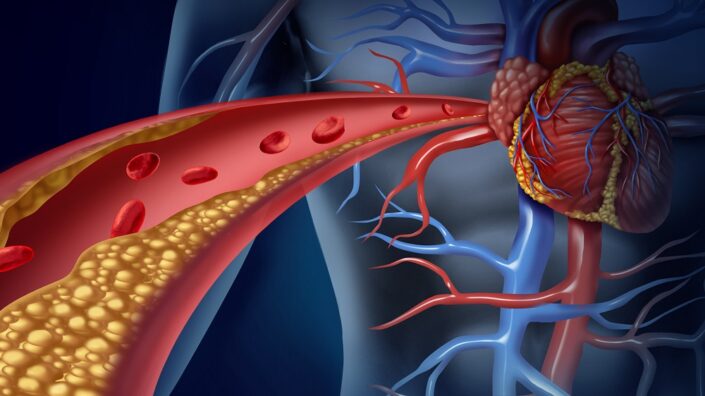
Middle-aged atherosclerosis

The case for earlier prevention

As the authors note, it appears that at a younger age, arteries are actually more vulnerable to pathological changes that eventually lead to atherosclerosis. Commenting on the study’s results, Dr. Fuster said that “screening for subclinical atherosclerosis from an early age together with aggressive risk-factor control could help to reduce the global burden of cardiovascular disease.” This is an ‘I told you so’ moment for geroscience, which advocates for early diagnosis and mitigation of age-related pathologies.

According to cardiologist Guiomar Mendieta, the first author of the study, “the other key finding of this study is that atherosclerosis, previously believed to be irreversible, can disappear if risk factors are controlled from an early stage.” However, more research is needed to identify the factors that causally lead to atherosclerosis regression. Several studies have pointed to the possibility of atherosclerosis regression following long-term lifestyle interventions [4].

Over 6 years, subclinical atherosclerosis progressed in one-third of middle-age asymptomatic subjects. Atherosclerosis regression is possible in early stages of the disease. The impact of LDL-C and SBP on subclinical atherosclerosis progression was more pronounced in younger participants, a finding suggesting that the prevention of atherosclerosis and its progression could be enhanced by tighter risk factor control at younger ages, with a likely long-term impact on reducing the risk of clinical events.

We would like to ask you a small favor. We are a non-profit foundation, and unlike some other organizations, we have no shareholders and no products to sell you. All our news and educational content is free for everyone to read, but it does mean that we rely on the help of people like you. Every contribution, no matter if it’s big or small, supports independent journalism and sustains our future.

Literature

[1] Mendieta, G, Pocock, S, Mass, V. et al. (2023). Determinants of Progression and Regression of Subclinical Atherosclerosis Over 6 Years. J Am Coll Cardiol., 82 (22) 2069–2083.

[2] Frostegård, J. (2013). Immunity, atherosclerosis and cardiovascular disease. BMC medicine, 11(1), 1-13.

[3] Montalescot, G., Collet, J. P., Choussat, R., & Thomas, D. (1998). Fibrinogen as a risk factor for coronary heart disease. European heart journal, 19, H11-7.

[4] Ornish, D., Scherwitz, L. W., Billings, J. H., Gould, K. L., Merritt, T. A., Sparler, S., … & Brand, R. J. (1998). Intensive lifestyle changes for reversal of coronary heart disease. Jama, 280(23), 2001-2007.

Basal cell carcinoma

Skin Collagen Loss Makes It Easier For Cancer To Grow

A new paper published in Nature has described how the aging extracellular matrix makes it easier for cancer to grow.

When cancer is skin deep

Under normal circumstances, we lose and regain skin cells constantly. Old skin flakes away, and stem cells constantly divide and differentiate to replace it. This is a homeostatic balance, and a disruption of this balance has been previously reported to lead to cancer, among other problems [1].

Basal cell carcinoma (BCC), the most common form of cancer in people, is caused by known mutations. Specifically, a loss of function of the Patched1 gene or a gain of function of the Smoothed gene leads to an activation of the Hedgehog pathway, leading to cancer [2]. Researchers have replicated this in mice through the mutant cancer-causing gene (oncogene) SmoM2 [3].

However, the skin is dividing constantly, and even oncogenes aren’t always enough to cause tumors to form. The cancer cells don’t always outcompete their normal counterparts, so some skin can look perfectly normal despite some of the cells being cancerous [4]. Therefore, these researchers looked for reasons why oncogenic cells outcompete normal cells, focusing on the cells’ environment.

One place but not another

In mice, SmoM2 cells form tumors in the tails and ears of mice, but not their backs [3]. To investigate this more closely, the researchers developed a mouse model in which Smo2 expression, along with a color change under fluorescent light, is instigated by tamoxifen. This let them visually observe the growth, or lack thereof, of this cancer under different conditions.

Just like in previous research [5], the SmoM2 cells in the ear were able to self-renew and divide rapidly, first expanding to the sides and then invading other skin layers. In the back, the vertical expansion was considerably diminished, but the horizontal expansion was greater. The stress of the cancer’s growth affected the shape of the normal cells in the ear but not the back. The SmoM2 cells in the back also induced terminal differentiation in the normal cells, a sign that they were being outcompeted.

The cancerous cells in the two areas also showed different levels of gene expression. In the ear, the researchers observed a substantial amount of gene upregulation that dovetails with BCC formation, including an increase in the Hedgehog protein and changes in extracellular matrix-related proteins, but these changes in gene expression did not exist in the back. Similarly, increased inflammation was found only in the ear after SmoM2 cells were introduced. The cancer cells were growing and proliferating, but they were not behaving like cancer.

A question of collagen

The researchers noted only a few proteins that were more abundant in the back than the skin tissue. Two of them were related to collagen formation. Collagen is considerably thicker in the backs than the ears of mice, and their skin is substantially thicker. The researchers surmise that this stiffness is the reason why the cancer cells are unable to form tumors.

These results were bolstered by more in-depth studies. The ear tissue of mice varies in thickness, and SmoM2 was less able to invade the more collagen-dense regions. Similarly, and critically, mice older than 18 months begin to lose collagen thickness in the same way as elderly humans. As expected, SmoM2 cells readily formed BCC in the backs of aged mice. Exposure to ultraviolet radiation, which depletes collagen, was found to have similar effects.

While this was not a human study, and human carcinomas may not always behave the same way as in mice, the researchers note that BCC increases with age in people as well. Further research will need to be done to determine how much collagen thickness affects the growth of this cancer and if collagen-improving treatments can help to prevent it.

We would like to ask you a small favor. We are a non-profit foundation, and unlike some other organizations, we have no shareholders and no products to sell you. All our news and educational content is free for everyone to read, but it does mean that we rely on the help of people like you. Every contribution, no matter if it’s big or small, supports independent journalism and sustains our future.

Literature

[1] Blanpain, C., & Simons, B. D. (2013). Unravelling stem cell dynamics by lineage tracing. Nature reviews Molecular cell biology, 14(8), 489-502.

[2] Epstein, E. H. (2008). Basal cell carcinomas: attack of the hedgehog. Nature Reviews Cancer, 8(10), 743-754.

[3] Youssef, K. K., Van Keymeulen, A., Lapouge, G., Beck, B., Michaux, C., Achouri, Y., … & Blanpain, C. (2010). Identification of the cell lineage at the origin of basal cell carcinoma. Nature cell biology, 12(3), 299-305.

[4] Kakiuchi, N., & Ogawa, S. (2021). Clonal expansion in non-cancer tissues. Nature Reviews Cancer, 21(4), 239-256.

[5] Sánchez-Danés, A., Hannezo, E., Larsimont, J. C., Liagre, M., Youssef, K. K., Simons, B. D., & Blanpain, C. (2016). Defining the clonal dynamics leading to mouse skin tumour initiation. Nature, 536(7616), 298-303.

David Barzilai

An Anonymous Longevity Enthusiast Unmasks Himself

A prolific anonymous poster who became popular in the longevity community has revealed his identity, and other longevity luminaries have chimed in.

The anonym

Anonymity is seldom practiced in the longevity community. Everyone knows everyone, and on social media, most people use their real names rather than cloak themselves behind handles. Of course, for every rule, there’s an exception.

Over a few years, an account on X (formerly Twitter), @agingdoc1, gained popularity in the community while remaining completely anonymous. The mysterious owner proudly displayed their degrees, which included MD and PhD, but not their name. The account posted plenty of  links to studies, old and new, related to aging (sometimes quite loosely), mostly without any commentary. However, when the anonym did choose to comment on a paper, it was usually succinct and insightful.

At some point, most of my Twitter notifications (admittedly, I’m not very active there) were coming from @agingdoc1. I tried to deduce the poster’s location and sleeping hours from their tweeting patterns but failed. Notifications just seemed to keep coming at all times.

There are several great accounts that post geroscience-related papers, but @agingdoc1 became my and many others’ personal favorite. There was something trustworthy about this minimal amount of personal touch on the otherwise impartial background. Even when studies were not top-quality, it did not reflect on the poster, as you assumed they were aware of it, too. If @agingdoc1 posted it, it somehow belonged in the mix. Importantly, @agingdoc1 never clashed with anyone or bashed anyone, never pushed their own opinion, and never promoted stuff. All in all, it was a very agreeable anonymous account.

Somewhat unsurprisingly, it turned out that behind that handle, an equally agreeable human being had been hiding. A couple of weeks ago, the user @agingdoc1 revealed his true identity. His name is David Barzilai, he’s based in Boston, and he’s not connected to the star geroscientist Nir Barzilai. David came out of the shadows with a bang, announcing the launch of a podcast and of a longevity consulting service, so there was a lot for us to talk about when I asked him for a Zoom chat, and he kindly agreed.

Deep passion for everything longevity

First, David is not strictly a geroscientist in the sense of having a basic science lab, but he’s very enthusiastic about this scientific field. He says that his Ph.D. in health services (clinical) research and a strong background in evidence-based medicine offer him a unique perspective for evaluating and contributing to the field. However, he has degrees in abundance, and even calls himself “a degree hoarder.” He’s a practicing dermatologist, although he’s not doing it full time so that he can devote enough attention to his family and his passion, which includes longevity and making a personal impact in other ways.

I’ve always been very interested in my health since I understood that life naturally is finite. That sort of existential dread may have been part of what fueled a lifelong, extraordinarily deep passion. But I also had other things that led me to go into medicine. I’m fascinated by biology. I have a B.S. in cell and developmental biology. My B.A. in health and society is extremely diverse and includes things like community medicine, public health, medical anthropology, philosophy of medicine, medical sociology, history of medicine, and philosophy of health. That’s my background. To summarize, I have two bachelors, two masters, and two doctorates.

In addition to the two bachelor’s degrees and an M.D., David holds an M.Sc. in psychology, an MBA, a Ph.D. in health services research, and a couple of certificates, one of which, abbreviated as DipABLM, means “Diplomat of the American Board of Lifestyle Medicine.” This sparked my interest, and we made a brief detour into what lifestyle medicine is and how it differs from longevity medicine.

It’s a special exam that physicians can take regardless of specialty. As to how it differs from longevity medicine, lifestyle medicine relates to improving one’s health with a high emphasis on prevention through things in your lifestyle. This includes diet, sleep, your exercise, but also your relationships, your stress, your meaning, your circadian rhythm – a truly holistic approach.

Apparently, where longevity medicine turns to rapamycin, lifestyle medicine might choose keeping a healthy weight, staying physically active, pursuing a cleaner diet, getting better sleep, and generally “living healthy.”

The Twitter years

Several years ago, David decided to make the world better by sharing his excursions into longevity research literature.

I started off on Twitter because I was doing all these super-duper deep dives, healthy longevity pursuits for myself, my family, my friends, and I thought to myself, since I invest all that time in those literature searches, wouldn’t it be great to just put it out there for everyone’s benefit? And even if I disagree with some of what I find, this can be a foundation for a mutual discovery conversation. I would not have the time to discuss what I post at length, but I could be part of a larger ecosystem that self-corrects by inviting scientists and science communicators and, hopefully, changing minds and aligning individuals in the process, while also being a resource for geroscientists and longevity enthusiasts.

For me, it’s the adventure. It’s exploring the boundaries of this extremely deep hobby, passion, and, at some level, maybe obsession with learning everything that improves one’s healthspan, happiness, and even growing as a person, finding your one’s calling and life’s meaning. My Twitter activity was born from the healthspan aspect of it. I thought it would let people identify both good studies that are interesting and also bad studies. I’m not commenting much on the articles, except when I really feel it does good.

David is obviously aware of the existence of other accounts that post studies, but according to him, “none of them is as broad”. He lets himself go “off-topic” from time to time. This, he says, reflects his personality, interests, and attempt to make an impact in the lives of his readership. He’s also trying to “foster communication that’s free from all hype, nonsense, self-promotion, influence, etc.” “This can’t be perfect,” he admits, “anyone has their biases, including me. But maybe I can create a safe haven that’s friendly to everybody, where people can actually discuss topics.”

His success on Twitter came as a surprise even to himself.

My first followers were very small in number, but they had a lot of followers themselves. So somehow, even though I was mostly posting publications, I’d make a comment or two that probably made them think, ‘Oh, this guy seems to know what he’s talking about. He’s not just posting things, he’s not just a bot, he’s actually bringing an interesting perspective that I hadn’t considered’.

“I came up with something I thought would be novel in this crowded space,” he says about his ‘hybrid’ approach. “I broke every rule because most people either do listservs or they give their opinions. I don’t give opinions, but then I do a little bit,” he laughs. “I want a place where people can feel safe, no matter what they believe, and maybe they’re more likely to show up there, and maybe their own mind will be changed because they found a place where they can actually speak their mind.”

Like many people in the longevity space, David has a broad and inquisitive mind that often digresses into wider philosophical musings:

It’s also what democracy needs. Individuals to be able to discuss difficult problems, to really link minds and have the right focus, which is the focus on science, data, and treating each other with dignity, kindness, and respect, even while disagreeing. It’s OK to be critical about an analytical point but not saying that your opponent is a bad person or that they are motivated by greed. It’s OK to discuss matters of motivation, but we need to ask ourselves, in a given situation, what is most helpful for true progress? I believe most people are good at heart, and even if, in some situations, they are not, what good does it do to shame and mock people? It’s just not constructive. It ultimately is far more constructive to engage with people in a collegial manner, regardless of whether or not we agree with them, or even how we feel about their character in some instances.

But why stay anonymous for so long? Apparently, it’s not that simple to explain, and much thought went into this:

I thought to myself, who knows, maybe someone on Twitter, for instance, my patients, would recognize me. And I didn’t want them to think that if I’m talking about caloric restriction on Twitter, that’s also my advice to them, that’s what I think they should do. I’m not practicing longevity medicine on them, I’m wearing another hat when I’m on Twitter – this was very important to me.

There were other factors David had to consider. “All my decisions are multifactorial,” he says. “I’m constantly thinking about multiple variables, trying to optimize my behavior. So, that’s my gestalt of it. I decided to remain anonymous because I didn’t have to disclose my identity, and it seemed marginally better than the opposite option.”

“Project 49”

If remaining anonymous was the best thing to do for so long, why did he decide to emerge from the shadows? In part, it was acting on impulse. Usually, seeing the first digit of your age change is what might jolt you out of complacency and cause you to make resolutions you probably won’t keep. But being the thorough and forward-planning person he was, David felt an itch to shake things up when he turned 49.

On that birthday, I said to myself that I wanted to do more. I felt it was selfish for me to sit on my skill set, which is extremely deep, although you can’t tell that from my Twitter posts because of how rarely I comment on them. So, I thought, hey, if I coach and consult in this area, that would be so much fun and a phenomenal opportunity. And even though it came at some cost in terms of privacy, I owed it to myself and others.

This triggered my interest. I have interviewed many people from the budding realm of longevity medicine, but the concept of longevity consulting was new to me.

Basically, David wants to talk to people about longevity, lending them his expansive knowledge in the field, but also his skills as a life coach. It’s a concierge service where David offers Zoom appointments, starting with 10-minute-long introductory chats. These are strictly audio for his primary coaching service. “I’m not keen on video,” he says, “so I priced it so that very few would want to do it, but I would do a great job if somebody wanted video.”

Who would be his clients? Anyone, he says, starting with scientists and biohackers. Scientists might want to dip into his “deep command of literature,” running by him their thoughts and hypotheses. Biohackers might want to consult him on the intricacies of rapamycin regimens or on other potentially geroprotective drugs that can be taken off-label, such as canagliflozin.

A potential client might think: I’m reading this and that about a molecule or a treatment. They might want to bounce by me some things that they read and hear my thoughts, knowing I’m not going to say, ‘you must do this.’ I basically provide some expertise and an intelligent peer to discuss that. After all, this is a passion project for me. I want to emphasize that this coaching and consulting is not delivery of medicine, so no diagnosis or treatment such as medication is rendered. Rather, I support my clients in a collegial relationship with content expertise and as a sounding board on evidence and practices.

According to David, this will never become a big business, it’s just not scalable. And it’s not like David, with his MBA degree, doesn’t know how to turn this into a big business. He’s just not there for the money. It’s more about making a difference, not necessarily on a large scale, and applying his deep knowledge of the field he loves. He doesn’t intend to devote too much time to his practice. “I just thought it would be fun to do this for a few hours a week and exercise this part of me,” he says. Does he have a system? Not really.

Most other specialists have standardized algorithms for the highly defined populations they see. I do have my mental checklist and a strong framework, but all good coaches and consultants listen to the client, they want to know their objectives, personalizing the relationship around those values and needs. So, I try to get a sense of that and build the conversation accordingly. The sky is the limit. We could literally spend the whole time talking about their relationship with their kids or considering switching jobs – or about the finest minutiae of rapamycin in different protocols that have been tried in the literature, as long as we’re both having fun and it’s two intelligent people having an open discussion and deciding together how to spend our time.

In David’s view, various aspects of well-being and happiness come together to create a better and longer life:

On that same webpage, people can also choose the life coach track and I can go back and forth in between. Just to make it clear, I enjoy life coaching. I want every single person to walk out extremely happy.

While David says those who “gravitate towards him” tend to be M.D.s and Ph.D.s, novices are also welcome:

People can come to me with zero knowledge, and what I want to do is responsibly start with the basics for those individuals. With such people, I would start very heavily on low-hanging fruit, such as nutrition. I would try to understand what aspect of their healthspan is most important to them and what tradeoffs they are ready for. It’s just like when constructing a well-balanced portfolio. Everyone’s goals, their time horizon, their abilities are very individualized, just like everyone’s financial situation is different.

I enjoy working with individuals who are not experts in longevity, and just want guidance because it feels like I’m nurturing them, taking care of them, listening, discovering them. I’m very glad to be able to help them take those first steps and move their life in the right direction.

In fact, the average person that I encounter just wants to have a healthy, happy, well-balanced regular life. And that’s what I want for them. Health is a resource, one of many, just like economics and communities. They’re all aspects and facets to a well-balanced life that combines happiness, purpose, and meaning.

It’s also important for David to stay agile and responsive to new data. “I don’t sell products or invest in things that I peddle,” he says. “I want to be able to quickly change my opinions and recommendations whenever the evidence changes.”

A podcast is born

David did not want to abandon Twitter because it was “a way to reach everyone” but decided to spice things up. He launched the Agingdoc Podcast, immediately aiming at two big names in geroscience: Matt Kaeberlein and Aubrey de Grey.  Currently, it contains the first part of David’s interview with de Grey and two parts of his interview with Kaeberlein.

Just like with his Twitter persona, David thinks he’s found a winning combination of qualities for his newborn podcast:

I tried to go deeper into the science, issues, and controversies than introductory podcasts, while having a constructive conversation in a very friendly, mutually respecting way. It’s two intellectuals talking about how we think about this or that. I’m also trying to be very friendly and let the guest articulate their vision. This also relates to an extension of my role on Twitter. What makes it unique, in my view, is that I’m trying to have a place where it’s about intellect, respect, good data, and us being all on the same team. We all want to get healthy. We all want longevity.

If the description sounds a lot like Peter Attia’s podcast The Drive, it might not be a coincidence since David mentions The Drive as “the gold standard.” Others of David’s favorites are Translating Aging by BioAge Labs, Live Longer World by Aastha Jain Simes, and the podcast by VitaDAO, a decentralized geroscience organization and lifespan.io’s long-time ally. One of David’s first appearances after the “uncloaking” was on the popular Eleanor Sheekey’s podcast.

Dr. Kaeberlein was one of the first people in the longevity community to learn about David’s identity:

I first got to know @agingdoc1 as David Barzilai when he asked me if I would be willing to publicly confirm his credentials as an M.D. Ph.D. while keeping his identity private, which I agreed to do. He shared proof of his educational background with me, and I posted on Twitter that I’d confirmed his educational background at his request. During the course of our first conversation, I quickly perceived that David is a genuinely good and honest person who cares deeply for his patients and also has a passion for geroscience. After that, David and I kept in touch by email, and a few months later, he told me he was planning on ‘coming out’ and that he would be starting his own podcast. I happily agreed to be one of the first people he interviewed.

As is apparent from his posts and podcast, David has a breadth and depth of knowledge in the field that is quite impressive. He’s also a critical thinker, which is something I personally value highly, although he’s too nice to express critical opinions publicly very often. This is actually something we’ve talked about quite a bit, and I think still have somewhat different opinions on. I’ve encouraged David to be less hesitant to call out flawed science as such, instead of just presenting it without comment.  He argues that he can do more good as a consistently positive voice. Maybe he’s right. Either way, David Barzilai aka agingdoc1 is a good man, a friend, and a valuable member of our community.

Dr. de Grey, David’s second interlocutor, did not know him before appearing on his podcast, but he’s happy to welcome him to the party: “From the interview, I can say that I’m very pleased that someone who has been following the field for so many years has decided to become a full-fledged member of the community.”

With his eloquence, clout, and passion for science communication, would David consider becoming even more public, sort of an ambassador for the field? He stresses that, although he wants to make a difference, first and foremost, he’s committed to his own and his family’s health, longevity, and happiness. “Do I see myself as a sort of public figure? Sure, to the degree to which I can leverage my earned credibility to deliver hype-free, responsible education.”

Optimism and pessimism

Since David struck me as a thoroughly optimistic person, I wondered whether his optimism, combined with his deep knowledge of the field, extends to the current state of affairs in geroscience.

There are reasons for pessimism and reasons for optimism, and they coexist. I simultaneously marvel about how much insight we have compared to what we used to but also, at the same time, how little we understand. In relative terms, we know so much more compared to what we knew before, we understand things so much better than before. We already have to decentralize the knowledge we’ve acquired because it’s just unfathomable. But the fact that it’s unfathomable for the human mind doesn’t mean it’s not possible with technology.

But there’s room for pessimism, too, from the standpoint of how much progress we’ve made in terms of maximum life extension. We’re slowly learning to stop all the more common things, and then we still all die at about the same time, as everything just peters out. I think this is the hard part: this simultaneous petering out of various systems. This is going to be the hardest thing for us to crack. The maximum we’ve achieved in model organisms is around 60% maximum lifespan extension with caloric restriction, and that’s in a mouse – a model that might be less optimized for aging than we are.

So, we haven’t really come up with anything that’s much better. Rapamycin is doing better than anything else, and it still doesn’t extend lifespan in those model organisms as much as caloric restriction does in some rodent strains. And nobody’s talking about calorically restricting humans or expecting humans to respond the same way.

That didn’t sound optimistic, but then David explained further:

There’s also a part of me that admires how far we’ve come in our fundamental understanding and in our basic tools. Some of these tools, I believe, are game changers – not just will they be game changers, they already are. I see publications coming out now, I see accelerating progress. Those tools are changing the game not directly, but by accelerating the rate of progress, and I mean things like single-cell sequencing, CRISPR, so many more and, importantly, those new much, much more sophisticated AI models.

So, according to David, while we still haven’t solved aging, we have acquired tools so powerful that they might soon drive an exponential increase in our knowledge and abilities.

I thought this was a great capstone for our interview, but David wasn’t done just yet. Spotting something in my tone of voice, he asked if I was feeling okay emotionally. A bit surprised, I said I wasn’t because I had a fight with my best friend the day before. I ended up receiving a bit of advice that was simple but effective. I don’t know whether following it prolonged my lifespan, but it felt good, so it might have.

We would like to ask you a small favor. We are a non-profit foundation, and unlike some other organizations, we have no shareholders and no products to sell you. All our news and educational content is free for everyone to read, but it does mean that we rely on the help of people like you. Every contribution, no matter if it’s big or small, supports independent journalism and sustains our future.
Chromatin

Pushing Forward on Understanding Cellular Decline

Researchers publishing in Nature Aging have investigated one of the core biological reasons behind the decline of stem cells’ ability to proliferate.

Heterochromatin and euchromatin

The genetic component of cells is comprised of two main parts: heterochromatin and euchromatin. Heterochromatin is largely silent, as it is a tightly packed mass that consists primarily of non-coding DNA. Euchromatin, on the other hand, is rich in actively transcribed genes and is considerably less packed.

However, heterochromatin can be methylated and demethylated just like euchromatin can. Age-related changes in methylation, the hallmark of aging known as epigenetic alterations, can happen to heterochromatin as well [1]. The regions to which this happens are known as partially methylated domains (PMDs), and they are associated with the lamina, the protective envelopes around nuclei that preserve genomic stability; laminal dysfunction is the key aspect of the rapid aging known as progeria. Changes to PMDs are associated with aging and cancer [2].

DNA methylation, these researchers explain, is mediated by the DNA methyltransferases (DNMTs), which produce 5mC, which promotes the stability of heterochromatin [3]. On the other hand, the TET family of enzymes oxidize 5mC to produce 5hmC, which is associated with the accessibility of euchromatin. The balance between DMNTs and TETs in regulating both forms of chromatin has not been fully explained [4].

Removing TET appears to help stem cells

These researchers used a mouse model that did not produce TET enzymes. The primary focus of this study was on hematopoietic stem and progenitor cells (HSPCs), which are responsible for creating blood. As expected, in 18- to 24-month-old wild-type mice, HSPCs were less able to divide and proliferate than in their young counterparts. The researchers state that “Tet2 depletion in HSPCs effectively rescued this age-related functional decline”.

Similarly, when cells from TET-knockout and wild-type mice were given to mice that had their natural cells’ proliferation destroyed by radiation, HSPCs from the TET-knockout mice proliferated far more readily. The stem cells of older wild-type mice spend more time in a non-dividing state, but this effect of aging was less pronounced in the TET-knockout mice. While rapid proliferation is often associated with cancer, the researchers found no evidence of these cells becoming cancerous.

There were also considerably fewer changes to gene expression. Wild-type mice have upregulated immune response and downregulated blood creation (hematopoiesis) as they age, but these effects of aging were also substantially blunted in TET-knockout mice.

A closer examination of the chromatin revealed interesting findings. Many epigenetic alterations were the same between the wild-type and TET-knockout groups. However, in the heterochromatin, 5hmC was substantially upregulated in older mice; the TET-knockout group, without the primary enzyme responsible for 5hmC, did not have this level of upregulation with age. The non-coding region has real effects after all.

Old viral DNA is expressed with age

Endogenous retroviruses (ERVs) are fragments of old viral DNA that have remained in the genome for millions of years. Normally, these genes are seldom expressed. However, as age-related changes to the location of heterochromatin occur, these genes become expressed more often, causing inflammation within cells. The HSPCs of TET-knockout mice did not have as many age-related location disturbances nor as much age-related upregulation of ERVs, and therefore they had less upregulation of inflammatory genes as well.

While this paper is very in-depth, and it certainly does not recommend TET knockout as a solution to human aging, it is clear that such complexities of biology need to be addressed if we are to get a handle on why our cells lose their fundamental abilities with age. Further work in this area may lead to better understanding and solutions to the problems of epigenetic alterations and genomic instability.

We would like to ask you a small favor. We are a non-profit foundation, and unlike some other organizations, we have no shareholders and no products to sell you. All our news and educational content is free for everyone to read, but it does mean that we rely on the help of people like you. Every contribution, no matter if it’s big or small, supports independent journalism and sustains our future.

Literature

[1] Hernando-Herraez, I., Evano, B., Stubbs, T., Commere, P. H., Jan Bonder, M., Clark, S., … & Reik, W. (2019). Ageing affects DNA methylation drift and transcriptional cell-to-cell variability in mouse muscle stem cells. Nature communications, 10(1), 4361.

[2] Brinkman, A. B., Nik-Zainal, S., Simmer, F., Rodríguez-González, F. G., Smid, M., Alexandrov, L. B., … & Stunnenberg, H. G. (2019). Partially methylated domains are hypervariable in breast cancer and fuel widespread CpG island hypermethylation. Nature communications, 10(1), 1749.

[3] Richards, E. J., & Elgin, S. C. (2002). Epigenetic codes for heterochromatin formation and silencing: rounding up the usual suspects. Cell, 108(4), 489-500.

[4] López-Moyado, I. F., Tsagaratou, A., Yuita, H., Seo, H., Delatte, B., Heinz, S., … & Rao, A. (2019). Paradoxical association of TET loss of function with genome-wide DNA hypomethylation. Proceedings of the National Academy of Sciences, 116(34), 16933-16942.