




Using an Endemic Virus as a Gene Therapy for Life Extension
In a study printed in PNAS, researchers have shown that telomerase reverse transcriptase (TERT) can be given to cells in living mice through a viral vector, taking the idea of

Walking Pace Correlated with Increased Telomere Length
Publishing in Nature Communications, Dr. Tom Yate, Dr. Neliesh J. Samani, and colleagues used data from approximately 400,000 people in the UK Biobank in order to examine the relationship between

Drug Cocktail Delays Aging in Mice
Scientists have shown that a combination of rapamycin, acarbose, and phenylbutyrate has a synergetic rejuvenation effect when administered to 20-month-old mice for three months [1]. Fighting on multiple fronts In

NMN Boosts Effectiveness of Immunotherapy in Mice
In a pre-print paper, scientists have shown that treatment with NMN increases the survival and anti-cancer efficacy of CAR-T cells [1]. The problem with immunotherapy T cells are a central

The Gut Microbiome Affects the Brain, Eyes, and Gut in Mice
Publishing in Microbiome, a team of researchers has ascertained multiple physical effects of aging gut flora in mice. Antibiotics and fecal transfers The researchers used three groups of mice: young

Cannabidiol Increases Lifespan and Healthspan in Worms
Scientists have shown that an active ingredient of cannabis significantly upregulates autophagy, extending both lifespan and healthspan in C. elegans nematode worms. Two of the most well-known components of marijuana

Why The Skin of Naked Mole Rats Ages Slowly
A study published in Aging has shown that the skin of the naked mole rat retains nearly all of its physical and biochemical properties as these animals chronologically age, providing

Longevity in Centenarians Linked to Lower Ribosomal Activity
Scientists have discovered a possible mechanism that protects extremely long-lived people from aging [1]. Protected persons A few days ago, news came of the death of the oldest person in
Senescent Cells Slow Bone Healing
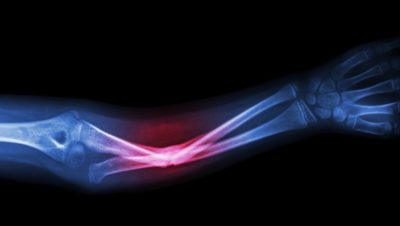
A study published in the Journal of Clinical Investigation has reported that senescent cells are largely responsible for slow bone healing in aged animals and that senolytics, which remove these

Cellular Reprogramming Boosts Liver Regeneration in Mice
Scientists have shown that partial cellular reprogramming can significantly increase the already impressive regenerative capacity of the liver and protect this crucial organ from a potentially lethal injury [1]. Why

Synergy Between Stem Cell Rejuvenation and Senolytics
In a preprint published in bioRxiv, a team of Singaporean researchers, including Jan Gruber, has found that a combination of stem cell rejuvenation and senescent cell removal is synergistically more

An Epigenetic Clock for Brain Age and Alzheimer’s Disease
The risk of Alzheimer’s disease goes up with age, and the number of people living with Alzheimer’s is growing. While it is known to be associated with the loss of

Early Life Rapamycin Treatment Effective in Flies and Mice
In a preprint paper, scientists have shown that treating drosophila flies and mice with rapamycin for a relatively brief period in early life mostly recapitulates the effects of a lifelong

A Genetic Analysis of Chronic Inflammation
Nature Communications has recently published a paper discussing the genetic sources of C-reactive protein, a well-known biomarker of chronic inflammation. An extremely broad study with a wide variety of genes

Plastic Nanoparticles in Cellular Senescence and Dysfunction
Scientists have found that exposure to plastic nanoparticles drives cellular senescence and dysfunction in endothelial cells taken from a pig’s coronary artery [1]. A widespread pollutant Plastic has changed the

Using an Endemic Virus as a Gene Therapy for Life Extension
In a study printed in PNAS, researchers have shown that telomerase reverse transcriptase (TERT) can be given to cells in living mice through a viral vector, taking the idea of life-extending gene therapies from science fiction to reality. Why a cytomegalovirus? The human cytomegalovirus (CMV) is

Walking Pace Correlated with Increased Telomere Length
Publishing in Nature Communications, Dr. Tom Yate, Dr. Neliesh J. Samani, and colleagues used data from approximately 400,000 people in the UK Biobank in order to examine the relationship between walking pace and telomere length. Previous evidence suggests that increased physical activity and cardiorespiratory fitness is

Drug Cocktail Delays Aging in Mice
Scientists have shown that a combination of rapamycin, acarbose, and phenylbutyrate has a synergetic rejuvenation effect when administered to 20-month-old mice for three months [1]. Fighting on multiple fronts In this paper, the authors argue that to tackle such a multifaced process as aging, it might

NMN Boosts Effectiveness of Immunotherapy in Mice
In a pre-print paper, scientists have shown that treatment with NMN increases the survival and anti-cancer efficacy of CAR-T cells [1]. The problem with immunotherapy T cells are a central element of the adaptive immune system, and some of them can be cytotoxic: they have the

The Gut Microbiome Affects the Brain, Eyes, and Gut in Mice
Publishing in Microbiome, a team of researchers has ascertained multiple physical effects of aging gut flora in mice. Antibiotics and fecal transfers The researchers used three groups of mice: young (3 months), old (18 months), and aged (24 months). Young and old groups were divided into

Cannabidiol Increases Lifespan and Healthspan in Worms
Scientists have shown that an active ingredient of cannabis significantly upregulates autophagy, extending both lifespan and healthspan in C. elegans nematode worms. Two of the most well-known components of marijuana are tetrahydrocannabinol (THC) and cannabidiol (CBD). They have the same atomic composition, but differ in structure

Why The Skin of Naked Mole Rats Ages Slowly
A study published in Aging has shown that the skin of the naked mole rat retains nearly all of its physical and biochemical properties as these animals chronologically age, providing new insight into how and why these animals live so long. Wrinkly, but not like humans

Longevity in Centenarians Linked to Lower Ribosomal Activity
Scientists have discovered a possible mechanism that protects extremely long-lived people from aging [1]. Protected persons A few days ago, news came of the death of the oldest person in the world (and the oldest ever to have her age indisputably confirmed), 119-year-old Kane Tanaka from

Senescent Cells Slow Bone Healing
A study published in the Journal of Clinical Investigation has reported that senescent cells are largely responsible for slow bone healing in aged animals and that senolytics, which remove these harmful cells, can speed bone regeneration. A brief outline of bone healing The researchers begin their

Cellular Reprogramming Boosts Liver Regeneration in Mice
Scientists have shown that partial cellular reprogramming can significantly increase the already impressive regenerative capacity of the liver and protect this crucial organ from a potentially lethal injury [1]. Why can’t we regrow limbs? Cellular reprogramming induces de-differentiation of somatic cells back into pluripotent stem cells:

Synergy Between Stem Cell Rejuvenation and Senolytics
In a preprint published in bioRxiv, a team of Singaporean researchers, including Jan Gruber, has found that a combination of stem cell rejuvenation and senescent cell removal is synergistically more effective than either alone. Different but related aspects of aging The researchers begin this paper by

An Epigenetic Clock for Brain Age and Alzheimer’s Disease
The risk of Alzheimer’s disease goes up with age, and the number of people living with Alzheimer’s is growing. While it is known to be associated with the loss of proteostasis, it has also been found to be associated with epigenetic alterations. An advanced online preprint

Early Life Rapamycin Treatment Effective in Flies and Mice
In a preprint paper, scientists have shown that treating drosophila flies and mice with rapamycin for a relatively brief period in early life mostly recapitulates the effects of a lifelong treatment, including lifespan extension in flies [1]. Rapamycin is considered one of the most promising geroprotective

A Genetic Analysis of Chronic Inflammation
Nature Communications has recently published a paper discussing the genetic sources of C-reactive protein, a well-known biomarker of chronic inflammation. An extremely broad study with a wide variety of genes Pulling genomic data from 427,367 participants in the UK Biobank and 148,164 people from the Cohorts

Plastic Nanoparticles in Cellular Senescence and Dysfunction
Scientists have found that exposure to plastic nanoparticles drives cellular senescence and dysfunction in endothelial cells taken from a pig’s coronary artery [1]. A widespread pollutant Plastic has changed the face of civilization, but the convenience of plastic comes at a price – mostly in terms