




Creatine Protects Lean Mass Even Without Exercise
According to a new study, creatine supplementation might help maintain and increase lean mass even without diet or exercise. It also enhanced the effects of a combined diet and exercise

Short, Intense Exercise Elicits Beneficial Metabolic Changes
A new study compared high-intensity sprint-interval exercise with moderate-intensity exercise. The former produced larger changes in circulating protein and metabolite levels than the latter and stimulated proteins associated with cardiometabolic
Regular Training Erases Parts of Muscle Aging Signature
A new study suggests that regular planned exercise, not just being generally active, protects against certain aspects of muscle aging [1]. Are trained muscles younger? With age, skeletal muscles lose

Optimizing Guidelines Toward Optimal Health Outcomes
In a recently published perspective paper, the author argues that the UK’s official health guidelines on physical activity and protein intake should be revised to recommend levels necessary to achieve

Creatine Shows Synergy With Exercise in Older Adults
In a new study, the popular supplement creatine seemed to add to some of the beneficial effects of power training [1]. Trying the combination in older people Exercise might be

Rapamycin Might Blunt Exercise Response in Humans
According to a new study, rapamycin probably interferes with exercise, blunting its effects in older human subjects. This result, however, might be specific to the particular protocol. Can they work

Resistance Exercise Training Slows Down Brain Aging
Using brain clock models that analyzed MRI images of the brains of elderly people who underwent one year of resistance training, researchers concluded that both heavy and moderate resistance training

Weight Training Load Doesn’t Affect Muscle Mass or Strength
A new study suggests that, if sets are taken close to failure, the amount of weight on the bar does not determine muscle growth. However, individual differences in muscle-building ability
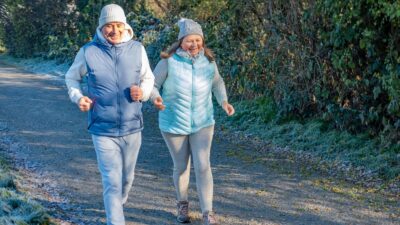
Exercise Variety Is Associated With Lower Mortality Risk
A new study links exercise variety, defined as regularly engaging in several types of physical activity, to significantly lower all-cause mortality. Exercise amount matters as well, but the effect plateaus
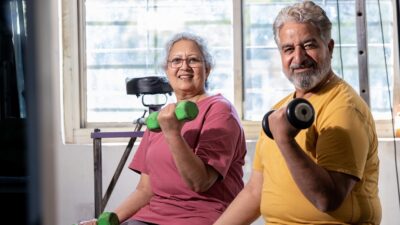
Men Might Need More Exercise to Lower Cardiovascular Risks
A new observational study suggests that men need more than twice as much exercise as women do to achieve the same level of reduction in the risk of cardiovascular heart

Sam Sharifi on Fixing Our DNA
Among the hallmarks of aging, DNA damage is both one of the most important and one of the hardest to crack. A couple of years ago, when I first learned

Exercise Suppresses Appetite via a Brain Pathway
Scientists have discovered a pathway behind the known effect of exercise suppressing appetite: a lactate-related metabolite that acts directly on certain neurons. Not just more calories burned It has been

Moving to a More Walkable City Increases Step Count
Working with data from a smartphone app, scientists have shown for the first time that relocating to a more walkable city is linked to increased daily step counts [1]. Most

7,000 Steps a Day Are Enough for Most Benefits
A massive new meta-analysis confirms that 10,000 daily steps are not required for most of the health benefits of walking. Around 7,000 seems to be the sweet spot [1]. A

Lower Rates of Epigenetic Aging in Olympic Champions
A recent investigation into Hungarian Olympic champions suggests slower epigenetic aging and differences in gene methylation patterns between champions and non-champions [1]. Exercising your way to longevity Exercise seems to

Creatine Protects Lean Mass Even Without Exercise
According to a new study, creatine supplementation might help maintain and increase lean mass even without diet or exercise. It also enhanced the effects of a combined diet and exercise intervention [1]. How to lose weight but not muscle As people age, they often accumulate fat

Short, Intense Exercise Elicits Beneficial Metabolic Changes
A new study compared high-intensity sprint-interval exercise with moderate-intensity exercise. The former produced larger changes in circulating protein and metabolite levels than the latter and stimulated proteins associated with cardiometabolic health benefits [1]. Short and intense vs. long and moderate Exercise is a well-known lifestyle factor
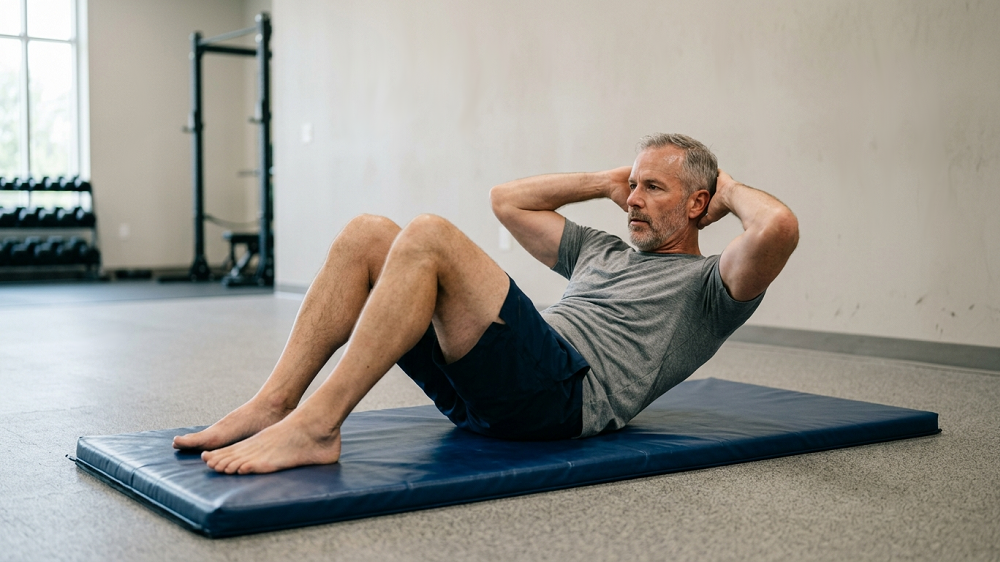
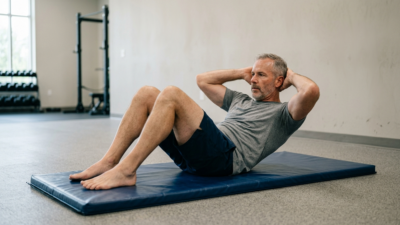
Regular Training Erases Parts of Muscle Aging Signature
A new study suggests that regular planned exercise, not just being generally active, protects against certain aspects of muscle aging [1]. Are trained muscles younger? With age, skeletal muscles lose strength, metabolic flexibility, and mitochondrial capacity. While regular exercise slows many aspects of functional aging [2],

Optimizing Guidelines Toward Optimal Health Outcomes
In a recently published perspective paper, the author argues that the UK’s official health guidelines on physical activity and protein intake should be revised to recommend levels necessary to achieve optimal health, rather than the bare minimum currently recommended [1]. From bare minimum to optimizing for

Creatine Shows Synergy With Exercise in Older Adults
In a new study, the popular supplement creatine seemed to add to some of the beneficial effects of power training [1]. Trying the combination in older people Exercise might be the most potent anti-aging intervention known to humans, but with age, building strength and muscle mass

Rapamycin Might Blunt Exercise Response in Humans
According to a new study, rapamycin probably interferes with exercise, blunting its effects in older human subjects. This result, however, might be specific to the particular protocol. Can they work together? Physical activity is one of the most potent pro-longevity interventions currently available [2]. Rapamycin is
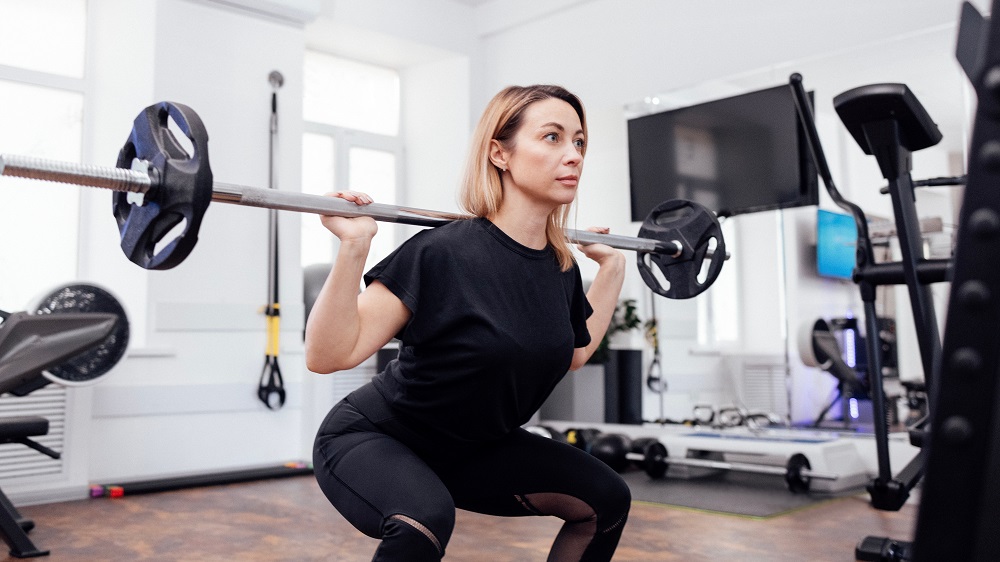
Resistance Exercise Training Slows Down Brain Aging
Using brain clock models that analyzed MRI images of the brains of elderly people who underwent one year of resistance training, researchers concluded that both heavy and moderate resistance training slow brain aging [1]. The broad benefits Exercise has been linked to many benefits, such as

Weight Training Load Doesn’t Affect Muscle Mass or Strength
A new study suggests that, if sets are taken close to failure, the amount of weight on the bar does not determine muscle growth. However, individual differences in muscle-building ability appear to be real [1]. How should we train? Muscle mass and strength are among the
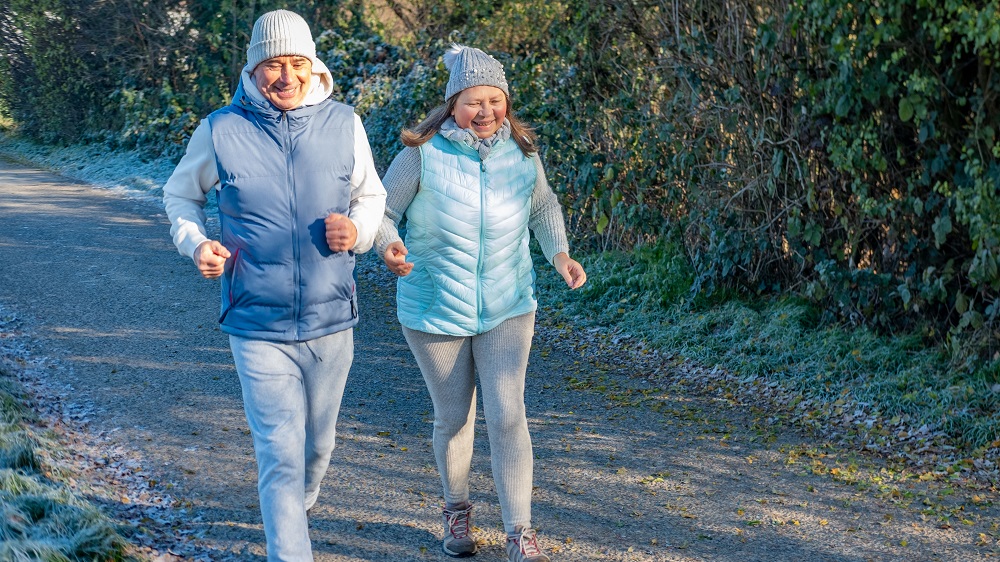
Exercise Variety Is Associated With Lower Mortality Risk
A new study links exercise variety, defined as regularly engaging in several types of physical activity, to significantly lower all-cause mortality. Exercise amount matters as well, but the effect plateaus quickly [1]. How exactly is it good for you? “Exercise is good for you” is a
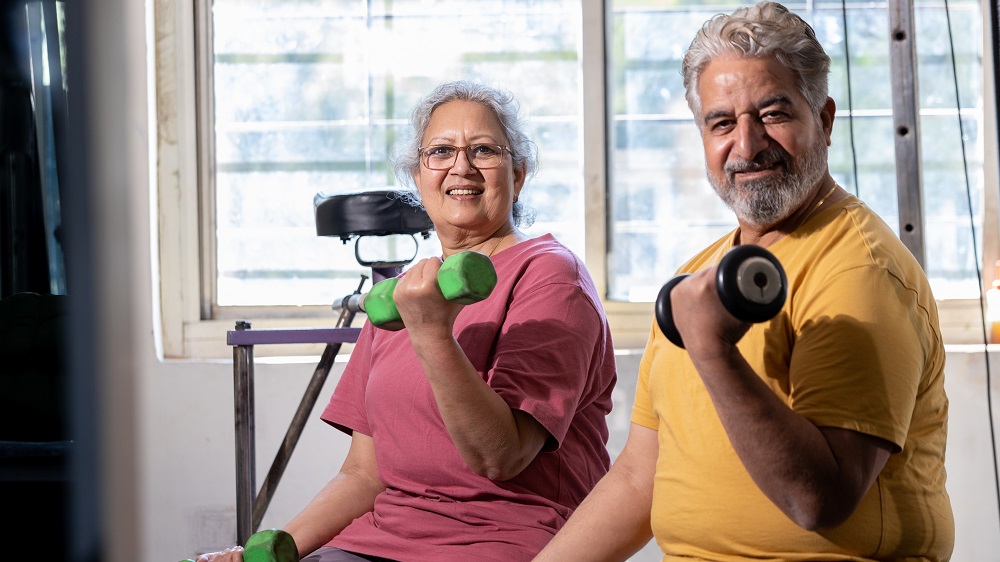
Men Might Need More Exercise to Lower Cardiovascular Risks
A new observational study suggests that men need more than twice as much exercise as women do to achieve the same level of reduction in the risk of cardiovascular heart disease [1]. Understanding sex differences In recent years, scientists have questioned how much exercise is needed

Sam Sharifi on Fixing Our DNA
Among the hallmarks of aging, DNA damage is both one of the most important and one of the hardest to crack. A couple of years ago, when I first learned about Matter Bioworks at a prominent longevity conference, I was amazed at the audacity of the

Exercise Suppresses Appetite via a Brain Pathway
Scientists have discovered a pathway behind the known effect of exercise suppressing appetite: a lactate-related metabolite that acts directly on certain neurons. Not just more calories burned It has been long known that, somewhat counterintuitively, exercise transiently suppresses appetite. Scientists suspect that this contributes to exercise-related

Moving to a More Walkable City Increases Step Count
Working with data from a smartphone app, scientists have shown for the first time that relocating to a more walkable city is linked to increased daily step counts [1]. Most of the increase consists of moderate-to-vigorous physical activity (MVPA), which is particularly healthy. A natural experiment

7,000 Steps a Day Are Enough for Most Benefits
A massive new meta-analysis confirms that 10,000 daily steps are not required for most of the health benefits of walking. Around 7,000 seems to be the sweet spot [1]. A step in the right direction “10,000 steps a day” is some of the most frequently heard

Lower Rates of Epigenetic Aging in Olympic Champions
A recent investigation into Hungarian Olympic champions suggests slower epigenetic aging and differences in gene methylation patterns between champions and non-champions [1]. Exercising your way to longevity Exercise seems to be the best lifestyle factor to slow aging and alleviates many aging-associated diseases and molecular changes.