





Epigenetic Clocks Do Not Perfectly Capture Metabolic Health
In Aging Cell, researchers have published their surprising findings that epigenetic clocks are not significantly related to most measurements of metabolic health after weight loss interventions. The utility of clocks
A Core Senescence Biomarker Fights Inflammation
Researchers publishing in Nature Communications have found that p53, a biomarker and inducer of senescence, suppresses both inflammation and DNA damage in senescent cells. Senescence against cancer One of the
Using a Surface Biomarker to Target Senescent Cells
Scientists have identified a senescence-associated surface protein that can be targeted using antibodies [1]. This discovery might help distinguish between beneficial and harmful senescent cells and could speed up the development

Intermittent Fasting Induces Changes in Multiple Biomarkers
A study published in Human Nutrition & Metabolism found that prolonged intermittent fasting causes the expression of genes involved in autophagy, the inflammasome, and senescence to change [1]. Fasting your

Some Medications Associated with Improved Aging Biomarkers
The authors of a recent study published in Aging Cell tested 21 groups of medication used by the elderly and reported that some of them impact aging biomarkers [1]. Repurposing

Running Is Associated With Better Health Biomarkers
In a recent publication in PLOS One, researchers have described the metabolic effects on running in generally healthy people. A lack of activity is a known risk factor This paper
Blood Biomarkers as Predictors of Longevity
A recent study’s authors investigated whether biomarkers measured earlier in life can predict if someone will live to their 100th birthday [1]. 35-year-long centenarian study Previous research has found that

Biomarkers of Aging for Facilitating Future Research
The Biomarkers of Aging Consortium, an initiative uniting about 200 geroscientists around the goal to inform and guide the use of biomarkers of aging, has put out its first paper

A Gene Behind a Key Senescence Biomarker
A paper published in GeroScience has described a gene responsible for a key biomarker of cellular senescence. A widely used biomarker Senescence-associated beta-galactosidase (SA-ß-gal) is the most widely used and

Biomarker Study Returns Surprising Results
Researchers publishing in Biogerontology have tested multiple biomarkers in an effort to use them as proxies for aging, and some of their findings were surprising. A simple study with direct

Inflammation as a Biomarker of Mortality
In a paper published in Geroscience, researchers have developed a metric of systemic inflammation and used it to estimate mortality, finding that it performs better than epigenetic clocks. Evaluating a

Certain Medications Appear to Improve Aging Biomarkers
A twin study published in GeroScience has yielded results suggesting that calcium channel blockers, drugs that are commonly used to treat hypertension and other diseases, slow down epigenetic aging and

Uncovering a Predictive Biomarker for Alzheimer’s
Researchers publishing in Alzheimer’s and Dementia have published a correlation between the Alzheimer’s-linked protein tau and another protein, bisecting N-acetylglucosamine (GlcNAc), which suggests its usefulness as a biomarker. The need

Bryan Johnson And His Race Against Time
Bryan Johnson is an enigma in the longevity space, someone who is difficult to place in a familiar category or determine the net impact of. Johnson is a successful tech
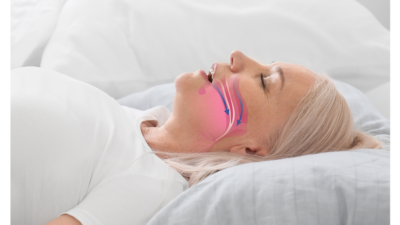
Sleep Apnea and Inflammatory Biomarkers of Tooth Decay
A study published in Heliyon has explained a relationship between sleep apnea and an increase of inflammatory factors in the mouth that are connected to the gum disease peridontitis. Connected

Epigenetic Clocks Do Not Perfectly Capture Metabolic Health
In Aging Cell, researchers have published their surprising findings that epigenetic clocks are not significantly related to most measurements of metabolic health after weight loss interventions. The utility of clocks These researchers begin by discussing epigenetic clocks and how much the measured alterations in gene expression
A Core Senescence Biomarker Fights Inflammation
Researchers publishing in Nature Communications have found that p53, a biomarker and inducer of senescence, suppresses both inflammation and DNA damage in senescent cells. Senescence against cancer One of the main reasons why cells become senescent is to prevent cancer. The senescence-inducing compound p53, in particular,

Using a Surface Biomarker to Target Senescent Cells
Scientists have identified a senescence-associated surface protein that can be targeted using antibodies [1]. This discovery might help distinguish between beneficial and harmful senescent cells and could speed up the development of senolytic therapies. This work was done by the Lifespan Research Institute, which was formed last

Intermittent Fasting Induces Changes in Multiple Biomarkers
A study published in Human Nutrition & Metabolism found that prolonged intermittent fasting causes the expression of genes involved in autophagy, the inflammasome, and senescence to change [1]. Fasting your way to better health and longevity? Previous research has linked fasting to delaying the onset of

Some Medications Associated with Improved Aging Biomarkers
The authors of a recent study published in Aging Cell tested 21 groups of medication used by the elderly and reported that some of them impact aging biomarkers [1]. Repurposing existing drugs to fight aging The search for drugs that slow aging includes finding new compounds

Running Is Associated With Better Health Biomarkers
In a recent publication in PLOS One, researchers have described the metabolic effects on running in generally healthy people. A lack of activity is a known risk factor This paper begins with warnings against sedentary behavior, citing one study reporting that it is responsible for approximately
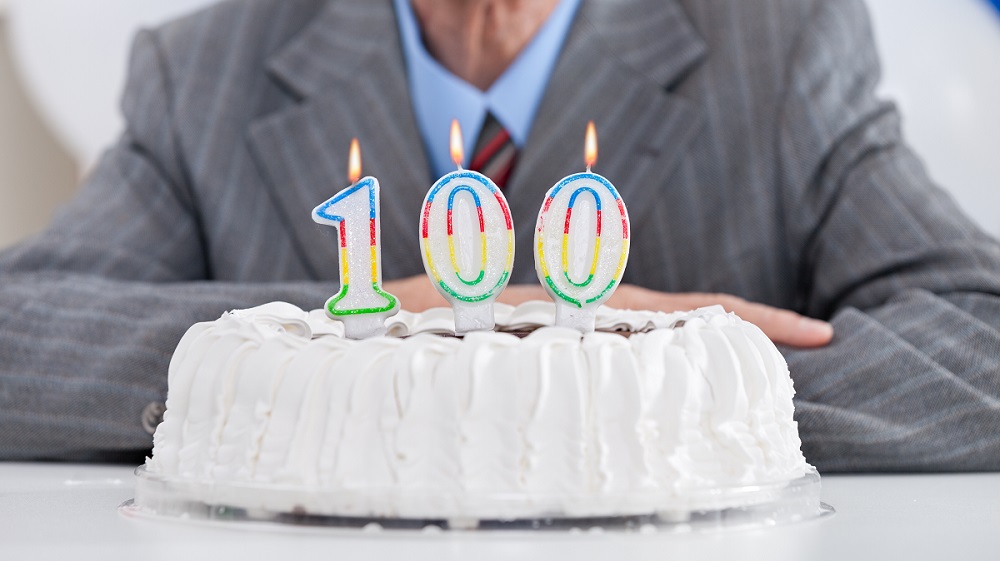
Blood Biomarkers as Predictors of Longevity
A recent study’s authors investigated whether biomarkers measured earlier in life can predict if someone will live to their 100th birthday [1]. 35-year-long centenarian study Previous research has found that people who become centenarians have fewer disabilities, comorbidities, and hospitalizations earlier in life. They are also

Biomarkers of Aging for Facilitating Future Research
The Biomarkers of Aging Consortium, an initiative uniting about 200 geroscientists around the goal to inform and guide the use of biomarkers of aging, has put out its first paper [1]. The need for biomarkers Since studies with lifespan as their endpoint can take a prohibitively

A Gene Behind a Key Senescence Biomarker
A paper published in GeroScience has described a gene responsible for a key biomarker of cellular senescence. A widely used biomarker Senescence-associated beta-galactosidase (SA-ß-gal) is the most widely used and most definitive biomarker of cellular senescence [1]. However, unlike other senescence-related biomarkers, such as p21 [2],

Biomarker Study Returns Surprising Results
Researchers publishing in Biogerontology have tested multiple biomarkers in an effort to use them as proxies for aging, and some of their findings were surprising. A simple study with direct measurements Unlike other association studies that are used to evaluate biomarkers of aging, this study did

Inflammation as a Biomarker of Mortality
In a paper published in Geroscience, researchers have developed a metric of systemic inflammation and used it to estimate mortality, finding that it performs better than epigenetic clocks. Evaluating a danger This paper begins with familiar discussions about inflammaging and epigenetic clocks, tools that use DNA

Certain Medications Appear to Improve Aging Biomarkers
A twin study published in GeroScience has yielded results suggesting that calcium channel blockers, drugs that are commonly used to treat hypertension and other diseases, slow down epigenetic aging and may lengthen healthy lifespan. A wide field The researchers begin this paper by noting that over

Uncovering a Predictive Biomarker for Alzheimer’s
Researchers publishing in Alzheimer’s and Dementia have published a correlation between the Alzheimer’s-linked protein tau and another protein, bisecting N-acetylglucosamine (GlcNAc), which suggests its usefulness as a biomarker. The need for early prediction This paper begins with a note that to be effective, Alzheimer’s treatment must

Bryan Johnson And His Race Against Time
Bryan Johnson is an enigma in the longevity space, someone who is difficult to place in a familiar category or determine the net impact of. Johnson is a successful tech entrepreneur of humble origins who sold his company Braintree Venmo to PayPal in 2013 for 800

Sleep Apnea and Inflammatory Biomarkers of Tooth Decay
A study published in Heliyon has explained a relationship between sleep apnea and an increase of inflammatory factors in the mouth that are connected to the gum disease peridontitis. Connected dangers This paper begins with a discussion of peridontitis, which is caused by infection with anaerobic