




Using CRISPR to Remove Mutated DNA to Defeat Cancer
Researchers have successfully used the CRISPR/Cas9 gene editing tool to destroy Ewing’s sarcoma and chronic myeloid leukemia tumor cells by targeting the fusion genes responsible for these tumors [1]. Fusion

Insilico Partners with Taisho for Senolytic Drug Discovery
Insilico Medicine has announced a historic deal with the Taisho Pharmaceutical Company, which is based in Japan, in a partnership to identify and develop new senolytic drugs. The companies have

Uncovering the Origin of the SASP
A new study published in Nature shows a strong link between the protein G3BP1 and the SASP, a harmful byproduct of senescent cells.

Fatty Tissue Generated on a Chip
Recent research published in the scientific journal Lab on a Chip sheds light on the behavior of adipocytes, the primary cells of our fat tissue.
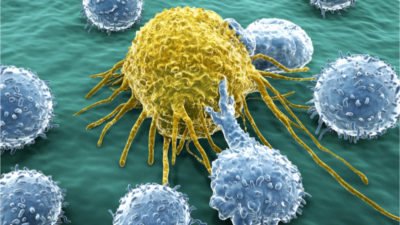
T Cell Progenitors Boost Stem Cell Therapy Effectiveness
In a review paper, a group of scientists highlight a new strategy that addresses the shortcomings of stem cell therapy by adding T cell progenitors to the graft [1]. HSCT

A New Senolytic Enters Human Trials
Unity Biotechnology has recently announced the launch of its Phase 1 study of UBX1325 for patients with diabetic macular edema. The drug is designed to remove problematic senescent cells from

Regenerating Skin With a Single Protein
Researchers have identified a factor present in the skin of baby mice that controls the formation of hair follicles during their early development. The factor is turned off in adult

Creating Anti-Glucosepane Antibodies
New research takes us a step close to finding ways to remove the advanced glycation end-product known as glucosepane, a likely reason why our arteries stiffen as we age. A

Senescent Cells Have Less SIRT1 as a Result of Autophagy
Genes in the sirtuin family are conserved across a wide range of species and are involved in cellular metabolism, immune response, and aging. SIRT1 is known to decline during aging,

A New Atlas of Dental Cells
A recent study published in Nature Communications has outlined an atlas for the various differentiated and stem cell populations found in our teeth.

Medin Aggregates Cause Cerebrovascular Dysfunction in Mice
A new study conducted by researchers from Germany and the UK has shown that accumulation of medin, an amyloid of the protein MFG-E8, leads to cerebrovascular (brain blood vessel) disease

Spheroids Promote Vascularization in Tissue Regeneration
New results published in the journal Biofabrication may help researchers on their quest to regenerate vascularized tissues.

Nanoparticles with Self-Replicating RNA Stop Cancer in Mice
A group of researchers have devised an effective anti-cancer therapy by loading cytokine-coding RNA fragments into lipid nanoparticles and injecting them directly into the tumor [1]. Anti-cancer immunotherapy is a

Plant Flavonoid Naringenin Is a Senotherapeutic
Researchers have published a new animal study showing that the plant flavonoid naringenin may be useful in targeting problematic senescent cells in the brain. Ribes meyeri (also known as Ribes

Mitochondrial Mutations Associated with Fertility Decline
According to new research, mutations accumulate in the mitochondrial DNA of egg cells, leading to changes in cellular metabolism, which result in reduced fertility. The study also showed that Nicotinamide

Using CRISPR to Remove Mutated DNA to Defeat Cancer
Researchers have successfully used the CRISPR/Cas9 gene editing tool to destroy Ewing’s sarcoma and chronic myeloid leukemia tumor cells by targeting the fusion genes responsible for these tumors [1]. Fusion genes, a feature in many different types of cancer, arise when a mutation fuses two genes

Insilico Partners with Taisho for Senolytic Drug Discovery
Insilico Medicine has announced a historic deal with the Taisho Pharmaceutical Company, which is based in Japan, in a partnership to identify and develop new senolytic drugs. The companies have agreed to collaborate on AI-powered drug discovery focused on identifying molecules to remove problematic senescent cells.

Uncovering the Origin of the SASP
A new study published in Nature shows a strong link between the protein G3BP1 and the SASP, a harmful byproduct of senescent cells.

Fatty Tissue Generated on a Chip
Recent research published in the scientific journal Lab on a Chip sheds light on the behavior of adipocytes, the primary cells of our fat tissue.

T Cell Progenitors Boost Stem Cell Therapy Effectiveness
In a review paper, a group of scientists highlight a new strategy that addresses the shortcomings of stem cell therapy by adding T cell progenitors to the graft [1]. HSCT has a problem Today, one of the few ways to alleviate immune system damage from chemotherapy

A New Senolytic Enters Human Trials
Unity Biotechnology has recently announced the launch of its Phase 1 study of UBX1325 for patients with diabetic macular edema. The drug is designed to remove problematic senescent cells from the body which accumulate as we get older and are a reason we age. UBX1325 is

Regenerating Skin With a Single Protein
Researchers have identified a factor present in the skin of baby mice that controls the formation of hair follicles during their early development. The factor is turned off in adult mice, but when it is turned back on, it allows them to regenerate their skin following

Creating Anti-Glucosepane Antibodies
New research takes us a step close to finding ways to remove the advanced glycation end-product known as glucosepane, a likely reason why our arteries stiffen as we age. A possible solution to the problem Some years ago, Aubrey de Grey from the SENS Research Foundation

Senescent Cells Have Less SIRT1 as a Result of Autophagy
Genes in the sirtuin family are conserved across a wide range of species and are involved in cellular metabolism, immune response, and aging. SIRT1 is known to decline during aging, but the mechanisms involved in this process were not known. Now, an international team has clarified

A New Atlas of Dental Cells
A recent study published in Nature Communications has outlined an atlas for the various differentiated and stem cell populations found in our teeth.

Medin Aggregates Cause Cerebrovascular Dysfunction in Mice
A new study conducted by researchers from Germany and the UK has shown that accumulation of medin, an amyloid of the protein MFG-E8, leads to cerebrovascular (brain blood vessel) disease in wild-type mice [1]. More than just amyloid beta While amyloidosis is most associated with brain

Spheroids Promote Vascularization in Tissue Regeneration
New results published in the journal Biofabrication may help researchers on their quest to regenerate vascularized tissues.
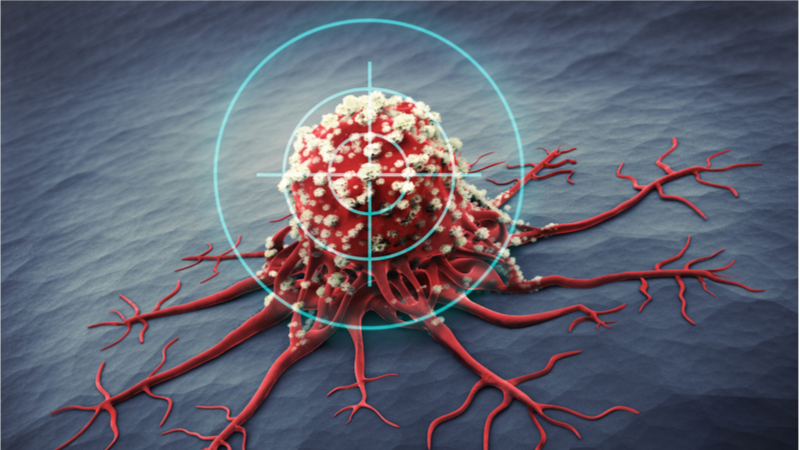
Nanoparticles with Self-Replicating RNA Stop Cancer in Mice
A group of researchers have devised an effective anti-cancer therapy by loading cytokine-coding RNA fragments into lipid nanoparticles and injecting them directly into the tumor [1]. Anti-cancer immunotherapy is a powerful novel strategy that has given hope to millions of cancer patients. The immune system has

Plant Flavonoid Naringenin Is a Senotherapeutic
Researchers have published a new animal study showing that the plant flavonoid naringenin may be useful in targeting problematic senescent cells in the brain. Ribes meyeri (also known as Ribes meyeri maxim) is a native plant to central Asia, Mongolia and Northeast Afghanistan and is part

Mitochondrial Mutations Associated with Fertility Decline
According to new research, mutations accumulate in the mitochondrial DNA of egg cells, leading to changes in cellular metabolism, which result in reduced fertility. The study also showed that Nicotinamide mononucleotide (NMN) treatment can restore the metabolic balance in aging mouse oocytes, rescuing fertility. Defective eggs