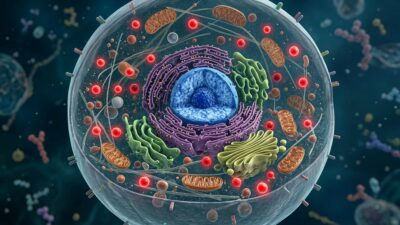







Using Artificial Intelligence to Rapidly Identify Brain Tumors
The use of artificial intelligence and, in particular, machine learning is becoming increasingly popular in research. These systems excel at high-speed data analysis, interpretation, and laborious research tasks, such as
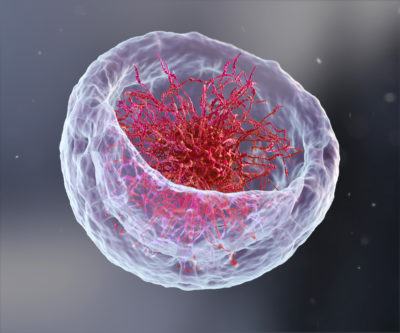
A Potential Path to Treating Inflammation-related Aging and Cancer
The link between inflammation, cellular senescence, aging, and cancer is a complex relationship, but a new study sheds light on how these four interact. The light and dark side of
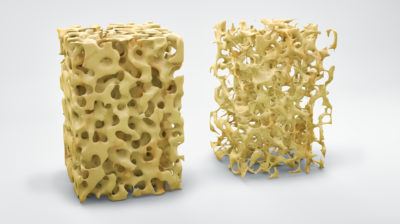
Reviewing Stem Cell Therapies for Osteoporosis
Osteoporosis is a crippling condition provoked by an imbalance between the creation of new bone tissue and the destruction of the old, which becomes worse as we age. What causes

False Positives in Senescent Cell Detection
Macrophages with markers of cellular senescence may not be senescent Researchers commonly determine the presence of senescent cells through the use of the p16ink4a (p16) and β-galactosidase biomarkers. Senescent cells
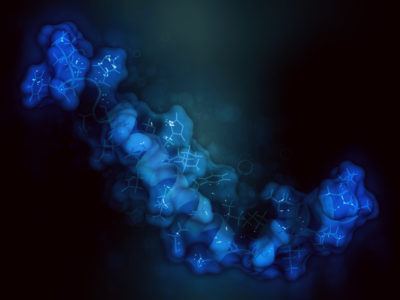
How Misfolded Proteins Cause Age-related Diseases
Coming from a fusion of the words ‘protein’ (a molecule that a cell uses as a machine or scaffolding) and ‘stasis’ (meaning to keep the same), the term ‘proteostasis’ can
Restoring Youthful Plasticity in the Brains of Old Mice
As we age, our brains lose their flexibility; this, in turn, affects our ability to learn, to remember things and to adapt to new situations. The classic example is of
Senolytics as a Potential Treatment for Lung Fibrosis
Today, we have a new study in which researchers focus on pulmonary fibrosis and the role of cellular senescence. What is pulmonary fibrosis? Pulmonary fibrosis causes scarring of lung tissue,
New Study Suggests Previous Concerns about CRISPR Safety are Questionable
Gene editing aims to make precise changes to the target DNA whilst avoiding altering other parts of the DNA. The objective of this is to remove undesirable genetic traits and
Reprogramming Cells to Seek and Destroy Brain Cancer
A new type of cell that can seek and destroy brain cancer and then dispose of themselves has just been successfully tested in mice. The cells are able to home
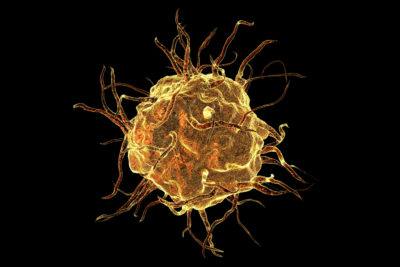
Adjusting Macrophages to Heal Peripheral Nerve Injury
Researchers studying peripheral nerve damage have adjusted the behaviour of macrophages to facilitate healing. [1] What is peripheral nerve injury? The peripheral nerves are located outside of the brain and

Boosting Autophagy to Treat Atherosclerosis
Today, we decided that it was a good time to take a look at a new study that demonstrates that increasing autophagy is a good approach to slowing aging and
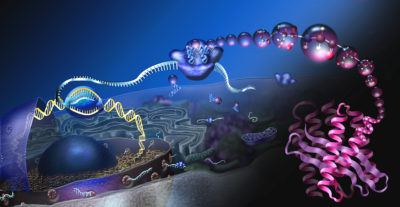
Treating Diseases with a Protein Missile System
Researchers at the University of Dundee have shown that it is possible to target and destroy specific proteins within cells using a new directed protein missile system. This is very
Error CORRECTion for CRISPR
The CRISPR system (Clustered Regularly Interspaced Short Palindromic Repeats) has exploded onto the biotech sector as a relatively simple, highly efficient, and fast method for precisely introducing breaks into genomic
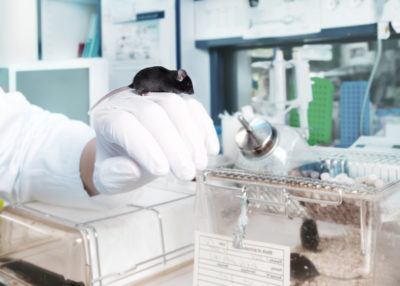
Removing Aging Cells With a New Class of Senolytic Drug
The new research work on senolytic drugs by Baar et al. uses a rationally designed molecule that selectively targets senescent cells in vivo, both in an accelerated aging mouse model, and
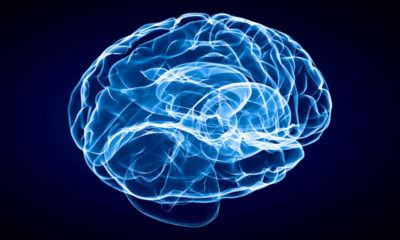
Reprogramming Brain Cells Offers Hope for Parkinson’s
Parkinson’s disease is one of the most well known of the neurodegenerative diseases. The symptoms include tremors and loss of motor control, which are caused by the loss of dopamine

Using Artificial Intelligence to Rapidly Identify Brain Tumors
The use of artificial intelligence and, in particular, machine learning is becoming increasingly popular in research. These systems excel at high-speed data analysis, interpretation, and laborious research tasks, such as image assessment. One of the areas in which machine learning has been enjoying success is image

A Potential Path to Treating Inflammation-related Aging and Cancer
The link between inflammation, cellular senescence, aging, and cancer is a complex relationship, but a new study sheds light on how these four interact. The light and dark side of inflammation and cellular senescence Cellular senescence is a protective mechanism that helps us to stay healthy

Reviewing Stem Cell Therapies for Osteoporosis
Osteoporosis is a crippling condition provoked by an imbalance between the creation of new bone tissue and the destruction of the old, which becomes worse as we age. What causes osteoporosis to develop and progress? Osteoporosis is the failure of tissue maintenance in the bones, causing

False Positives in Senescent Cell Detection
Macrophages with markers of cellular senescence may not be senescent Researchers commonly determine the presence of senescent cells through the use of the p16ink4a (p16) and β-galactosidase biomarkers. Senescent cells are known to exhibit both of these biomarkers, but it seems that they are not the

How Misfolded Proteins Cause Age-related Diseases
Coming from a fusion of the words ‘protein’ (a molecule that a cell uses as a machine or scaffolding) and ‘stasis’ (meaning to keep the same), the term ‘proteostasis’ can essentially be simplified into “Each function reliant on proteins is running as it should. There are

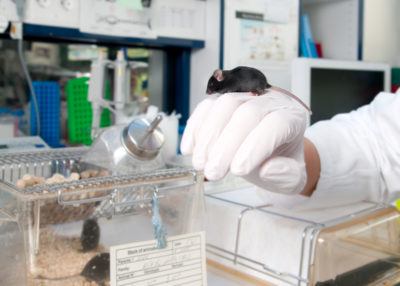
Restoring Youthful Plasticity in the Brains of Old Mice
As we age, our brains lose their flexibility; this, in turn, affects our ability to learn, to remember things and to adapt to new situations. The classic example is of older people who are stuck in a rut and unable to change how they think. Some

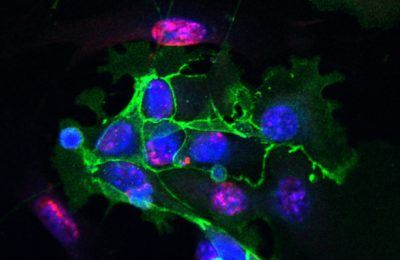
Senolytics as a Potential Treatment for Lung Fibrosis
Today, we have a new study in which researchers focus on pulmonary fibrosis and the role of cellular senescence. What is pulmonary fibrosis? Pulmonary fibrosis causes scarring of lung tissue, which results in the progressive loss of lung function over time. When the disease’s origin is

New Study Suggests Previous Concerns about CRISPR Safety are Questionable
Gene editing aims to make precise changes to the target DNA whilst avoiding altering other parts of the DNA. The objective of this is to remove undesirable genetic traits and introduce desirable changes in both plants and animals. For example, it could be used to make

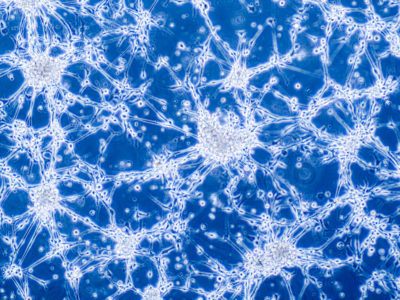
Reprogramming Cells to Seek and Destroy Brain Cancer
A new type of cell that can seek and destroy brain cancer and then dispose of themselves has just been successfully tested in mice. The cells are able to home in on brain tumors and reduce them to between 2 to 5% of their original size[1].
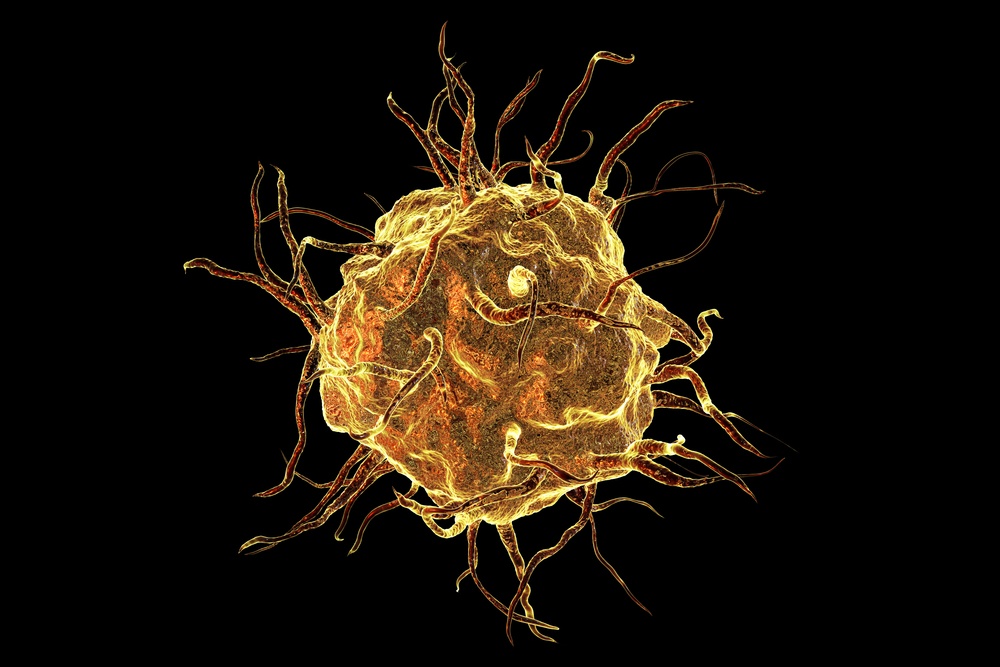
Adjusting Macrophages to Heal Peripheral Nerve Injury
Researchers studying peripheral nerve damage have adjusted the behaviour of macrophages to facilitate healing. [1] What is peripheral nerve injury? The peripheral nerves are located outside of the brain and spinal cord. They carry signals to the muscles to initiate movement as well as transporting sensory

Boosting Autophagy to Treat Atherosclerosis
Today, we decided that it was a good time to take a look at a new study that demonstrates that increasing autophagy is a good approach to slowing aging and could be the foundation for a variety of therapies to treat age-related diseases. What is Autophagy?

Treating Diseases with a Protein Missile System
Researchers at the University of Dundee have shown that it is possible to target and destroy specific proteins within cells using a new directed protein missile system. This is very interesting, as it raises the possibility of targeting aberrant proteins present in diseases that currently have
Error CORRECTion for CRISPR
The CRISPR system (Clustered Regularly Interspaced Short Palindromic Repeats) has exploded onto the biotech sector as a relatively simple, highly efficient, and fast method for precisely introducing breaks into genomic loci [1-2]. The realization that it is a prokaryotic acquired immune system, although less often mentioned,

Removing Aging Cells With a New Class of Senolytic Drug
The new research work on senolytic drugs by Baar et al. uses a rationally designed molecule that selectively targets senescent cells in vivo, both in an accelerated aging mouse model, and in normally aged mice as well, with few if any side effects [1]. Senolytics are a

Reprogramming Brain Cells Offers Hope for Parkinson’s
Parkinson’s disease is one of the most well known of the neurodegenerative diseases. The symptoms include tremors and loss of motor control, which are caused by the loss of dopamine producing neurons in the brain. In fact, most of us lose these neurons as we age,